SpaceX planning to catch Starship upper stage, deploy Starlink V3 satellites into orbit this month
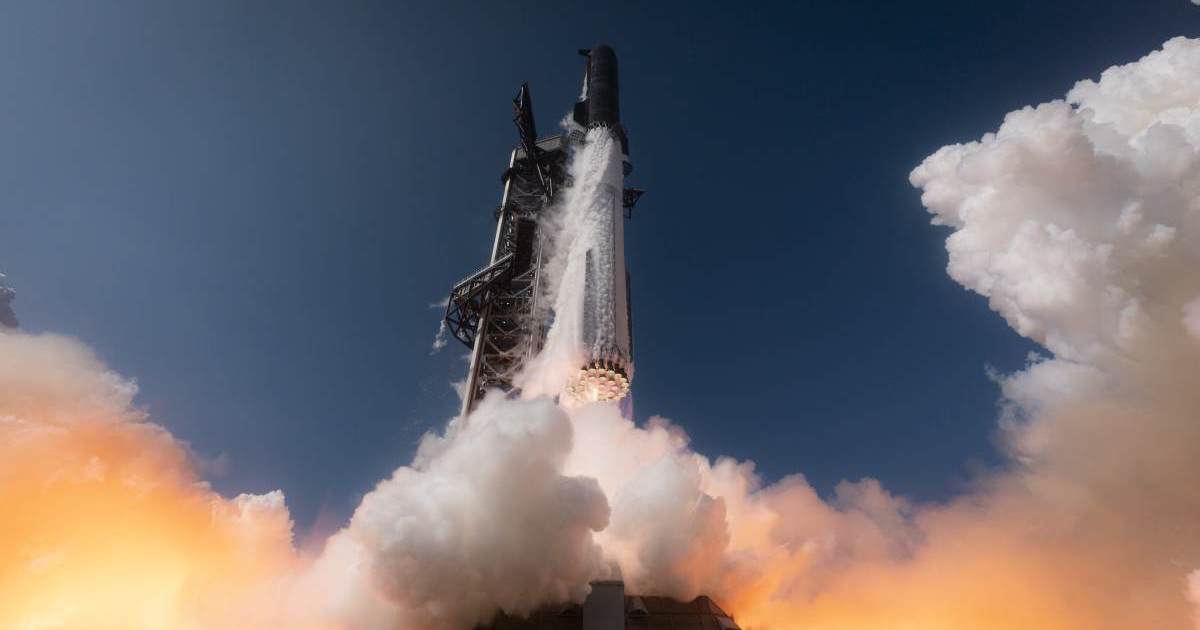
SpaceX CEO Elon Musk declared that the company will attempt to catch the upper stage of its Starship rocket on its 14th test flight. "Assuming we receive regulatory approval to do so, we will attempt to catch the Ship with the tower on the next flight, which is tentatively scheduled for the end of this month," Musk said during SpaceX's first earnings call on Tuesday (August 4). He also added that Flight 14 will feature Starlink V3 satellites that will be deployed into an operational orbit rather than on a suborbital trajectory as seen on Flight 13.
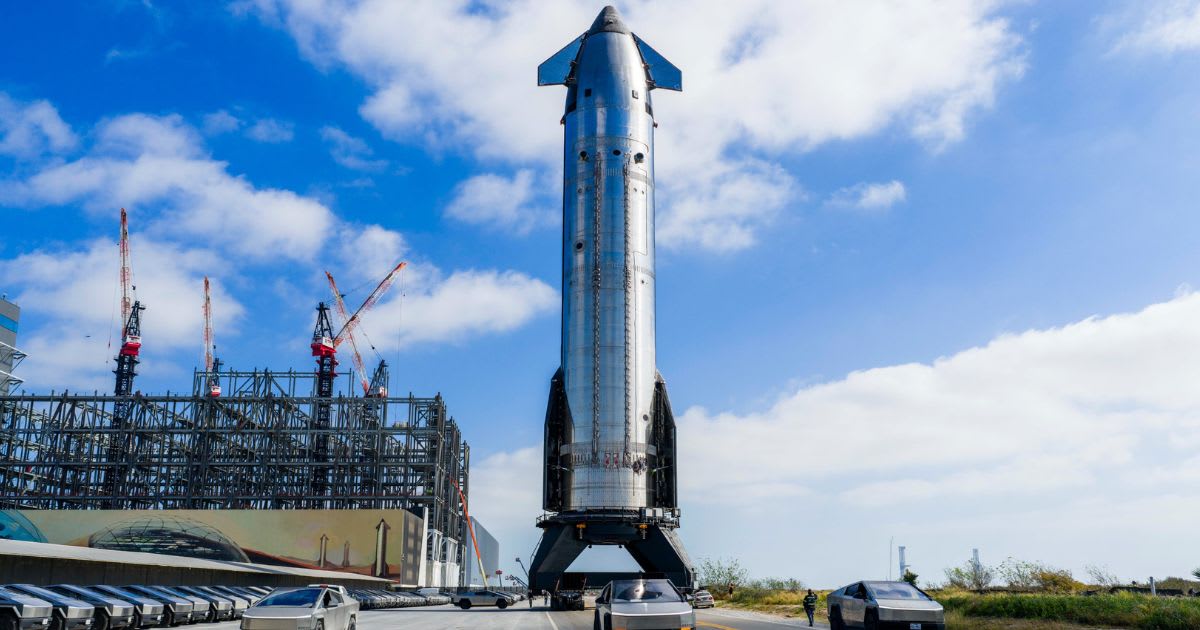
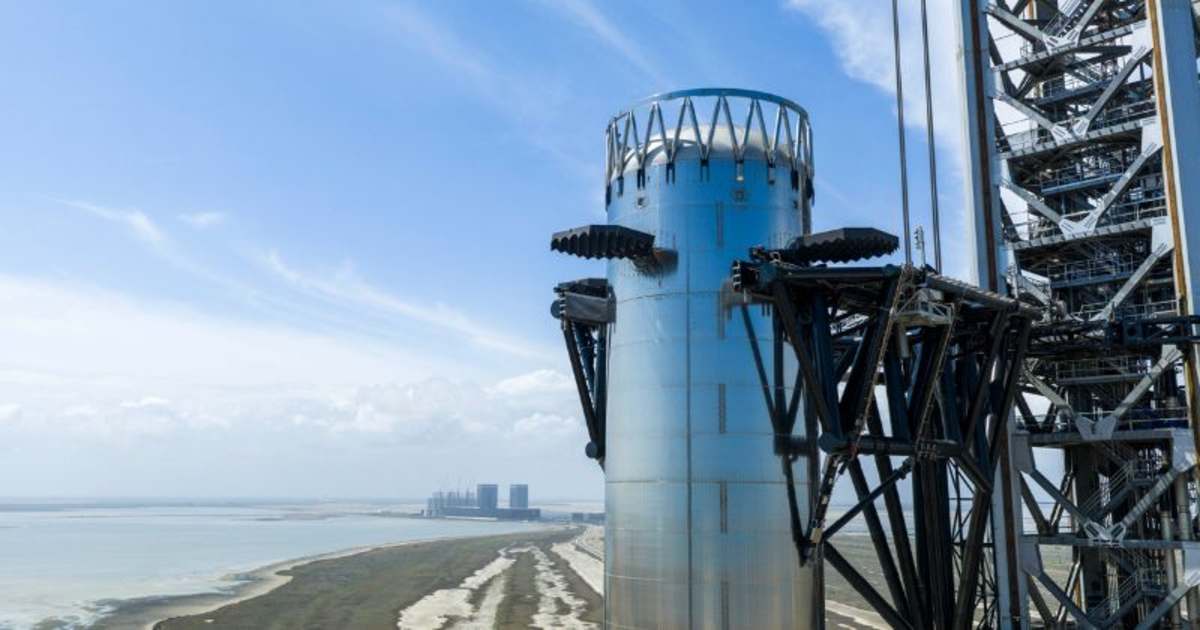
The catch will be executed by the chopstick arms on one of the two huge launch towers at SpaceX's facilities at Starbase, Texas. Pad 2, in fact, which was used to launch Flight 12, features shorter arms and is expected to provide enhanced mobility during catching maneuvers. While SpaceX has caught the Super Heavy booster of the rocket three times before, with the last time being in March 2025, Flight 14 will mark the company's first attempt to catch the upper stage.
The upper stage performed optimally during Flight 13, achieving its "softest splashdown" yet in the Indian Ocean and offering critical views of an intact heat shield for the first time. "This flight actually went incredibly well. The heat shield appears to be very robust," Musk said. SpaceX was less happy with the performance of the booster during the test, which fell to yet another hard splashdown in the Gulf of America. An attempt to catch both stages, however, is on the cards for later this year, Musk informed his investors.
SpaceX shared a composite view of Starship in space during Flight 13, captured by cameras aboard a Starlink V3 satellite. 6 satellites carried cameras to scan Starship's heat shield, feeding data back to engineers for future flights.
— Starlust (@starlustorg) August 3, 2026
Video Credit: SpaceX pic.twitter.com/KCzloTIILf
As for the V3 satellites that will be delivered to their operational orbit for the first time, they are "expected to deliver 10 times the amount of broadband capacity and data density" over the current generations. While Starship deployed a total of 20 V3 satellites during Flight 13, SpaceX hopes to launch as many as 60 into orbit per Starship launch in the future. Starlink will also be playing a key role in NASA's Artemis III next year by delivering 4K imagery of the mission with the help of two mini laser terminals installed on the exterior of the Orion spacecraft. Not to mention, the spacecraft will also be executing rendezvous and docking operations with a Starship test lander in low-Earth orbit. So, a Starship flight into orbit will be a huge step forward towards achieving that goal, especially if it happens as early as this month.
More on Starlust
NASA reveals finer details of how Artemis III's design will shape future crewed lunar missions