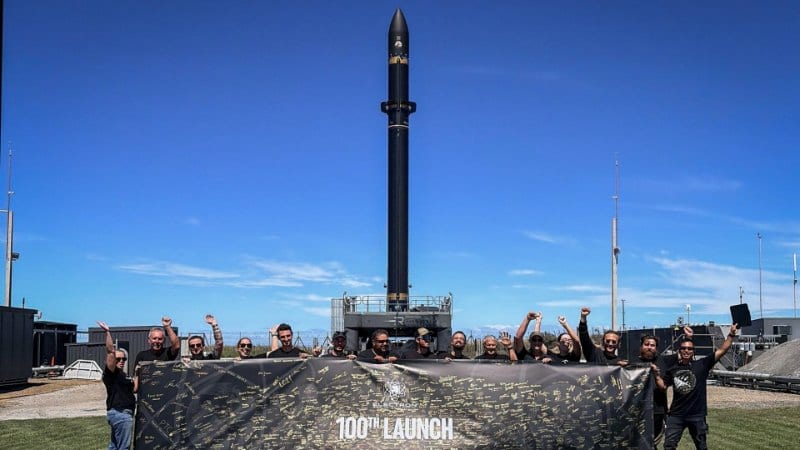
Rocket Lab completes 100th mission of Electron rocket faster than any commercial launch vehicle
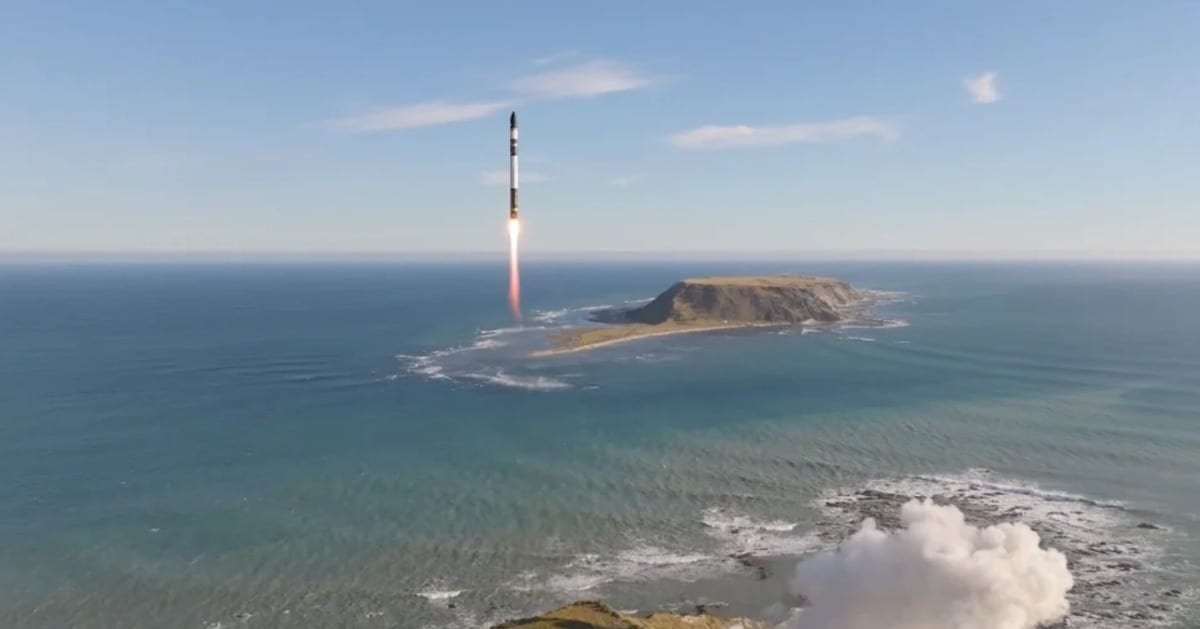
Rocket Lab has achieved a milestone that even SpaceX couldn’t. On Saturday, the company launched the 100th mission of its Electron rocket faster than any commercial launch vehicle to date. It lifted off at 12:30 am EST today from its launch site in New Zealand's Mahia Peninsula with a private Earth observing satellite built by Japan-based iQPS. Painted in black, white and gold, the rocket flawlessly launched in what was its 11th iQPS mission named "The Mountain God Rises.”
Triple digits 💯 Electron has reached 100 launches faster than any commercially developed rocket in history. With another 100+ launches in backlog, we're just getting started. https://t.co/DzRSlFFFXB
— Rocket Lab (@RocketLab) November 14, 2026
Rocket Lab founder and CEO Peter Beck was naturally elated at this accomplishment which comes nine years after Electron’s debut. “It is super hard and the team just does an amazing, amazing job. Electron opened access to space, but 100 launches is just the start,” Beck said after the launch.
From Flight 1 to 100, our Founder and CEO @peter_j_beck has had many memorable moments in nearly a decade of launches. "It is super hard and the team just does an amazing, amazing job." Electron opened access to space, but 100 launches is just the start. There's 55+ Rocket Lab spacecraft in development and production, multiple missions operating on orbit today, and $1b+ worth of launches booked across all three of our rocket programs - Electron, HASTE and Neutron. We're delivering spacecraft and components to the Moon, Mars, and intend to operate our own constellation and space services for millions of people on Earth. "It's the grand master plan playing out."
— Rocket Lab (@RocketLab) November 14, 2026
He also revealed that there are more than 55 Rocket Lab spacecraft in development and production, and over $1 billion worth of missions booked on the Electron, HASTE and Neutron rockets. Notably, HASTE is a suborbital rocket that is used to test technologies in a hypersonic environment. “We're delivering spacecraft and components to the Moon, Mars, and intend to operate our own constellation and space services for millions of people on Earth. It's the grand master plan playing out,” Beck said.
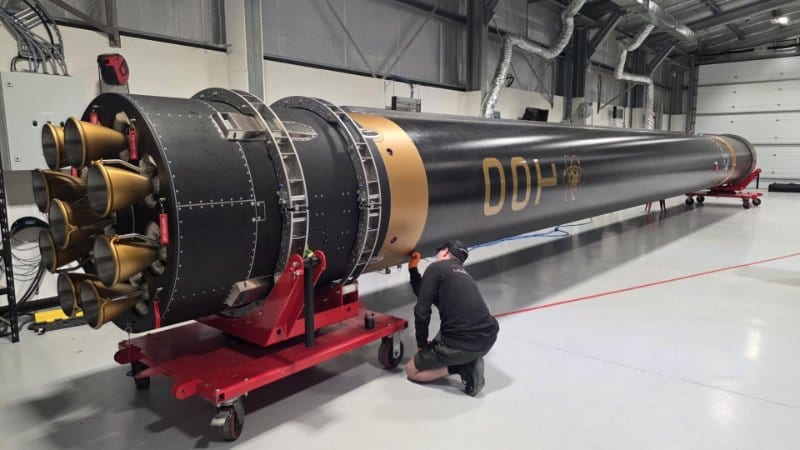
Electron is Rocket Lab’s workhorse which stands 59 feet (18 meters) tall with a payload capacity of 661 pounds (300 kg) to low-Earth orbit. According to the company, the 100 Electrons have been powered by 999 Rutherford engines—one less than a thousand because one engine was reused on its 40th mission. It has also deployed more than 270 payloads with a precision of within 0.01 degrees of the target inclination trajectory. “We once got a customer within 8 meters of their target orbit. The industry average is about 15 kilometers,” Rocket Lab posted on X listing Electron’s milestones.
Electron has also set a record response time between a launch order and a liftoff. It launched the U.S. Space Force’s Victus Haze mission just 16 hours and 42 minutes after the mission was booked. It also has the quickest turnaround time of 21 hours and 55 minutes between a HASTE launch in Virginia, U.S. and its launch complex in New Zealand.
QPS-SAR19号機「ヤマツミ-Ⅱ」は本日14時30分の打上げ、初交信成功の後、本日夕方には収納型アンテナの展開を実行いたしました🙌 https://t.co/gEH7arXeo6 この先は衛星の調整を続け、初画像の取得を目指してまいります。
— iQPS / QPS研究所/QPSホールディングス (@QPS_Inc) November 14, 2026
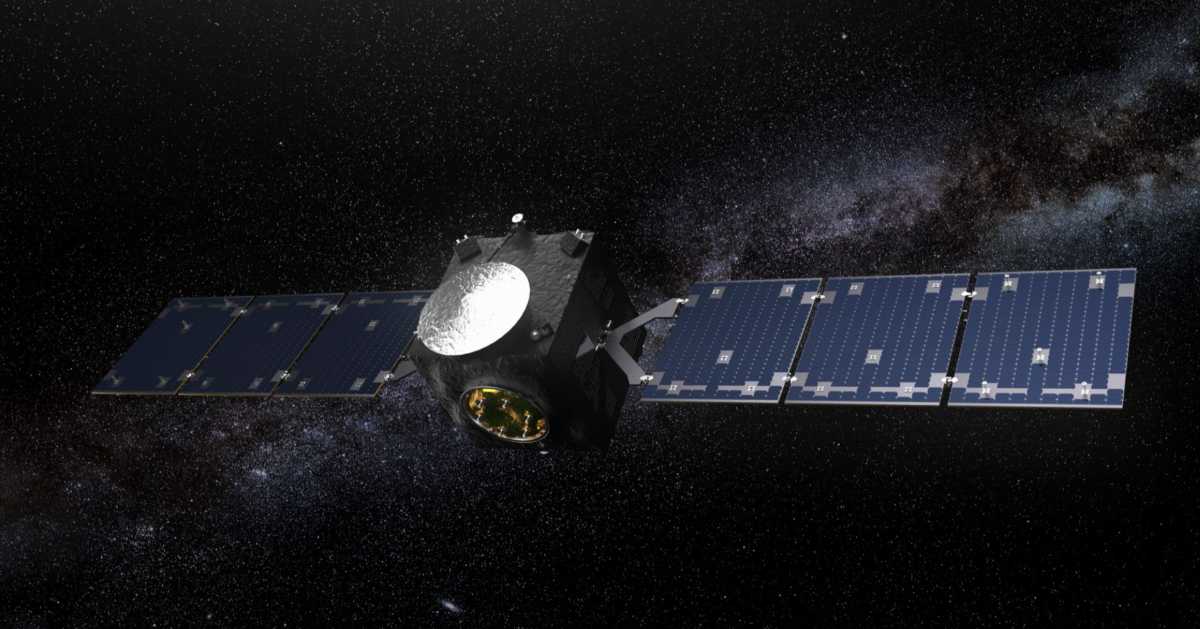
The 100th mission was for the launch of QPS-SAR-19 “Yamatsumi-II” satellite that was successfully inserted into orbit by Electron’s ‘kick stage’ 50 minutes after launch. iQPS later confirmed that the satellite has successfully established its first communications link and deployed its stowed antenna. “We will continue commissioning the satellite and work toward acquiring its first image,” the company stated. iQPS is reportedly building a constellation of three dozen synthetic aperture radar (SAR) satellites that will enable the observation of Earth through cloud covers during the day as well as night.
More on Starlust
AST SpaceMobile to build its own reusable 20-ton rocket using Firefly's engines, eyes 2028 debut
Blue Origin’s New Glenn return flight slips to January 2027, CEO Dave Limp announces