NASA Moon Base Update: Major progress revealed on Blue Origin, Firefly, and other landers

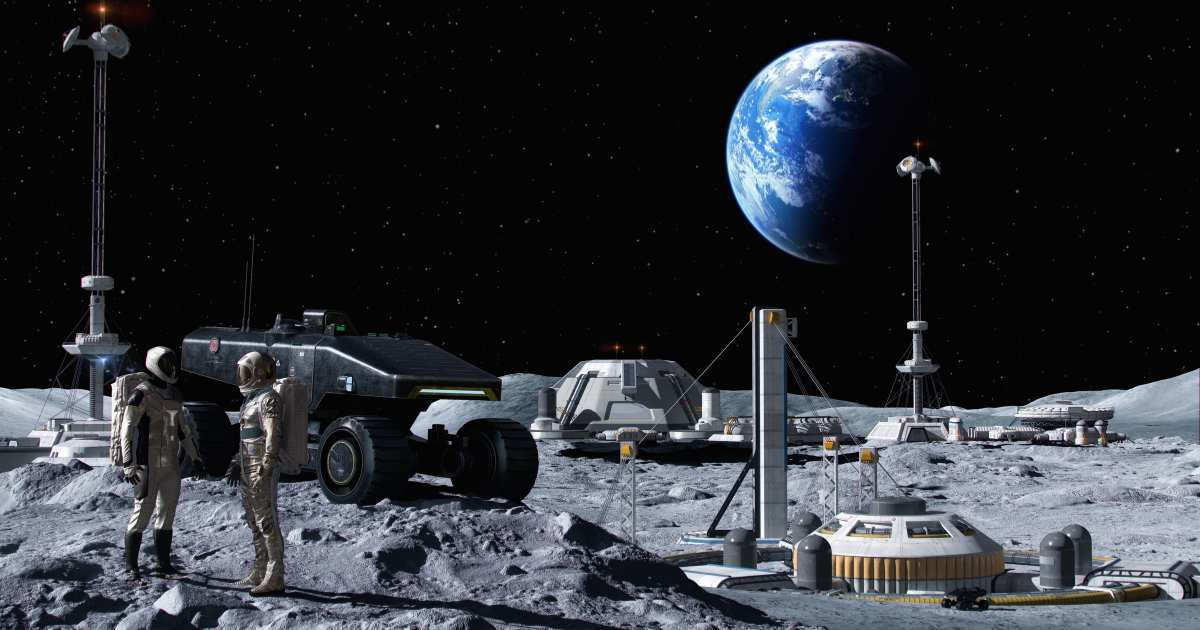
NASA has shared a new update on the progress its commercial partners are making toward the agency's Moon Base program. Earlier this year, the space agency shared that the base could span hundreds of square miles. Now, NASA’s partners are actively making progress and moving through testing rounds ahead of the mission that will deliver cargo and systems needed for the base. The update was shared through a video and a press release, both dated the same day (August 04, 2026).
Blue Origin's Blue Moon MK1 lander has finished its environmental test campaign, including a thermal-vacuum test at NASA's Johnson Space Center in Houston. The test was done to check whether the spacecraft can survive conditions like the ones it'll face on the Moon. The lander also cleared communications checkouts with NASA's Tracking and Data Relay Satellite System and the Deep Space Network. What's left is cryogenic propellant loading. Once that's done, Blue Moon MK1, flying under the mission name Endurance, will be ready for integration and launch.
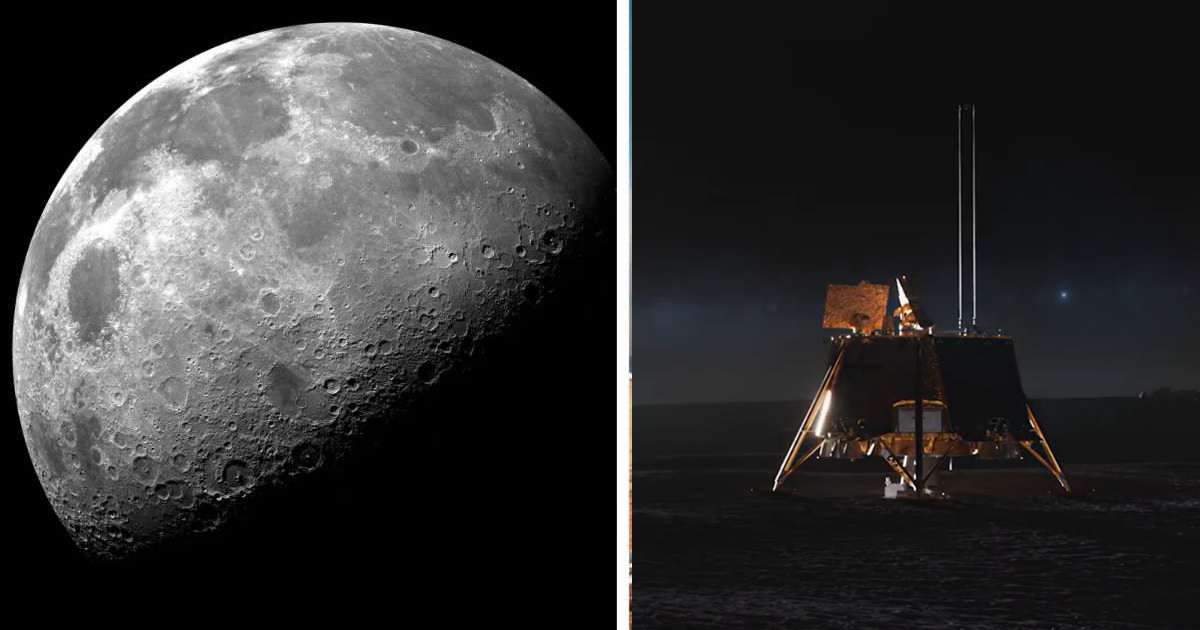
Update on Firefly's Blue Ghost Mission
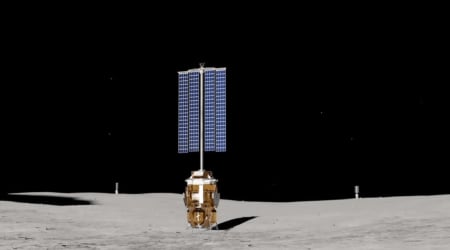
Firefly is aiming to be the first American mission to land on the Moon's far side, with Blue Ghost Mission 2. For this, the lander is stacked on top of an orbital spacecraft called Elytra, and they stand about 22 feet tall. It will carry three of NASA’s payloads and cover research on the lunar far side. As per NASA, “Elytra brings added versatility to Moon Base logistics and science.”
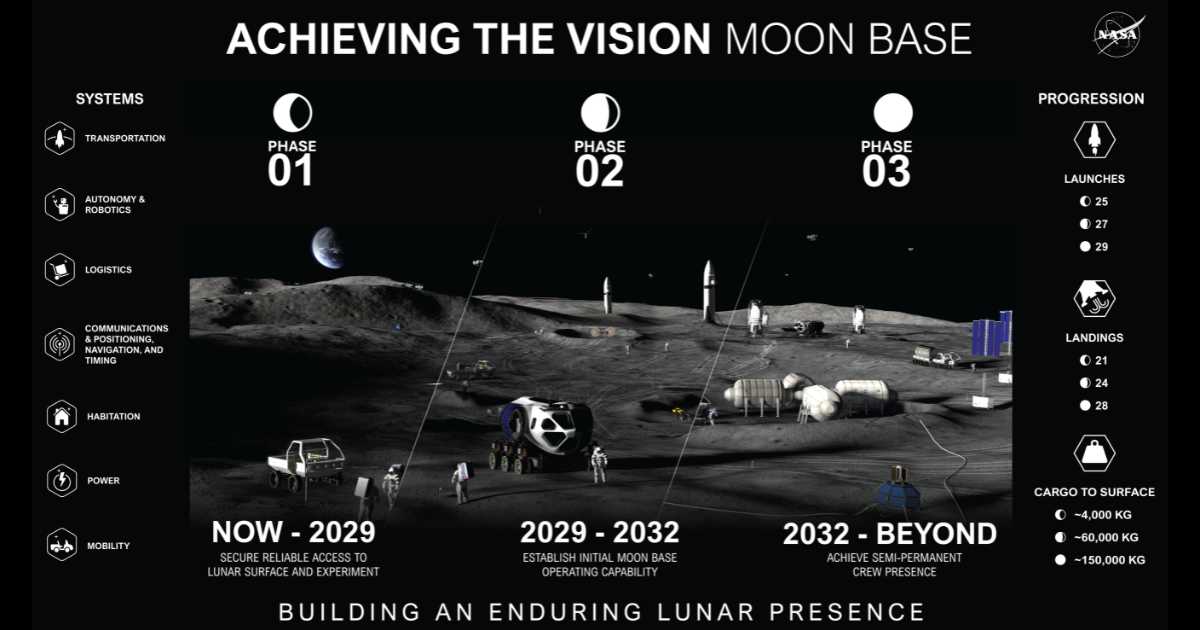
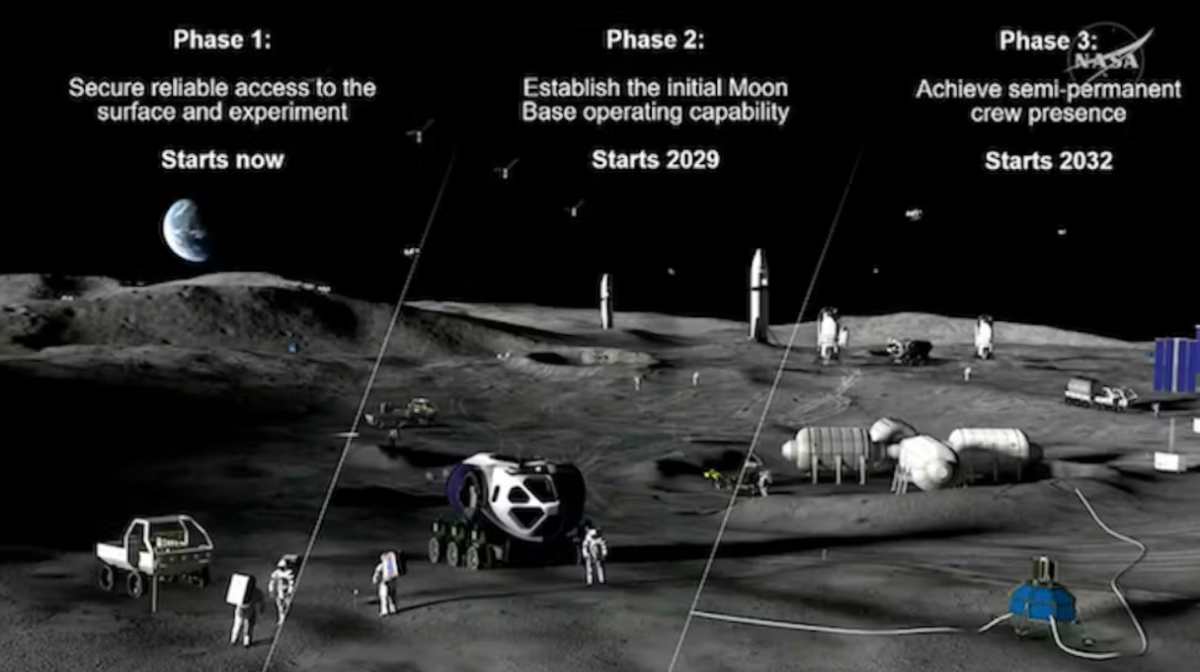
NASA is also planning more than twenty robotic landings under Phase I of the Moon Base architecture. Each mission is meant to build on the last. NASA shared in the press release that each of its missions is “designed to incrementally advance system capabilities and validate operational components for those that follow. Before astronauts arrive, robotic missions will deploy critical scientific instruments that characterize the lunar environment, test new technologies, and begin assembling the infrastructure needed for human habitation.” The deliveries fall under NASA's CLPS program, or Commercial Lunar Payload Services.
What comes next for the remaining landers?
Intuitive Machines' Trinity lander is the company's third Nova-C lunar lander, and it'll fly alongside Altus-1, Intuitive Machines' first lunar data-relay satellite. Trinity recently passed long-range thermal vacuum testing at NASA's Marshall Space Center. Meanwhile, Voyager Technologies' Griffin-1 lander is currently undergoing testing at NASA's Jet Propulsion Laboratory in Southern California. The spacecraft is set to carry the largest commercial payload ever sent to the Moon, and so far, it has successfully completed mass properties testing. Once the remaining environmental tests are finished, Griffin-1 will head back to Voyager's facility in Pittsburgh for final assembly before being shipped to Cape Canaveral for its planned late-2026 launch.
NASA is also working with Northrop Grumman on three technology demonstration payloads that reuse power and avionics hardware originally developed for the Gateway program's HALO module. According to the agency, this effort is part of its broader plan to support long-term lunar exploration and build the infrastructure needed for a sustained human presence on the Moon.
More on Starlust
NASA and SpaceX Crew-13 ready for Sep 2026 launch to the ISS: Key highlights, crew details, and more
First African space payload to launch to the Moon in 2029 with China’s Chang’e 8 mission