How SpaceX's Starlink will give you a front row seat to NASA's Artemis III mission
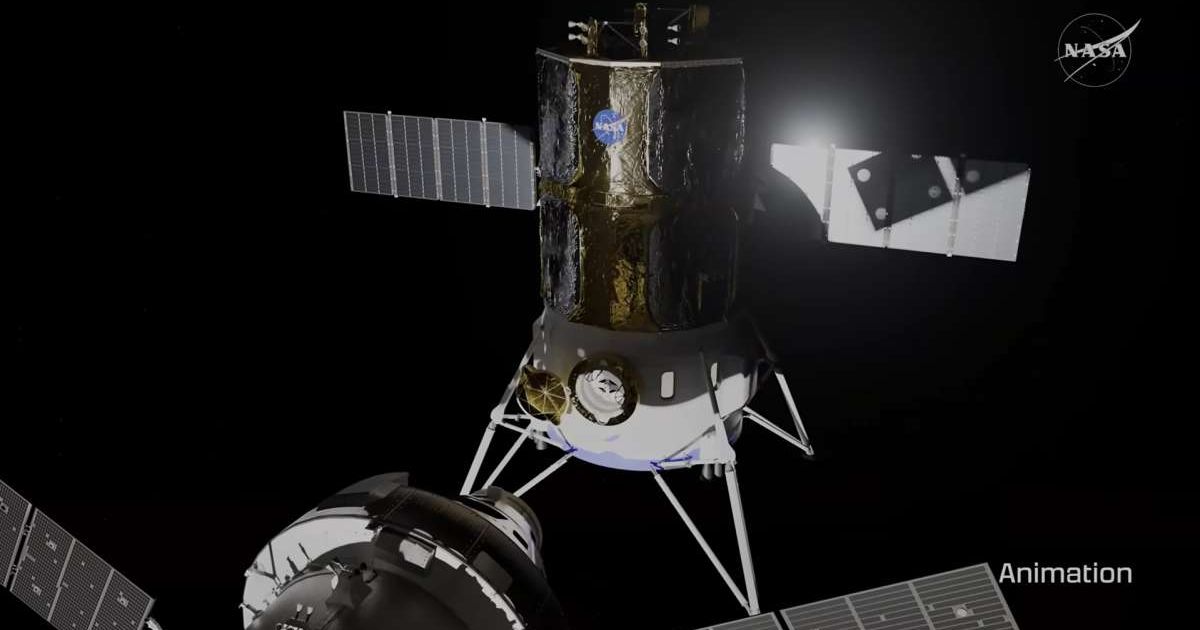
People around the globe will be able to follow the Artemis III mission in 4K. That's because NASA is going to install two SpaceX mini laser terminals on the outside of the Orion spacecraft. This is the same technology that SpaceX developed for its Starlink constellation.
Get ready for a front row seat to Artemis III.
— NASA Artemis (@NASAArtemis) July 16, 2026
NASA has selected @SpaceX to provide laser communications capabilities from the Orion spacecraft for the mission. They will deliver high-def imagery as astronauts test rendezvous & docking operations between Orion and commercial… pic.twitter.com/4P9pH2lEfQ
The Artemis III mission to low Earth orbit is set to be a stepping stone for NASA to have humans land on the Moon with Artemis IV and V in 2028—at least one of which is supposed to use SpaceX's Starship Human Landing System (HLS). Since the SpaceX mini laser terminals will use invisible infrared light, they will be able to transmit more data in a single downlink event than traditional radio frequency systems. Orion's traditional communications system will also feature on the mission. But the inclusion of laser technology will make the transmission of flight procedures, engineering and science data, and voice communication even more efficient. Other things like high-definition video and photos will not only help Artemis III fulfill its objectives but will also make the mission much more accessible and visually striking to enthusiasts worldwide.
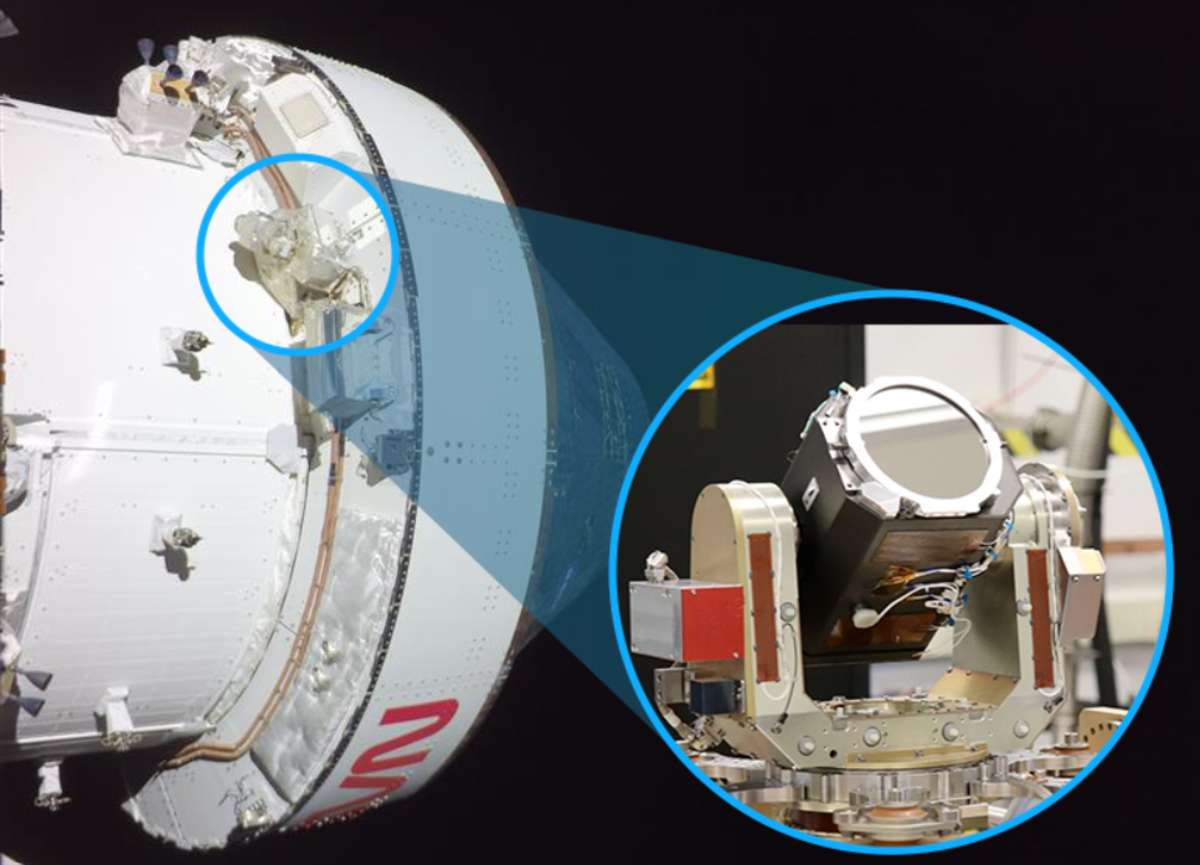
NASA previously tested laser communication technology during the Artemis II mission. Back then, only one laser terminal was part of Orion's external fittings. It was developed by the Massachusetts Institute of Technology at Lincoln Laboratory in Lexington, Massachusetts. The crew still had to contend with a complete communication blackout as they transited the far side of the Moon, which will not be the case with this mission (even if brief communication gaps can occur due to handovers between antennas scattered around Earth). The first time SpaceX demonstrated the technology for NASA was during the Fram2 crewed mission, which was a private mission with SpaceX's Dragon capsule launched in 2025.

This crosslink technology becoming a part of the Artemis program is being facilitated by SCaN (Space Communication and Navigation). It has been perfected over the deployment of over 25,000 lasers in Starlink satellites launched by SpaceX that are currently orbiting Earth and enabling fast internet for customers across several countries. According to NASA, this development came as a result of a broader push by the agency to make near-Earth satellite relay communication services open to its industry partners.
More on Starlust
NASA names Artemis III astronauts—here's all you need to know about them
Artemis III update: NASA begins assembling its SLS rocket at Kennedy Space Center