Solar flares explained: What these giant explosions on the Sun mean for us
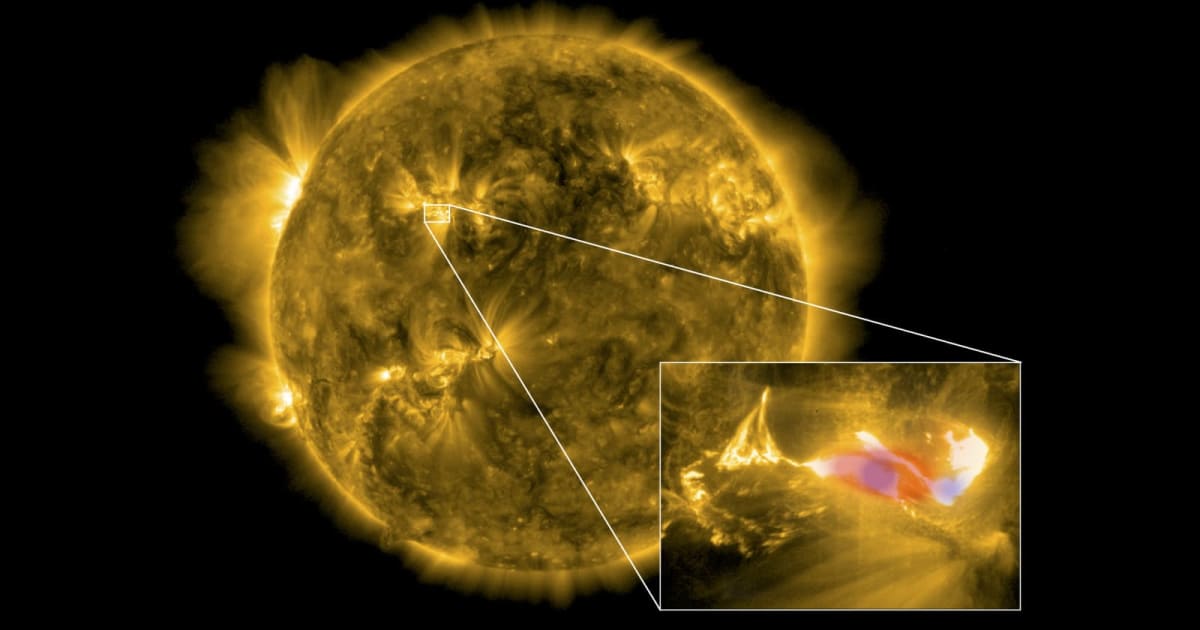
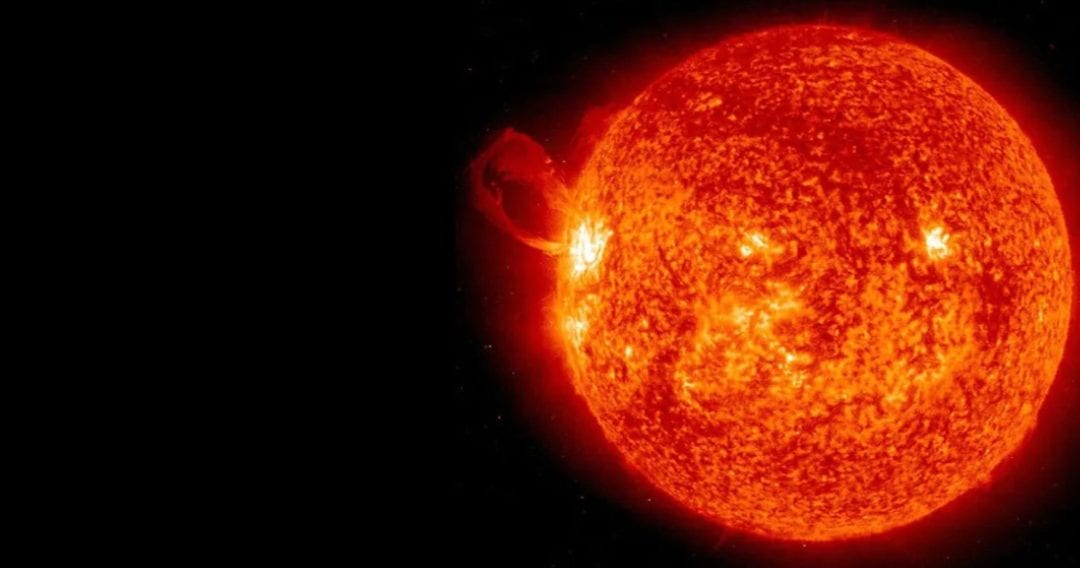
Occasionally, a sudden burst of electromagnetic energy from highly active regions on the Sun can result in the sunlit side of the Earth being exposed to higher-than-normal levels of incoming radiation. During such events, the energy is released in a flash that spans the entire electromagnetic spectrum—be it X-rays, gamma rays, radio waves, ultraviolet, or visible light. Such an eruption is known as a solar flare, and according to NASA, it can produce enough energy to rival a billion hydrogen bombs put together. They are the most powerful explosions within our entire solar system, and besides the exposure to radiation, they can have far-reaching consequences for life on Earth.
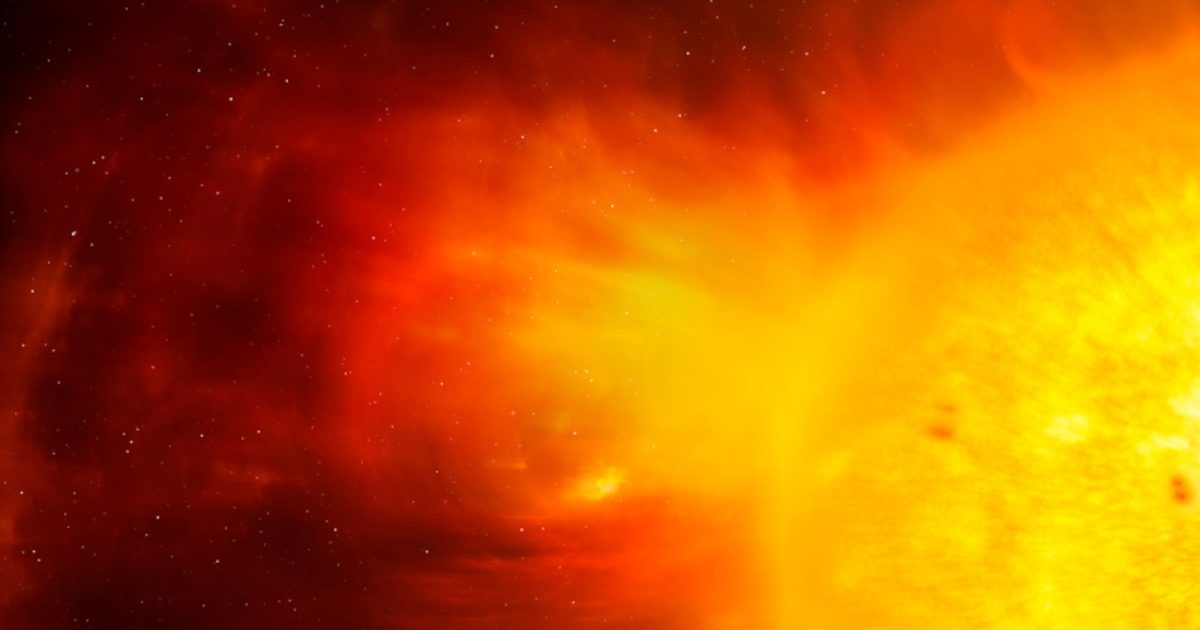
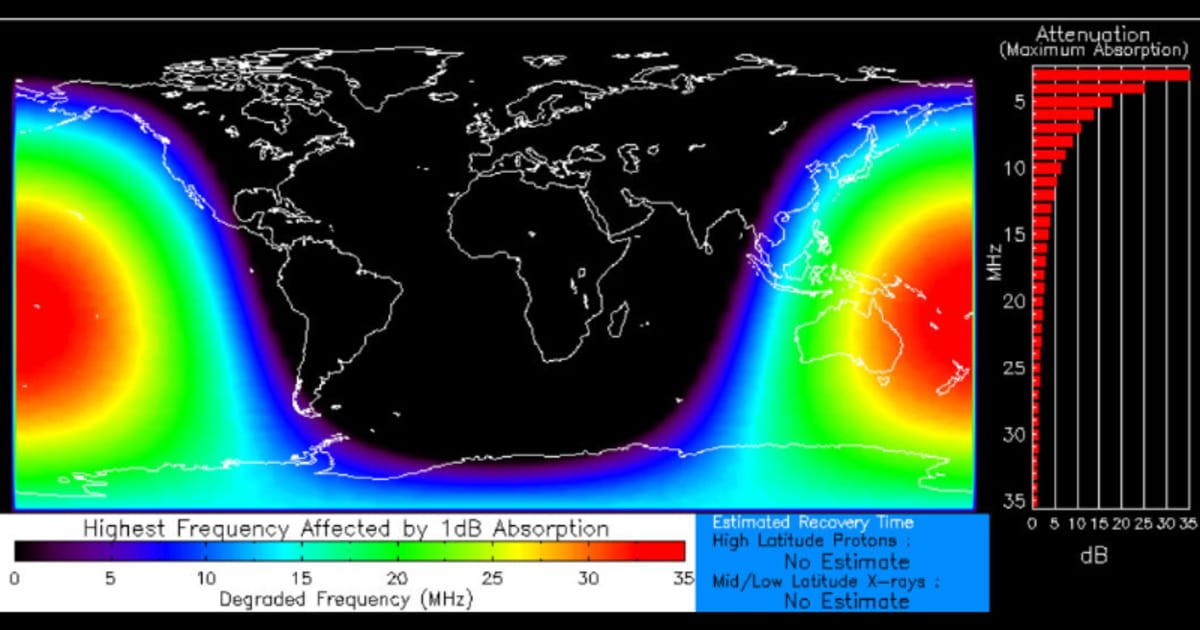
Effects of solar flares on communications on Earth
For one, we rely on the ionosphere for communication via the transmission of high-frequency radio waves. The ionosphere is one of the upper layers of our atmosphere that, as its name suggests, is concentrated with ions (free electrons) and helps refract these waves around the curvature of the Earth. When a solar flare erupts and its energy reaches Earth at the speed of light, the ionosphere sees an accumulation of more free electrons in its lower layers, perturbing the normal conditions that make radio communications possible within frequencies of three to thirty megahertz. This is why solar flares are accompanied by radio blackouts, with the intensity of the flare being directly proportional to the severity of the blackout probability.
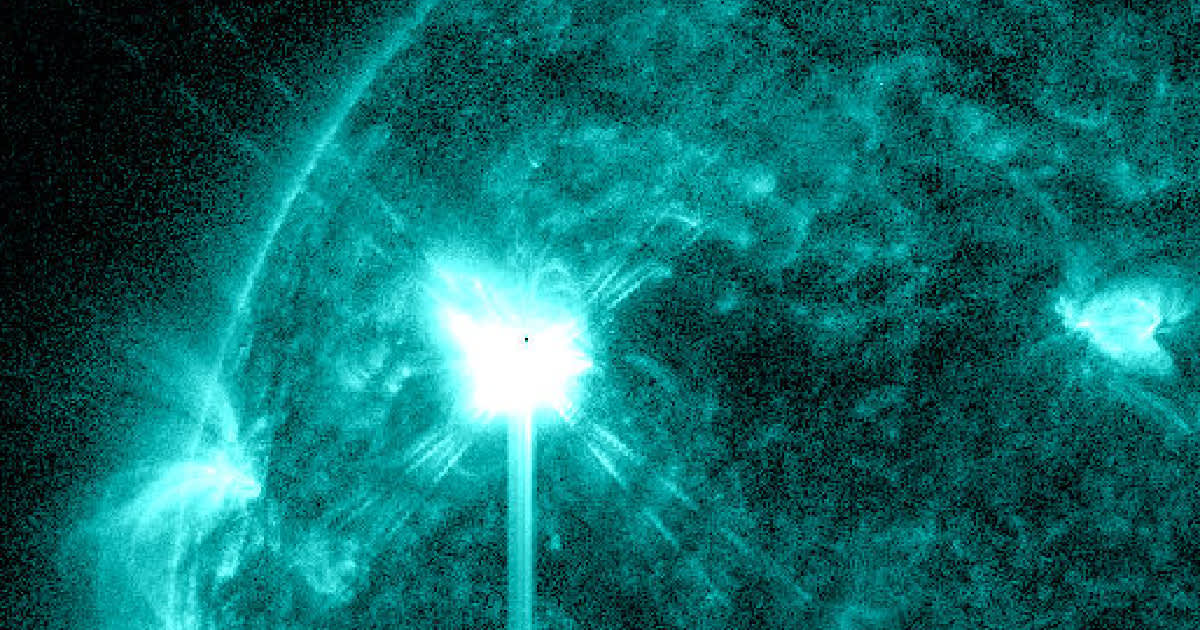
Types of solar flares
Scientists characterize solar flares on a scale that makes each type ten times more powerful than the last. Starting with A, B, and C class, the first three categories on the scale have virtually no noticeable impacts to only slightly noticeable effects on Earth. The next type, an M-class solar flare, is ten times more intense than a C-class flare. The most intense types of solar flares to erupt from the Sun, called X-class flares, have the potential to cripple radio communications worldwide for an extended duration. The numbers that one may find next to the letter categorizing a solar flare serve as an indicator of the intensity of a flare within a given class. The resultant radio blackouts can also be categorized on a scale ranging from R1 (minor) to R5 (extreme).
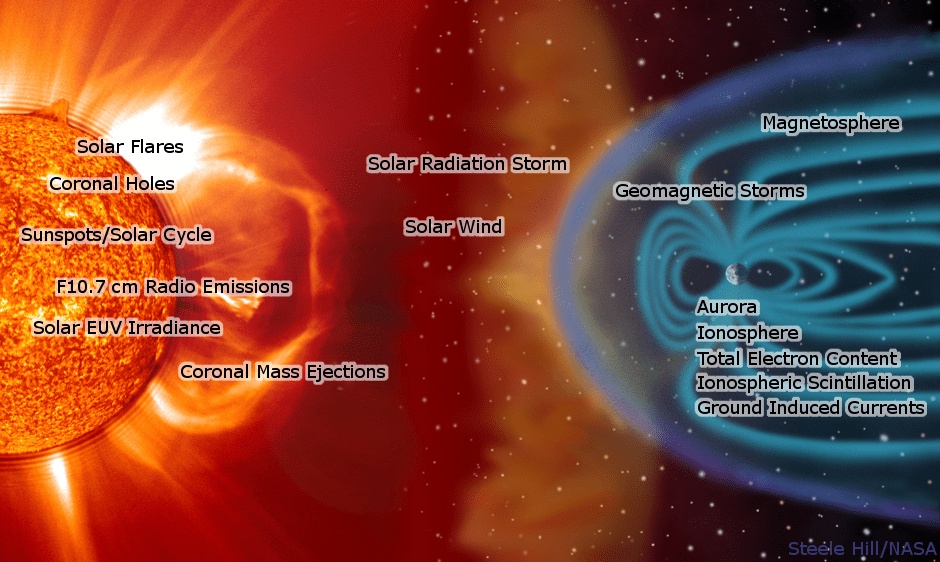
Indirect effects of solar flares on us
A solar flare in the A, B, and C-class range is not a cause for concern for most Earthlings. However, an M-class flare is often accompanied by a solar storm, which is a wave of solar plasma, magnetic fields, and energy. If our planet ends up in the path of this storm, a geomagnetic storm can result here on Earth, with some research suggesting physiological effects, including an increased risk of heart attacks and migraines in humans. Thankfully, the Earth's atmosphere manages to shield surface dwellers from most of the increased electromagnetic radiation during a solar flare. However, astronauts living in space and people in polar regions are less fortunate when it comes to the high-energy particles that often follow. This is because astronauts have fewer layers of atmosphere to shield them, and the polar regions see these high-energy particles funneled downward by the magnetic poles of the Earth. The result can be malfunctioning electrical systems and damaged space infrastructure.
Cause of solar flares
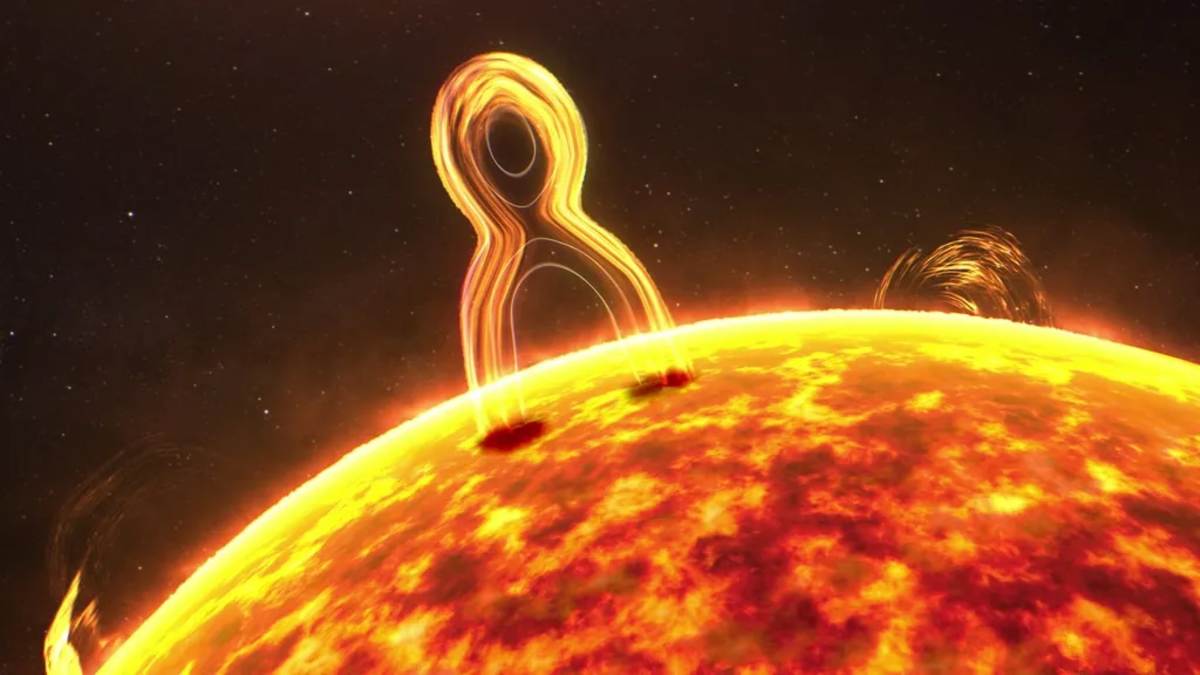
The cause of a solar flare is the sudden snapping of tightly twisted magnetic fields—called flux ropes—within the lower corona of the Sun. These flux ropes end up in newer configurations in a process known as magnetic reconnection. Studies show that the sudden reconfiguration of flux ropes could be further explained by something known as "reversed shear" topology acting on magnetic fields, where small magnetic disturbances emerge with an opposite orientation to the main field, making the region increasingly unstable. It is important to note that many of the mechanisms behind the Sun's sudden explosions are still being debated. What we do know is that solar flares usually originate from active regions of high magnetic flux density, which are known as sunspots.
Difference from coronal mass ejections
Solar flares are a completely different phenomenon from coronal mass ejections (CMEs). While flares are a burst of energy in the form of electromagnetic radiation, CMEs are expulsions of matter (solar plasma) as well as magnetic fields. When solar flares are blasted from dense, highly magnetic regions, a coronal mass ejection can also be unleashed concurrently. A CME arrives relatively late to Earth, resulting in geomagnetic storms of the highest intensities. A visual representation of such an event manifests itself in the form of auroras during such storms. In this context, solar flares and CMEs are the two main reasons for space weather disturbances. One must note that while CMEs are typically launched in the aftermath of solar flares, other mechanisms within the Sun can release CMEs as well. For example, erupting solar prominences can also be a source of CMEs.

Frequency of solar flares
How frequent solar flares are is affected by the Sun's periodic rise and fall of its internal and surface activity. This 11-year period of our host star going through periods of high to low activity is known as a solar cycle. When solar activity peaks around solar maximum, more sunspots appear and usually result in a greater number of solar flares. This has been observed in the wake of the maximum of Solar Cycle 25 as well.
More on Starlust:
NOAA’s SOLAR-1 is now operational—and it's changing how the U.S. watches space weather
NASA's DAPHNE mission takes key step toward predicting space weather for future Moon and Mars crews