What are coronal mass ejections? How do they form and how do they affect life on Earth?
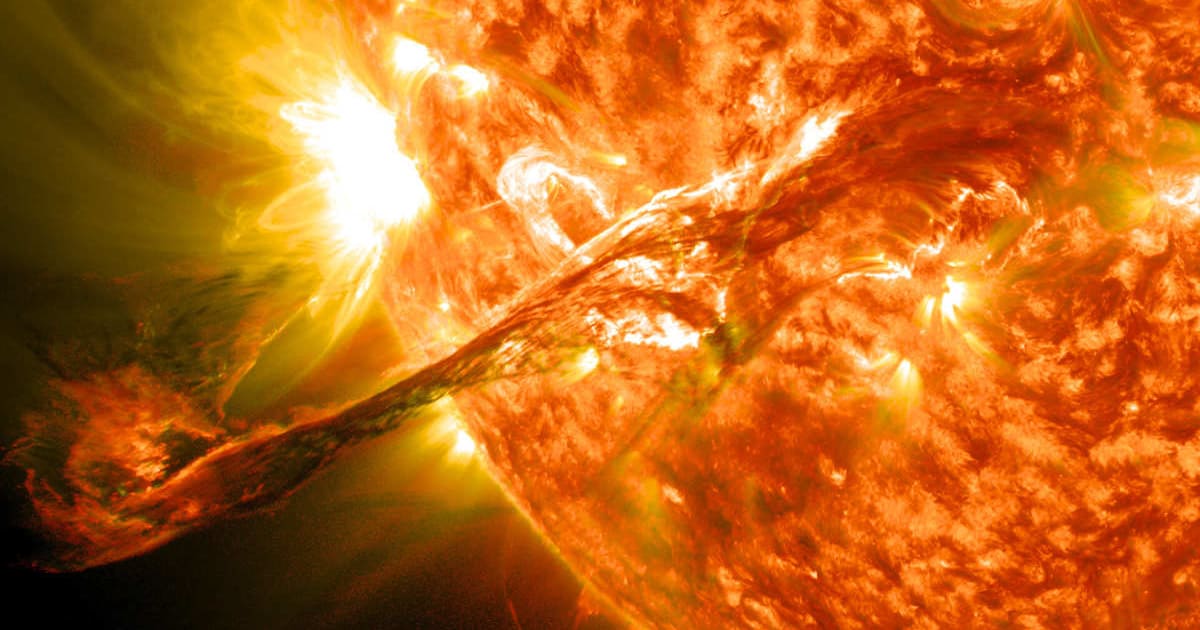
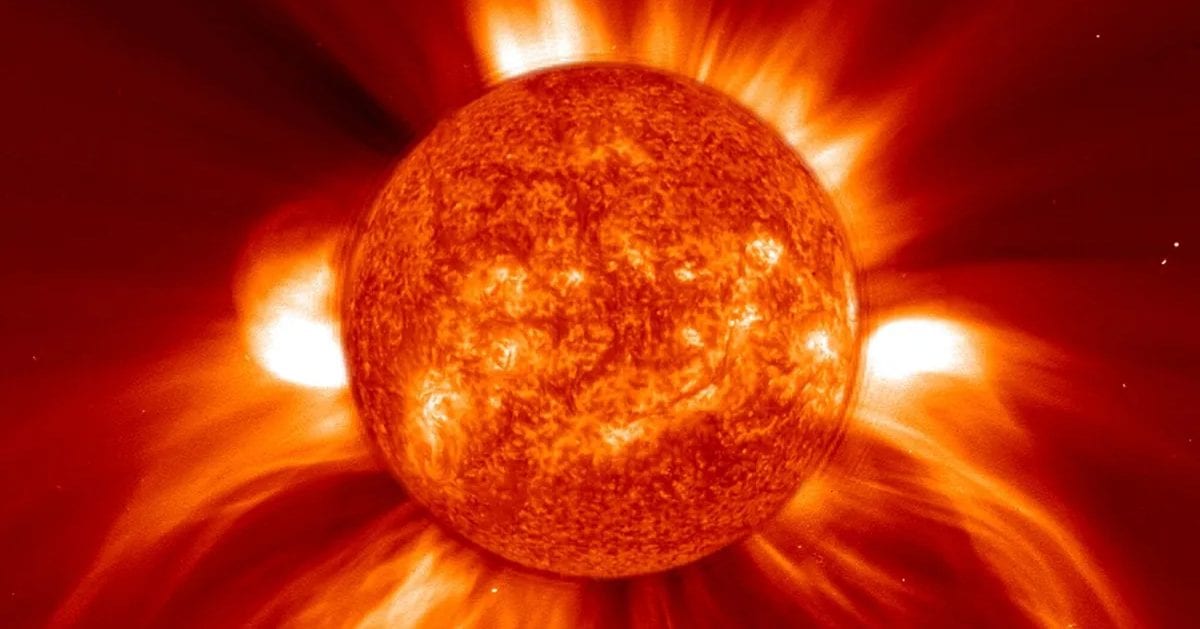
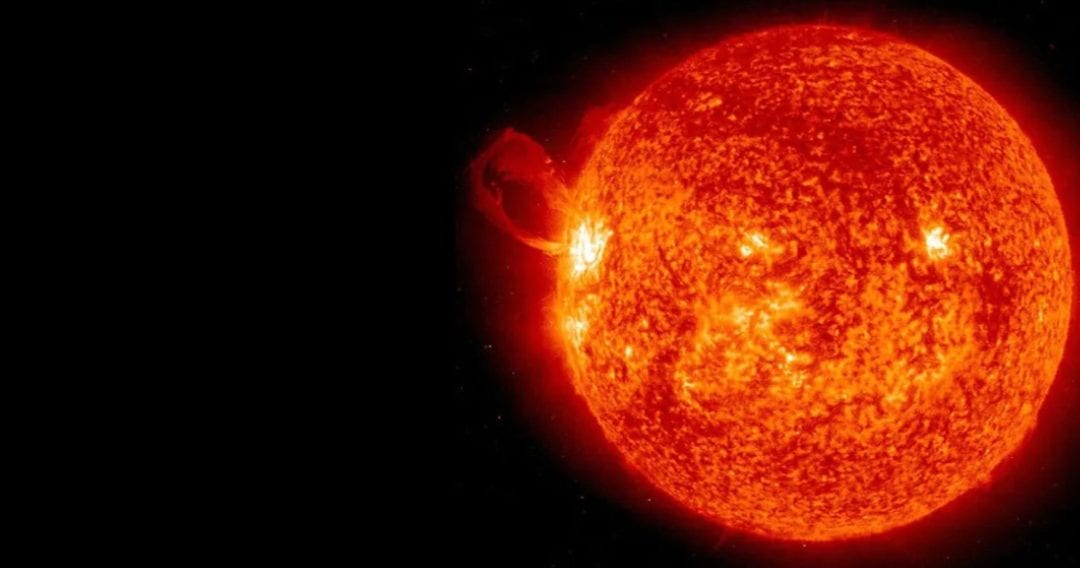
As their name suggests, coronal mass ejections (CMEs) are massive expulsions of solar plasma and magnetic fields from the Sun's corona (outer atmosphere). Containing billions of tons of coronal material, they travel at speeds of hundreds to thousands of miles per second in all directions in space. And when they reach Earth, they trigger geomagnetic storms while also increasing the chances of aurora visibility.
Origin of CMEs
CMEs generally originate in a process called magnetic reconnection. According to NOAA's Space Weather Prediction Center, it refers to when highly twisted magnetic fields—also called flux ropes—in the Sun's lower corona become too stressed and try to settle down into a more stable configuration. When this happens, electromagnetic energy is released in the form of a solar flare. This, in turn, pushes a cloud of solar plasma from the corona outward. In other cases, a solar prominence can also be the reason for a CME to occur. Solar prominences are enormous loops of solar material, each of whose ends is anchored to the Sun's surface. They can last for several days or even months, but some of them break apart, releasing CMEs.
Difference between a CME and solar flare
While CMEs are often associated with solar flares, the two events differ from each other in some key aspects. Flares are essentially giant explosions of energy and X-rays that travel at the speed of light, taking about eight minutes to reach Earth. CMEs, on the other hand, take between one and three days. While they are both eruptions, observatories see flares as flashes of light on the Sun and CMEs as eruptions spreading out into space (see the video embedded below).
How often do CMEs occur
Since the Sun periodically undergoes an 11-year-long cycle of varying levels of activity—called a solar cycle—the frequency of CMEs also changes. According to NASA, during periods of low activity, called solar minimums, CMEs are only observed about once per week. During periods of high activity, called solar maximum, the Sun releases an average of two to three CMEs every day.
How CMEs are observed
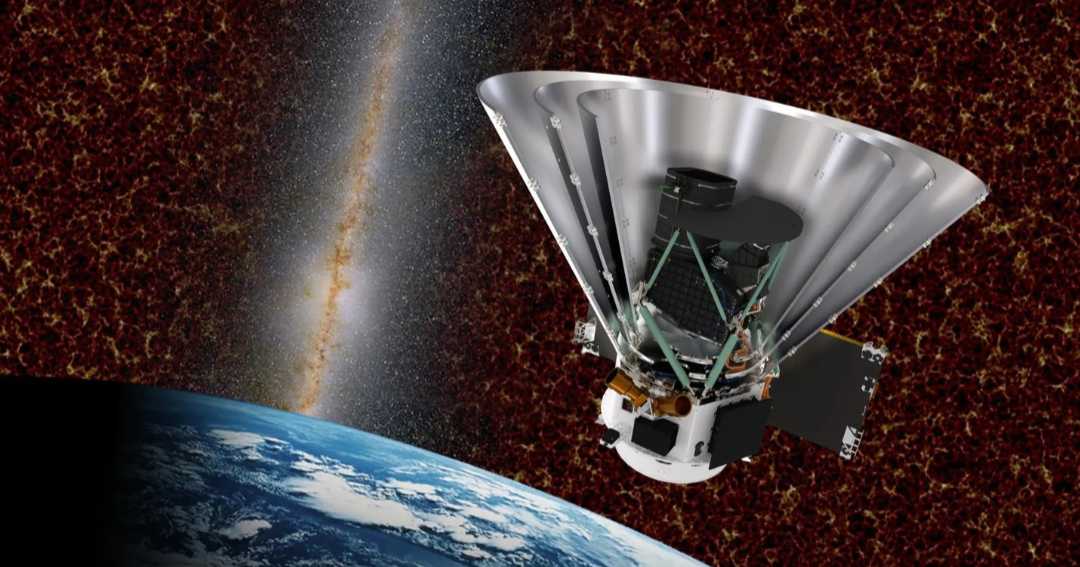
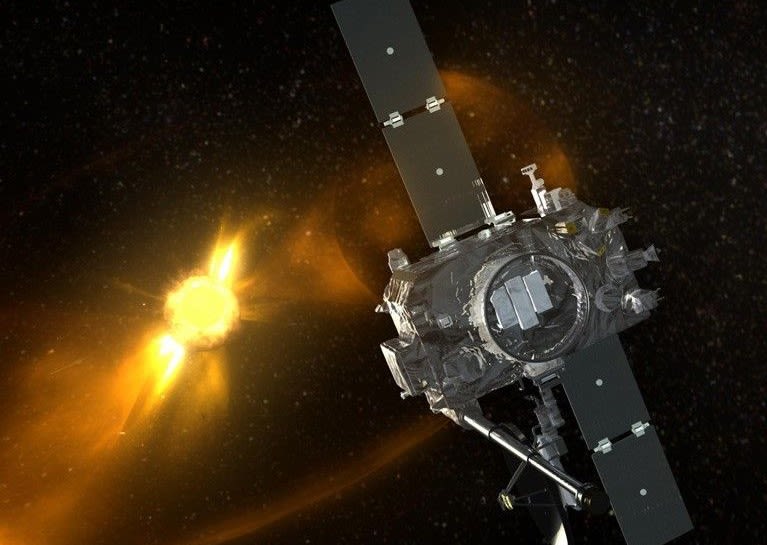
Forecasters have a number of space-based observatories at their disposal to track the size, speed, and directions of CMEs and determine the likelihood of Earth impact. These satellites, such as NASA's Stereo-A and SOHO (Solar and Heliospheric Observatory), are equipped with coronagraphs, which are instruments designed to block out the glare of the Sun so as to allow scientists to look at the corona, which is normally visible during solar eclipses.
Consequences for life on Earth
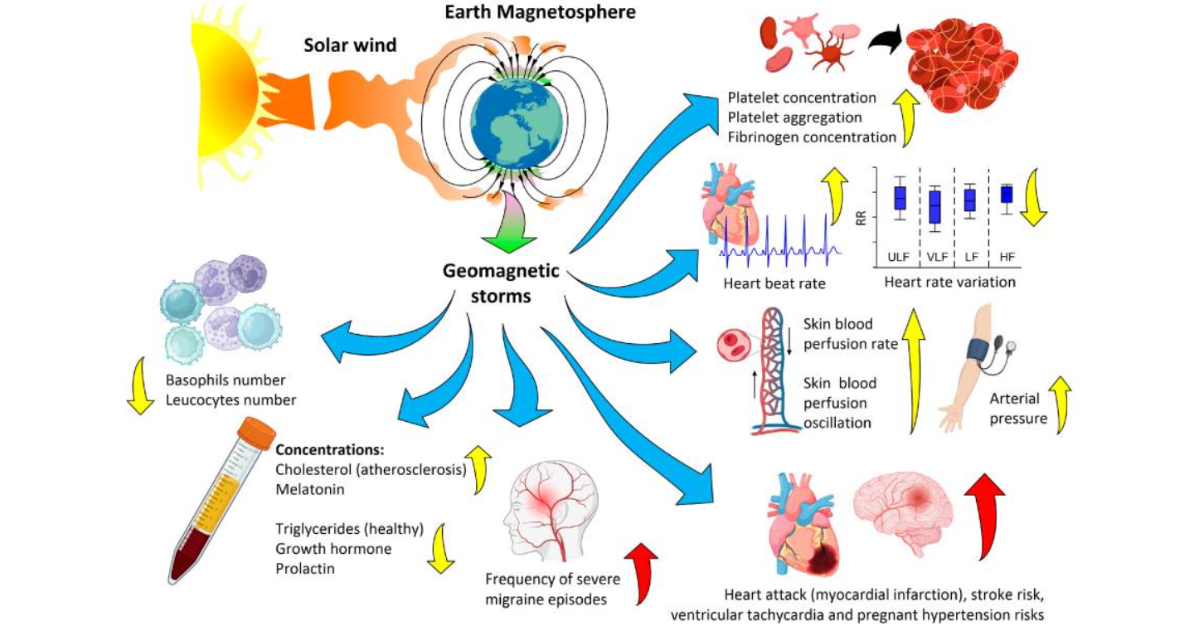
Earth-directed CMEs can trigger disturbances in the magnetosphere, triggering geomagnetic storms in the process. Depending on their intensity, they can trigger weak fluctuations in power systems to complete blackouts. And while we are protected from direct radiation by Earth's magnetic field, research suggests that disturbances within it can have an impact on the human cardiovascular system as well. Heart rate and blood pressure can also increase during geomagnetic storms, therefore increasing the risk of heart attacks and strokes. The likelihood of migraines has also been observed to increase during such events.
All that said, CMEs are not all bad, as they also increase the likelihood of auroras. When the fast-moving particles from CMEs collide with nitrogen and oxygen molecules in the upper atmosphere, they transfer energy onto them. When these molecules release this energy, each atom starts to glow in a different color, which we refer to as northern lights (aurora borealis) in the Northern Hemisphere and southern lights (aurora australis) in the Southern Hemisphere.
Impact on space missions
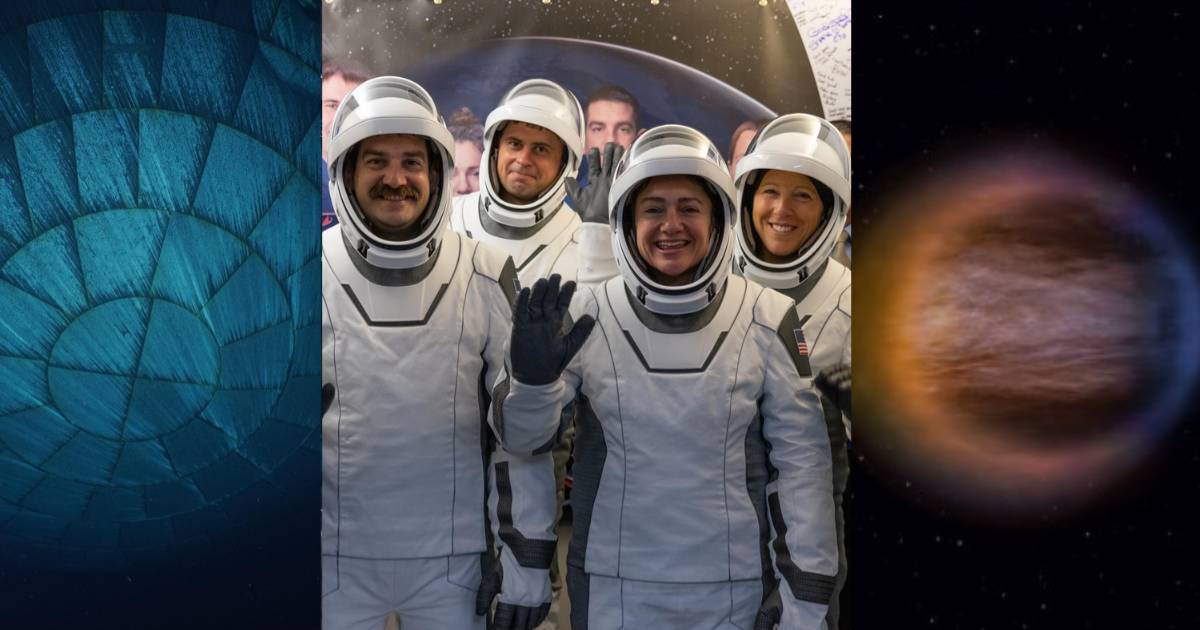
CMEs can be detrimental for satellite operations due to increased drag caused by the heating and expansion of the atmosphere. This is being experienced by the Neil Gehrels Swift Observatory, the consistent loss of whose altitude required NASA to commission a rescue mission. The increased radiation exposure during CMEs also causes technological malfunction. Naturally, this risk extends to crewed spacecraft and the humans inside them as well. With deep space travel beyond the safety of our Earth's shielding effects, health impacts such as radiation sickness need to be accounted for when designing prevention methods. During the Artemis II mission earlier in the year, the four astronauts aboard the Orion spacecraft were also trained to protect themselves from radiation.
More on Starlust
Highest-resolution images of solar flare and coronal loops captured by Inouye Solar Telescope
NASA's Parker Solar Probe gathers data from Sun's corona again, equals distance and speed records