What are geomagnetic storms? Do they pose a threat to us?
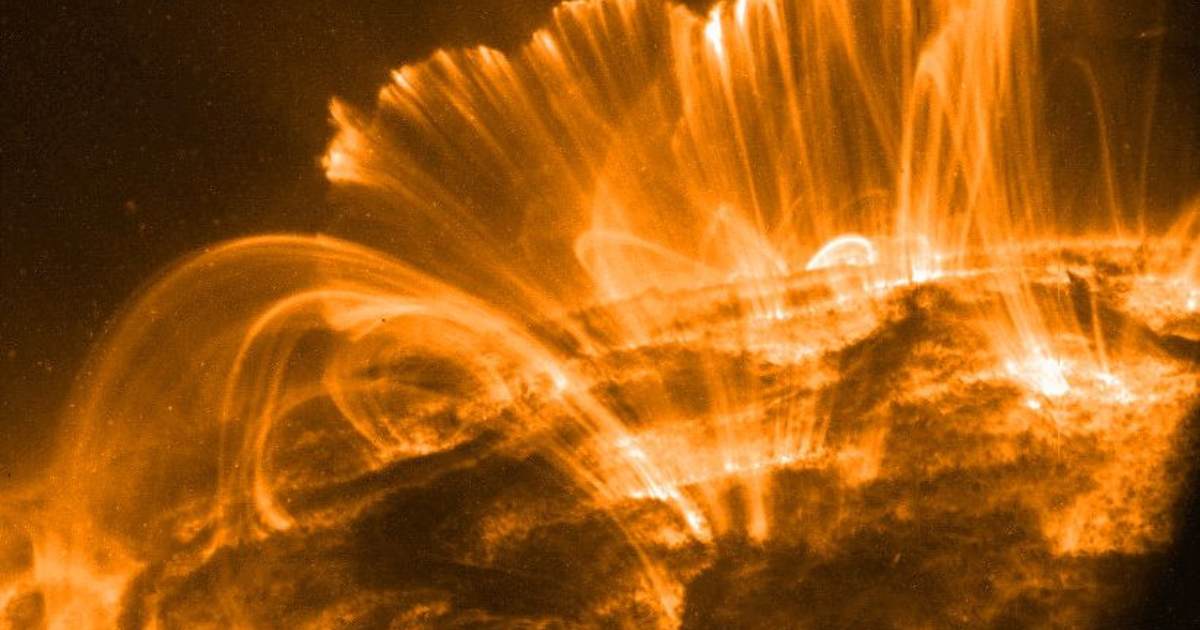
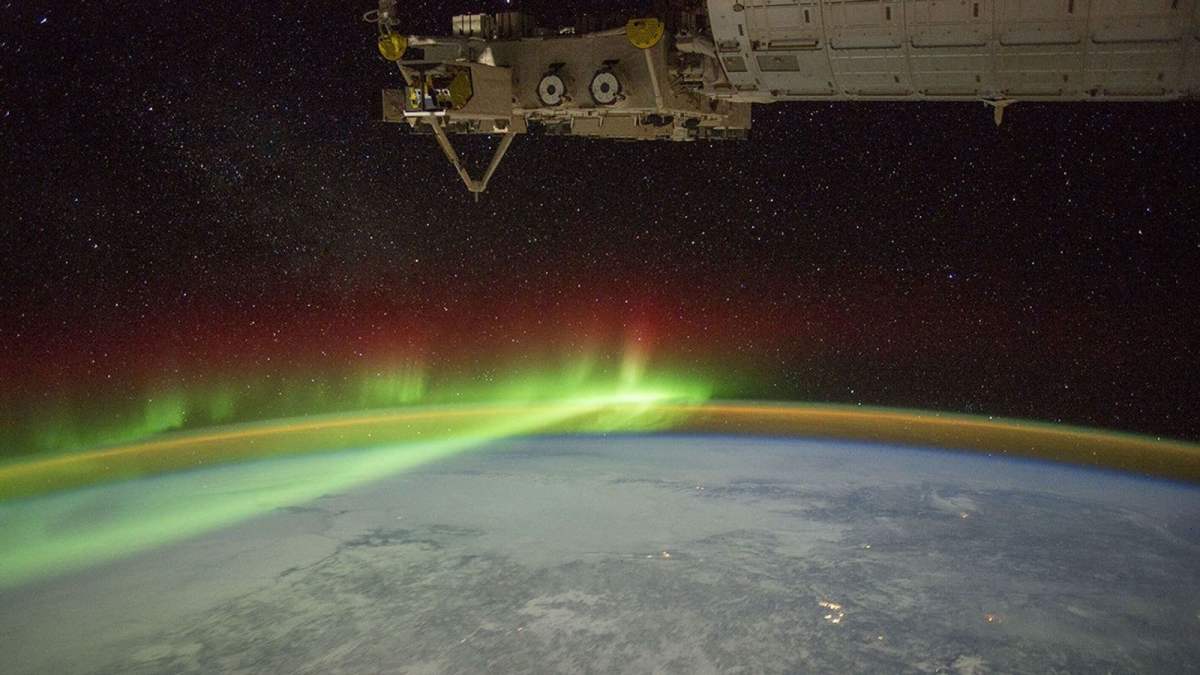
Geomagnetic storms are space weather events characterized by massive disturbances in Earth's magnetosphere caused by violent events on the Sun. These storms are a consequence of high-speed solar wind gusts or coronal mass ejections (CMEs), and cause a significant disruption in Earth's radiation belts and the ionosphere. The effects in certain layers of our atmosphere can affect the systems we rely on every day, and these events also pose radiation hazards to astronauts in space. Geomagnetic storms also create auroras—also called the northern and southern lights—a boon for skywatchers.
According to NOAA's Space Weather Prediction Center, the largest geomagnetic storms typically result from CMEs. These are eruptions of billions of tons of solar plasma, which send magnetized clouds of energetic solar particles our way. These particles travel at hundreds of miles per second, sometimes reaching Earth in as little as 15 to 18 hours all the way from our host star 93 million miles away. When this solar magnetic field interacts with our own, scientists use a scale that ranges from minor (G1) to extreme (G5) and a geomagnetic disturbance index (denoted by Kp) to characterize the storm. The resultant geomagnetic storm can last anywhere from a few hours to several days, wreaking havoc on both technology and, potentially, biology.
Effects on life on Earth
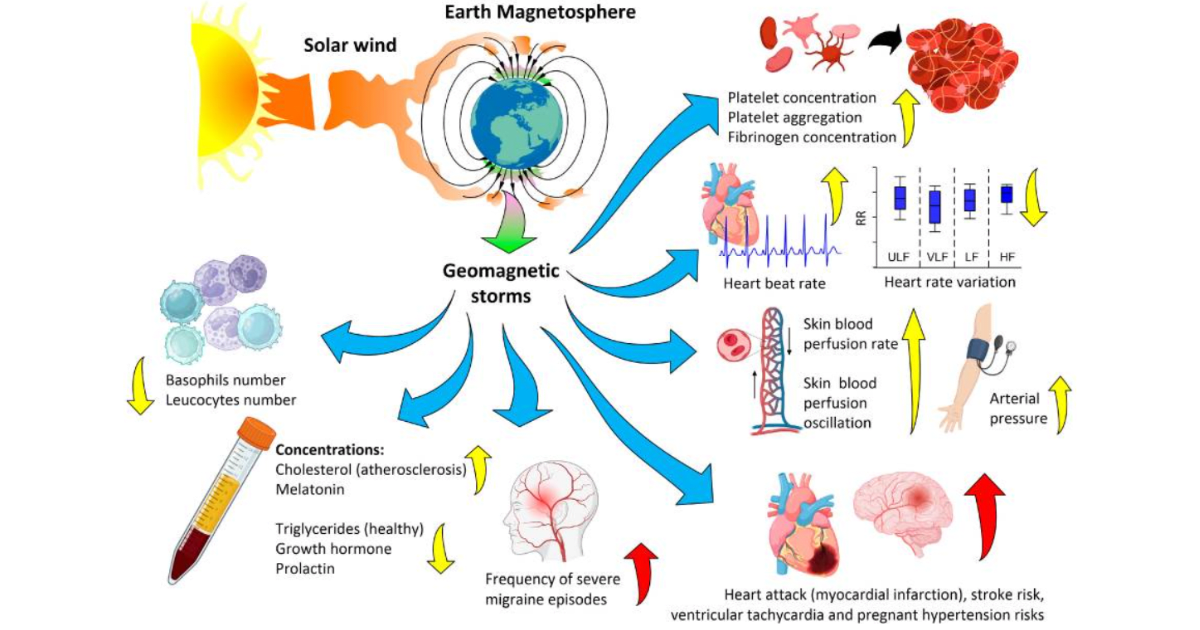
While Earth's magnetic field protects us from direct radiation, some research suggests that the resulting fluctuations in magnetic flux may have physiological effects on terrestrial organisms. Studies examining extremely low-frequency magnetic fields indicate an impact on the human cardiovascular system. During geomagnetic storms, platelet concentration and aggregation can reportedly increase, elevating the chances of coagulation and blood clots. Heart rate and blood pressure can both increase during these events, exacerbating the risk of heart attacks, strokes, and hypertension during pregnancy. Moreover, at a molecular level, research has observed a decrease in blood cholesterol levels in individuals with atherosclerosis, along with a reduction of triglycerides in healthy subjects. The likelihood of migraines has also been observed to rise during these periods of heightened geomagnetic activity.
Impact on infrastructure
While sudden radio blackouts are triggered by X-rays from solar flares ionizing the D-layer of our atmosphere, the geomagnetic storms that follow CMEs severely disrupt the upper layers of the ionosphere, also called the F-region. This turbulence causes density fluctuations known as scintillation, which hinders high-frequency (HF) as well as very high frequency (VHF) and ultra high frequency (UHF) communication. During geomagnetic storms, two ubiquitous systems that bear the brunt of the impact are navigation and electricity transmission. Global Positioning Systems (GPS) can experience severe positioning errors or loss of signal lock, while the shifting magnetic fields can induce chaotic geomagnetically induced currents (GICs) into power grids on Earth, risking widespread blackouts. Additionally, because of the heating of the atmosphere during geomagnetic storms, it tends to puff up and increase aerodynamic drag on satellites in low Earth orbit, rapidly degrading their orbits and reducing their lifespan.
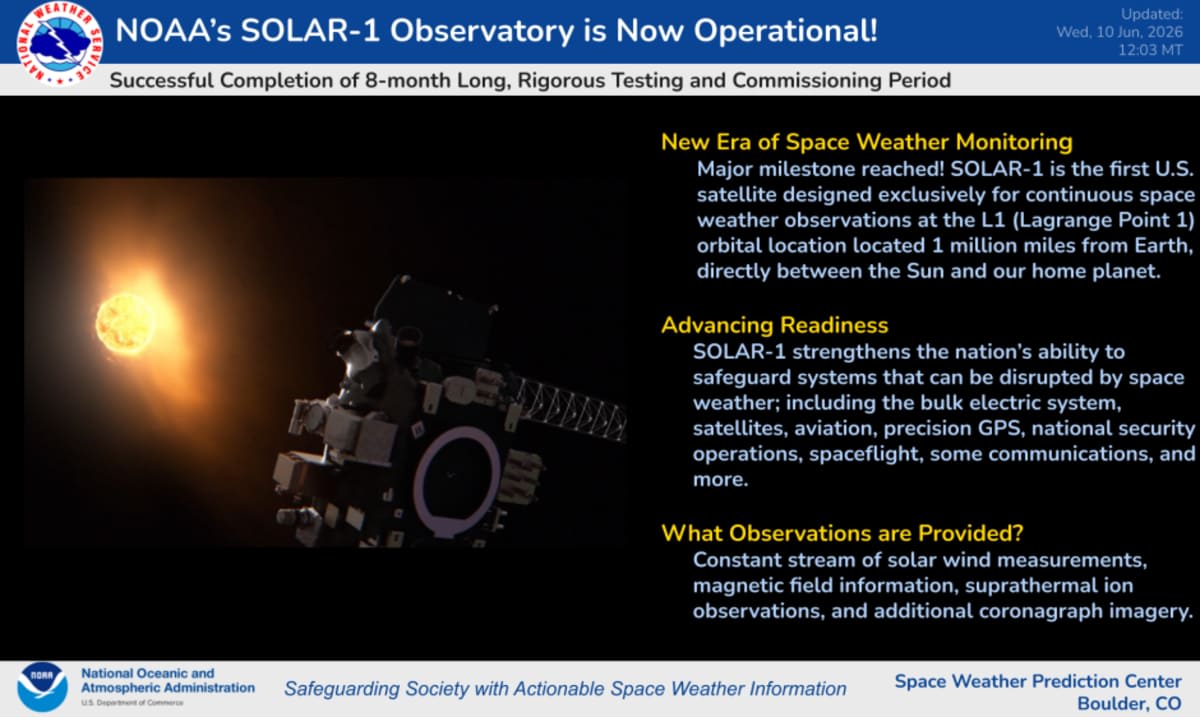
This was observed recently with the Neil Gehrels Swift Observatory, which suffered accelerated orbital decay after increased solar activity in the wake of the peak of Solar Cycle 25. According to researchers, despite all that we have learned about geomagnetic storms and their consequences, significant gaps in knowledge about how various systems--both biological and technological--are affected still exist. This means there is a critical need for better prediction models of solar events, a challenge that is being remedied with the help of newer spacecraft like NOAA's SOLAR-1 probe.
More on Starlust:
A coronal mass ejection from the Sun to reach Earth on August 7; auroras also a possibility
All about Sunrise III: Balloon-borne observatory whose data is providing fresh insights into the Sun