Scientists have created a simulation of the entire Milky Way down to individual stars, thanks to AI
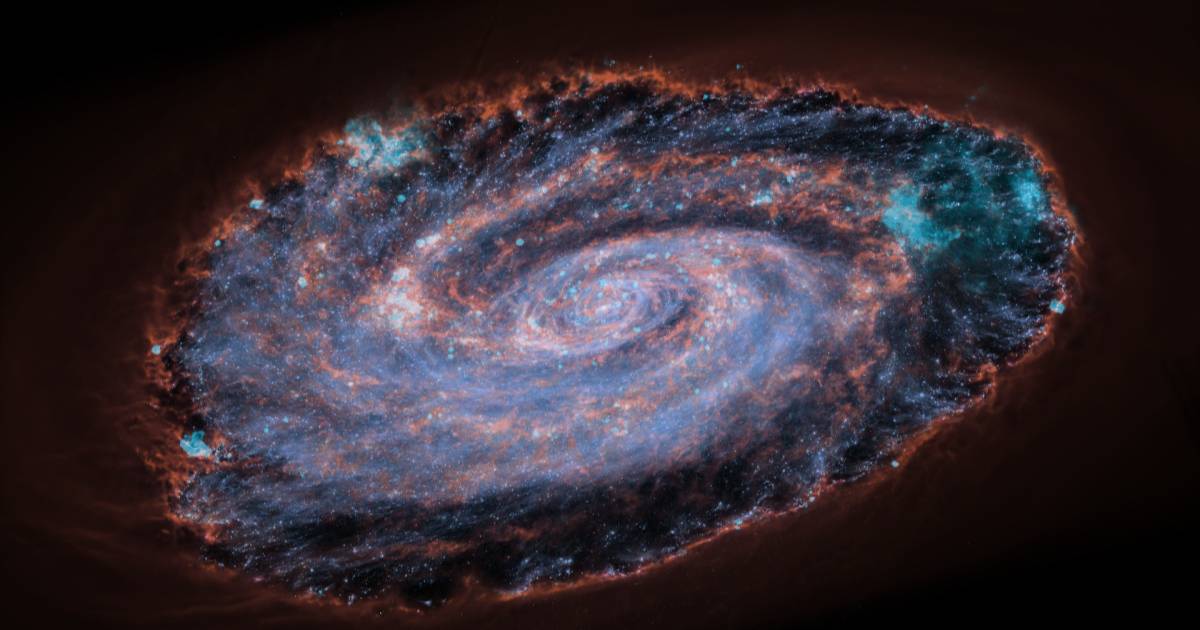
A new way of simulating the Milky Way is here. A team of researchers has developed a simulation called PHEASANT, which modeled our entire galaxy down to its individual stars using three of the most powerful supercomputers in the world and an AI-accelerated model. Their research paper was presented at the International Conference for High Performance Computing, Networking, Storage and Analysis (SC 2026), held from November 15 to 20, 2026, in Chicago.
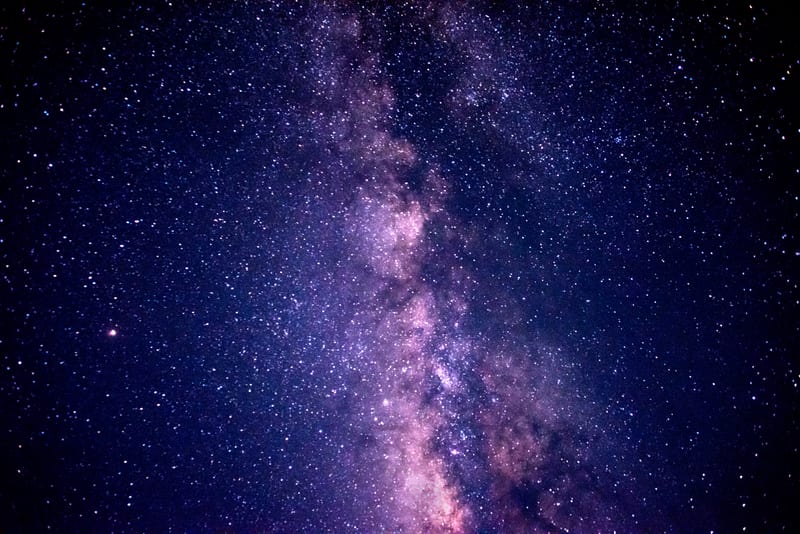
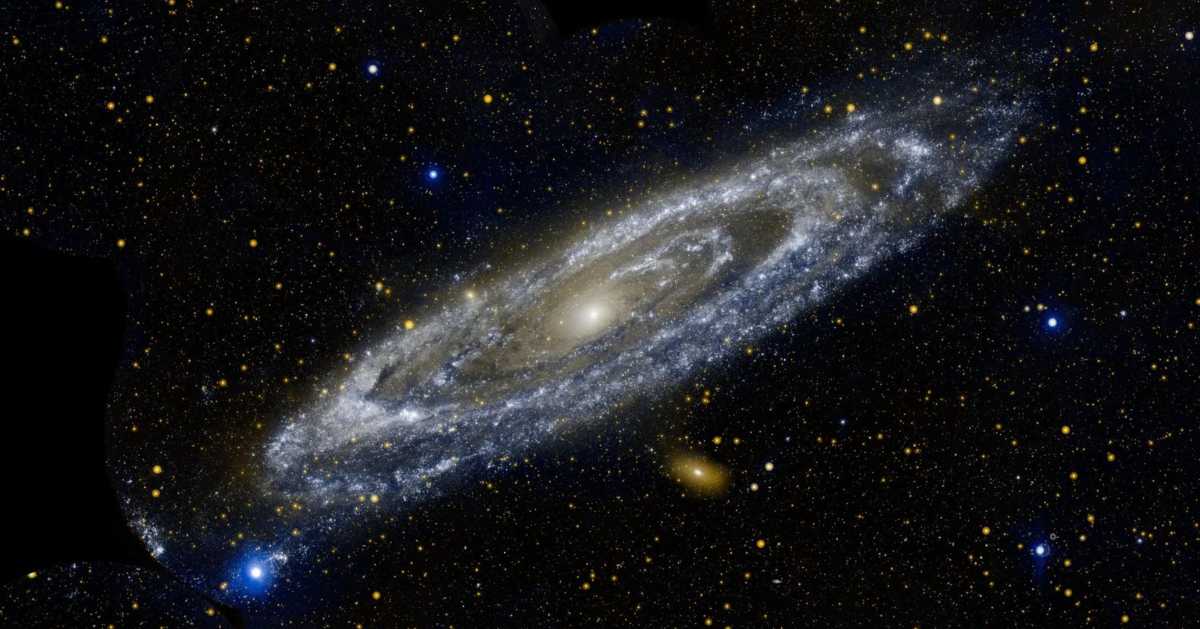
Goes without saying that it's not easy to simulate entire galaxies, especially the ones as big as our own Milky Way, which is around 100,000 light-years across and around 1,000 light-years thick. After all, besides hundreds of billions of stars, galaxies also contain gas and other materials that are constantly interacting with gravity, among other forces. So, simulating smaller regions in the Milky Way, where the gas is denser and undergoes rapid changes, increases the amount of calculation required because it needs to account for small developments in time. The team addressed this problem by using an AI model developed by postdoctoral researcher Keiya Hirashima from RIKEN, which predicts how gas around supernova explosions evolves.
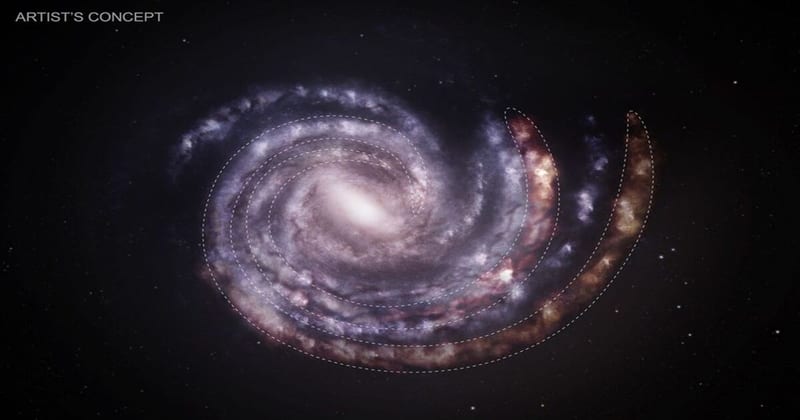
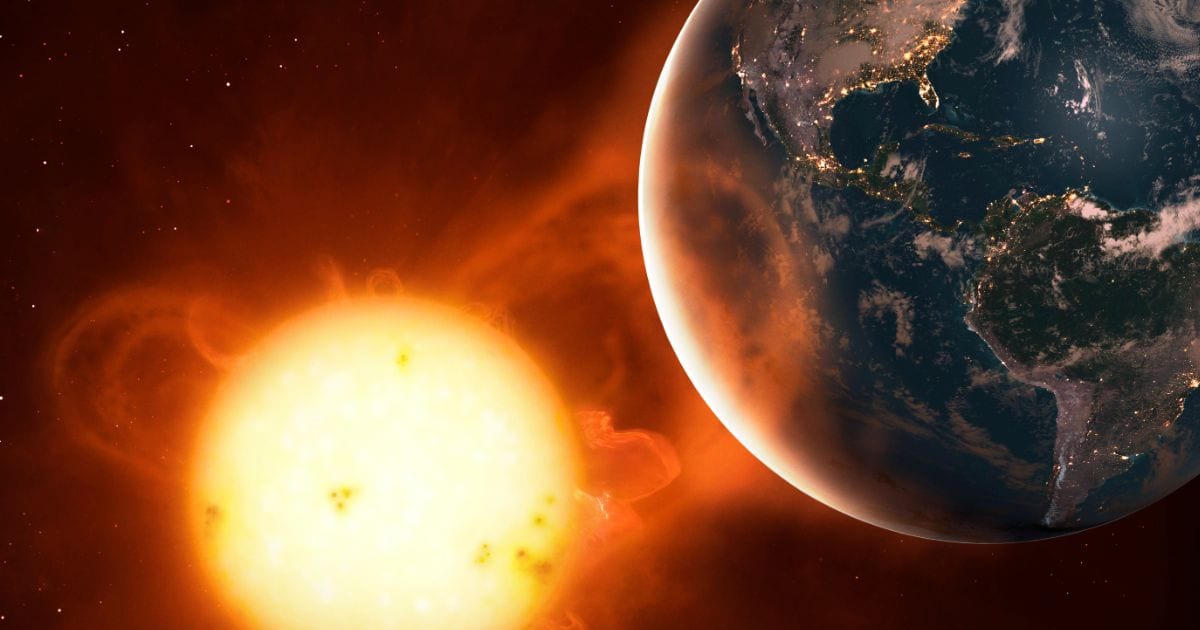
When a star explodes as a supernova, it releases a huge amount of energy. This energy heats the gas around the star and forces it to move away from the explosion site. The AI model built by Hirashima circumvents many of the small calculations that would need to be executed to simulate this process normally by predicting how the gas will change over time. This makes the simulation around 20 times faster, according to the researchers.
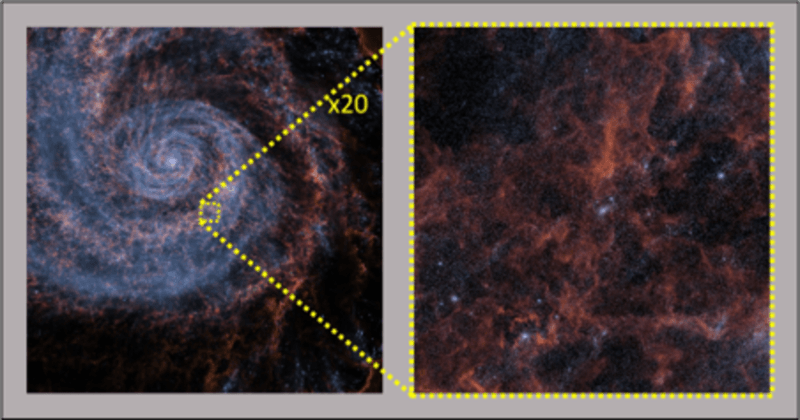
“One of my parts was to develop an AI model that predicts how the gas surrounding a supernova explosion changes over time. If we calculate this process directly, we need time steps of around 100 years,” said Hirashima in a statement. “My model predicts gas distribution after 100,000 years. This means that, rather than having to calculate every small step, we can use a much longer time step for the entire galaxy simulation.” Hirashima, along with some of the other authors on the recent paper, worked on a 300 billion-particle simulation of the Milky Way last year. PHEASANT, however, is far more extensive, covering 5.4 trillion particles.
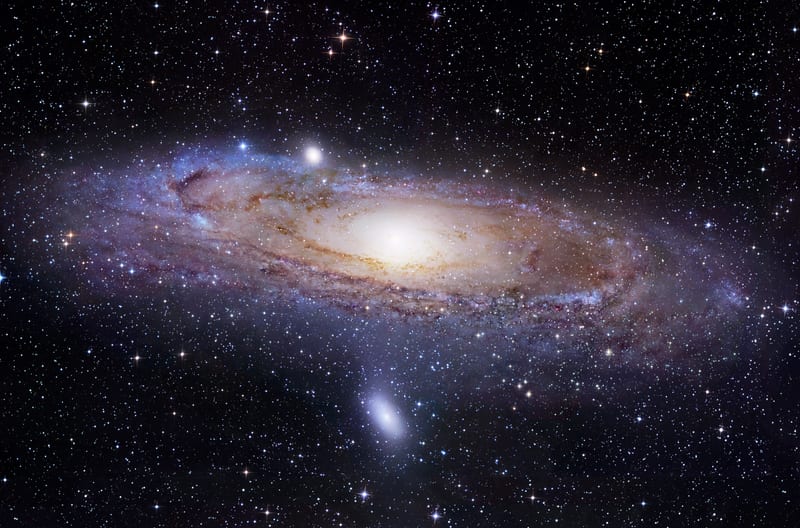
The influence of stars is felt beyond their immediate surroundings. For instance, when several stars explode as supernovae together, they create bubbles of hot gas that drive material out of the galactic disk while planting the seeds for the birth of new stars. Hence, a galactic simulation as detailed as PHEASANT can help researchers better understand the relationship between individual stellar events. “An important open question is how material moves around the Milky Way, from the disk into the surrounding halo and back again. Elements are produced inside individual stars, released into the interstellar gas and then mixed through the galaxy before becoming part of new stars,” said Hirashima. "With this simulation, we can follow the circulation of material directly."
More on Starlust
A unique system of four stars reveals a series of eclipses astronomers have never seen before
A planet disappeared without a trace this year. Scientists now know what happened