Scientists verify iconic M87* image, the first ever photo of a black hole, proving Einstein right
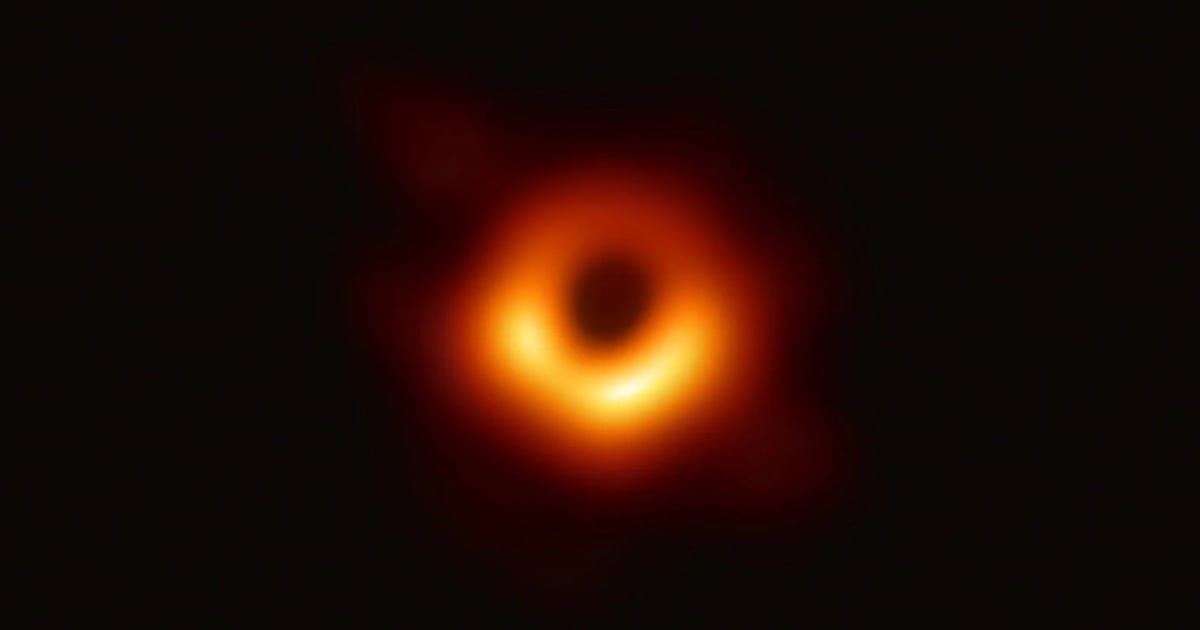
A team of Australian researchers has just validated the first-ever image of a supermassive black hole, which was captured by a huge network of telescopes called the Event Horizon Telescope (EHT) and released in 2019. This validation, in turn, also confirms that Einstein was right—specifically, that the predictions made by the general theory of relativity, proposed by Einstein in 1915, continue to hold up.
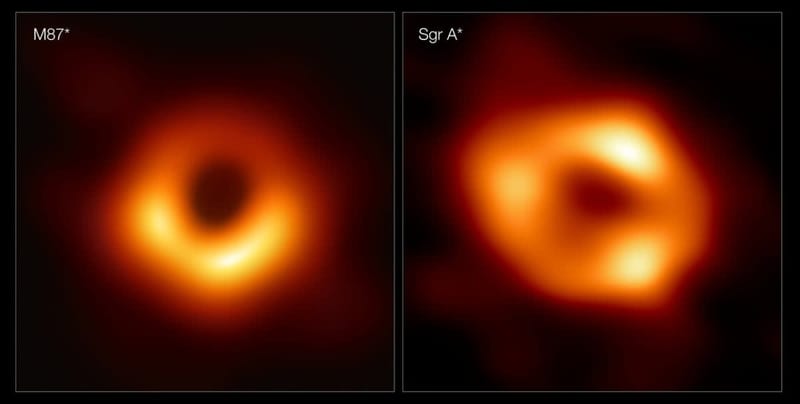
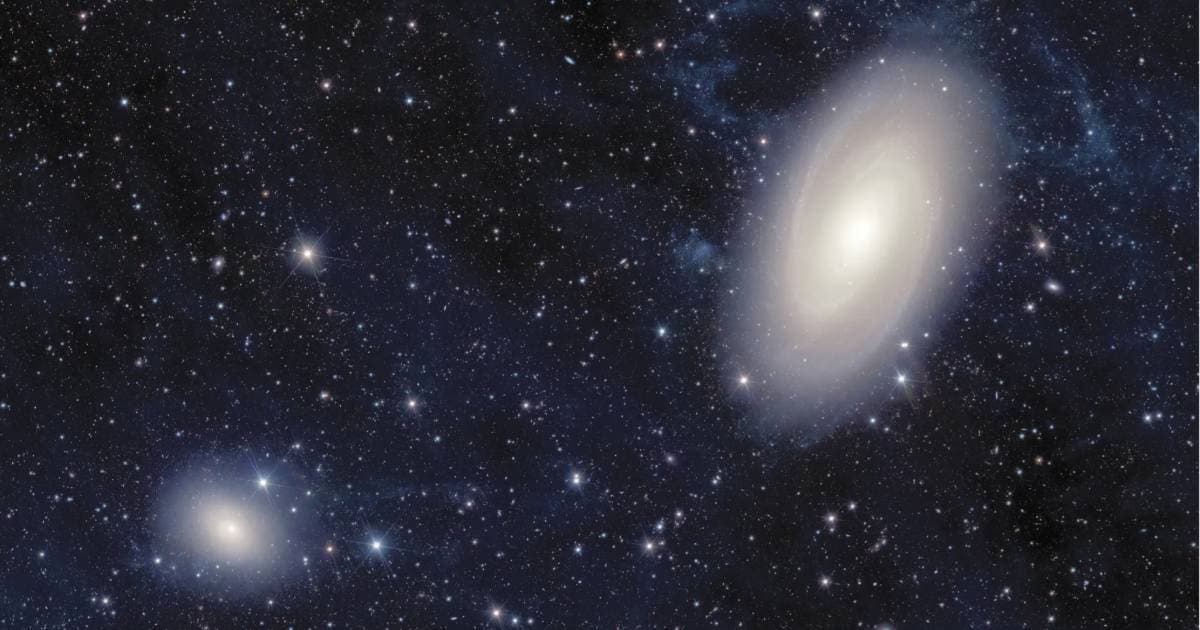
The research team from CSIRO, Australia's national science agency, devised an advanced machine-learning model called GenDIReCT to verify the iconic 2019 image of the black hole. This black hole has a mass of about 6.5 billion times that of the Sun and is located at the center of the Messier 87 (M87) galaxy, around 55 million light-years away from Earth. The black hole is designated M87* and the release of its image at that time was a groundbreaking achievement, providing the first direct picture of a black hole’s shadow.
The study findings, published in Nature this month, demonstrate a novel approach to processing the EHT observations that minimizes the impact of calibration errors and subjective image-processing decisions—an issue that scientists have faced for decades. In this regard, CSIRO astronomer and project leader Dr. Nithyanandan Thyagarajan applied his prior experience in resolving similar issues while working on synchrotron experiments. Consequently, the model in this study was applied to extract data on the structure of the black hole while filtering out interference from Earth's atmosphere. This interference occurs because the EHT observed M87* through Earth's atmosphere.
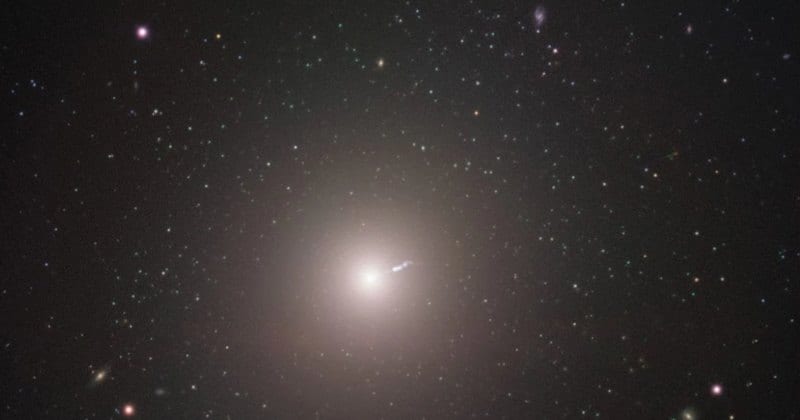
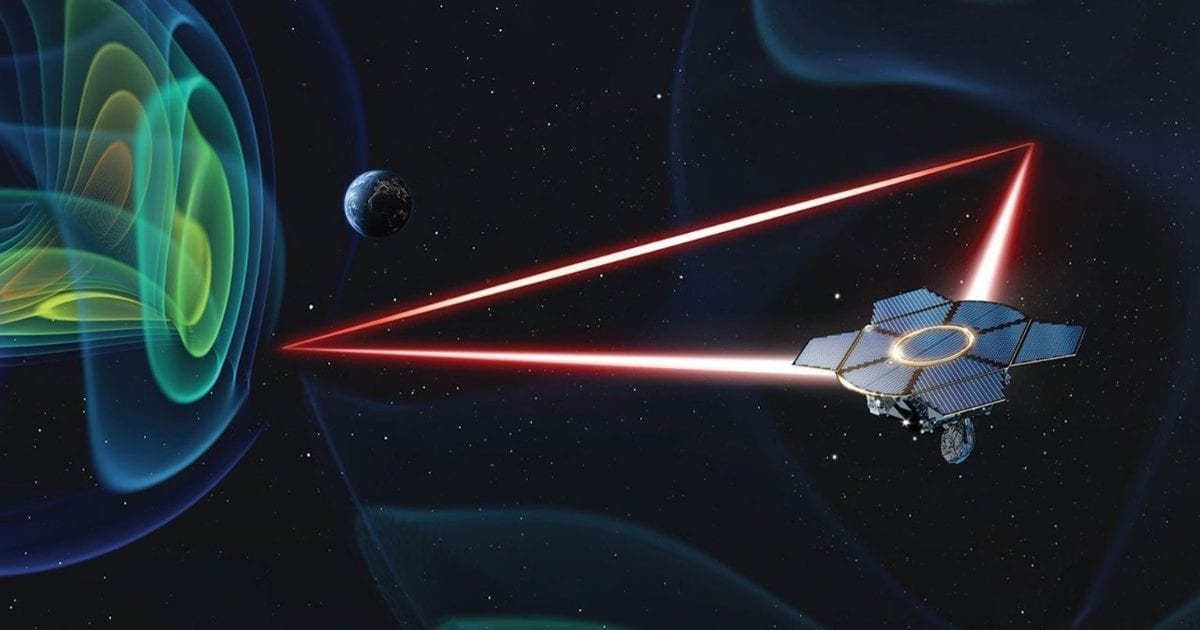
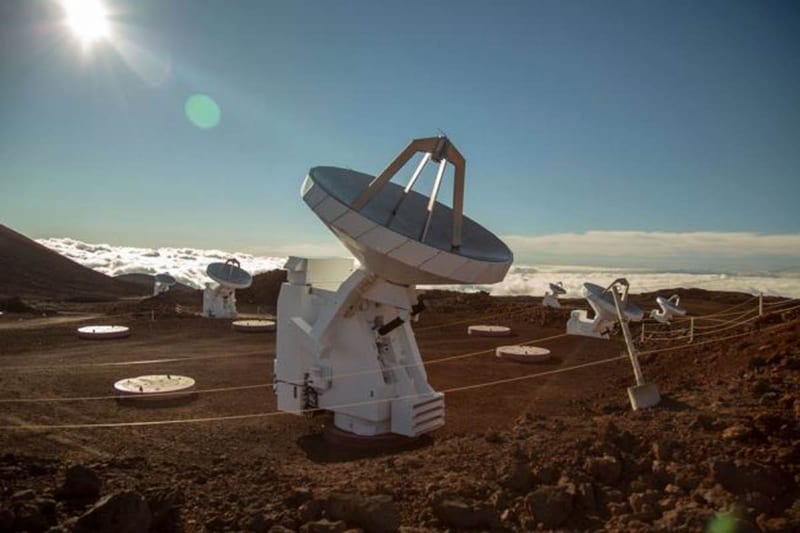
The model also took into account the biases resulting from combining telescopes into an interferometer the size of the Earth, as in the case of EHT. “In order to image certain astronomical objects like distant black holes, we need very big telescopes, which isn’t practically possible. So, groups like the Event Horizon Telescope Collaboration connect telescopes across the globe to mimic a telescope the size of the planet, a technique called very long baseline interferometry,” Dr. Thyagarajan said in a statement released in CSIRO's official announcement. “Creating an image this way is tricky and can introduce errors and biases that could lead to questions about the accuracy of the image. Our technique combines triplets rather than the standard pairs of telescope data to eliminate those errors.”
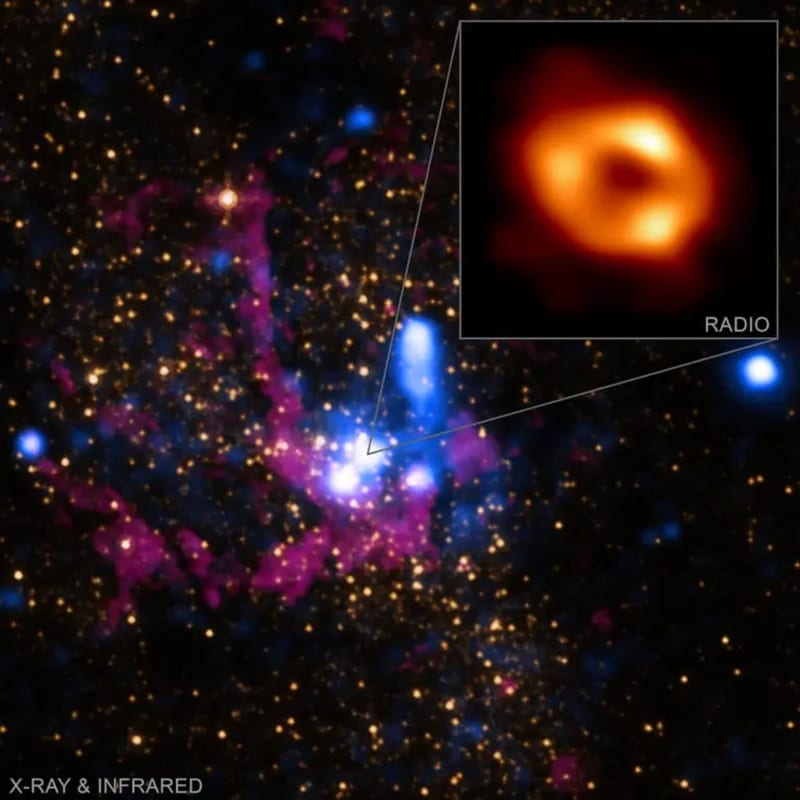
CSIRO astronomer Dr. Samuel Lai, the study's lead author, elaborated on the hurdles faced while recording a black hole located that far away. “It is like standing in your backyard and trying to take a photo of a doughnut on the Moon,” Dr. Lai said. Explaining how the team applied the machine learning technique to the EHT data, he stated, “When we applied it to the original Event Horizon Telescope dataset, we found a black hole almost identical in size and shape as the historic EHT image."
What's more impressive is that the developed model had no information regarding the structure of a black hole. Nevertheless, the model was able to produce a ring that closely matches the one surrounding M87's massive black hole, which is indeed remarkable. These results reinforce the belief that the ring around M87's black hole is a real astrophysical attribute rather than an anomaly resulting from the reconstruction of the image. As Dr. Lai said, "Importantly, our model had no idea what a black hole looked like when we applied it to the M87 data. This is the first truly independent validation of the EHT image, an important step in the scientific process.”
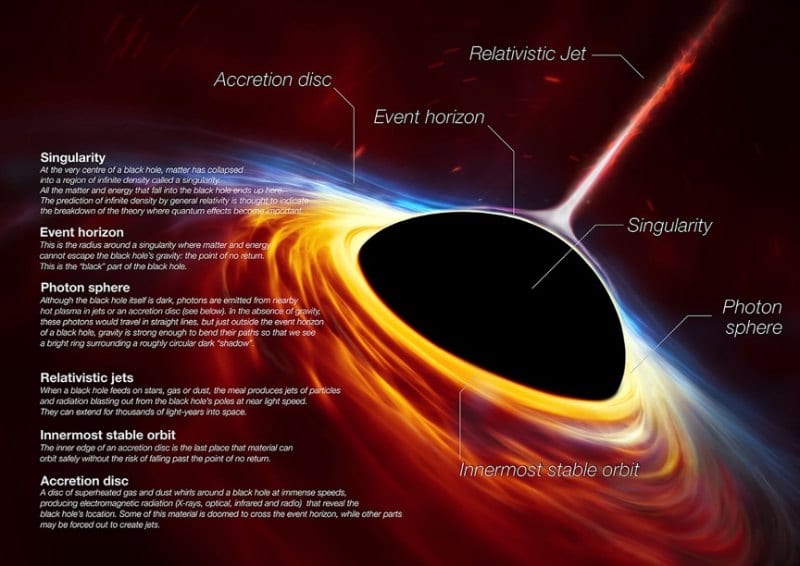
Furthermore, when astronomers first viewed the M87* image in 2019, they found, to their surprise, that the image verified predictions obtained from Einstein's general theory of relativity. For context, the general theory of relativity proposed that massive bodies distort the fabric of space and time, resulting in gravity from this curvature. Consequently, scientist Karl Schwarzschild solved Einstein's equations and uncovered the math behind an infinitesimal point having finite mass crushed to infinite density, generating unrestrained curvature and a singularity. A spherical boundary encloses this area—a boundary that even light cannot escape. The radius of this boundary is referred to as the Schwarzschild radius, and the boundary itself was identified as the event horizon of a black hole. The theory of general relativity also predicted how gravity bends light around the event horizon, producing a ring of superheated plasma framing the black hole's dark shadow.
More on Starlust
Astronomers just confirmed the first black hole star: "We’re seeing pure black hole star light"
Contrary to popular belief, the birth of a black hole can be a bright, noisy affair