Moon landers for Artemis III: SpaceX, Blue Origin provide progress updates at NASA event
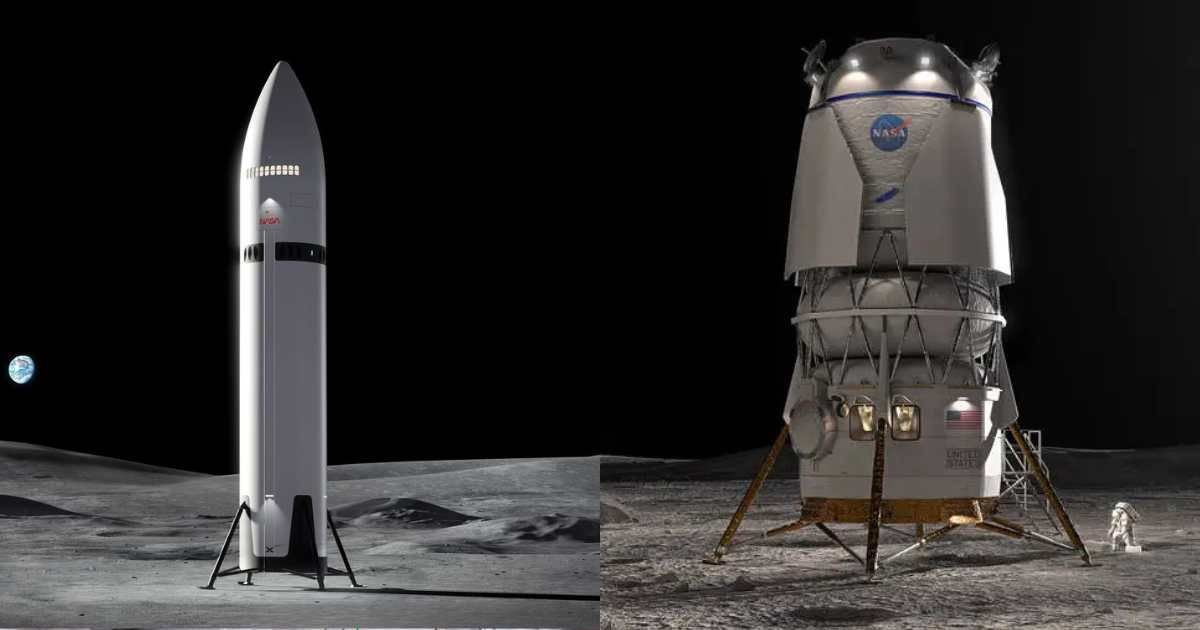
NASA's Artemis III crew announcement event at the agency's Johnson Space Center on June 9, 2026 delivered more than just a roster of astronauts—it provided important updates on the commercial Human Landing Systems (HLS) that will make the mission possible. Executives both SpaceX and Blue Origin shared timelines and hardware progress that will dictate the pace of America's return to the Moon. SpaceX's Jessica Jensen detailed a major shift in mission plans for the Artemis IV lunar landing, ditching lunar-orbit docking in favor of an Earth-orbit rendezvous to lower risk. Blue Origin's John Couluris also addressed the elephant in the room—the recent explosion of a New Glenn rocket on the launchpad—while providing updates intended to reassure those eager to see Artemis III launch as per schedule in 2027.
Get ready for Earth joy!
— NASA (@NASA) June 10, 2026
Earlier today, we announced the four astronauts who will go to space on Artemis III —and shared the latest updates on the future of @NASAArtemis.
Learn more about how this mission will set us up to return humanity to the Moon: https://t.co/kAvzvuYzEw pic.twitter.com/taD2lCdYiC
Blue Origin updates
Couluris, senior vice president of lunar permanence for Blue Origin, stated that manufacturing is well underway on the Artemis III Mark 2 lunar crew module. He highlighted that active development of critical hardware—including the storable reaction control system, docking mechanisms, and the environmental control and life support systems required to keep the Artemis III crew alive—was well underway. "We expect to complete the vehicle for Artemis III and be ready for launch in 2027," Couluris assured. Artemis III is currently slated as an Earth-orbit rehearsal rather than a lunar landing, allowing Blue Origin to test its BE-7 engines in the vacuum of space. This will provide crucial data before the Jeff Bezos-owned company attempts a crewed lunar landing later in the decade. "NASA and Blue Origin will demonstrate rendezvous, docking, hatch operations, ingress, and life support systems in low Earth orbit. This will allow the crew to gain familiarity with our lunar crew module and even practice operations such as suit donning in zero gravity," explained Couluris.
Introducing Artemis III.
— NASA (@NASA) June 9, 2026
Four astronauts. Three launches. Two dockings. One splashdown.
In 2027, the Artemis III mission will practice docking the Orion spacecraft with two lunar landers in low Earth orbit — the capability we need to return humanity to the Moon’s surface. pic.twitter.com/8uhMUxuuWX
Commenting on the May 28 NG-4 explosion, Couluris said that the company is making "excellent progress" on both launchpad cleanup and the investigation into the anomaly that caused the blast in the first place. He pointed to the ongoing reconstruction at Launch Complex 36 (LC-36) at the Cape Canaveral Space Force Station. "Blue Origin is very motivated to be part of the journey of returning humans to the Moon. We’ve re-doubled our efforts and are moving forward," added Couluris, citing "extraordinary" support from NASA and commercial partners. Currently, all New Glenn flights remain grounded pending clearance from the Federal Aviation Administration (FAA)—a regulatory hurdle that must be cleared before any Blue Moon vehicles can reach orbit.

SpaceX Starship HLS updates
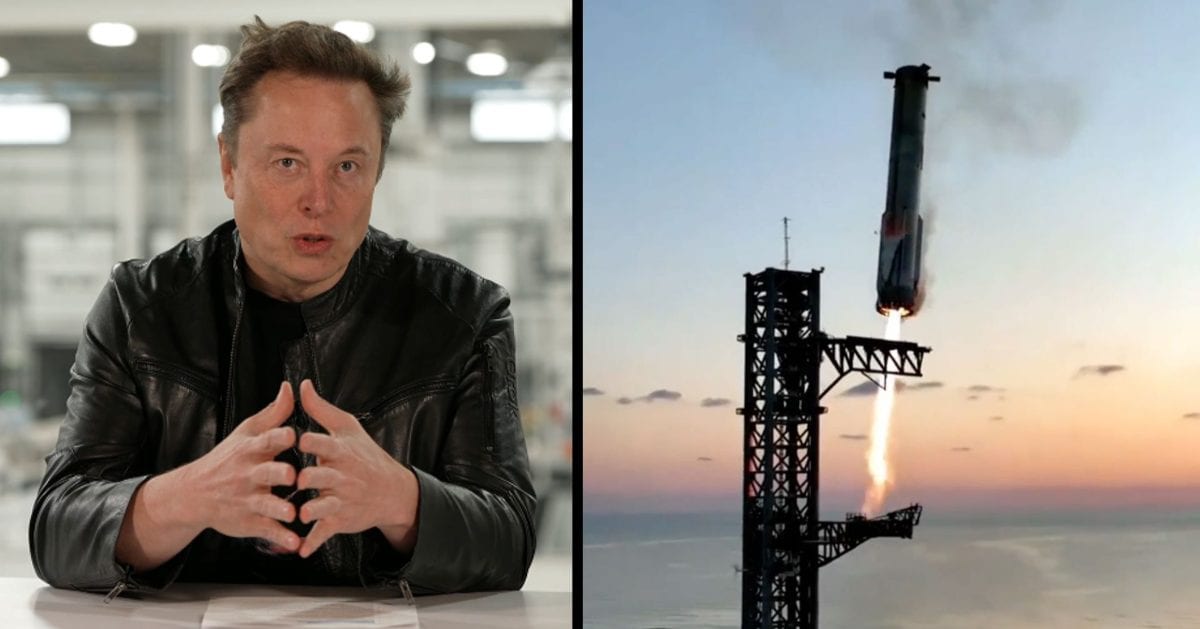
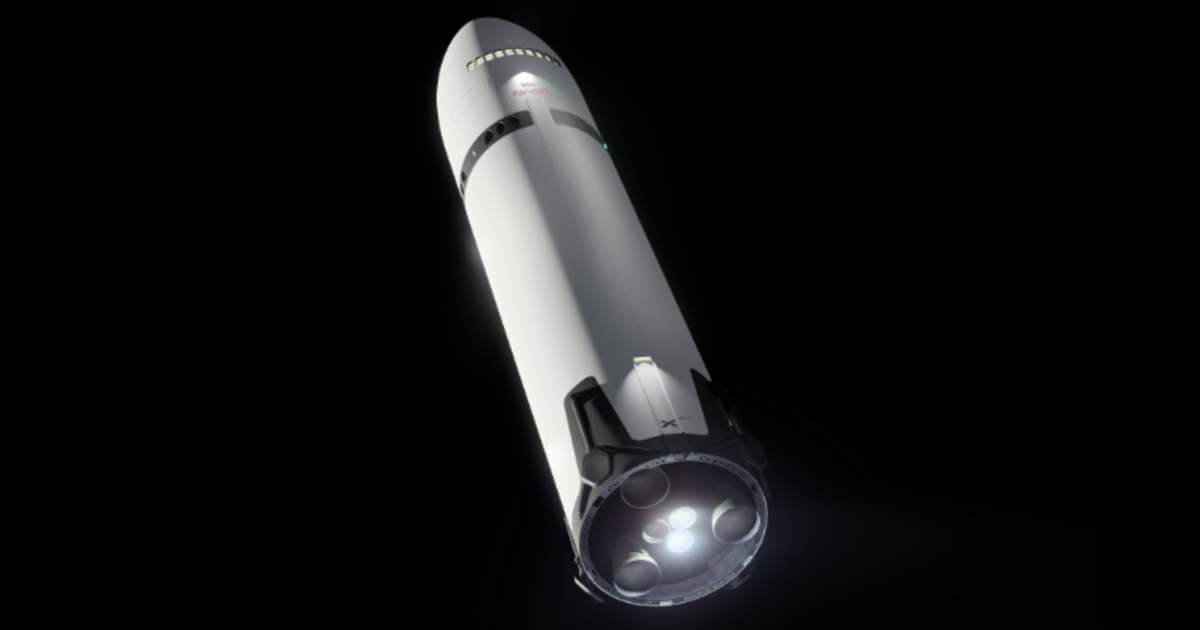
SpaceX's Jessica Jensen, vice president of Customer Operations and Integration, confirmed that the Artemis III Starship test vehicle will be an off-the-line Starship V3 equipped with a docking adapter. She also detailed some of the technology that will accompany the HLS vehicle to space, and why it can be relied on. "Our HLS design and operations leveraged years of proven experience from our NASA crew and cargo missions to the space station, from our high flight rate on Falcon 9, which is currently once every two and a half days, and from reusability of Falcon fairings and boosters. Additionally, the docking hardware we are using for HLS is nearly identical to what we use currently on Dragon, and many of the rendezvous and proximity sensors that we’re going to use for prop transfer and HLS, have been flying on Dragon missions for many years", said Jensen.

Jensen also stated that the first flight-fidelity Starship HLS cabin is under construction at the company's Texas-based facility known as Starbase. "The primary structure is assembled and prepared to be outfitted with key functional systems like avionics, power, life support systems, and more to come in the next few months," she said. Looking ahead to SpaceX's uncrewed lunar landing demonstration—a mandatory milestone before putting humans on board—she confirmed that the spacecraft will handle the descent and touchdown on the Moon completely autonomously.
Updates related to the Artemis program as a whole
Zooming out to the broader needs of the Artemis program, Couluris stated that multiple landers with individual serial numbers are currently moving through the factory. "Mark 1 serial number 1 testing will conclude soon and will be ready for launch this year", declared Blue Origin's Senior Vice President of Lunar Permanence. This uncrewed spacecraft, dubbed Endurance, is set to touch down in the lunar south polar region in the upcoming Moon Base I mission this fall. Meanwhile, SpaceX is actively developing its critical in-space ship-to-ship propellant transfer technology using the Starship V3 architecture. This capability, which is required to refuel a lander in Earth orbit before sending it to the Moon, will be demonstrated in space later this year. "We are currently building several ships and boosters in parallel at Starbase, and we are actively building three more [Starship] launchpads in Florida and Texas. We believe this, combined with full reusability, is going to lead to unprecedented launch rates, and achieving aircraft-like operations, which has always been our goal", Jensen noted, reflecting on SpaceX's expanding infrastructure.
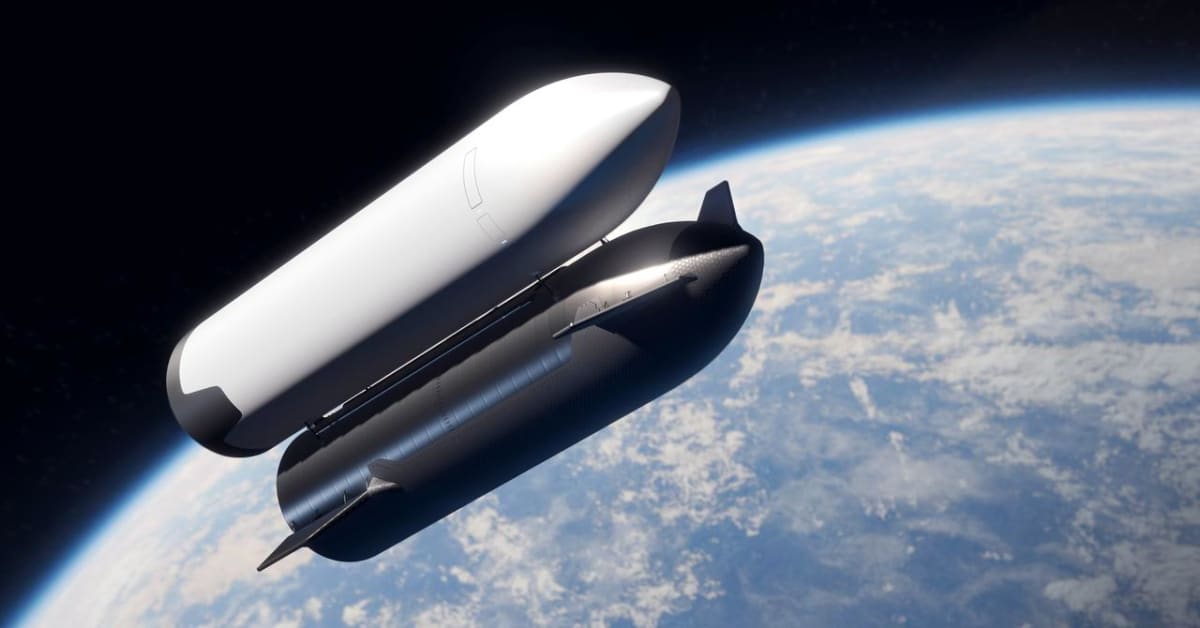
Finally, Jensen detailed a massive operational shift for the Artemis IV lunar landing mission. "We have an updated plan with NASA that includes docking Starship with Orion in Earth orbit instead of NRHO (Near-rectilinear halo orbit) and then we use Starship to actually do the translunar injection with Orion attached", she explained. This orbital geometry change is a massive upgrade for crew safety. NRHO is a highly elliptical orbit with a roughly six-day period; if a crew encounters an emergency on the lunar surface, they might have to wait days for the orbital alignment required to launch, abort, and rendezvous with Orion. By leveraging Starship’s massive fuel capacity to perform the translunar injection, Orion can instead be placed into a Low Lunar Orbit (LLO). Because LLO has a period of just two hours, astronauts can abort off the lunar surface and reach safety at almost any time. "This approach improves crew safety by first conducting the critical docking event in Earth orbit, just like we’re gonna practice on Artemis III, and the crew can also abort off the lunar surface nearly any time versus waiting up to days from NRHO," Jensen said. She echoed the sentiments of many of the speakers at the event, wrapping up her address with: "We are incredibly excited to help return humans to the Moon once again, and this time to stay."
More on Starlust
How NASA's Artemis III mission differs from Artemis I, II and Apollo 9