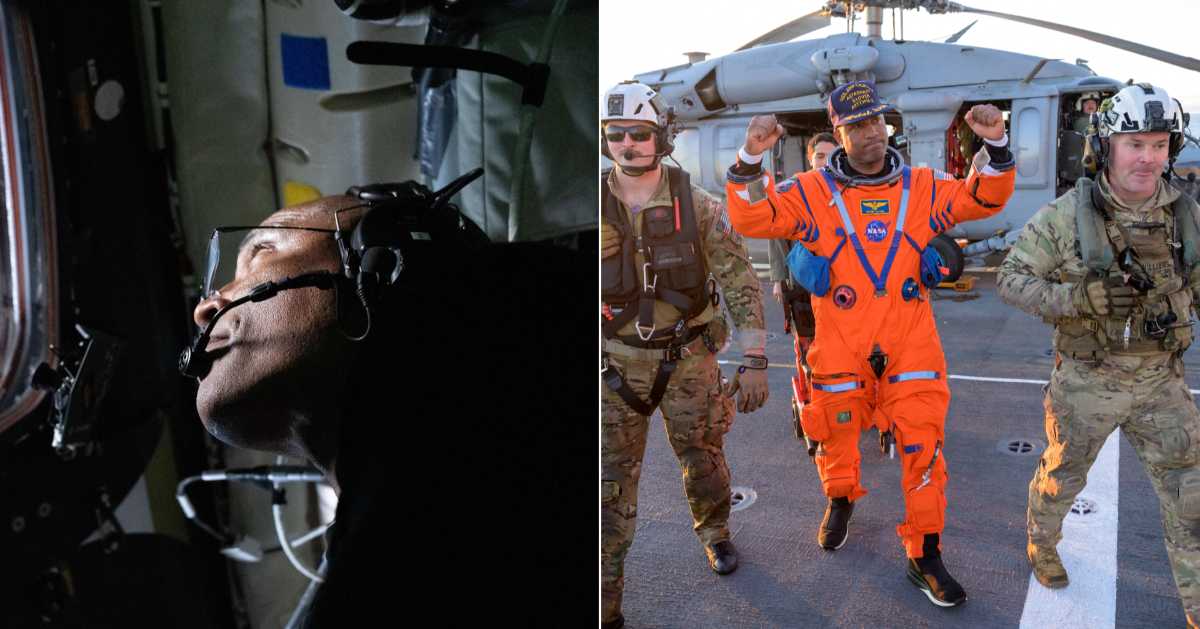
Blue Origin's New Glenn rocket explodes during static fire test at Cape Canaveral Space Force Station
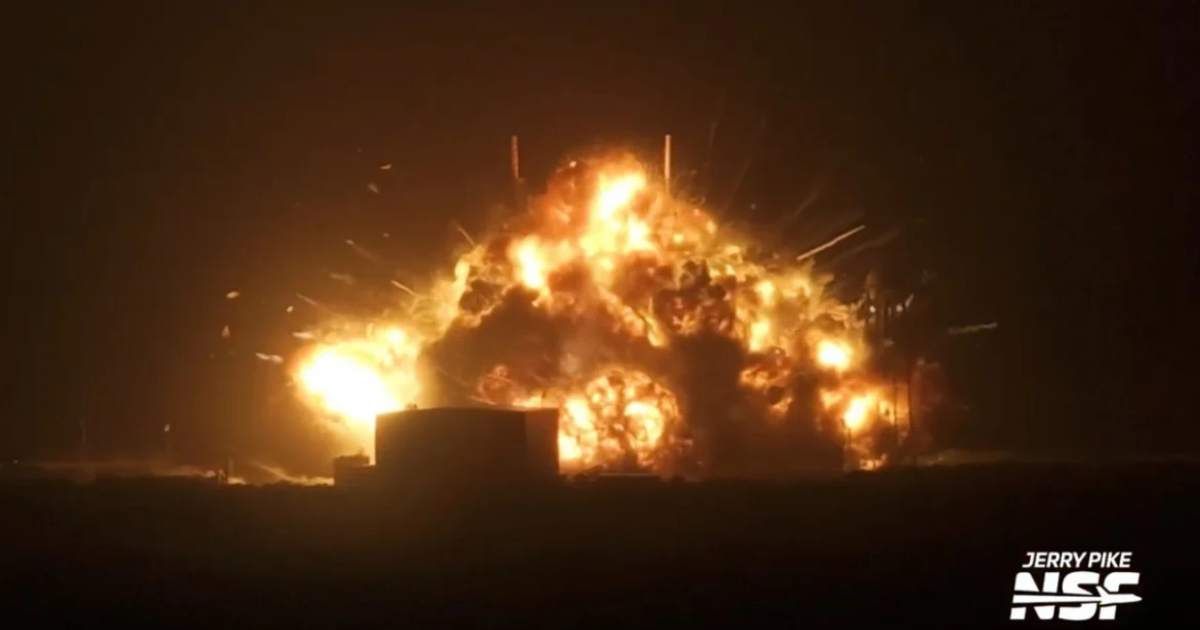
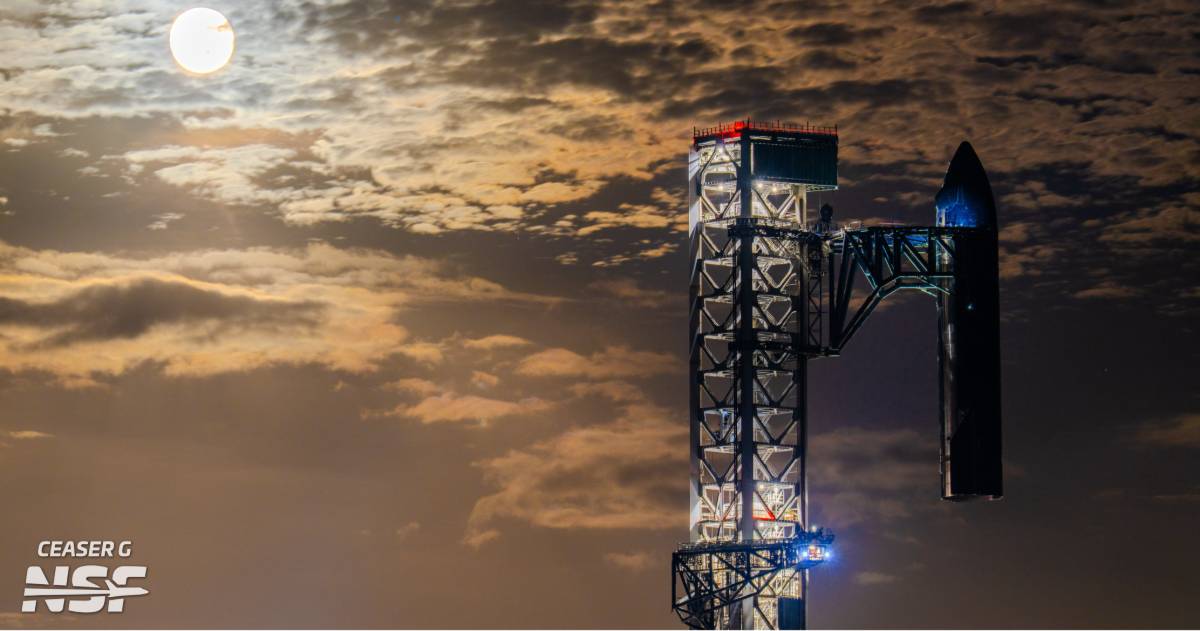
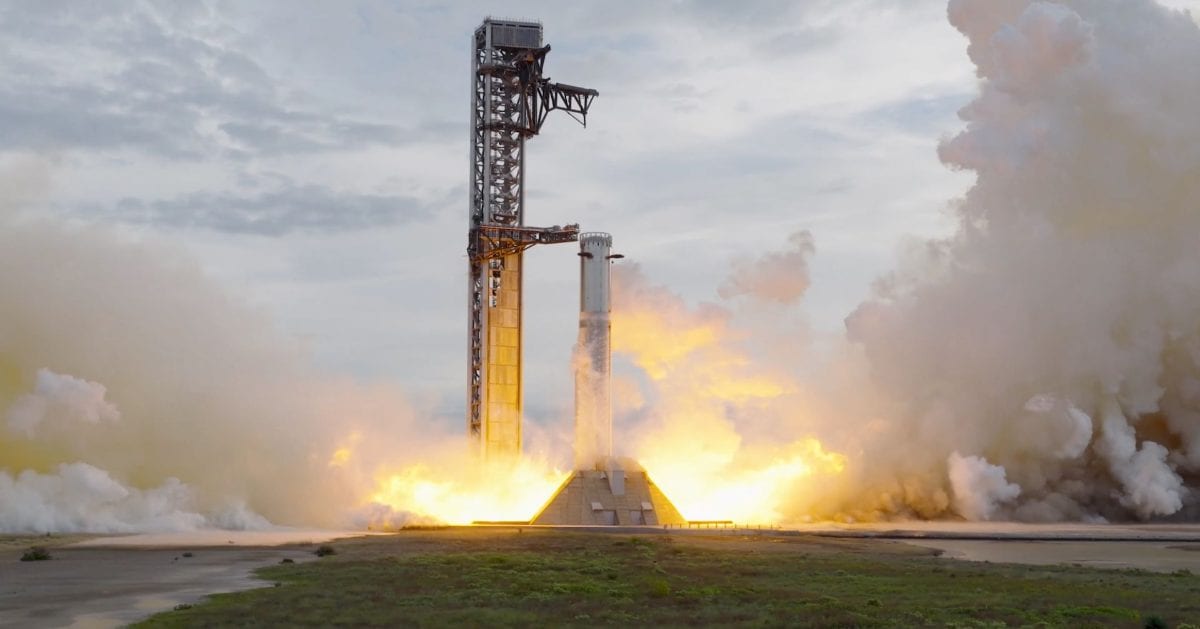
Blue Origin suffered a huge blow to its spaceflight ambitions, as its New Glenn rocket's static fire test on Thursday evening ended in a fiery explosion at Launch Complex 36 (LC-36) in Florida's Cape Canaveral Space Force Station. "We experienced an anomaly during today's hotfire test. All personnel have been accounted for. We will provide updates as we learn more," the company stated on X soon after the fireball erupted around 9 pm EDT on May 28, 2026. The hotfire test was meant for checking out the rocket's engines ahead of its fourth flight (NG-4), which would have deployed 48 Amazon Leo satellites into low-Earth orbit.
All personnel are accounted for and safe. It’s too early to know the root cause but we’re already working to find it. Very rough day, but we’ll rebuild whatever needs rebuilding and get back to flying. It’s worth it.
— Jeff Bezos (@JeffBezos) May 29, 2026
Jeff Bezos, the founder of the company, also took to X to share his disappointment while corroborating the above claim that no one had been harmed. Bezos also added that it was too early to draw conclusions as to what the root cause of the explosion was. He also expressed determination in rebuilding the damaged infrastructure and resuming spaceflight. Elon Musk, who also finds himself on a similar boat to Bezos as both are tasked with overseeing the development of launch systems and spacecraft in support of NASA's lunar ambitions, shared words of consolation as well. "Sorry to see this, I hope you recover quickly," said the founder of SpaceX, which recently launched the latest version of the Starship rocket after many hiccups of its own.
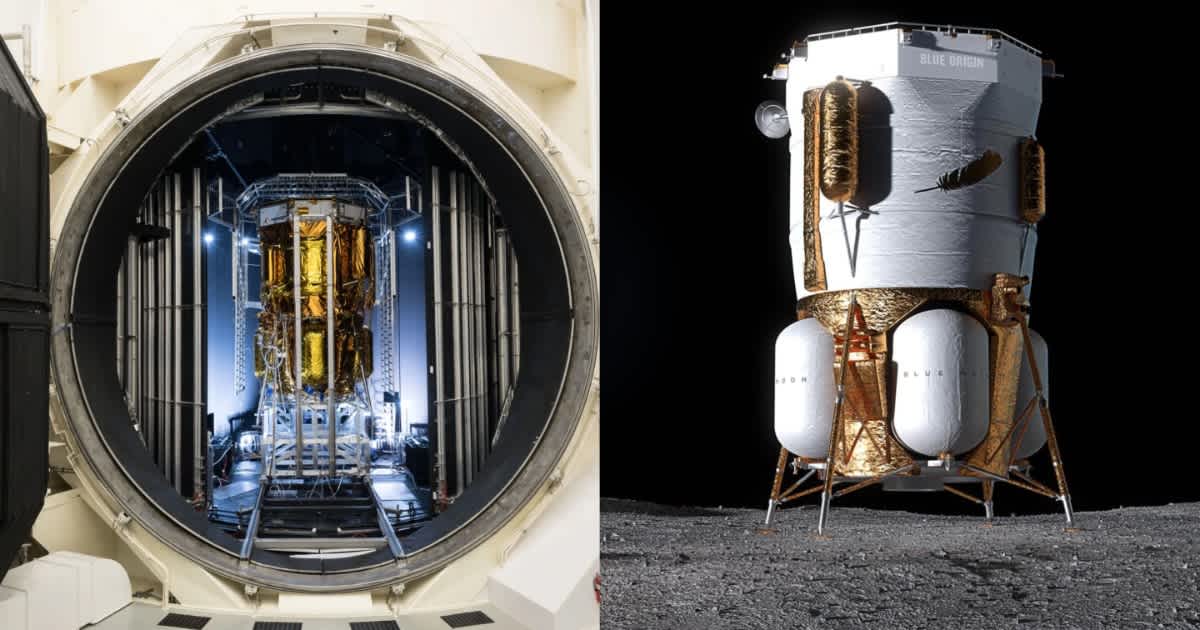
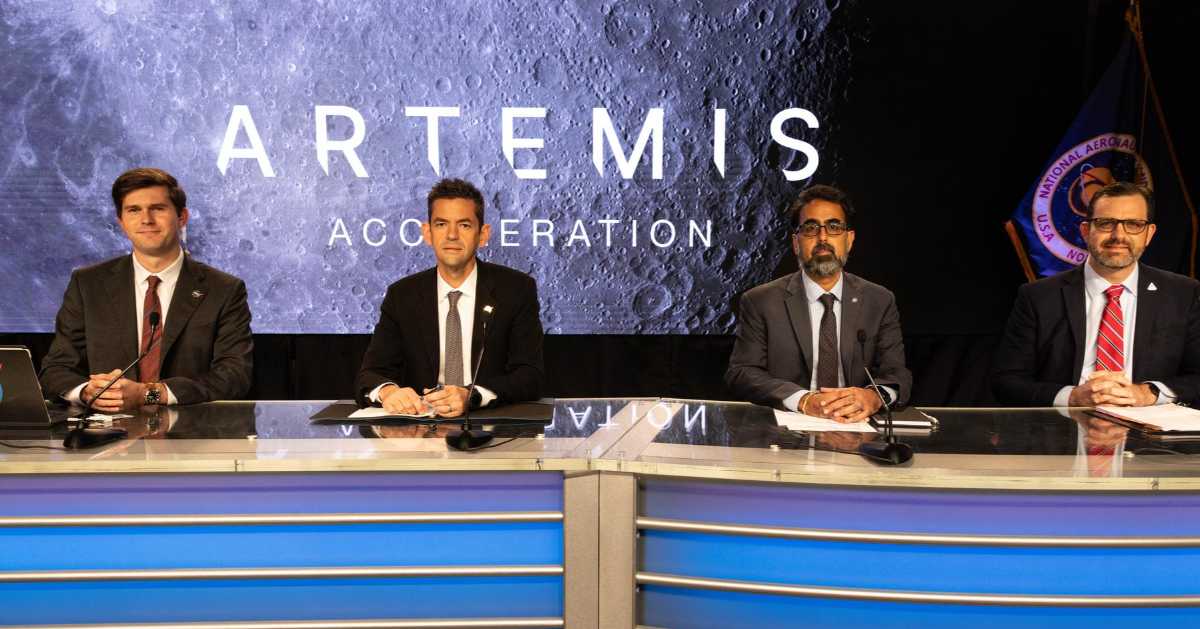
The mishap struck Blue Origin within just a couple of days of NASA's leadership releasing the blueprint for their short-term goals for establishing the Moon Base, which included three uncrewed missions to land on the lunar surface by the end of the year. Blue Origin had secured procurement contracts for the delivery of not only the Blue Moon Mark 1 Endurance lander but also a couple of Lunar Terrain Vehicles in support of the crewed Artemis missions.
NASA is aware of the anomaly that occurred tonight at Launch Complex 36 involving Blue Origin’s New Glenn rocket at Cape Canaveral Space Force Station. ⁰⁰Spaceflight is unforgiving, and developing new heavy-lift launch capability is extraordinarily difficult. We will work with…
— NASA Administrator Jared Isaacman (@NASAAdmin) May 29, 2026
"Spaceflight is unforgiving, and developing new heavy-lift launch capability is extraordinarily difficult," wrote NASA Administrator Jared Isaacman in an X post. "We will work with our partners to support a thorough investigation of this anomaly, assess near-term mission impacts, and get back to launching rockets. We will provide information on any impacts to the Artemis and Moon Base programs as it becomes available." Not only was the rocket destroyed, but reports have suggested that the launchpad has suffered considerable damage as well. Moreover, an FAA (Federal Aviation Administration) investigation into the anomaly that caused the explosion is almost certainly going to ground the New Glenn rocket for the foreseeable future.
Blue Origin's New Glenn just blew up at LC-36 while attempting to Static Fire ahead of NG-4.https://t.co/tANS0dWyIH pic.twitter.com/PztxFoBqIw
— NSF - NASASpaceflight.com (@NASASpaceflight) May 29, 2026
It was as recently as May 22, 2026, that Blue Origin was cleared to resume launches of its New Glenn rocket. An anomaly during the NG-3 flight had prevented the rocket from deploying the AST SpaceMobile’s BlueBird-7 satellite into the correct orbit, leaving the company with the mandate of nine corrective actions. This fireball, however, may leave too much for Blue Origin to fix before its next mission.
More on Starlust
Artemis program receives boost as Blue Origin's lunar lander passes critical test at NASA facility
Blue Origin suffers setback despite first successful landing of reused New Glenn rocket booster