NASA reschedules upcoming spacewalks after bizarre CO2 readings from Anil Menon's suit: Check new dates
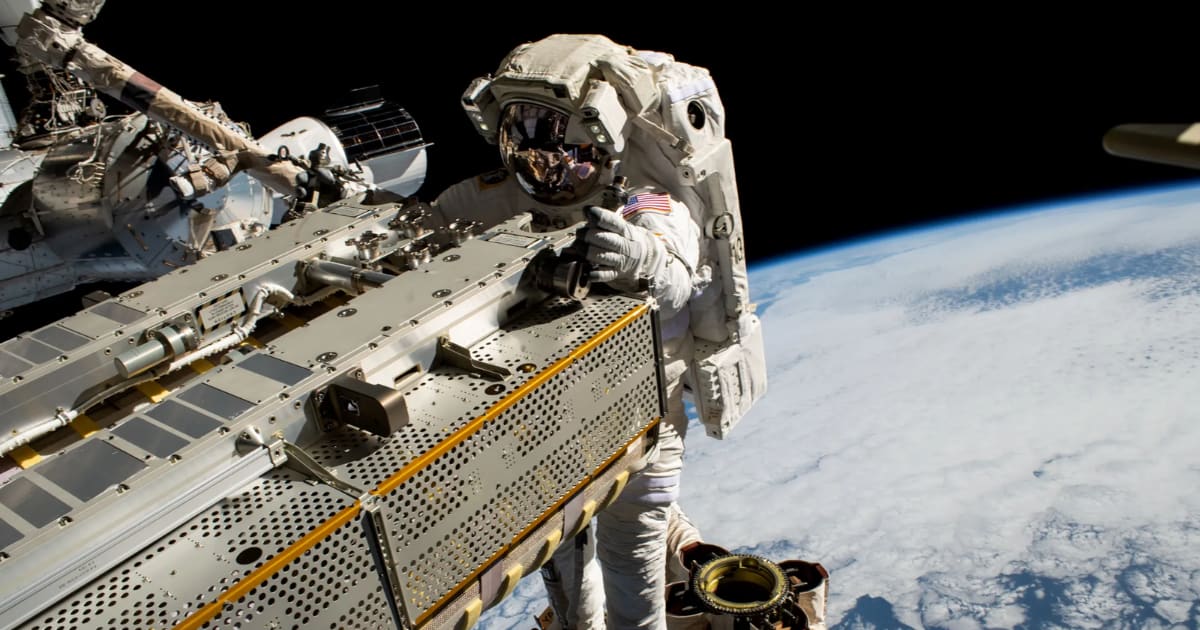
NASA has announced that U.S. Spacewalk 97 has been postponed to August 18, 2026. Originally intended to be conducted on Thursday, the agency delayed the event after detecting an anomalous carbon dioxide reading from astronaut Anil Menon's spacesuit at the end of the last spacewalk completed on August 6. Engineers are still trying to determine if a spacesuit swap will be necessary before the astronauts venture out to replace a Space-to-Ground antenna onboard the International Space Station (ISS).
On Aug. 6, @NASA astronauts Jessica Meir and Anil Menon concluded a 6-hour, 27-minute spacewalk. The next spacewalk moves to Aug. 18 for a spacesuit evaluation. More... https://t.co/uIopAudHHl pic.twitter.com/Dir23RNxS0
— International Space Station (@Space_Station) August 7, 2026
This upcoming extravehicular activity (EVA) is set to be followed a week later by the 98th spacewalk on August 25. NASA plans to outline the objectives for this subsequent activity early next week. This flurry of spacewalks was kick-started when current space station commander Jessica Meir exited the airlock with Menon to set up components for the future installation of a new roll-out solar array. Near the end of what turned out to be a successful U.S. Spacewalk 96, one of the sensors showed an unexpected reading before returning to normal once the suit was taken off inside the Quest airlock. Menon was wearing the suit designated for extravehicular crew member 2 (EV2), which is identifiable by its plain white exterior and absence of red stripes.
That first spacewalk feeling! Congratulations to @astro_anil on his first spacewalk. Mission complete as we assembled the last of the mounting brackets that will hold another set of solar arrays to augment the @Space_Station power supply. pic.twitter.com/zItZqBSesR
— Jessica Meir (@Astro_Jessica) August 7, 2026
According to NASA, the first-time spacefarer noted no other issues during the spacewalk. However, due to the inherent risks of working in the vacuum of space, ground control teams opted to take additional time to work out a plan that would ensure the safety of the astronauts during these spacewalks. The spacesuits being used by NASA astronauts for performing tasks outside the orbital laboratory are known as the Extravehicular Mobility Unit (EMU). This suit architecture actually traces its design roots back to the days of the space shuttle program.
#OTD in 1983, STS-6 (Challenger) landed.
— NASA History Office (@NASAhistory) April 9, 2016
1st time Extravehicular Mobility Unit (EMU) used; still used on #ISS. pic.twitter.com/Y8Ke3ribam
While the past few months have not been nearly as prolific for astronauts from a spacewalking perspective, the plans NASA had at the start of the year would have dictated a similar turnaround between two spacewalks in January. However, a medical issue involving Mike Fincke meant the SpaceX Crew-11 he was part of had to return to Earth earlier than planned. This resulted in the first spacewalk of the year taking place in March, with Meir working alongside NASA astronaut Chris Williams—who has since returned to Earth as a part of the Soyuz MS-28 crew.
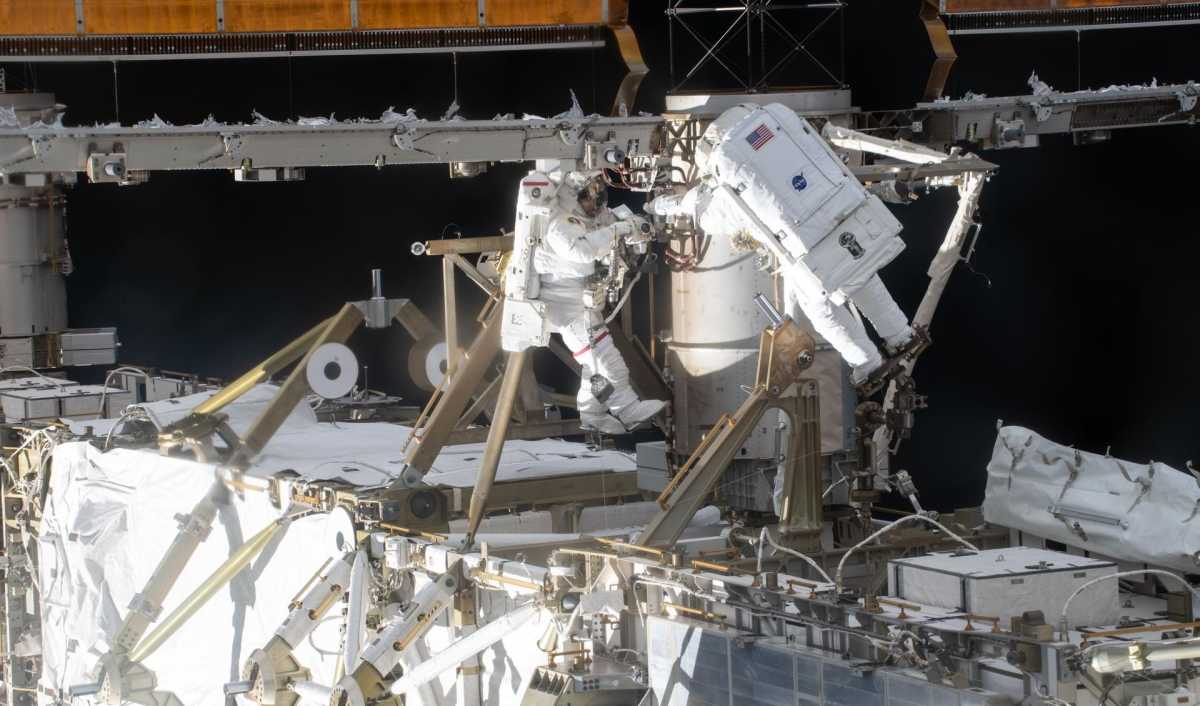
Last month, Meir and Williams performed another impromptu spacewalk to repair the Canadarm2 robotic arm. Earlier in May, the Russian pair of Sergei Kud-Sverchkov and Sergey Mikaev of Expedition 74 had also headed out of the confines of the orbital outpost to install scientific instruments. These activities—now totaling 281 since ISS assembly began in 1998—are meant to ensure the station remains habitable and functional. What this month’s EVAs will help achieve is continued operations until the orbital laboratory reaches the end of its planned operational life in 2030.
More on Starlust:
Why do astronauts train underwater before going on spacewalks?
How to spot the International Space Station with the naked eye before it deorbits in 2030