Watch: SpaceX launches back-to-back Falcon 9 missions in 38 minutes, sets new orbital record
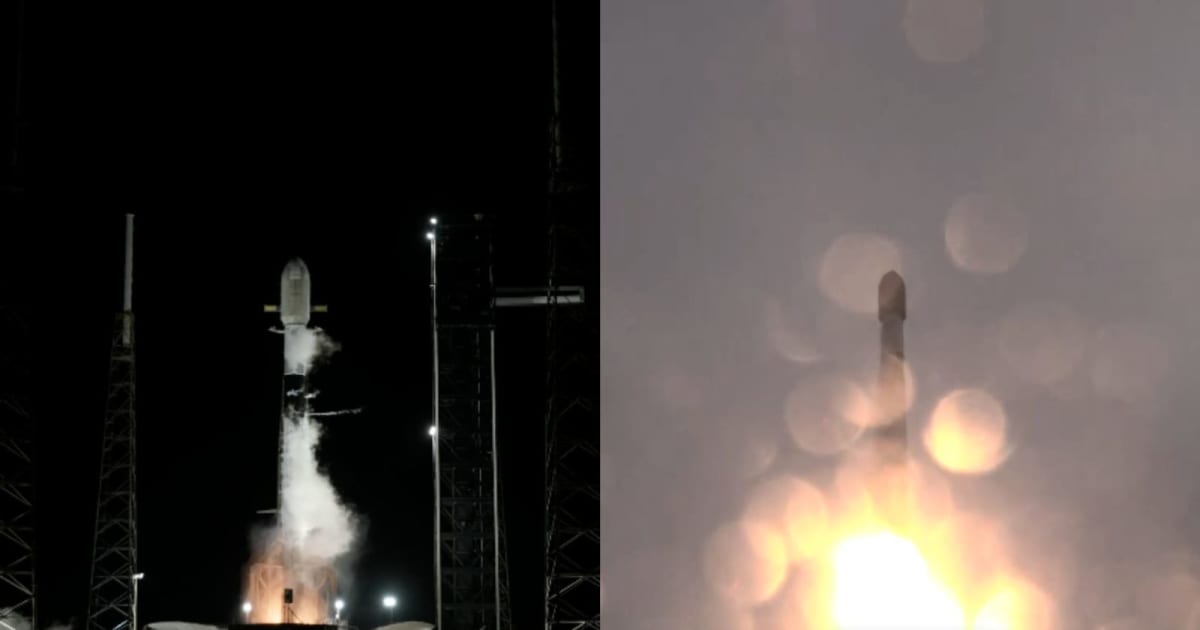
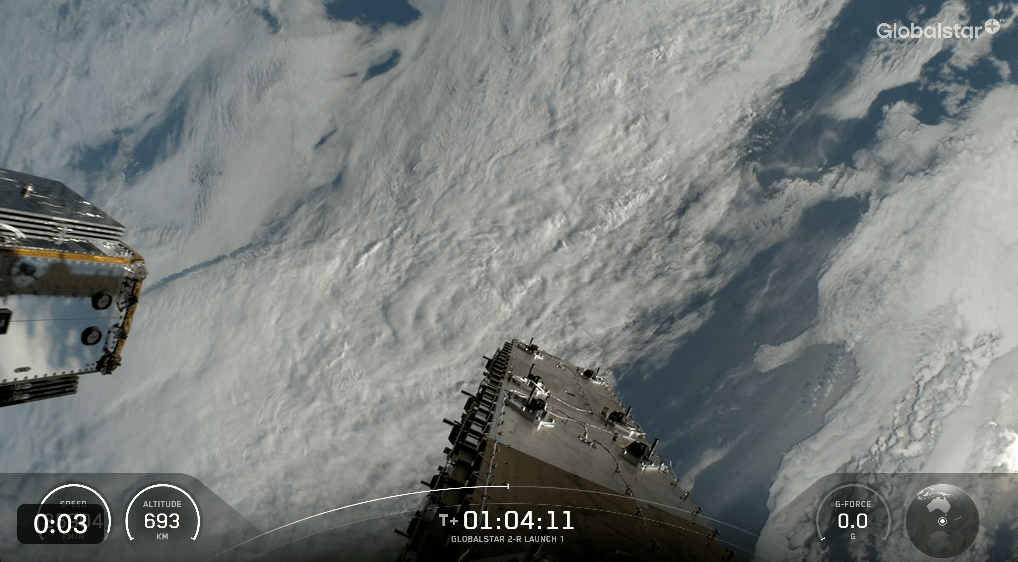
Elon Musk-owned SpaceX on August 15 launched two Falcon 9 rockets from different locations, clocking in a couple more successful missions this year. The first one lifted off at 9:12 pm ET from Space Launch Complex 40 (SLC-40) at Cape Canaveral Space Force Station in Florida with the Globalstar 2-R satellite whereas the second launched at 9:50 pm ET, from Space Launch Complex 4E (SLC-4E) at Vandenberg Space Force Base in California for the USSF-36 mission of the US Space Force.
With a gap of just 38 minutes, SpaceX has reportedly set a new record of shortest time between orbital flights.
While the Falcon’s first stage booster for Globalstar 2-R landed on the landing zone 40 near the launch pad, the one for USSF-36 steadily touched down on the 'Of Course I Still Love You' droneship stationed in the Pacific Ocean. The launch marked the 14th flight of the Globalstar 2-R Falcon booster which previously supported SES O3b mPOWER-E, Crew-10, Bandwagon-3, SES O3b mPOWER-D, CRS-33, and eight Starlink missions whereas the USSF-36 booster flew on its 18th flight. It has previously supported the NROL-126, Transporter-12, SPHEREx, NROL-57, and 13 Starlink missions.
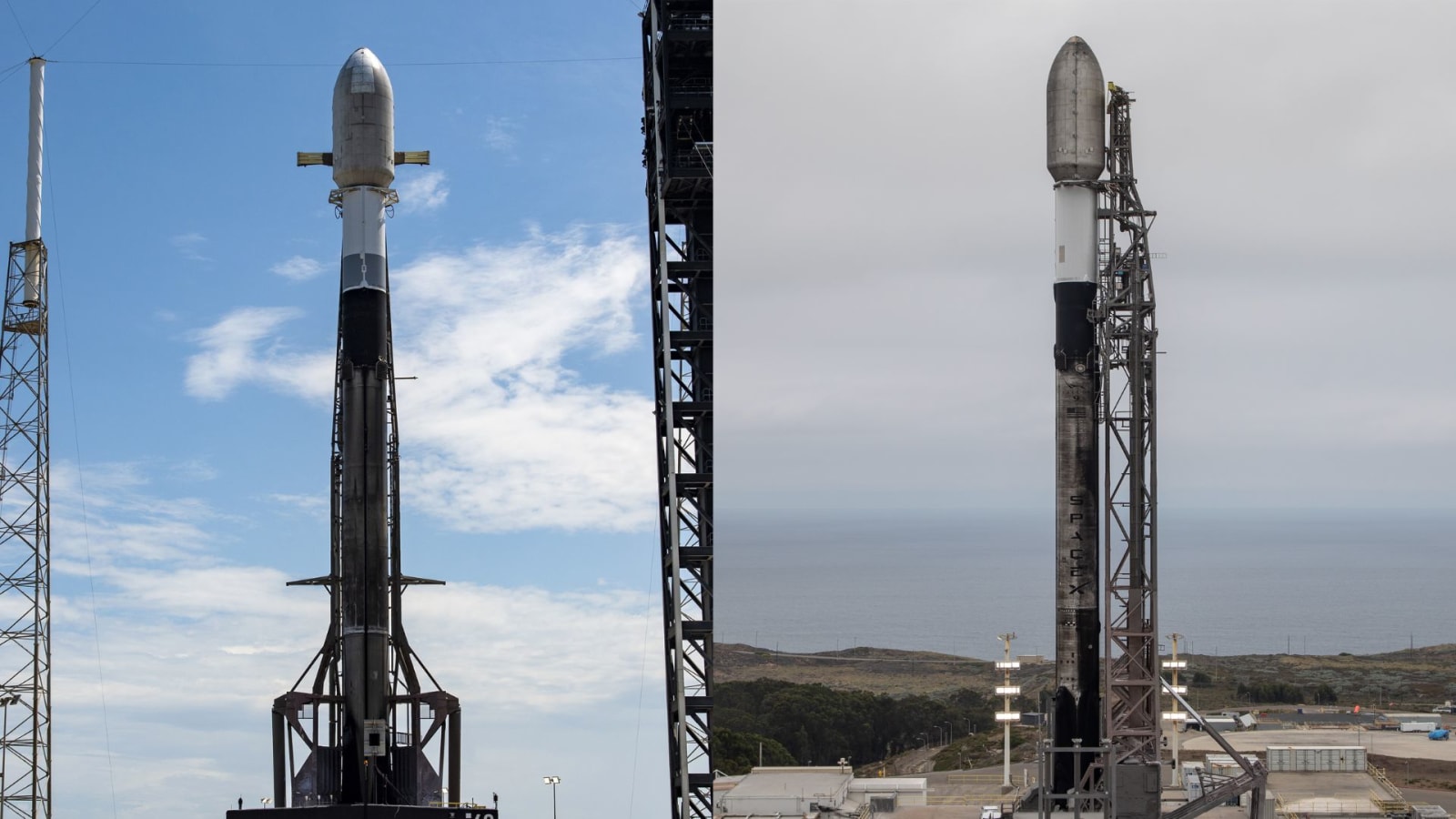
Interestingly, SpaceX shared no details about the US Space Force payload considering its classified nature. Taking to X, the company announced the successful deployment of all eight of the Globalstar satellites but the USSF payload status is still a secret. It is not known when or at what altitude the payload will be deployed. Just weeks ago, the Space Force awarded SpaceX $2.29 billion to build a military communications network, followed by another contract worth $4.16 billion for a system that would track and target airborne threats, CNBC reported.
According to NextSpaceflight.com’s description, the USSF payload from the latest launch may have been "a batch of classified LEO satellites for a U.S. government entity based on SpaceX's Starshield satellite bus, based on locations of rocket stage drop zones being exact fits with previous Starlink Group 15 launches.” With the USSF-36 mission, SpaceX has completed its 96th Falcon launch of 2026. It is on track to cross 150 launches this year and could break the previous year's record of 165 missions.
More on Starlust
Elon Musk may consider Starship's heat shield problem 'solved', but experts think it's a 'dead end'
SpaceX Falcon 9 rocket impact crater on the Moon spotted by South Korean orbiter—see first pictures