Artemis update: Voyager acquires NASA Moon Base II lunar lander provider Astrobotic in $300 million deal
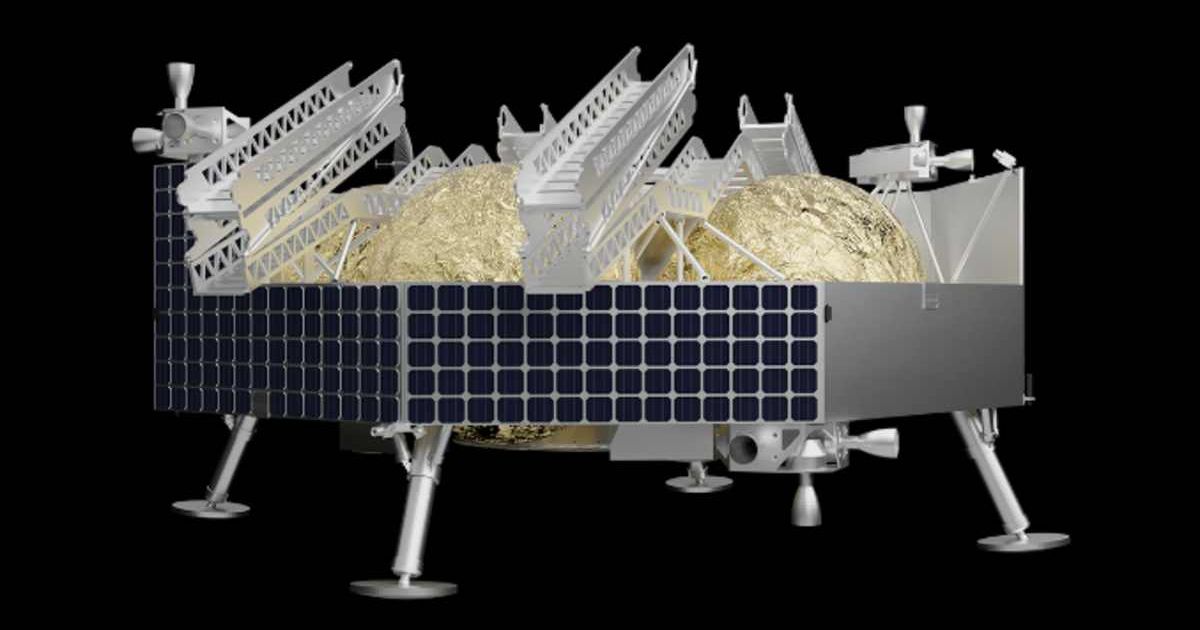
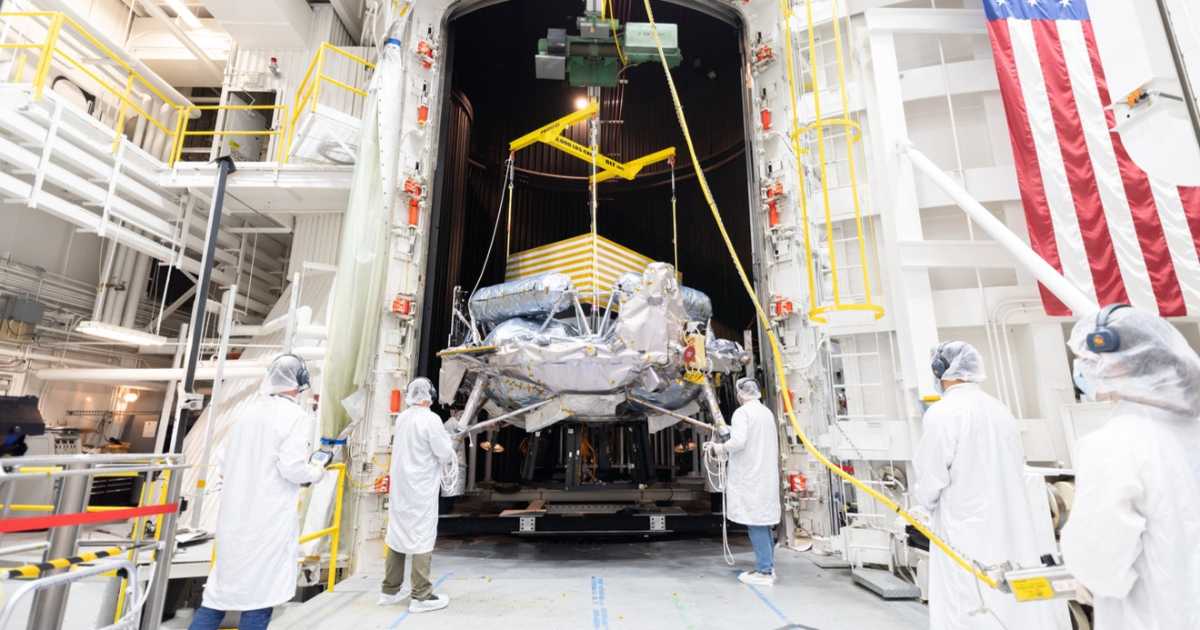
Astrobotic Technology, the company tasked with the development of a lunar lander for NASA's Moon Base II mission, has been acquired by another major player in the aerospace industry, Voyager Technologies, in a cash-and-stock deal that could rise up to $300 million. Voyager announced the deal on June 2, 2026, and it will see Astrobotic's technology and hardware transition to the expanding portfolio of Voyager.
Breaking: Voyager to acquire @Astrobotic, combining lunar landers, surface power, habitats and cislunar operations into one integrated lunar platform. Griffin Mission One, targeting the lunar South Pole NET November 2026, will be Voyager’s first mission to the Moon.
— Voyager Technologies (@voyagertech_) June 2, 2026
Learn more:… pic.twitter.com/toUocT63sL
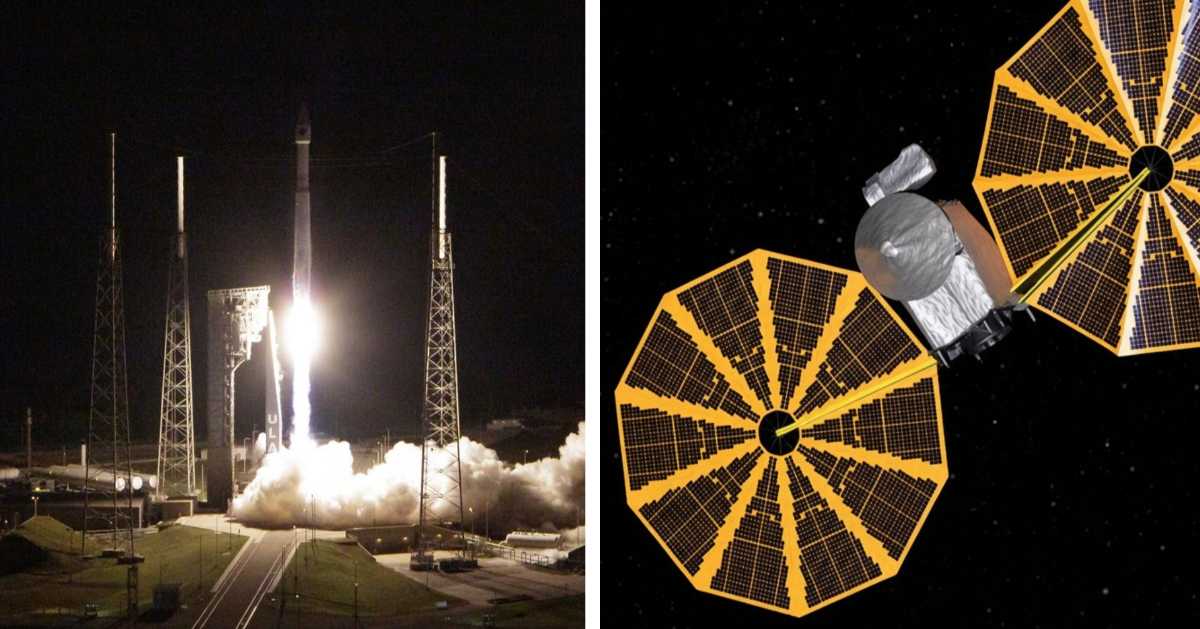
On May 26, 2026, NASA leadership announced the companies that will be responsible for providing the first hardware for the first phase of the agency's Moon Base plans. Astrobotic was confirmed as the provider for the Griffin lander, which will deliver a payload weighing over 1,100 pounds, including Astrolab's FLIP rover for Moon Base II. This mission will set a record for the largest commercial payload delivery to the surface of the Moon, beyond providing vital data to designers of Lunar Terrain Vehicles that will be used for automated prospecting and transportation on the Moon when a crew arrives.
The second @NASAMoonBase mission will fly cargo to the lunar surface aboard the @Astrobotic Griffin lander and the third will deliver payloads chosen through open competition as well as international partners.
— NASA (@NASA) May 26, 2026
Both missions are targeted to launch before the end of 2026. pic.twitter.com/Hr3yZa3LMo
The CEO of Astrobotic, John Thornton, stated, "Astrobotic was built to prove that commercial companies can deliver to the Moon," explaining further that this acquisition will upscale the capabilities of the teams that have been working towards the Griffin lander. The team working at the company's Pittsburgh-based headquarters will remain at the center of the mission when Moon Base II occurs later this year. Voyager has decided to make the Moon Base headquarters of Astrobotic the center of their own lunar initiative. "Our team, our technology and our homes in Pittsburgh and Mojave remain at the center of what we are building, and now we have a partner with the breadth of capabilities and resources to realize a continuous presence on the Moon," added Thornton.
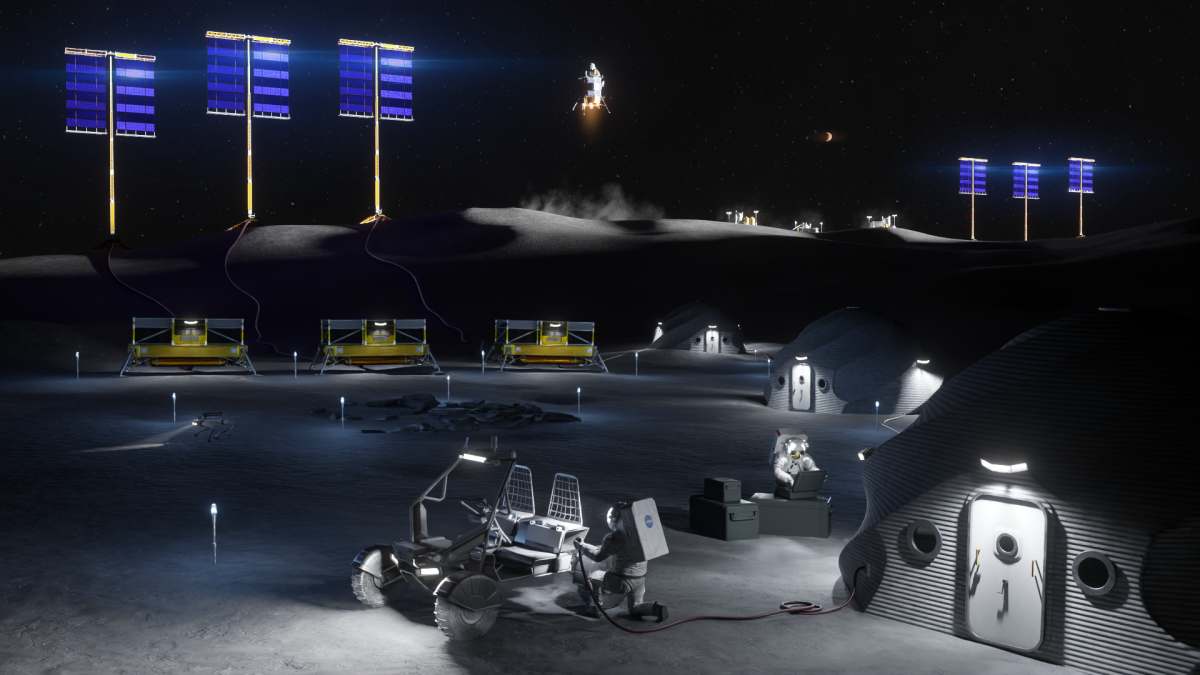
Voyager has been making waves within the aerospace industry. In terms of their lunar initiatives, the company recently invested in Max Space's 'expandable habitat architecture.' This technology features flexible habitats that launch compactly and expand in space up to 20 times their stowed volume, rather than shrinking solid payloads. This will help the Colorado-based company reduce the costs of delivering hardware and instruments to the Moon. With the acquisition of Astrobotic, it has now added landing capabilities to its portfolio, alongside its existing mission management and communication capabilities. The company is also working on clear dust-repellent coatings and on-site production of resources, which may be utilized on Artemis missions or other NASA missions supporting them.
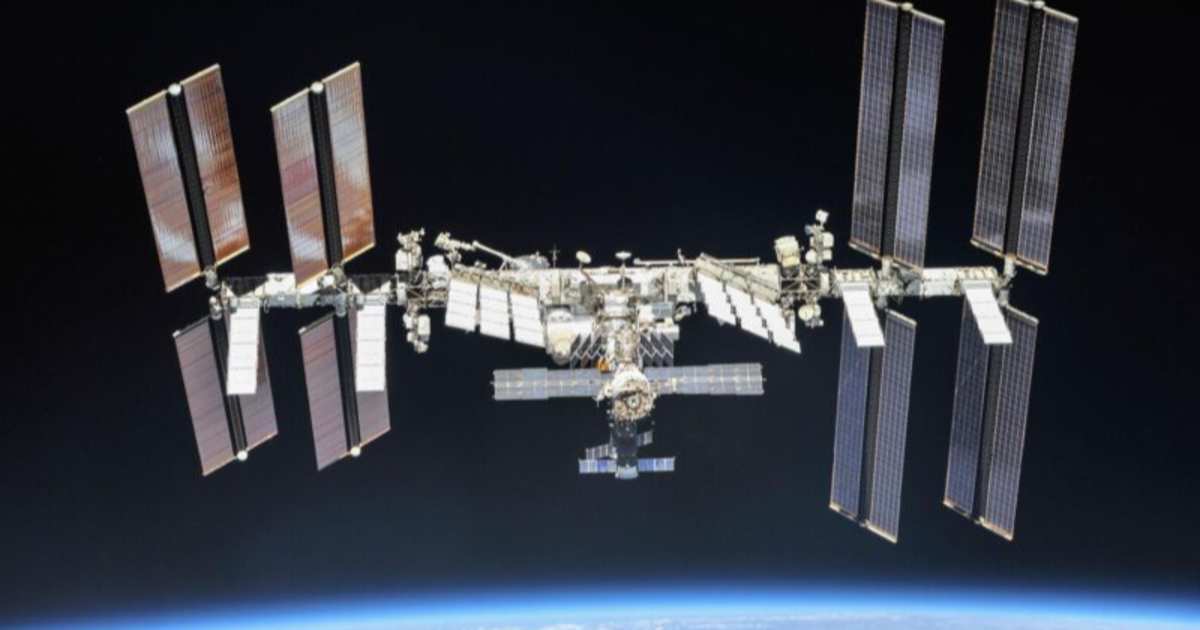
Voyager will also be quite busy in low Earth orbit in the coming years. The private entity holds the distinction of being only the third company to have been awarded a private astronaut mission to the International Space Station (ISS). The seventh PAM to the orbital outpost will allow the company to select four astronauts for a two-week mission in 2028. Voyager also describes itself as a defense technology company, and recently secured a subcontract to support the Defense Advanced Research Projects Agency (DARPA) in delivering a unique 'air-breathing' very low Earth orbit spacecraft for the U.S. Department of Defense. However, the company's CEO and Chairman, Dylan Taylor, stressed the importance of the lunar mission in the immediate future, stating, "We are building the infrastructure foundation that will make America’s permanent presence on the Moon a reality."
More on Starlust
NASA’s permanent Moon base could span hundreds of square miles: 'We'll not slow down'
New Glenn’s massive explosion in Florida could impact NASA’s Moon Base ambitions—here's why