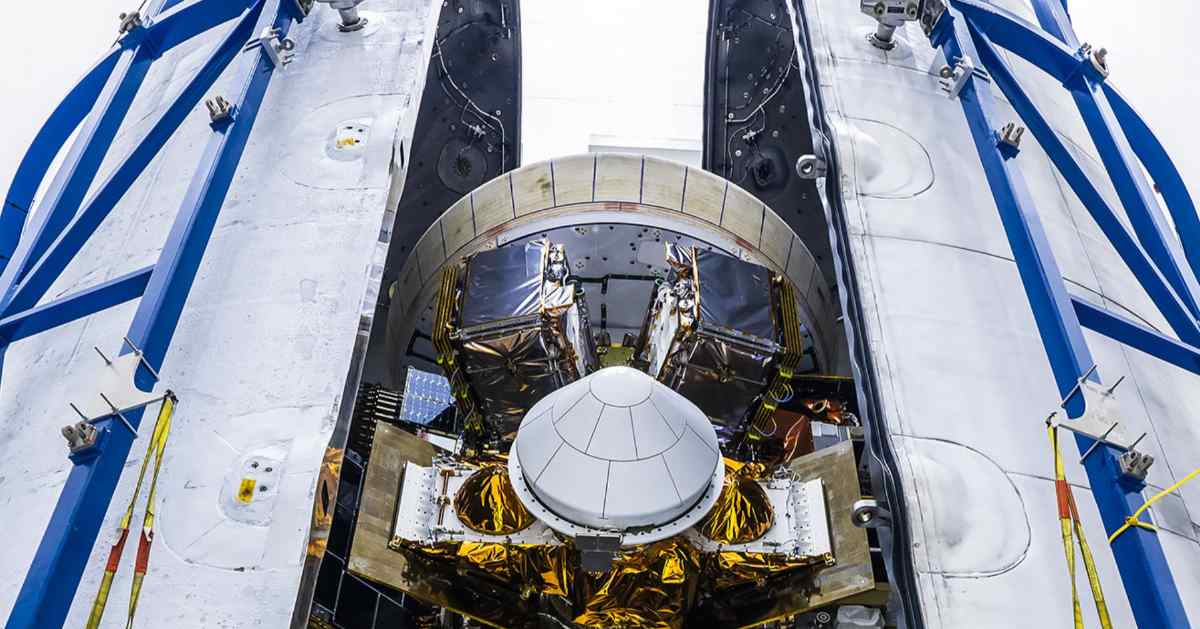
5 facts to know about Artemis III as NASA prepares to reveal crew

NASA is all set to announce the names of crew members who will fly the Artemis III mission on Tuesday, June 9, 2026, at 11:30 a.m. EDT from Johnson Space Center in Houston. The event will be streamed live on NASA+ and the space agency's official YouTube channel. The mission is a key step towards NASA's plan to build a permanent Moon Base by 2032, which Administrator Jared Isaacman has described as "America's and humanity's first outpost on another celestial world." Following today's announcement, the space agency will continue detailed hardware integration and planning in the lead-up to that launch.

Detailing about the Moon Base Mission, Isaacman added, "Every mission, crewed and uncrewed, will be a learning opportunity as we return to the lunar surface, build the infrastructure to stay, and master the skills required to live and operate in one of the most demanding and dangerous environments imaginable." The construction of the Moon Base will take place in three phases: early robotic missions and site surveys through 2029, initial base operations from 2029 to 2032, and semi-permanent human presence from 2032 onwards. Want to know more about Artemis III? Here are five facts about the mission:
1) Artemis III was initially planned as a Moon landing mission
Artemis III was originally designed to be the mission that returned humans to the lunar surface for the first time since 1972. But during a live conference in February 2026, NASA announced a key change to the mission architecture. The broader Artemis program overhaul left the already-launched Artemis II untouched, but Artemis III was repackaged entirely.

Instead of a lunar landing, Artemis III will now be a crewed test flight in low Earth orbit. The mission will focus on operations between the Orion spacecraft and commercial lunar landers. The actual crewed Moon landing has been moved to Artemis IV, which is currently targeted for 2028.
2) SpaceX and Blue Origin are building Moon landers for Artemis III
NASA is working with two commercial companies simultaneously to develop lunar landers, and both are expected to play a role in Artemis III. SpaceX is building a lunar lander version of Starship, while Blue Origin is developing the Blue Moon Mark 2. During the mission, NASA plans to carry out rendezvous and docking of the Orion spacecraft with one or both landers in Earth orbit, which will be followed by tests of the docked vehicles and integrated checkout of life support and communications systems.

The crew won't simply observe the landers from Orion. According to NASA's preliminary Artemis III mission plans, astronauts could potentially enter at least one lander test article during the mission.
3) It will be “one of the most highly complex missions NASA has undertaken”
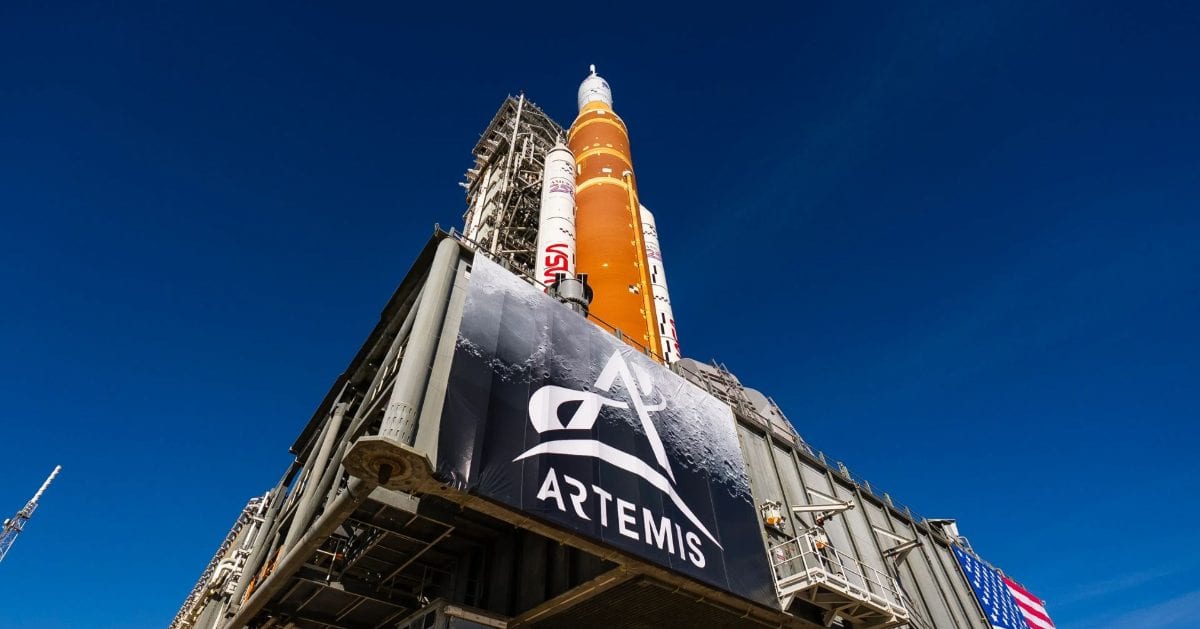
Despite taking place in Earth orbit rather than at the Moon, Artemis III is far from a routine flight. The mission will require three separate elements to launch and rendezvous in orbit: the Space Launch System (SLS) rocket carrying Orion with its four-person crew, SpaceX's Starship human landing system, and Blue Origin's Blue Moon lander. "While this is a mission to Earth orbit, it is an important stepping stone to successfully landing on the Moon with Artemis IV. Artemis III is one of the most highly complex missions NASA has undertaken," said Jeremy Parsons, the Moon to Mars acting assistant deputy administrator at NASA's Exploration Systems Development Mission Directorate in Washington.
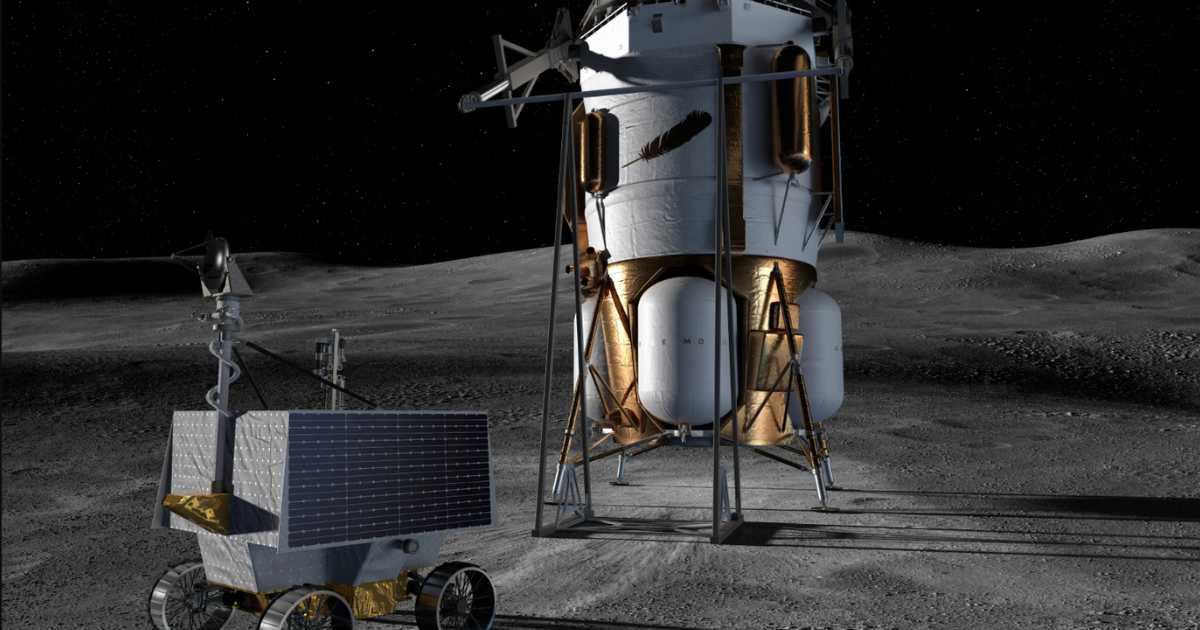
In NASA's mission outline release, Parsons elaborated: "For the first time, NASA will coordinate a launch campaign involving multiple spacecraft integrating new capabilities into Artemis operations. We're integrating more partners and interrelated operations into this mission by design, which will help us learn how Orion, the crew, and ground teams all interact together with hardware and teams from both providers before we send astronauts to the Moon's surface."
4) Crew will spend more time aboard Orion than the Artemis II astronauts did
In an official release, NASA has confirmed that the Artemis III crew will spend more time aboard Orion than their predecessors. For context, Artemis II was a 10-day mission. The four-person crew circled Earth, traveled 252,756 miles to the Moon, looped around it at 4,067 miles from the lunar surface, then made it back home with a splashdown in the Pacific Ocean on April 10.
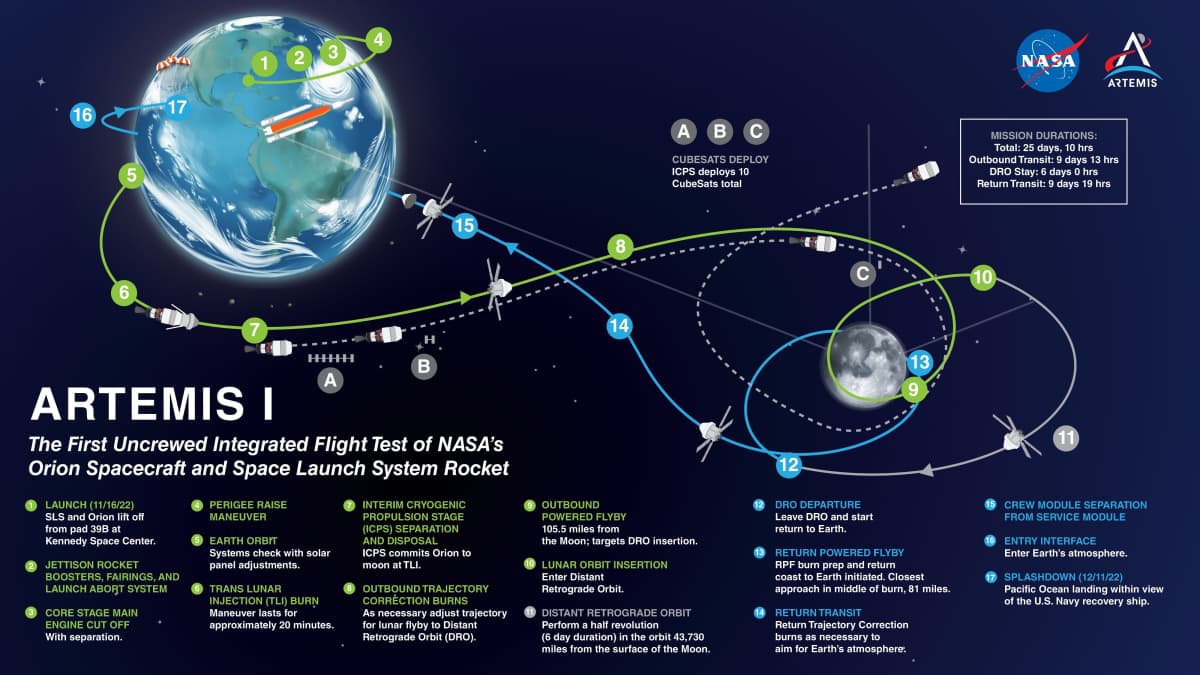
The extended duration of Artemis III is designed to allow thorough testing of all systems under realistic conditions. NASA added that astronauts could potentially enter at least one lander test article during the mission to have hands-on experience with hardware that will later carry them to the Moon.
5) Next-generation spacesuits will be tested in space for the first time
Artemis III will mark the debut of several pieces of next-generation equipment built specifically for future Moon missions. NASA's plans include testing the new Extravehicular Activity (xEVA) suits and evaluating Axiom Space's AxEMU (Axiom Extravehicular Mobility Unit) spacesuit interfaces with lander hardware ahead of lunar surface missions.

Built on the foundation of NASA's own xEMU design, the AxEMU offers greater flexibility and enhanced protection against the harsh space environment. They are also designed to accommodate a wider range of crew members than previous generations. On the hardware side, NASA also plans to test an upgraded Orion heat shield during reentry, one intended to enable more flexible and robust reentry profiles for future missions.
More on Starlust:
How NASA's Artemis III mission differs from Artemis I, II and Apollo 9
Artemis III update: NASA ships final solid rocket booster segments for SLS to Kennedy Space Center