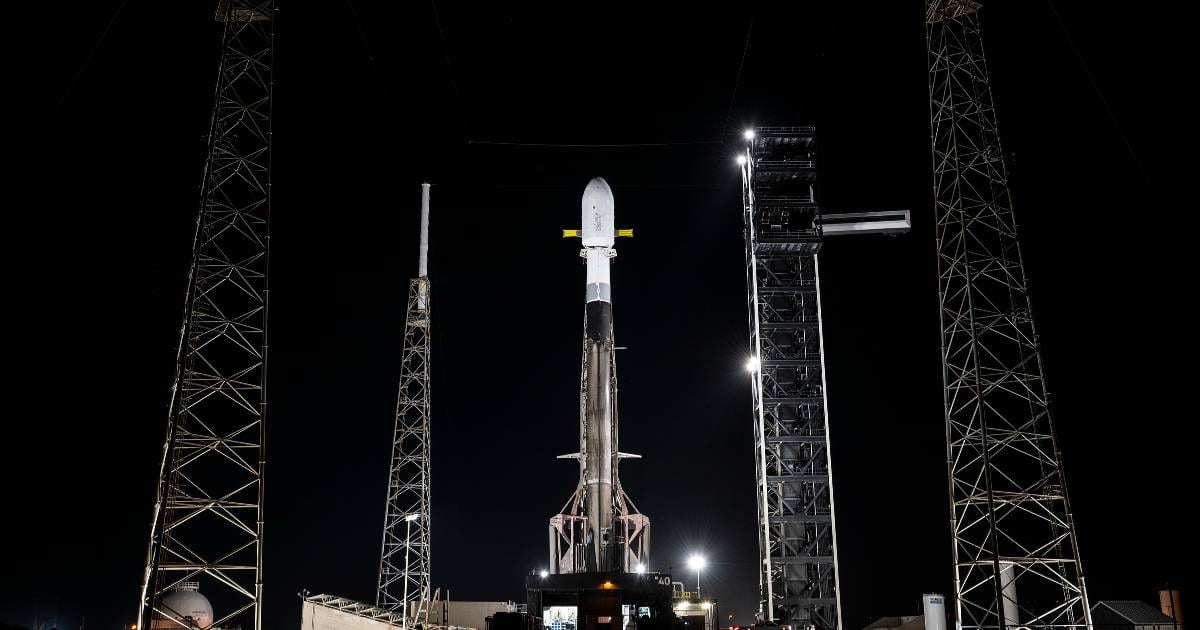
China's Long March 7A rocket explodes moments after liftoff; Elon Musk reacts. Watch video
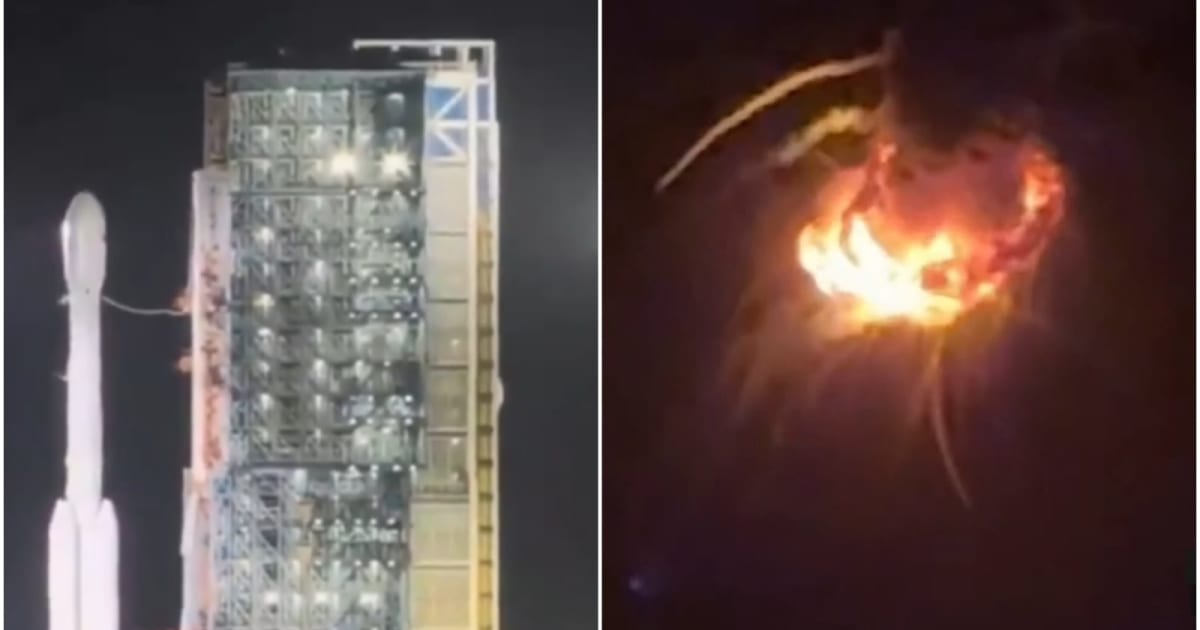
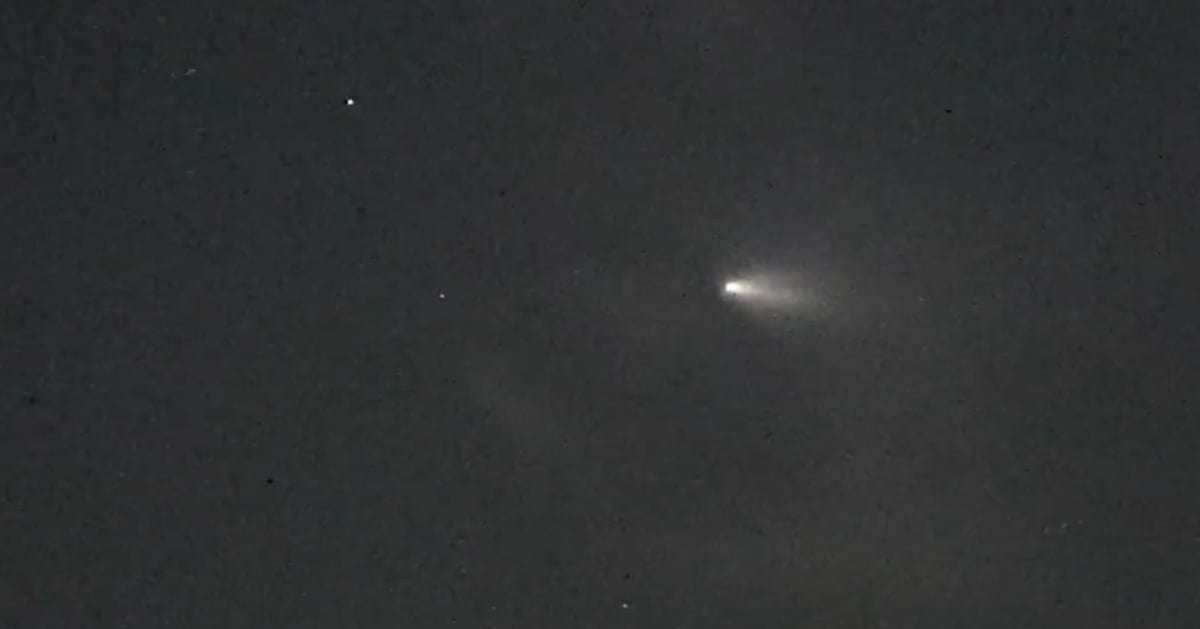
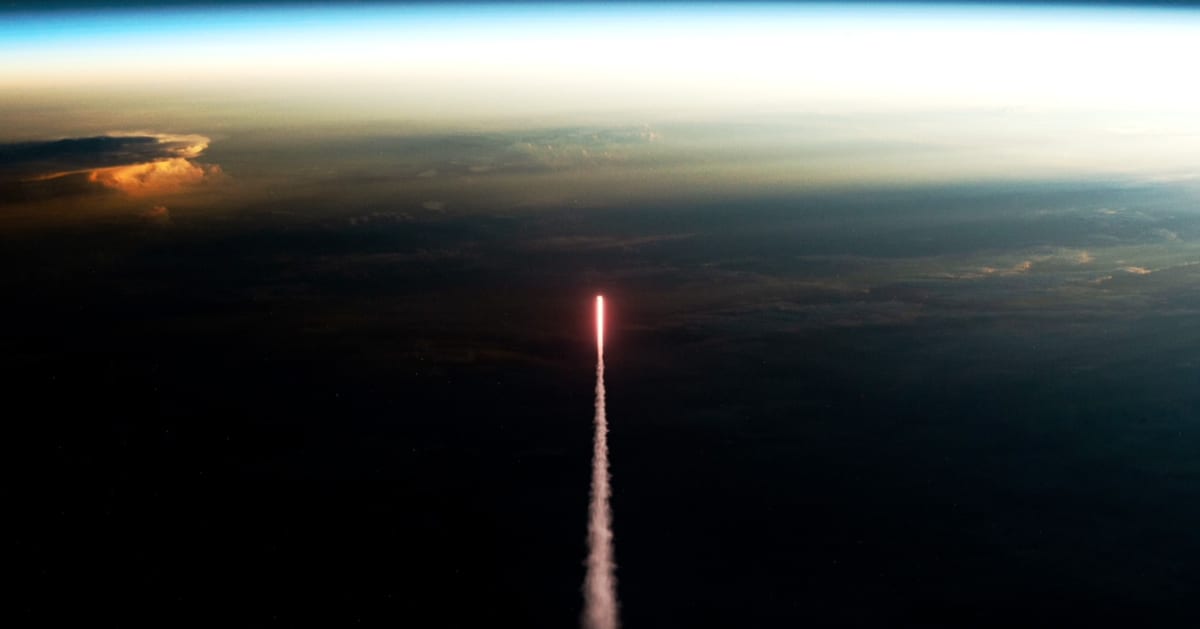
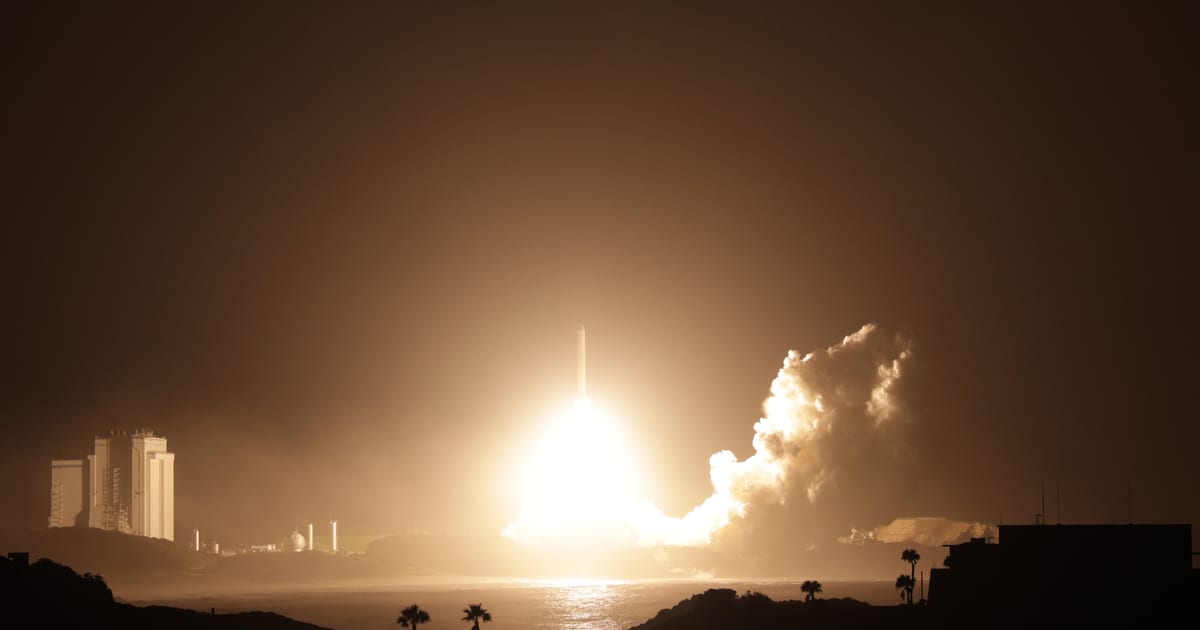
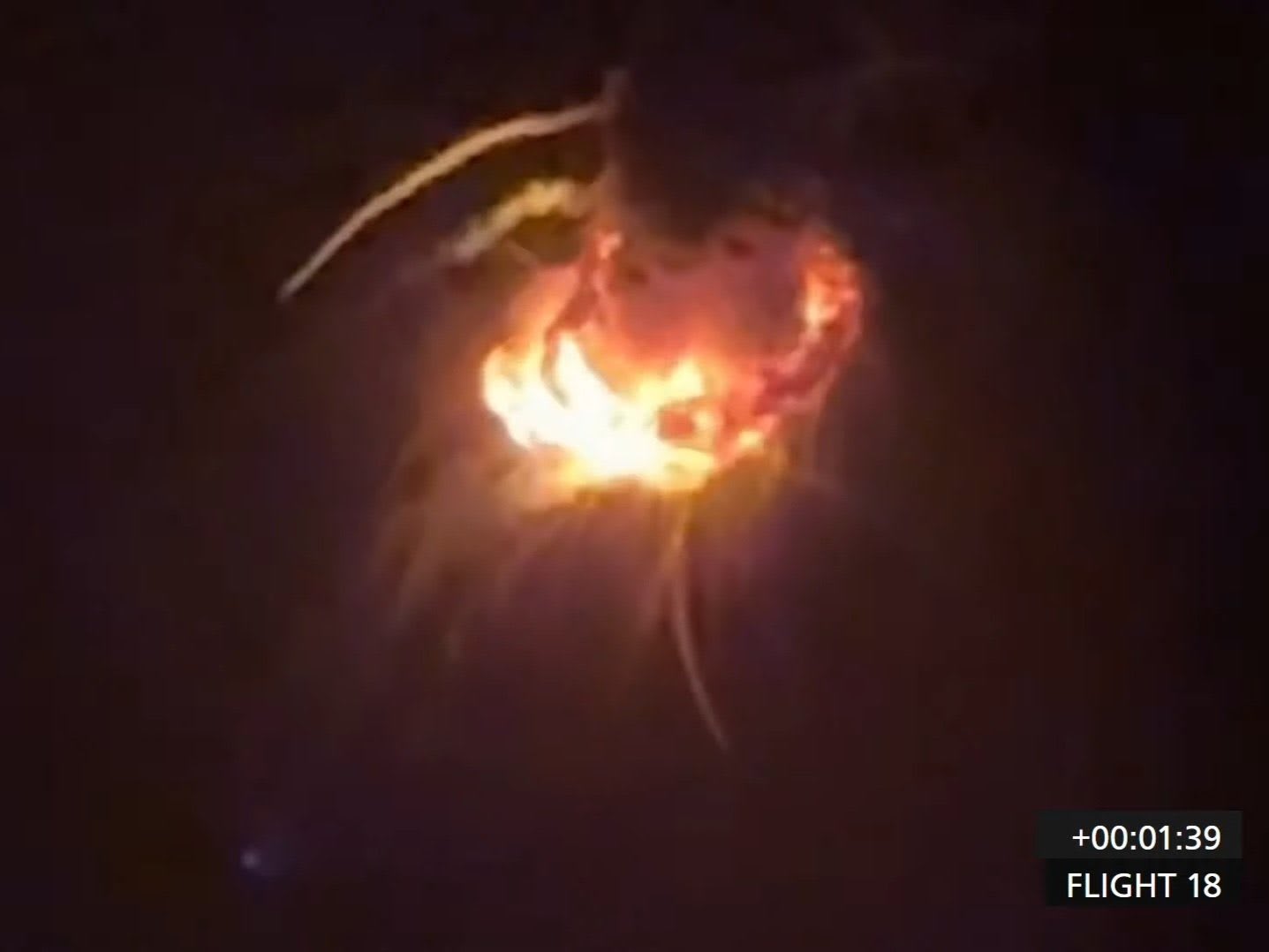
China's attempt to launch a rocket carrying a communications satellite on Monday ended in fiery failure as the Long March 7A launch vehicle exploded shortly after lift-off. The incident took place less than 90 seconds after launch from the island of Hainan, which houses China's Wenchang Spacecraft Launch Site. Multiple videos shared on social media showed the rocket lifting off with the ChinaSat-4B satellite, sans any issues, before exploding in the atmosphere.
This incident marked only the second failure of the Long March 7A, which has been a workhorse for the China National Space Administration (CNSA). Prior to Monday's failure, the Long March 7A had failed only its maiden flight in 2020, which was attributed to an in-flight malfunction during ascent. Of its 18 flights thus far, the Long March 7A has been successful in 16.
What we know about the failed launch
Although the CNSA is yet to comment on the failed launch, China's official Xinhua news agency attributed Monday's failure to an anomaly, without providing further details. “The rocket experienced an anomaly during the flight and the launch mission failed,” the state news agency reported, adding that a probe was underway to identify the exact cause(s) of failure. Debris from the explosion, however, is unlikely to cause any issues in orbit. Reuters, citing Durham University honorary professor Jonathan McDowell, reported that the rocket exploded at a relatively low altitude and velocity, meaning that the debris did not reach orbit.
As for the payload, reports suggest it was a communications satellite, not a military one. The ChinaSat-4B or Zhongxing-4B as it is known, is part of the same ChinaSat-4A series of satellites launched in 2024, according to Reuters. These satellites provide voice, data, and television broadcast services over large areas, especially those that lie out of the reach of traditional ground-based networks.
Elon Musk's response to Long March 7A explosion
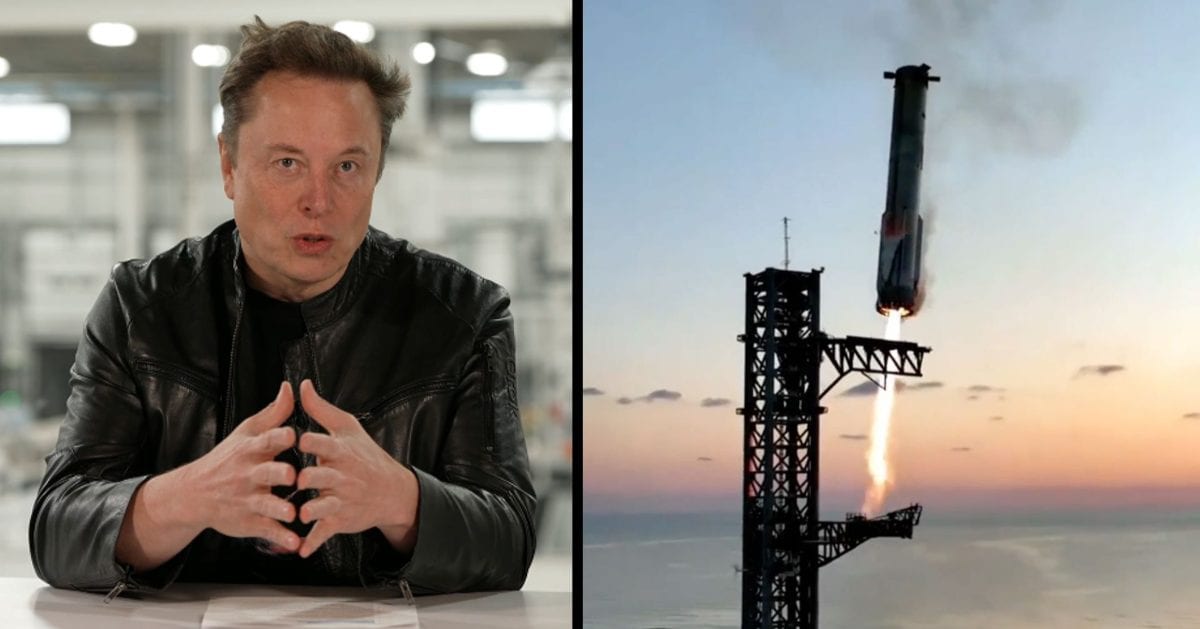
As footage of the failed launch did the rounds on social media, SpaceX CEO Elon Musk wished China a quick bounce back.
Rockets are insanely hard. There is a reason for the idiomatic expression.
— Elon Musk (@elonmusk) August 10, 2026
I hope they have a speedy recovery.
"Rockets are insanely hard. There is a reason for the idiomatic expression. I hope they have a speedy recovery," wrote the SpaceX CEO, whose company recently successfully completed the 13th flight test of its ambitious Starship V3 rocket.
Will this affect other launches?
The Long March 7A is a medium-lift rocket that's typically used for inserting payloads into high orbits, and given that an investigation is currently underway, such launches are bound to be affected—the ongoing investigation will determine whether the failure was limited to this particular vehicle, whether it affects other Long March 7A rockets, and whether shared components used in other rockets need to be checked as well.
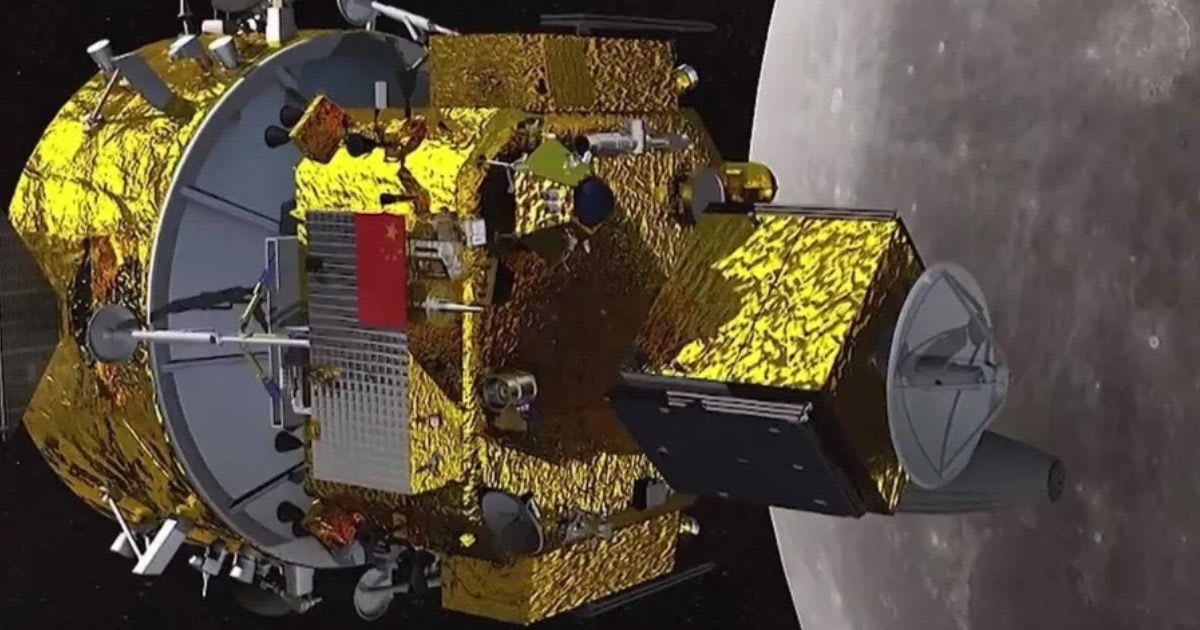
China's low Earth orbit launches, however, will likely be unaffected as these missions make use of other rockets of the Long March family. China's upcoming Chang'e-7 mission to the Moon, which will also be launched from the Wenchang site, is also likely to be unaffected as it will make use of the Long March 5 rocket. Slated for launch in the second half of 2026, the lunar mission spacecraft and its launch vehicle are already at the site, awaiting the right window for launch.
More on Starlust:
China plans to surpass NASA’s DART mission by smacking an asteroid at 26 times the speed of sound