Could a meteor storm delay NASA’s Artemis IV Moon landing? Here’s what we know
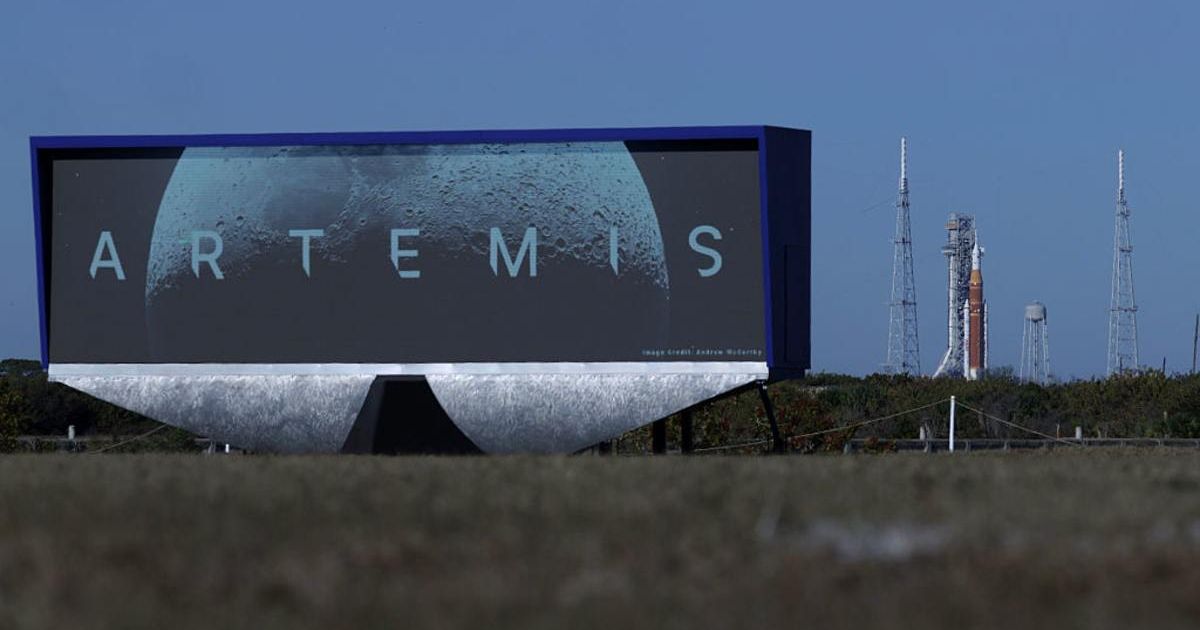
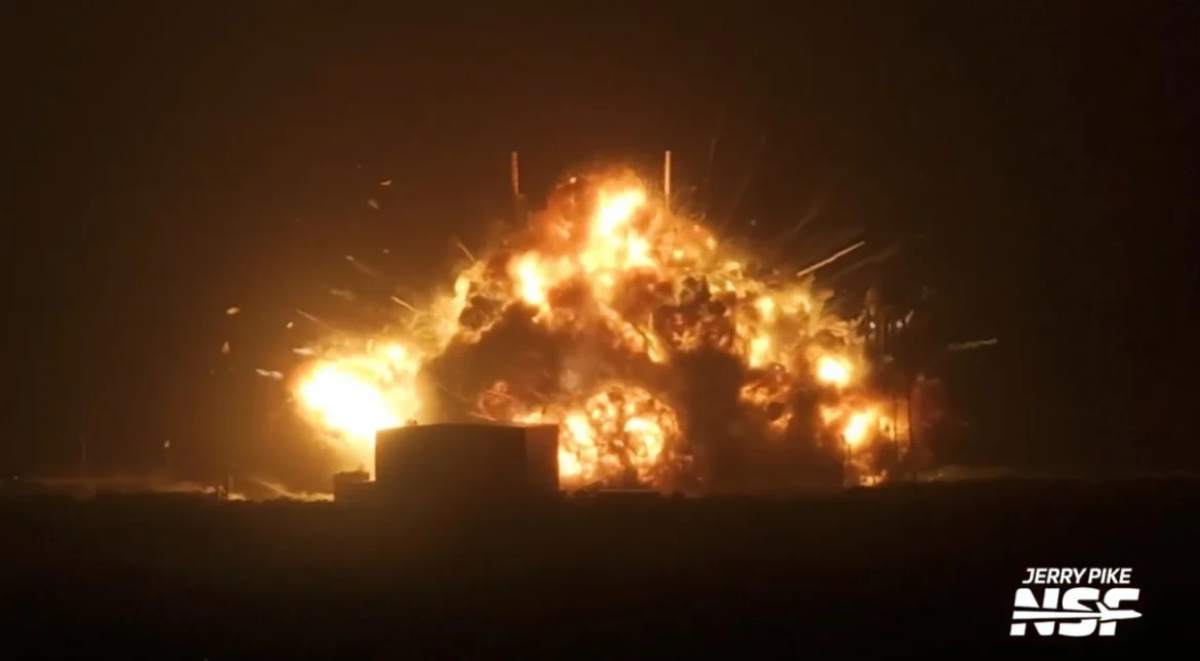
A number of factors could delay NASA's plans of returning astronauts to the surface of the Moon in 2028 via Artemis IV. For starters, a lot depends on how the redesigned Artemis III goes, or if it takes place at all, next year. Yes, the astronauts are set to be announced tomorrow (June 9, 2026), and hardware assembly is well underway, but the commercial lander situation is still quite uncertain. While SpaceX finally managed to debut its Starship Version 3 late last month, both the rocket and the booster will need to hit several milestones before they can fly on the mission. Moreover, the New Glenn hotfire explosion on May 28 has sent Blue Origin back several months. And even if Artemis III takes place on time and is a huge success, Artemis IV may still face its own set of technical hurdles. Also, let's not forget, space has to cooperate as well.
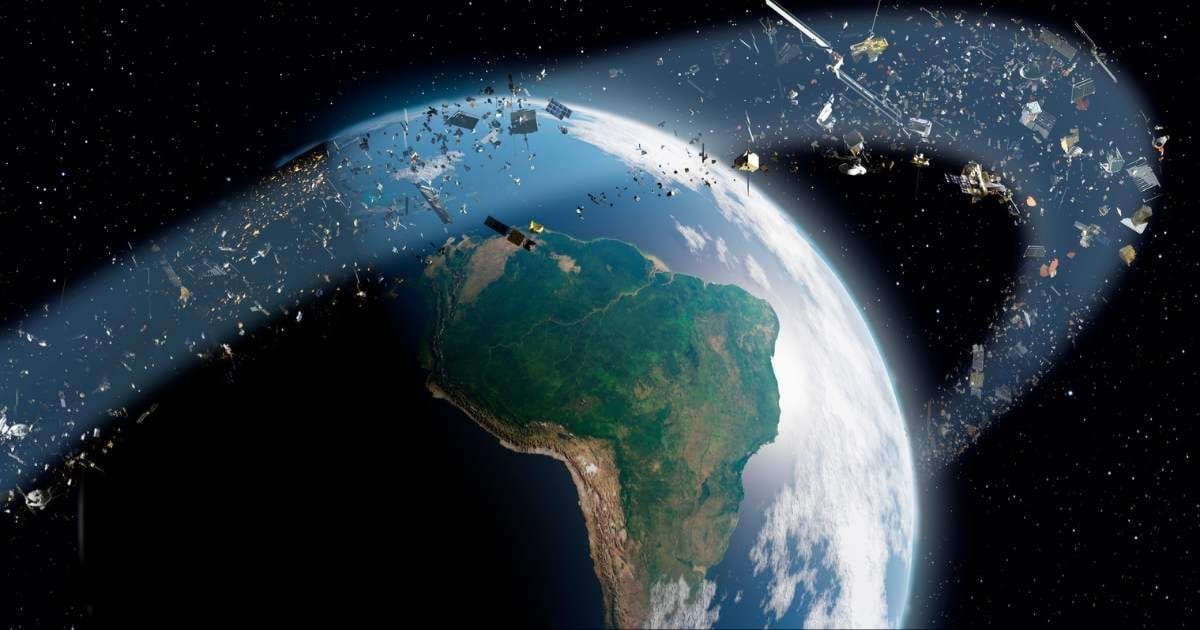
As beautiful as meteor showers are when seen from Earth, they could spell trouble for missions. According to NASA Meteoroid Environments Office lead Bill Cooke, meteor storms and outbursts are quite the mission disruptors, as they lead to a significant increase in the quantity of interplanetary debris in the Earth-Moon environment. "If a major meteor shower outburst or storm is forecast during a mission or crew activity, the mission would be delayed or the crew kept inside until the outburst or storm is over," Cooke told Space.com.
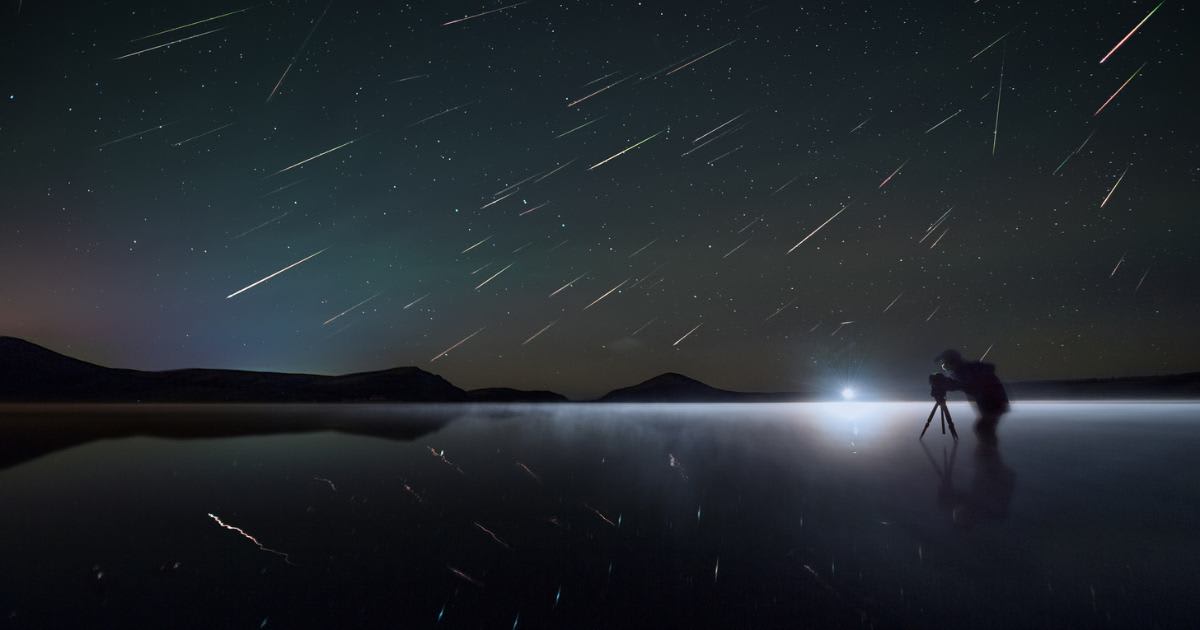
Forecasters have identified four possible outbursts that could take place in the next decade. These involve the Perseids (August 12, 2028) and the Leonids (November 17, 2033 and November 18 & 19, 2034). The strongest of these appears to be the Perseid outburst, which could range from 500 to 1000 meteors per hour," Robert Lunsford of the American Meteor Society told Space.com. Although Artemis IV is scheduled to take place the same year as the outburst, it is unlikely that NASA would plan on launching the mission around that time. But it could lead to the launch window being pushed significantly back in case any unforeseen situation arises.
What precautions does NASA take against these risks?
NASA estimates that about 48.5 tons of naturally occurring debris enters Earth's atmosphere every day. Much of it consists of micrometeoroids. These particles move at roughly 22,000 miles per hour. A microscopic fragment at that speed carries enough force to damage a spacecraft. In November 2025, a crack made by suspected space debris was discovered in the viewport of China's Shenzhou-20 spacecraft. As a result, the crew couldn't use their original return vehicle and had to come home on a different spacecraft entirely. There's a chance that a fast-moving micrometeoroid could leave a hole on the heat-resistant tiles of Orion as well, thereby making the already risky re-entry even riskier for the astronauts inside.
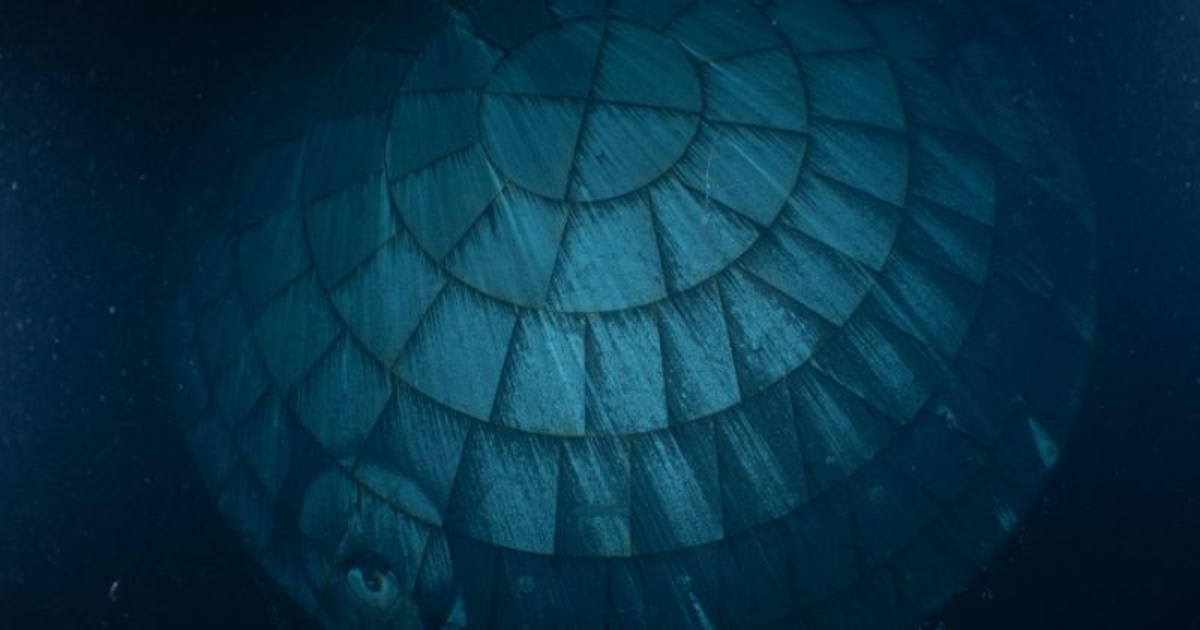
That being said, Orion wasn't built without these threats in mind. "Orion spacecraft material selection and thicknesses have been optimized for micrometeoroid and orbital debris (MMOD) protection and risk balancing," explained Mike Heckwolf, Orion crew and mission risk integrator at Lockheed Martin. "Hypervelocity impact testing is conducted to confirm impact physics, to characterize damage survivability, and verify performance of the Orion spacecraft MMOD design." Moreover, the mission trajectory and Orion's orientation in space are both mapped carefully to reduce exposure to micrometeoroids. NASA and its partners also regularly monitor the micrometeoroid environment both before and during missions.
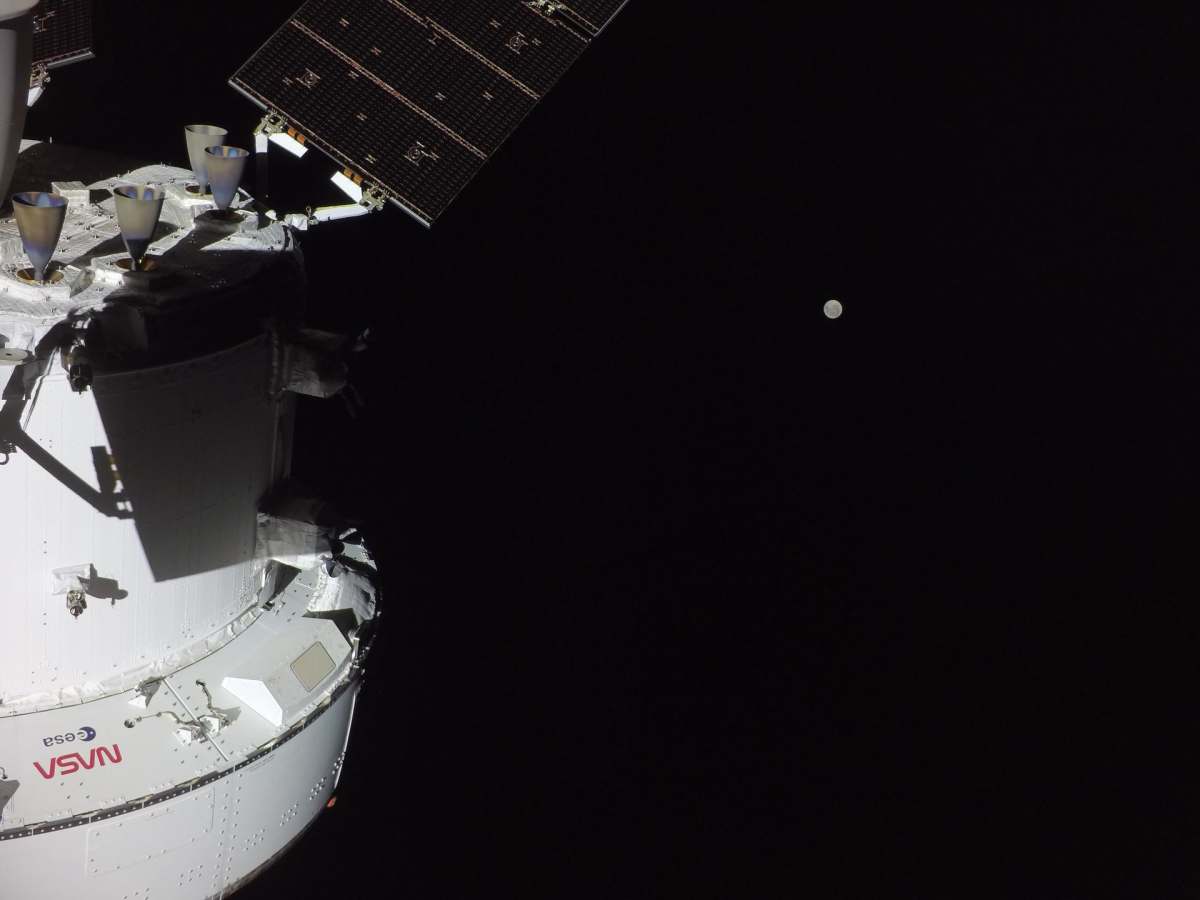
If at all, Artemis IV or any of the subsequent missions to the Moon are delayed due to projected micrometeoroid risk, it wouldn't be the first time NASA would be making such a decision. In 1993, the space shuttle Discovery was delayed to avoid the Perseid shower peak. In 2000, an uncrewed mission from Vandenberg Space Force Base was postponed to sidestep a Leonid outburst.
More on Starlust
Healthcare on the Moon and Beyond: How NASA is Preparing for Medical Emergencies in Deep Space
NASA Testing Regenerative Battery That Could Help Artemis Astronauts Survive Long Nights on the Moon