NASA unveils updated Moon Base plans featuring landers, rover and drones—here's all you need to know
On Tuesday, May 26, 2026, NASA announced the roadmap for what lies in the immediate future of its pursuit of setting up the Moon Base. In a news conference held at the agency's headquarters in Washington, D.C., NASA Administrator Jared Isaacman shed light on three iterative missions named Moon Base I, Moon Base II, and Moon Base III. Each of these missions will be launched by the end of the year, beginning this fall with Moon Base I. These three missions will be uncrewed and represent the first hardware, such as rovers and science instruments, to be sent to the Moon in service of its phased plan for building a long-term human presence.

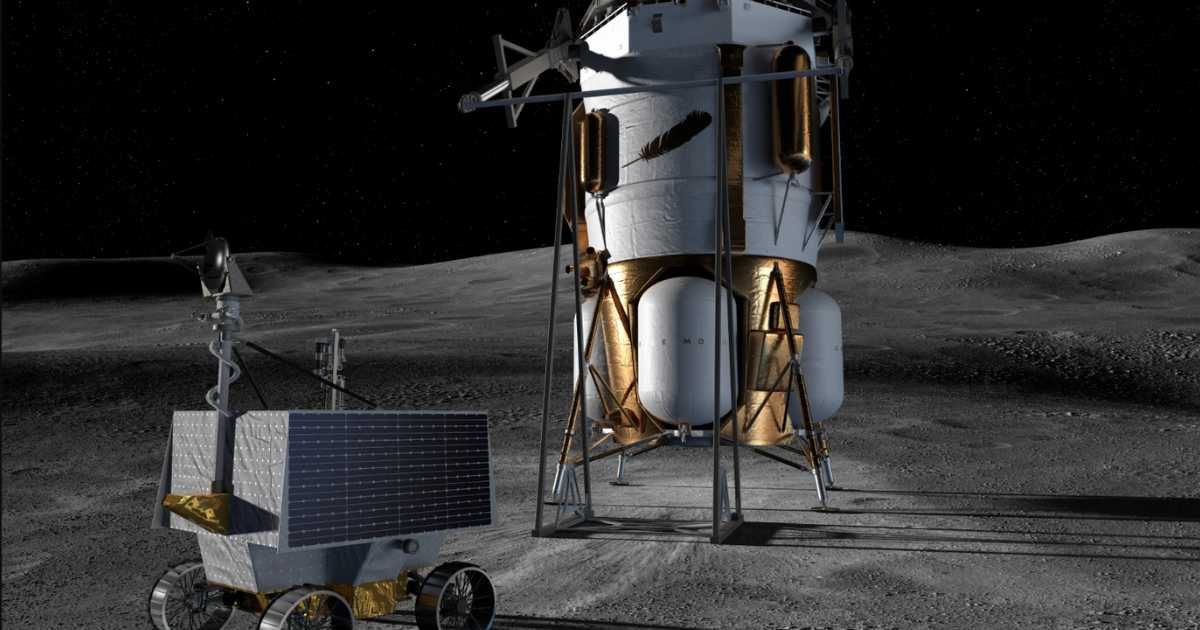
"Moon Base I will be the first privately funded lunar lander mission in history," said Isaacman, speaking of the first version of the Blue Moon lunar lander, called 'Endurance.' "The Blue Origin Mark 1 Endurance lander will deliver multiple payloads to the Shackleton Connecting Ridge, a strategic area of the lunar south pole." The payloads include the Stereo Cameras for Lunar Plume-Surface Studies and the Laser Retroreflective Array. Both will be aimed at ensuring a safe landing on the surface when humans arrive, with the former meant to study the interaction of lunar dust with thrusters and the latter for prospecting potential landing sites using reflected laser light.
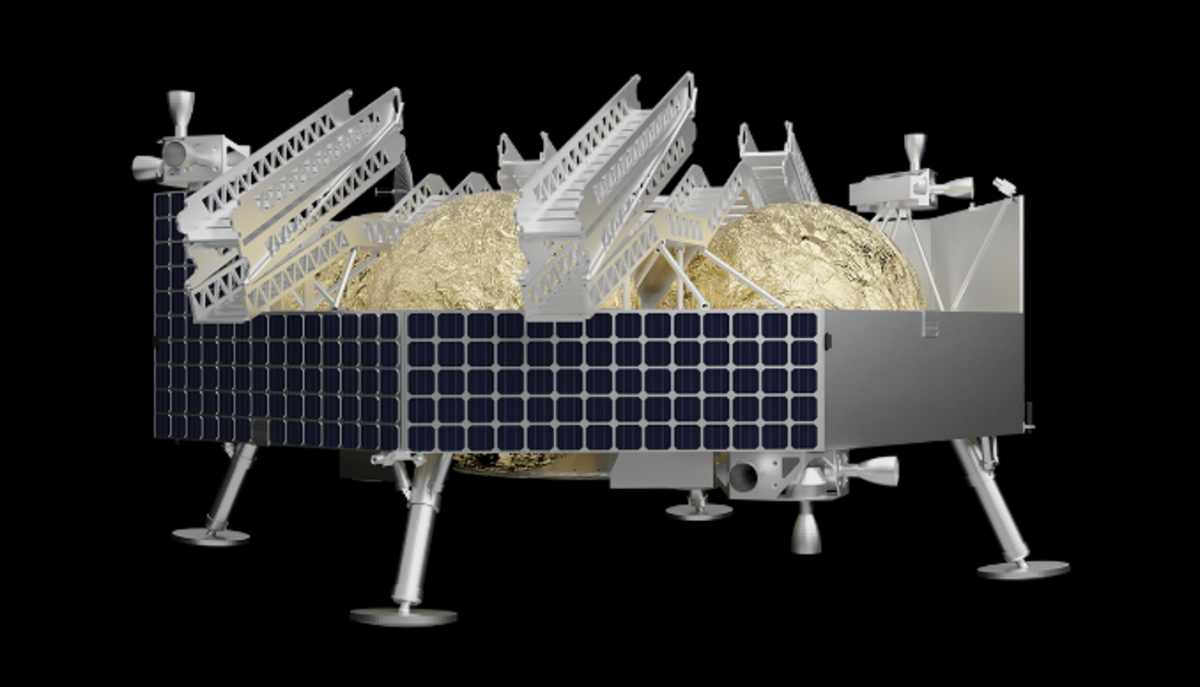
According to the administrator, the second mission will be the largest commercial payload delivered to the lunar surface ever. Moon Base II will focus on the delivery of over 1,100 pounds of cargo, including Astrolab's FLIP rover, with the aid of the Griffin lander, developed by Astrobotic. The main objective of this mission will be to inform the development of Lunar Terrain Vehicles, which was detailed by another panelist at the event, Moon Base Program Executive Carlos García-Galan. In order for the deployment of these LTVs, two of Blue Origin's landers based on the design of the aforementioned Mark 1 Endurance spacecraft will be utilized.
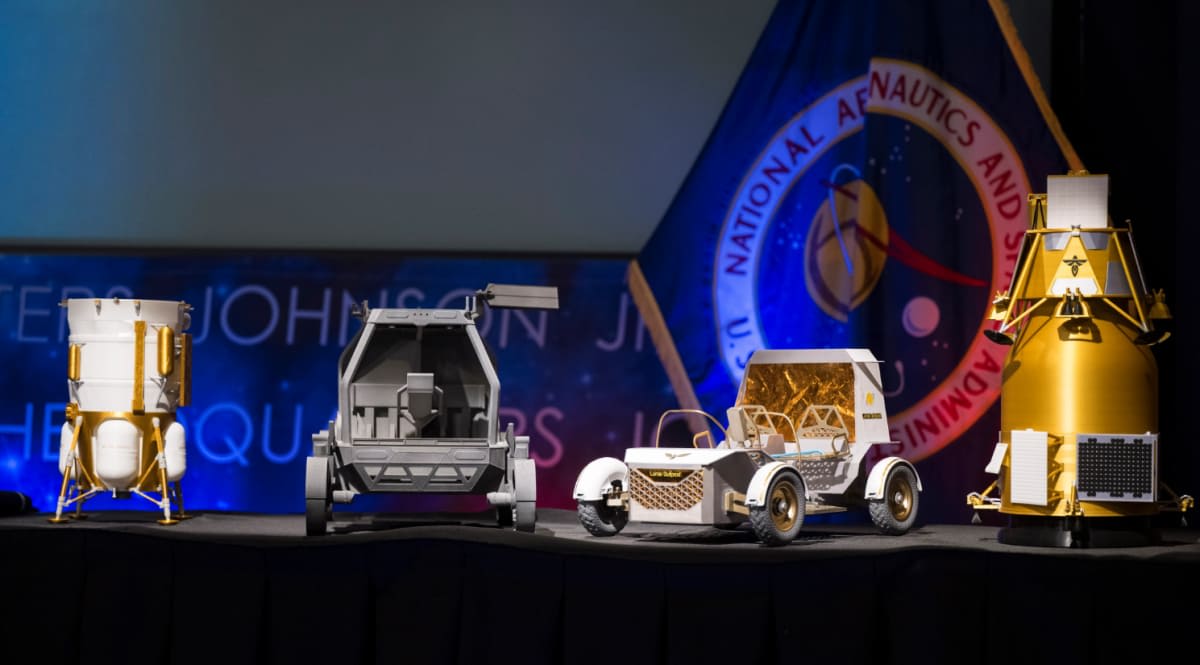
"To deliver these rovers to the Moon’s South Pole region, NASA awarded Blue Origin $188 million with an option period worth $280.4 million for two task orders, which includes an option period based on initial phase performance," a press release from NASA noted. "Mark 1 type of spacecraft is also going to deliver the VIPER (Volatiles Investigating Polar Exploration) rover later, in the fall of 2027," said Garcia-Galan. The LTVs delivered by Blue Origin, besides VIPER, will be built by Astrolab and Lunar Outpost in contracts valued at $219 million and $220 million, respectively. The roughly one-metric-tonne LTVs will be folded up in a compact configuration before unfurling for operations. According to the subject matter experts also present at the event, they will be deployed roughly 2 kilometers away from the landing sites of crewed missions and will drive there to pick up the humans once they arrive. The astronauts will be able to drive the LTVs themselves as well, up to a distance of 400 kilometers in total.
As astronauts prepare to land on and travel the Moon, reliable mobility is essential 🌕
— Leidos (@LeidosInc) May 26, 2026
We're supporting @NASA and the future of space exploration as part of the Lunar Outpost-led Pegasus LTV team selected to develop NASA’s next-generation Lunar Terrain Vehicle with @GM and… pic.twitter.com/gDV1qAND39
Isaacman went on to describe the third mission in this series of missions targeted before the end of this year as one meant to expand the understanding of the lunar surface, especially with respect to the task of landing on it with humans in 2028. On Moon Base III, he said, "This mission will deliver the first payload selected through NASA's PRISM initiative (Payloads and Research Investigations on the Surface of the Moon), a program that brings together universities, researchers, and industry through open competition to solve scientific questions." Moon Base III's main piece of hardware will be the Lunar Vertex instrument and will also feature contributions from the European Space Agency as well as the Korea Astronomy and Space Science Institute. The lander for this mission will be the Nova-C Trinity lunar lander built by Intuitive Machines.
The next era of Moon exploration has begun! We're proud to announce a $75 million subcontract from @NASAJPL to deliver four drones above the Moon's south pole with our Elytra orbiter. In support of @NASA's MoonFall mission and larger Moon Base initiative, these drones will help…
— Firefly Aerospace (@FireflySpace) May 26, 2026
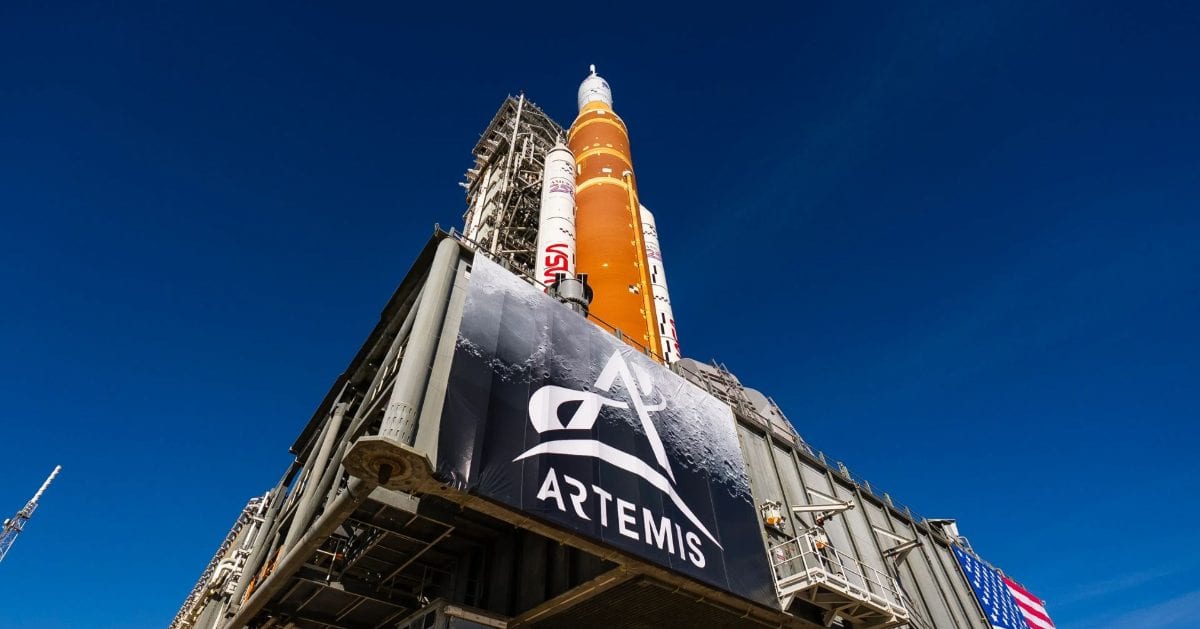
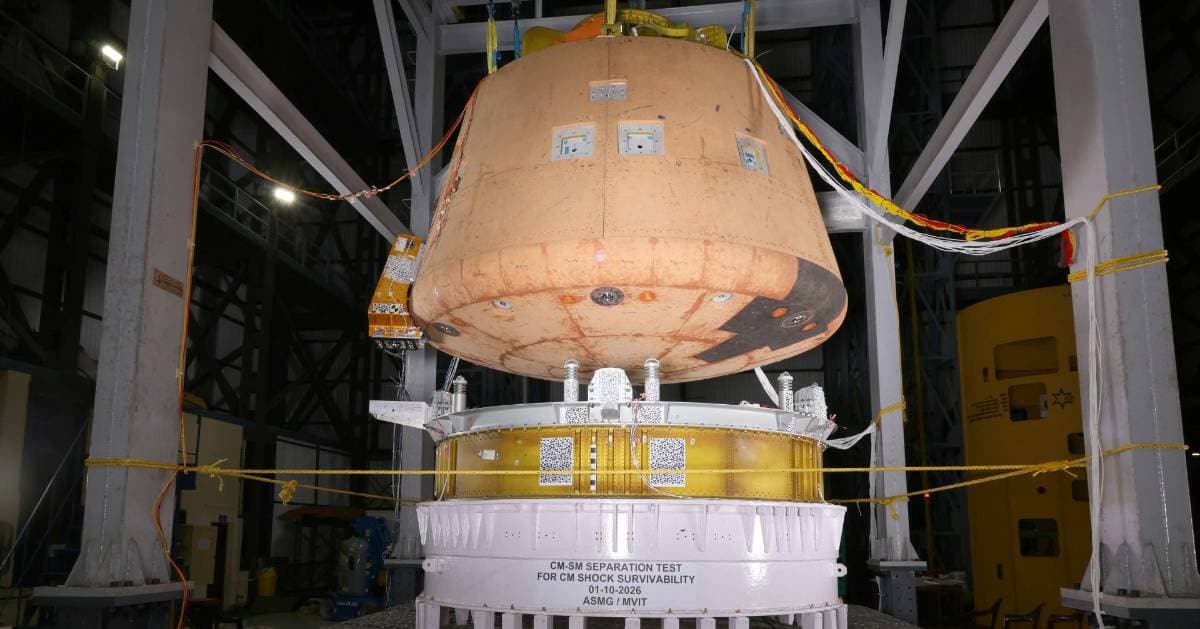
In other updates, the Moonfall hopping drone was also discussed for imaging the lunar terrain in centimeter-scale resolution. Also speaking at the event was Acting Associate Administrator Dr. Lori Glaze of the Exploration Systems Development Mission Directorate. Addressing the progress made so far for NASA's next crewed mission next year, she said, "Artemis III hardware, from the SLS core stage to Orion's modules to lander partner systems is moving into final integration flight readiness development." Dr. Glaze also informed that hardware for the following missions in the program in Artemis IV and V, are also on their way to Kennedy Space Center in Florida from other NASA partner facilities across the US and abroad.
More on Starlust
Artemis III SLS core stage arrives at Kennedy Space Center as Artemis II spacecraft undergoes study
Artemis III mission revised outline: NASA takes its call on ICPS, major questions still unanswered