Elon Musk may consider Starship's heat shield problem 'solved', but experts think it's a 'dead end'
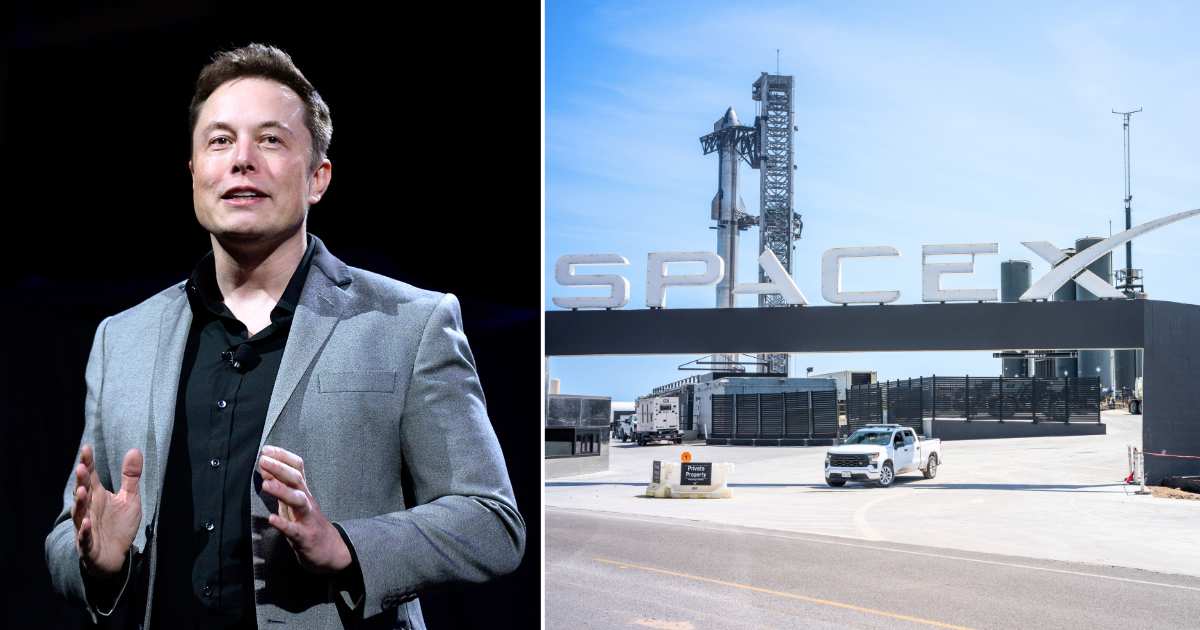
The biggest hurdle standing in the way of Starship achieving full and rapid reusability is the heat shield. Elon Musk himself has said so repeatedly. "Being able to land the ship, refill propellant & launch right away with no refurbishment or laborious inspection. That is the acid test," he had written on X back in November 2024. Cut to about two years later, and he seems more than happy with the progress that has been made.
The biggest technology challenge remaining for Starship is a fully & immediately reusable heat shield.
— Elon Musk (@elonmusk) November 20, 2024
Being able to land the ship, refill propellant & launch right away with no refurbishment or laborious inspection. That is the acid test.
"I don't want to jinx it or anything, but I think I'd consider the heat shield problem solved at this point," said Musk during SpaceX's first-ever earnings call on August 4. He was referring to Starship's thirteenth flight test, which took place on July 24. SpaceX is, in fact, so happy with how it went that they're planning to launch the 408-foot-tall space vehicle on its fourteenth test flight as early as the end of this month. Additionally, the company is planning to catch the upper stage (Ship) upon its return to the launch pad this time around—something that it has never done before. Musk even said that the expectation is that Starship will hit a daily cadence of one flight or more by next year. Experts outside of SpaceX, however, are less optimistic.
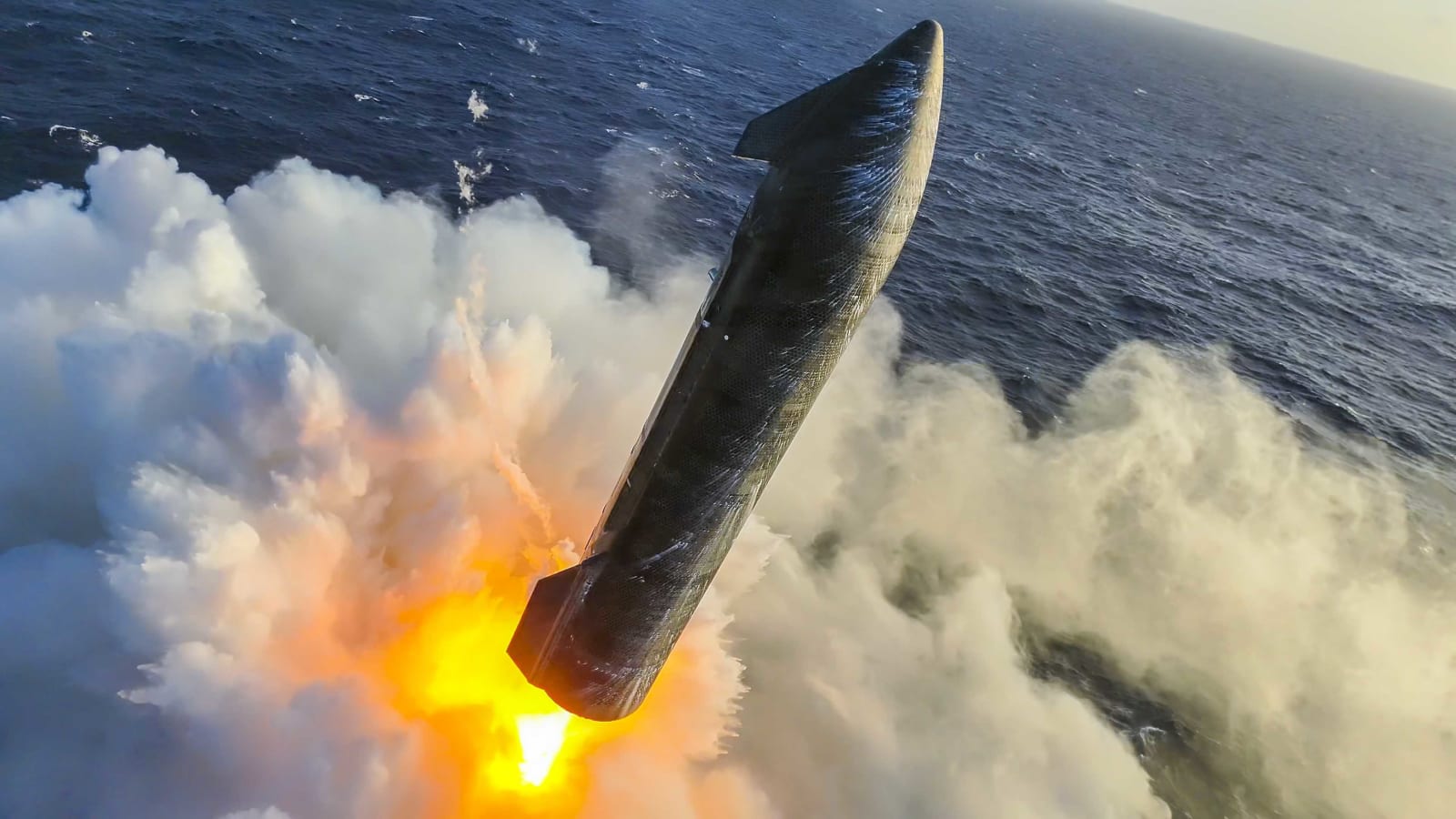
An independent analysis of Flight 13 recently concluded: "Based on the data from the recent Starship V13 flight, we assert that the current thermal protection system (TPS) technologies are a dead-end, and cannot get to Mach 25 full-and-rapid reusability." The authors of the report, Charles Miller, Dan Rasky, and Charles Camarda, are all former NASA professionals with expertise in Mach 25 reusable launch vehicles and full and rapid reusability. Rasky, in fact, co-invented PICA, the base material for PICA-X, which is used on the heat shield of SpaceX's Crew Dragon.

While only a handful of Ship's heat shield tiles were lost during reentry, notable white streaks across the heat shield, most of which appeared at the boundaries between tiles, suggested that hot gas may have penetrated these boundaries. A high-definition video also indicated that several dozen to hundreds of tiles were "cracked, chipped, and substantially damaged," the experts wrote.
They think that this TPS will allow Starship to be reusable, albeit with significant turnaround times, which is good enough to build a next-generation Starlink V3 constellation and other LEO satellite systems. But with the kind of damage it seems to have sustained during Flight 13, the TPS will need to undergo thorough inspection and refurbishment before it can fly again. "With this TPS, Starship cannot hit the high flight rate and high-reusability requirements, with rapid turn-around, that we all want and need," the experts noted, putting the establishment of large-scale orbital data centers and human settlements on the Moon and Mars outside of the TPS's capabilities.
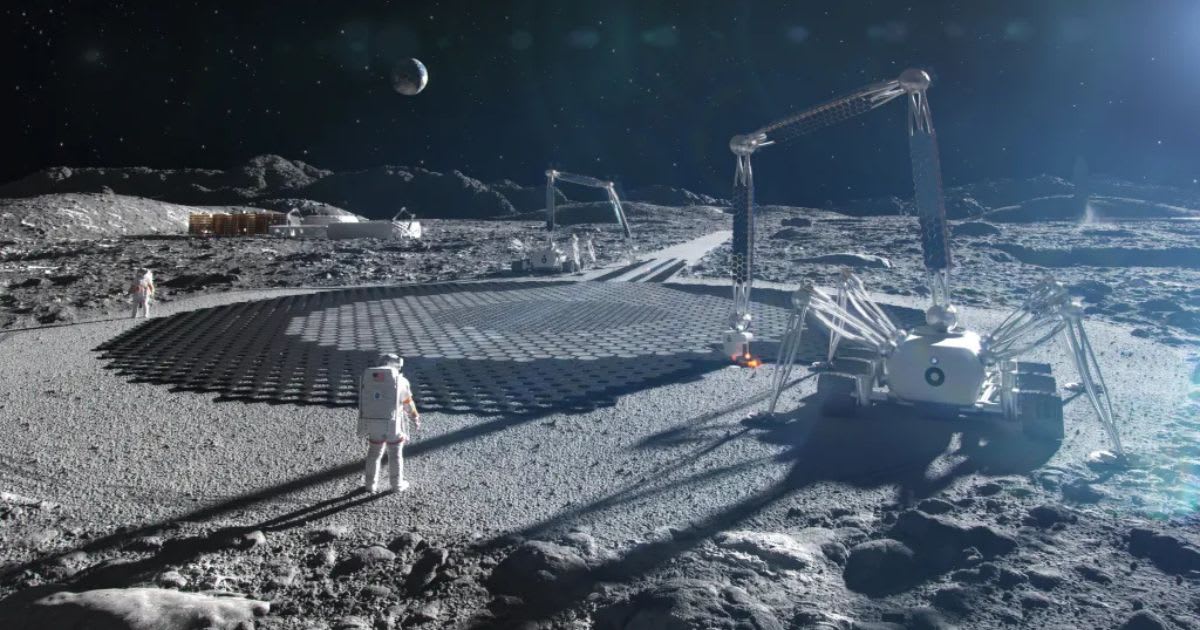
As a solution to the problem, NASA needs to work on developing new TPS technologies, something the authors say the U.S. government stopped investing in more than two decades ago. "Everything being flown on Starship is a technology that was developed 30 to 40 years ago in the Shuttle, National Aerospace Plane (NASP), or X-33 RLV programs," they wrote. Restarting research in this area will not just help SpaceX but also other U.S. companies "advance to the next generation of Mach 25 reusable systems."
More on Starlust:
'Not looking good': Elon Musk shares update on SpaceX's Starship still afloat in the Indian Ocean
SpaceX Falcon 9 rocket impact crater on the Moon spotted by South Korean orbiter—see first pictures