Astronaut Mike Fincke retires from NASA months after historic medical evacuation from ISS
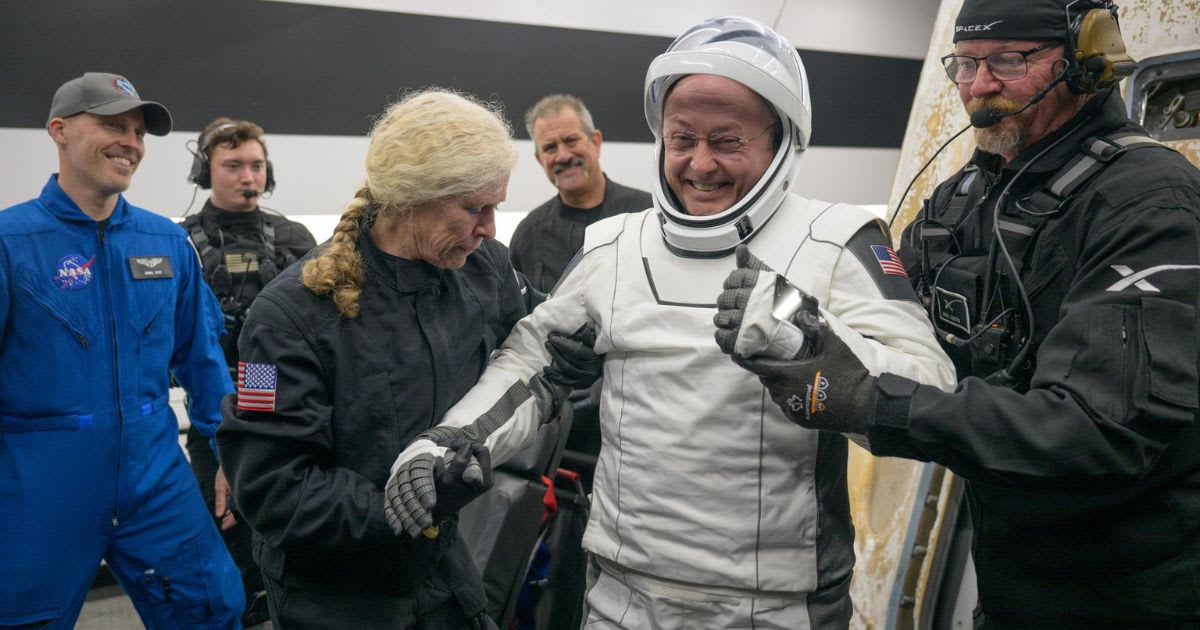
Astronaut Mike Fincke has retired from NASA after 30 years of service, the space agency announced on Thursday. Having joined NASA’s 16th astronaut class in 1996, Fincke had an illustrious career with vast spaceflight experience on multiple generations of spacecraft.
.@NASA astronaut Mike Fincke is departing the agency on Wednesday after 30 years of service. Throughout his career, he flew four missions, spent 549 days in space, and completed nine spacewalks in support of the @Space_Station.
— NASA Space Operations (@NASASpaceOps) August 12, 2026
He ranks fourth among NASA astronauts in… pic.twitter.com/h3K0vvWncG
NASA administrator Jared Isaacman congratulated Fincke and thanked him for his service as a pilot, engineer, astronaut, and mentor. “Few people have had the opportunity to shape as many chapters of NASA’s history as Mike Fincke," Isaacman said. “From long-duration missions aboard the International Space Station to helping prepare the Artemis generation, his contributions have helped position NASA for what comes next.”
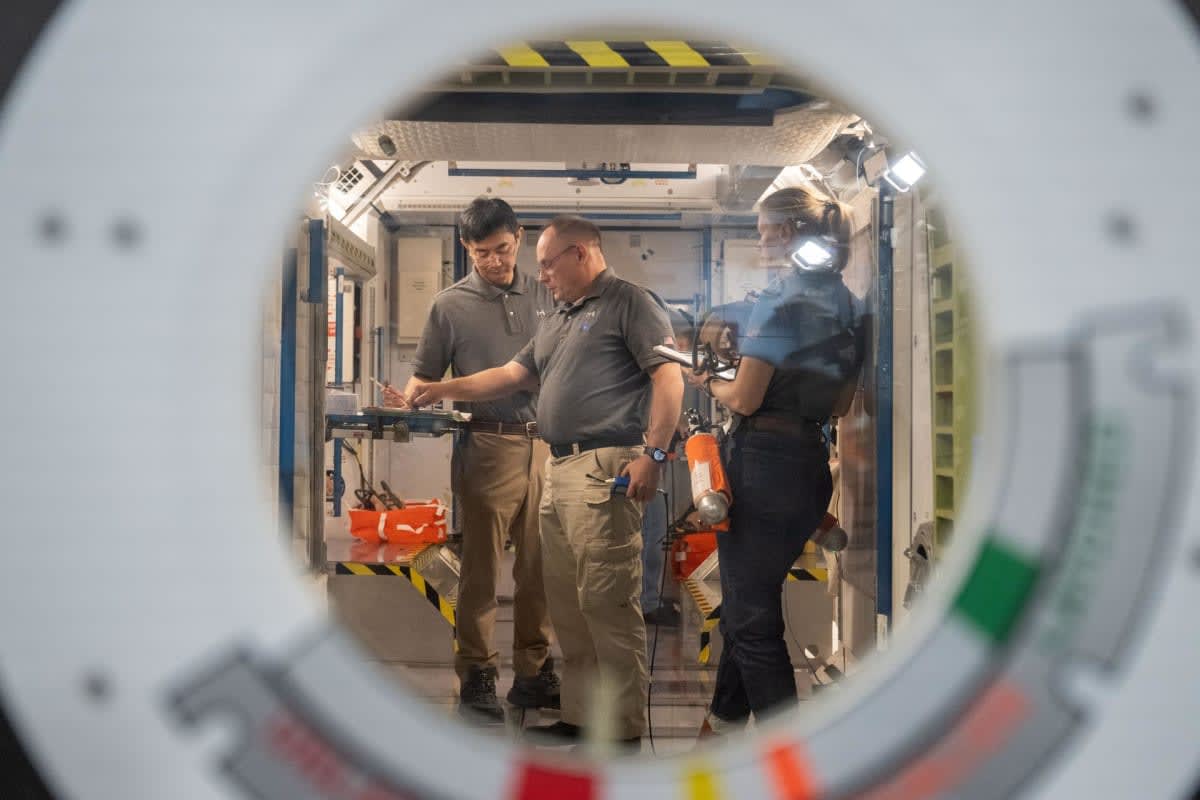
In his statement, Fincke expressed gratitude for NASA and vowed to remain committed to space exploration. “I am profoundly grateful to my crewmates, the teams on the ground, our international partners, and the families who make this work possible. I am excited to carry those lessons forward and help prepare the next generation of engineers, explorers, and leaders. Together, we will return humanity to the Moon, travel to Mars, journey outward to the planets and moons beyond Earth, and someday reach for the stars – all while caring for Earth, the most beautiful planet in our solar system,” he said.
Fincke’s career accomplishments
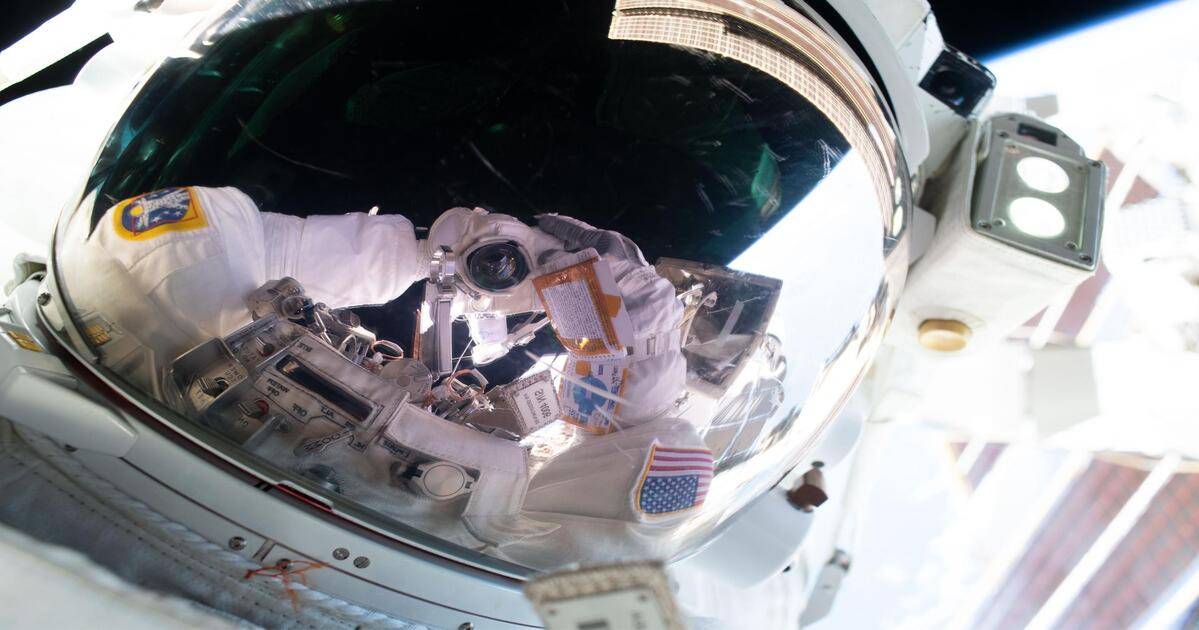
According to NASA, Fincke ranks fourth among its astronauts in accumulated time in space (549 days) and has clocked in 48 hours and 37 minutes across seven spacewalks in his career. In 2004, he flew on his first mission to support the International Space Station’s (ISS) Expedition 9 and served as a science officer and flight engineer. He performed four spacewalks on that mission alone.
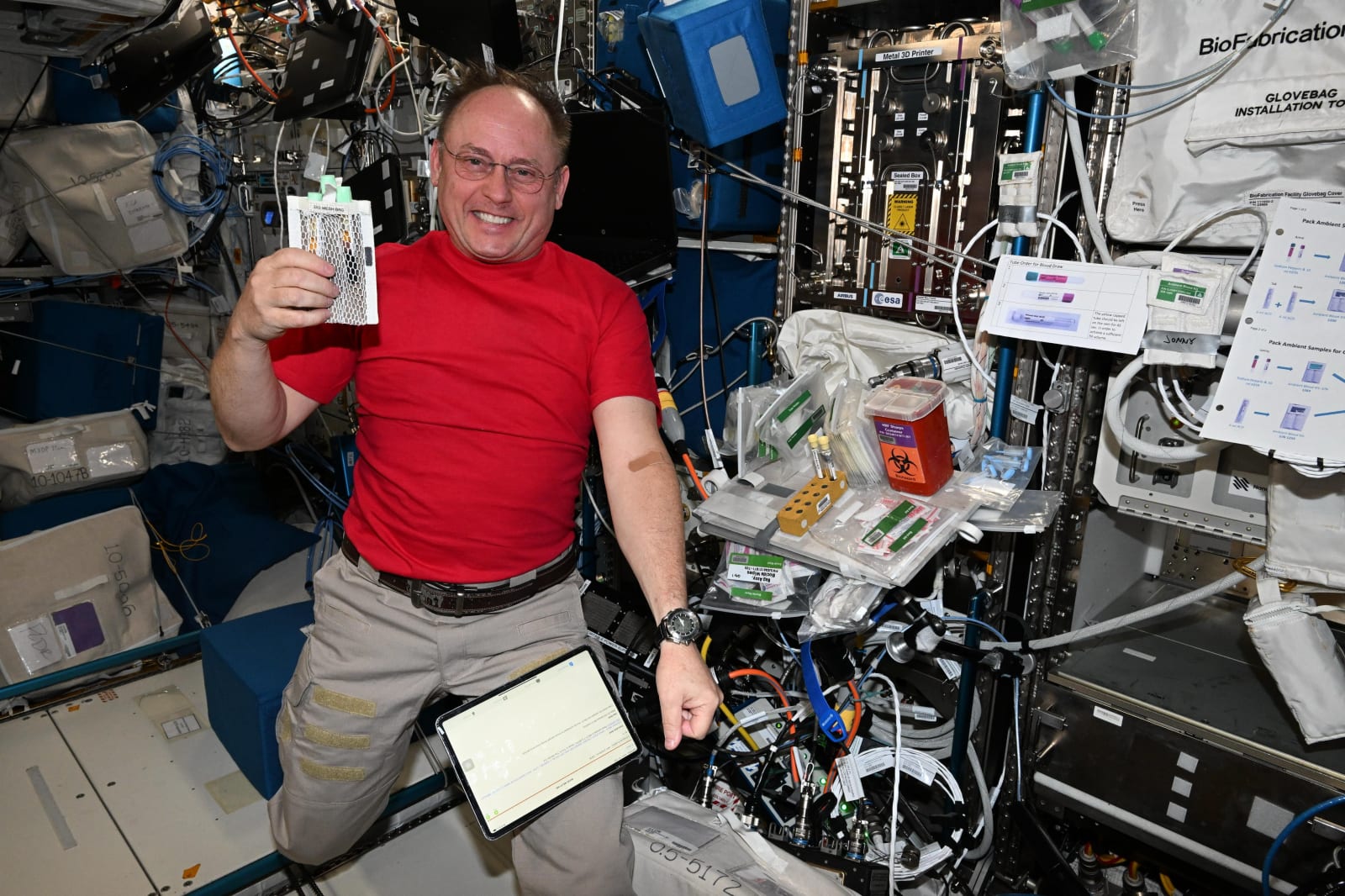
In 2008, he flew on Soyuz TMA‑13 as commander of Expedition 18 and helped the station transition into a six-person crew while performing two spacewalks. Three years later in 2011, he served as a mission specialist on the Space Shuttle STS‑134 mission and completed three spacewalks and helped install a key instrument outside the station. A retired US Air Force colonel, he also has more than 2,000 flight hours in 30 different types of aircraft under his belt.
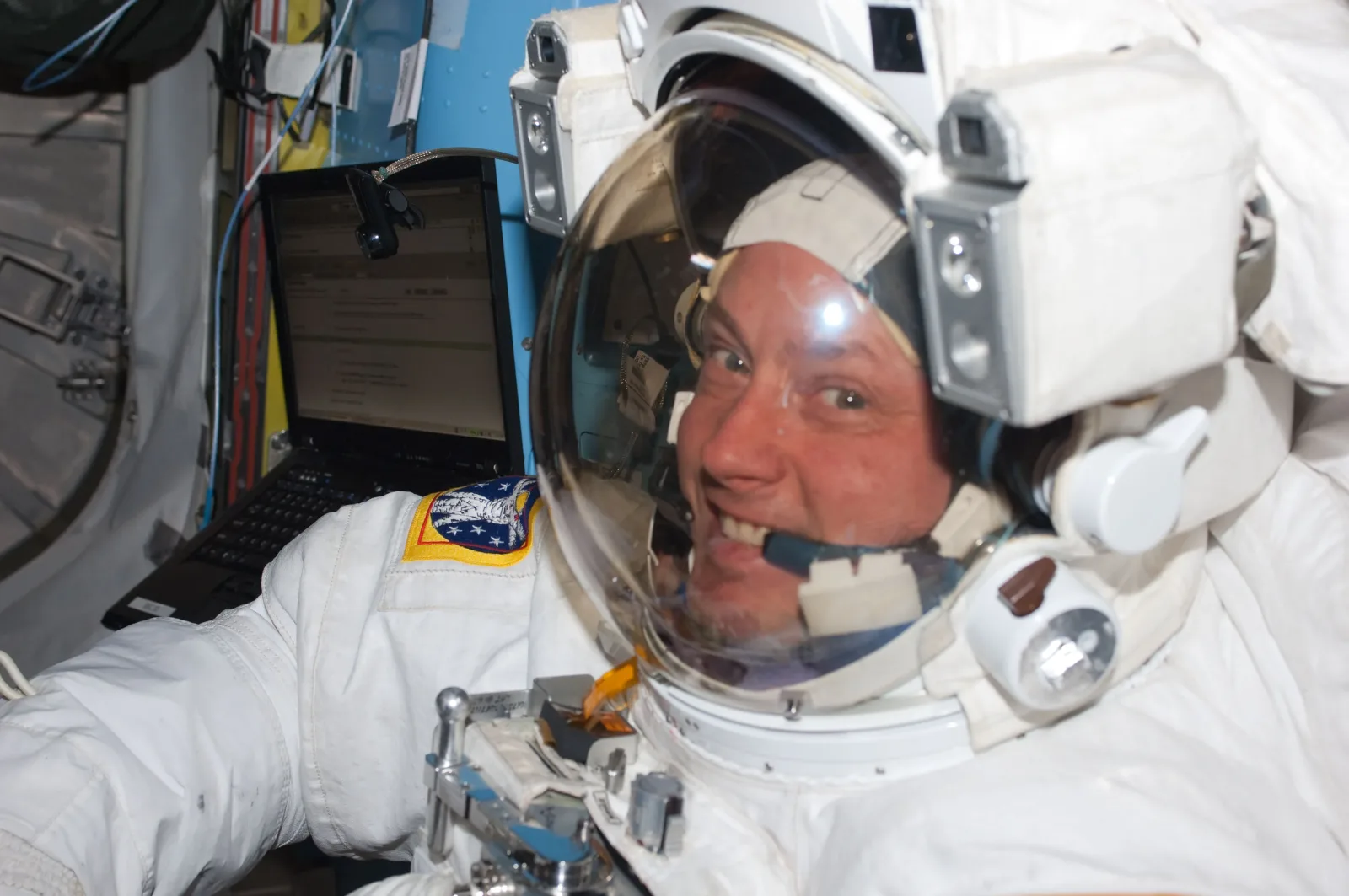
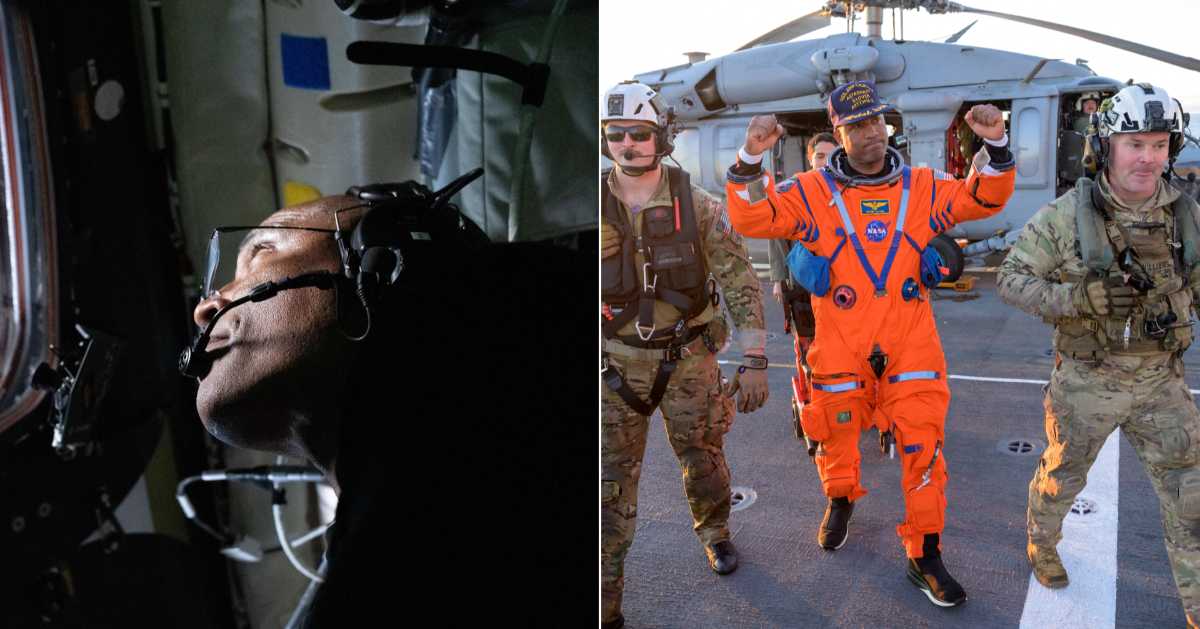
His most recent mission was as a pilot for the NASA-SpaceX Crew-11 mission, which launched on August 1, 2025, and ended prematurely in about six months. The mission was cut short by a few weeks because Fincke had a health scare aboard the station, which prompted NASA to carry out the first ever medical evacuation from the orbital lab.

The astronaut had revealed that he was unable to speak in space for about 20 minutes, and NASA decided to bring him home as a precautionary measure in January. While the space agency withheld details of the ailment and the astronaut’s identity, Fincke revealed to the world days after his return that it was his condition that forced the medical evacuation. The reason for his loss of speech still remains a mystery, and medical researchers are working to find the exact cause.
More on Starlust
Why do astronauts train underwater before going on spacewalks?
NASA and SpaceX Crew-13 ready for Sep 2026 launch to the ISS: Key highlights, crew details, and more