Blue Origin CEO shares latest updates as company revamps Cape Canaveral launchpad after May mishap
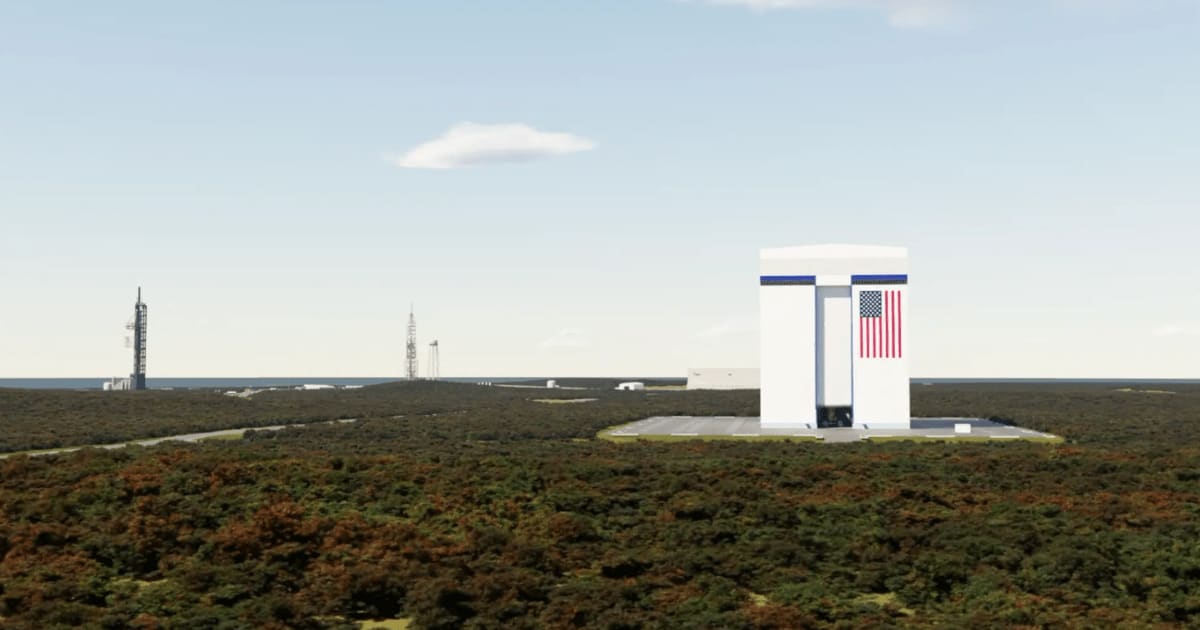
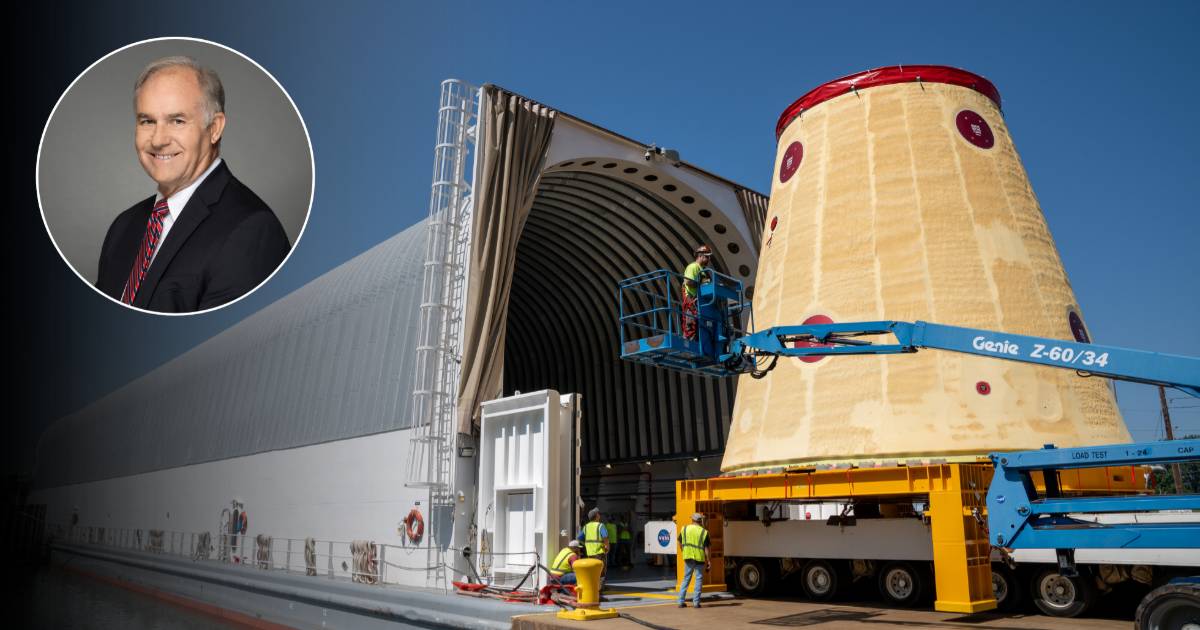
Jeff Bezos-owned aerospace giant Blue Origin has reiterated its goal of reaching orbit by the end of the year. Doubling down on this objective, CEO Dave Limp took to X on August 12, 2026, to pull the curtain back from the developments taking place at the company's two pads at Launch Complex 36 (LC-36) at Cape Canaveral Space Force Station in Florida. Having seen a catastrophic explosion destroy parts of it in May, LC-36A has been undergoing reconstruction work since the static fire test failure. The latest from Limp confirms the use of LC-36A exclusively for the company's 7x2 New Glenn rockets, while the new LC-36B is being built with the future in mind.
We’re building Launch Complex 36B at Cape Canaveral Space Force Station to support New Glenn’s high-cadence launch operations and infrastructure resiliency. 🚀 Read more: https://t.co/BzTHt5YGmQ pic.twitter.com/CiLffraAN1
— Blue Origin (@blueorigin) August 12, 2026
"Rebuilding LC-36A and flying again this year remains our priority," Limp stated in his post, referring to the 7x2 getting back into spaceflight. The name of the New Glenn rocket configuration—slated to be used for next year's Artemis III—comes from the fact that it contains seven lower-stage BE-4 engines and two BE-3U upper-stage engines. Blue Origin had previously been working towards making a larger iteration of the company's New Glenn rocket flight-ready. This configuration for the heavy-lift rocket is called 9x4, featuring two more engines in each of its stages. However, with the destruction at LC-36A threatening to jeopardize Blue Origin's participation in NASA's flagship mission, the company decided to drop the idea of using the 9x4 for the 2027 mission.

Instead, the focus has shifted to rebuilding infrastructure based around a new concept of operations (method of rocket integration) for making the 7x2 New Glenn flights more frequent. The increased cadence of 7x2 launches will allow the company to gain confidence ahead of Artemis III, which has been described as a complex launch campaign with three enormous rockets lifting off in a coordinated fashion within a short space of time. Moreover, the company hasn't had a successful New Glenn launch since prior to the NG-3 flight in April—which ended in an upper-stage anomaly and the Federal Aviation Administration (FAA) grounding the rocket. In other updates, Blue Origin also announced that the other launchpad under construction at Cape Canaveral—LC-36B—will allow the company to continue working towards its 9x4 rockets as well.
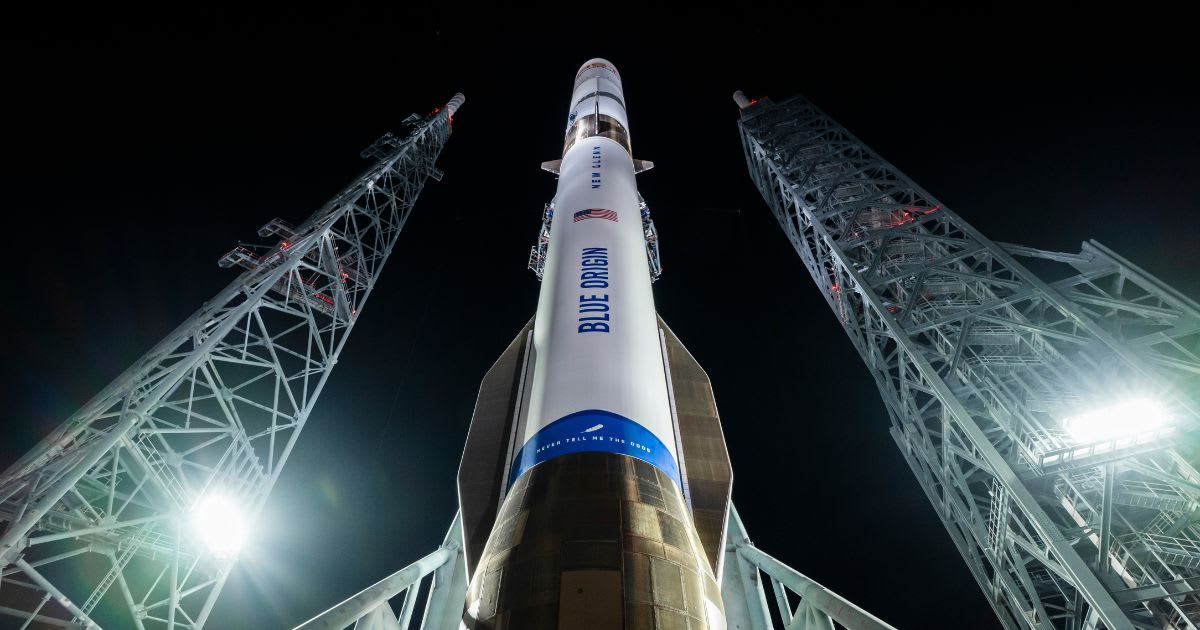
As part of the LC-36B development, Blue Origin has announced that it has partnered with the U.S. government to build specific facilities. Some of the new facilities named by the company in its statement include the Vertical Integration Facility (VIF) and a Payload Processing Facility (PPF). According to Blue Origin, the latter facility will not be limited to supporting 9x4 New Glenn launches, since it will also be able to cater to National Security Space Launch (NSSL) missions. Limp, pointing towards the work that has gone into LC-36B, added, "We're sourcing 2,500 tons of steel columns that will be integrated with beams and bracing to form 50'x50'x50’ modules. These modules will be stacked to build the 700-foot-tall launch tower."
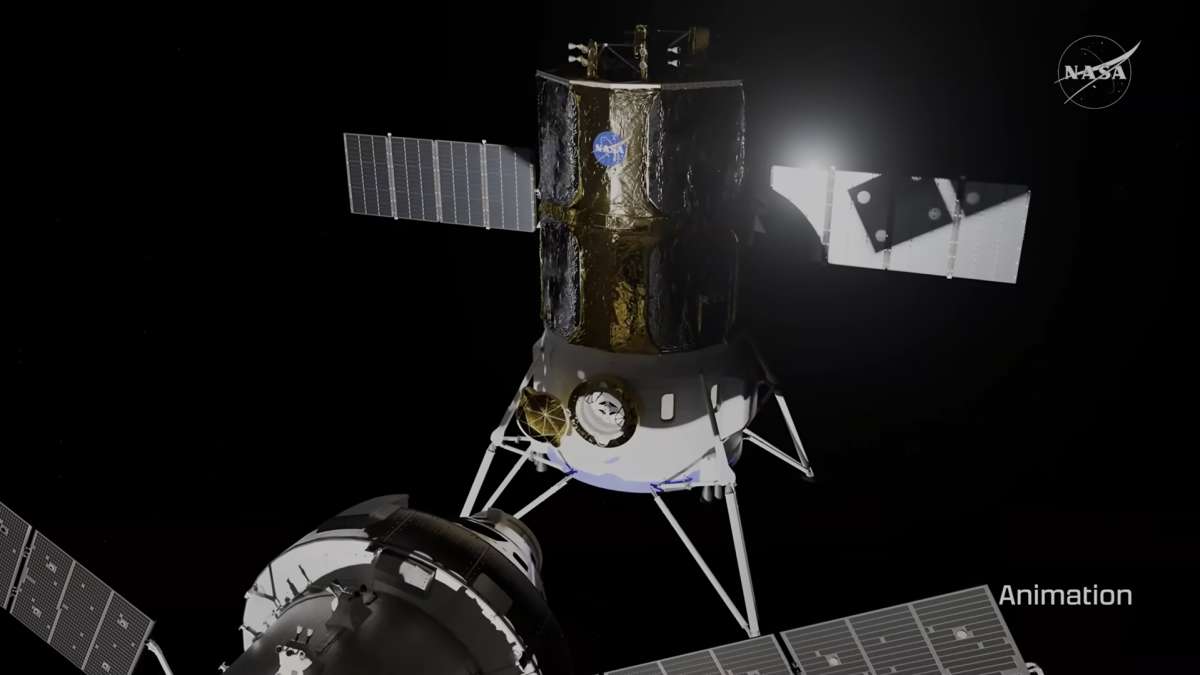
Blue Origin is currently battling to retain the role of its New Glenn rockets within NASA's Artemis program, which is poised to return humans to the surface of the Moon after more than half a century. The public agency's plans dictate that a New Glenn 7x2 will deliver Blue Origin's Blue Moon Human Landing System pathfinder to Earth's orbit for a rendezvous with the Artemis III crew, who will launch separately inside the Orion capsule on top of NASA's Space Launch System rocket. However, ever since the LC-36A explosion, the agency has had to consider other options for launch vehicles from the likes of rivals SpaceX and ULA in the event that New Glenn isn't ready.
More on Starlust:
Blue Origin’s CEO reveals what went wrong during hotfire test that caused New Glenn explosion in May
Blue Origin's rocket explodes on launch pad in Florida—a look at New Glenn's troubled past