How NASA's Artemis III mission differs from Artemis I, II and Apollo 9
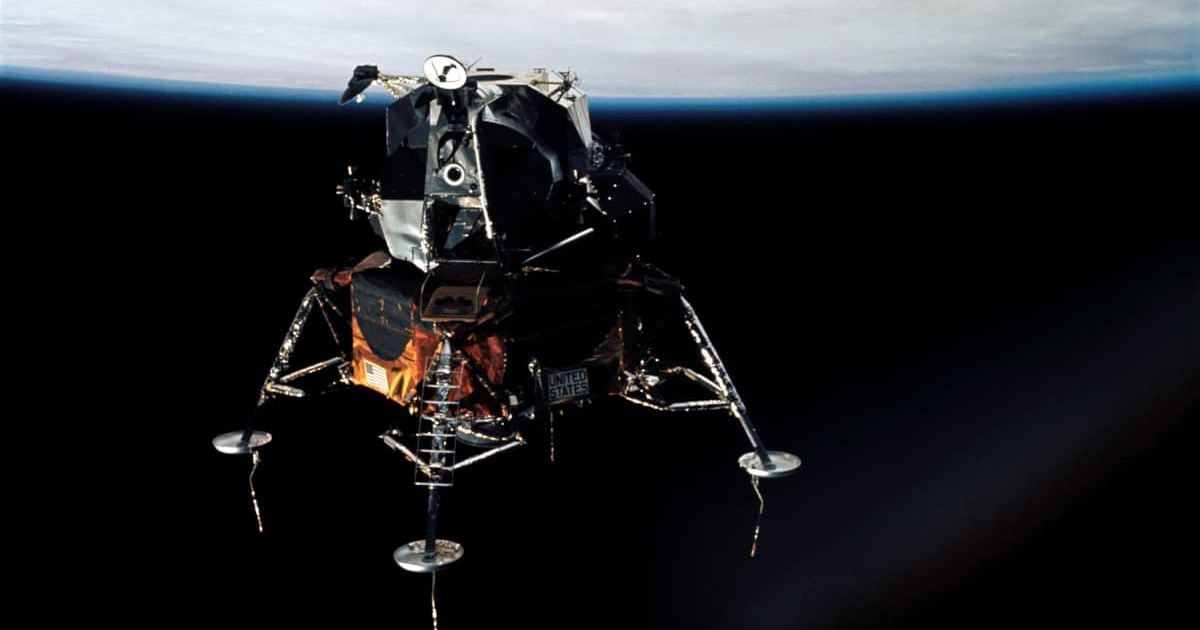
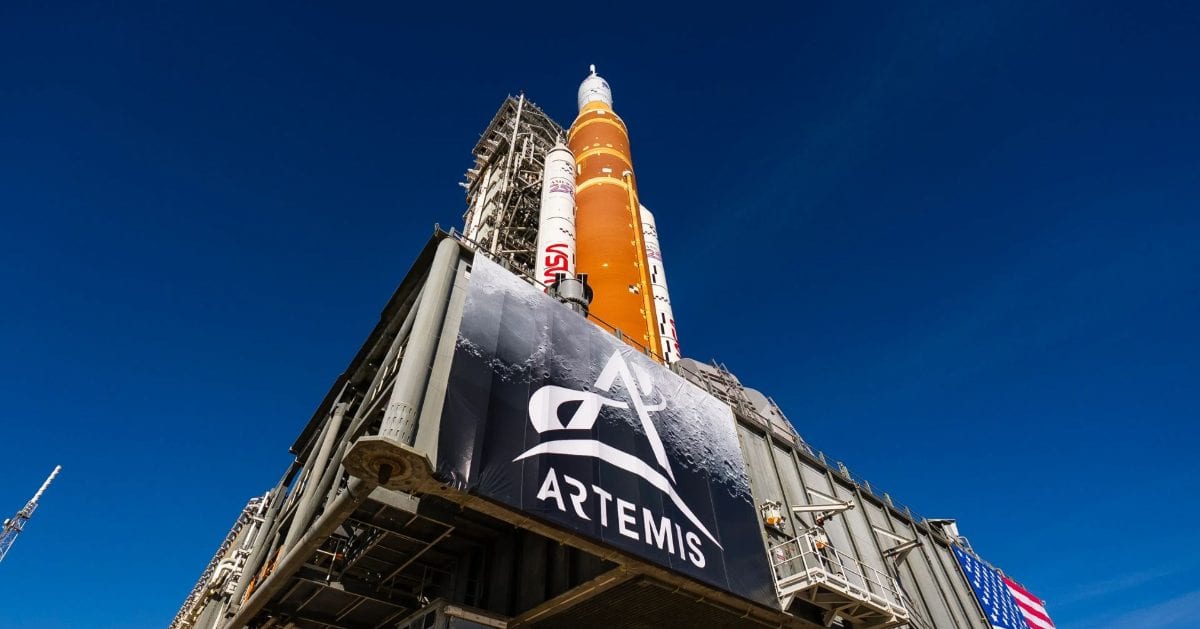
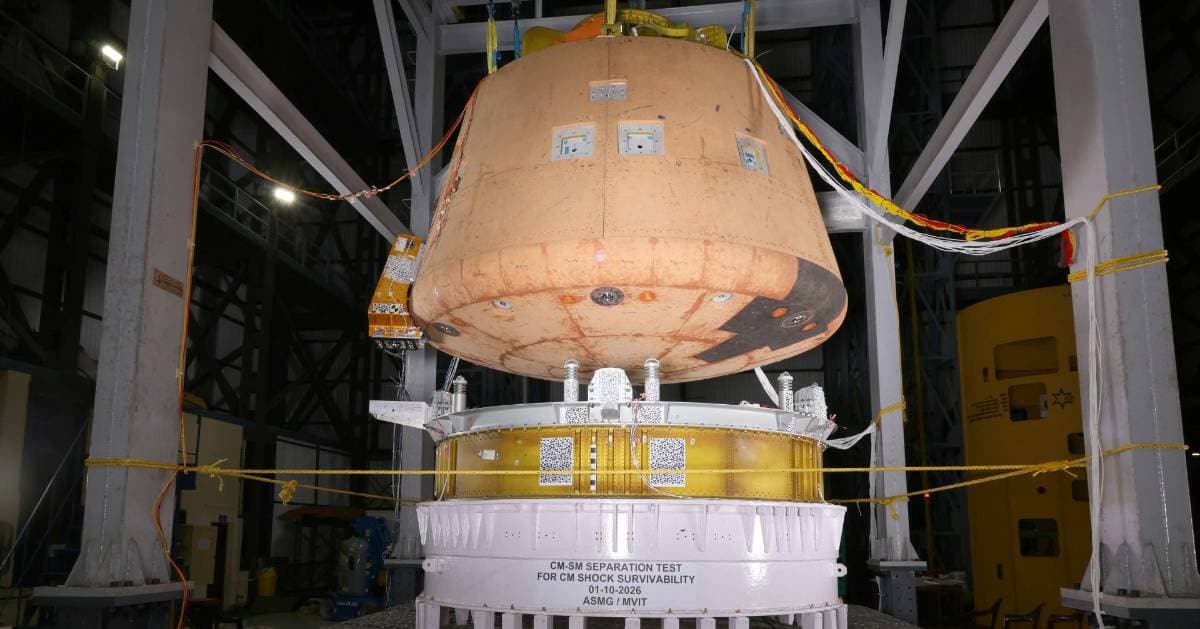
NASA's Artemis program is officially paving humanity's modern road back to the Moon. While earlier missions in the program focused on building 'operational heritage' for the Space Launch System (SLS) rocket and the Orion spacecraft, the upcoming Artemis III mission is similarly set to act as a crucial validation run for the human landing system (HLS) spacecraft—the massive landers that will eventually return humans to the lunar surface. Interestingly, despite a gap of more than half a century between the missions, Artemis III has much in common with 1969's Apollo 9. Both missions followed previous flights—Artemis II and Apollo 8, respectively—that took humans around the Moon. The key point of similarity, however, is the fact that both were designed to take place in Earth orbit with the same objective: validating the lunar landers in the vacuum of space for the first time with a human crew inside.
Artemis III v Apollo 9
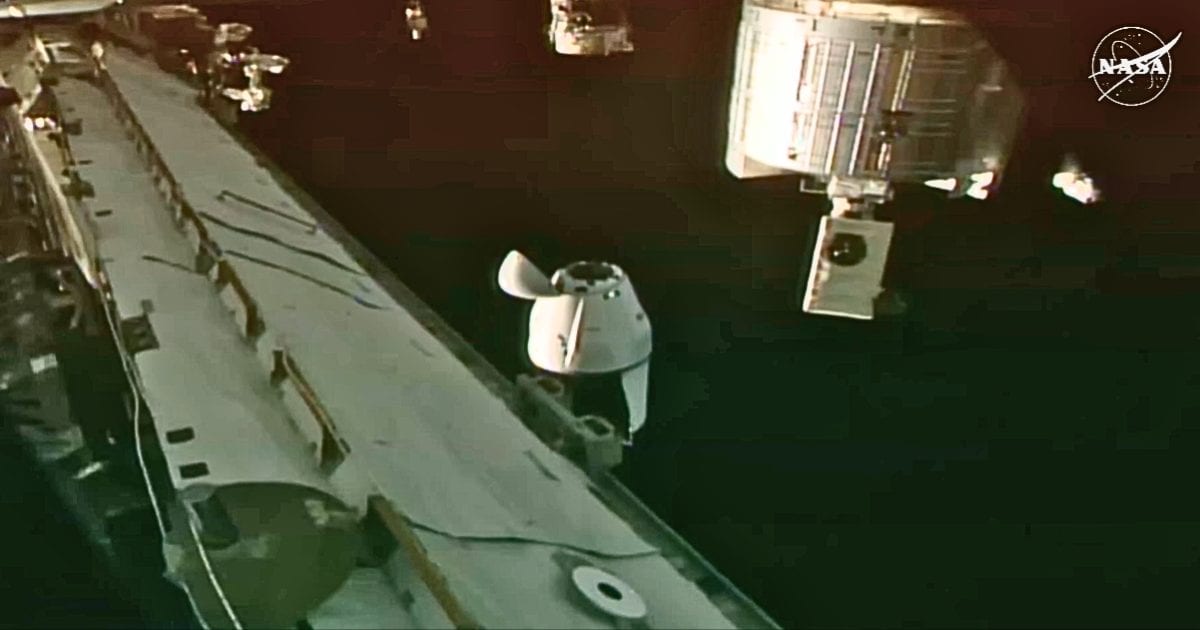
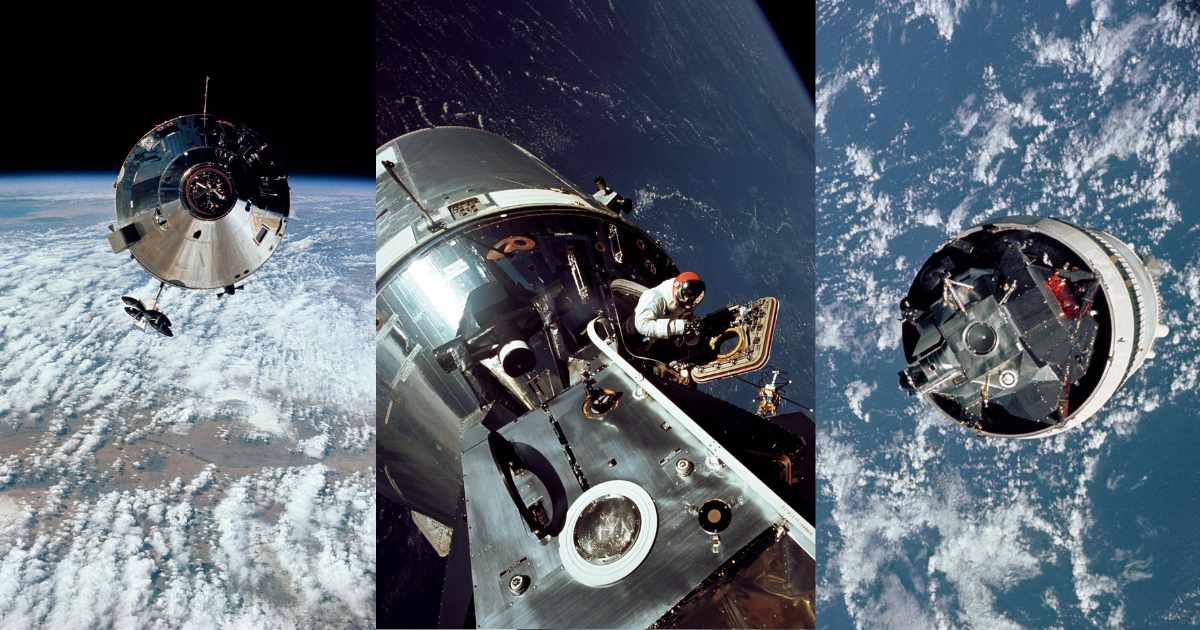
Unlike Apollo 9, which carried all of its NASA-built hardware into space in a single launch utilizing the massive Saturn V rocket, Artemis III will require a complex sequence of multiple launches. Once in orbit, Apollo 9's command and service module—which largely served the same purpose as Artemis' Orion and European Service Module—separated from the upper S-IVB stage of the rocket and spun around to dock with and extract the lunar module. Later in the flight, the two spacecraft undocked, separating by a distance of over 100 miles (simulating the distances required for future Apollo lunar missions) and successfully performed a rendezvous again. The crew of Apollo 9 consisted of Commander James McDivitt, Lunar Module Pilot Russell Schweickart, and Command Module Pilot David Scott, who flew alone in the command module while the two spacecraft were separated. The trio's remit was to make sure all systems onboard both modules, including navigation, life-support, and propulsion systems, worked independently of each other. Artemis III, on the other hand, will feature a crew of four, and will involve privately built commercial rockets and HLS spacecraft.
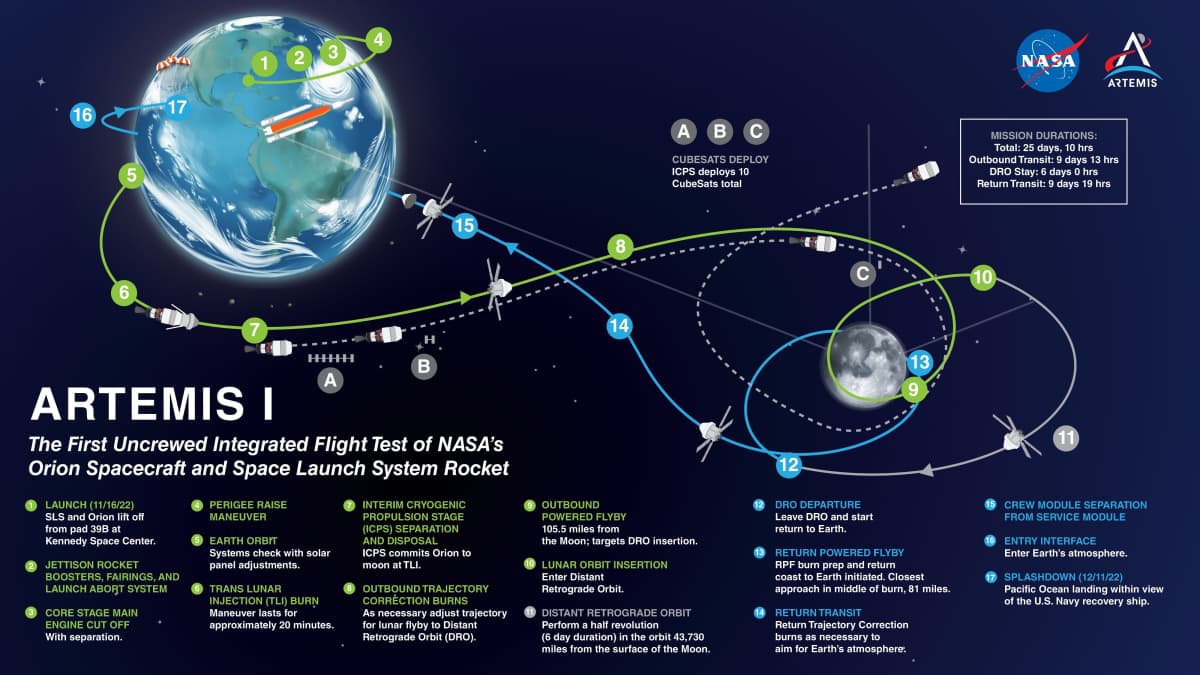
Differences with Artemis I
Artemis III is set to be a far more complex mission than 2022's Artemis I. It involves multiple spacecraft, rockets, and most importantly, a human crew that must be protected from the harsh environment of space. Artemis I was an uncrewed mission that tested the SLS rocket for the first time. It also carried the Orion capsule on a journey spanning more than 25 days, during which it performed two lunar flybys. Conversely, Artemis III will never make it to the Moon's vicinity, remaining entirely in low Earth orbit.

Differences with Artemis II
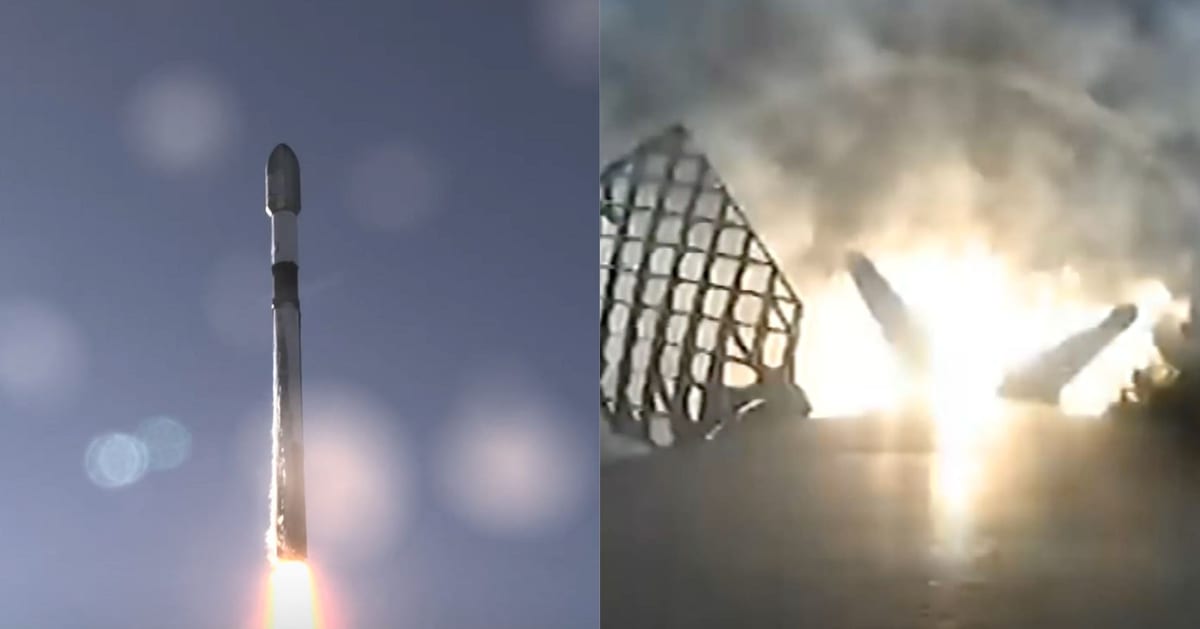
Artemis II was the first crewed mission of the program. While the SLS launches for both missions may look identical, Artemis III will also be accompanied by the separate launches of one or two of the massive HLS spacecraft. NASA has yet to finalize the exact sequencing of when Blue Origin's Blue Moon lander and SpaceX's Starship HLS will launch relative to the crew. With the recent launch pad explosion of Blue Origin's heavy-lift New Glenn rocket, it remains to be seen how the mission timeline for Artemis III might be affected. SpaceX also recently launched the maiden spaceflight of its Starship V3 megarocket, which experienced anomalies with its Super Heavy booster during descent.
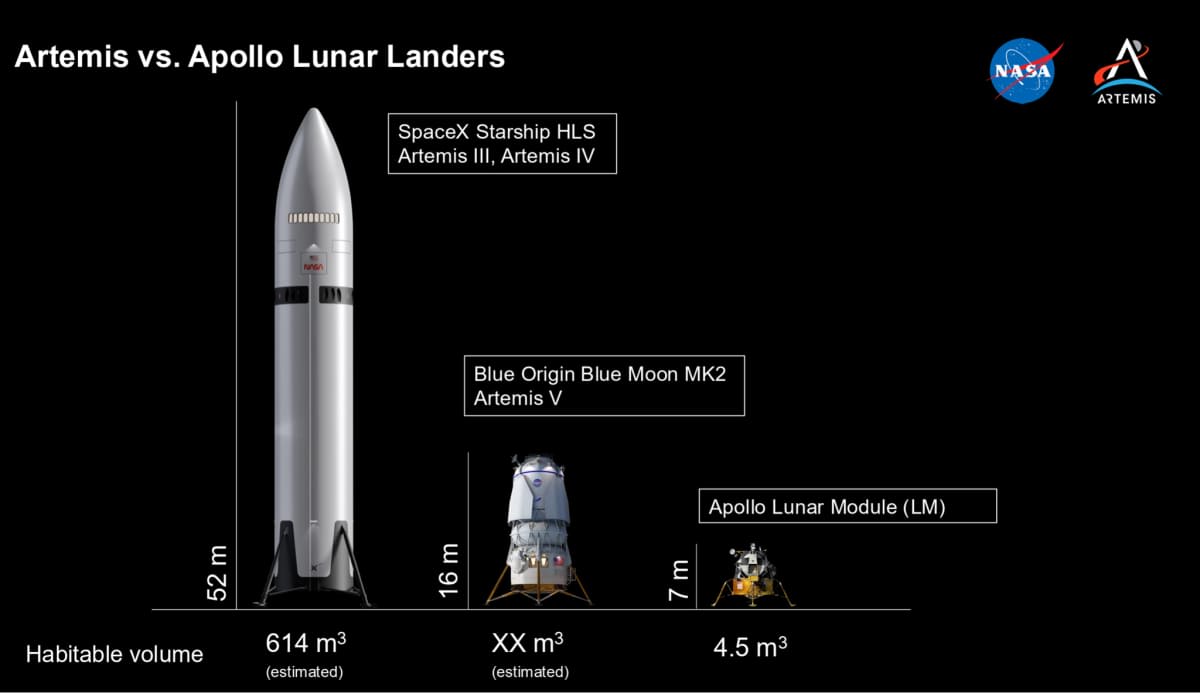
Though each of these missions has a distinct profile, they all contribute crucial stepping stones toward their respective programs' ultimate goals. Apollo 11's historic 1969 lunar landing would not have been possible had Apollo 9 not first confirmed that the lunar module could function independently in the vacuum of space. In the same way, humanity's return to the lunar surface with Artemis IV may not be possible without the iterative approach of validating one or both HLS spacecraft first. We will soon learn who the astronauts will be to conduct this critical test mission, and perhaps, leadership at NASA will also divulge more information about the progress of the HLS construction and what the 2027 Artemis III mission will ultimately look like.
More on Starlust
Here's what NASA is planning for Artemis IV and V now that the roadmap to the Moon has been revised
NASA unveils updated Moon Base plans featuring landers, rover and drones—here's all you need to know