Highlights from Artemis III crew announcement event: Mission design, lander readiness and more
On Tuesday, June 9, NASA finally raised the curtain over the names of the astronauts who will execute the Artemis III mission next year. And while the crew announcement was certainly the highlight of the hour-long event, the Johnson Space Center also saw NASA representatives, along with their counterparts from Blue Origin and SpaceX, share updates regarding the mission at large, including a few on where each participant stands in terms of progress.
Meet the #ArtemisIII crew!#NASA has officially named the four crew members for Artemis III, set to launch in 2027. The mission will test rendezvous and docking with #BlueOrigin and #SpaceX lunar landers in Earth orbit.
— Starlust (@starlustorg) June 9, 2026
Image Credit: NASA pic.twitter.com/XqWHU5J31M
Crew announcement
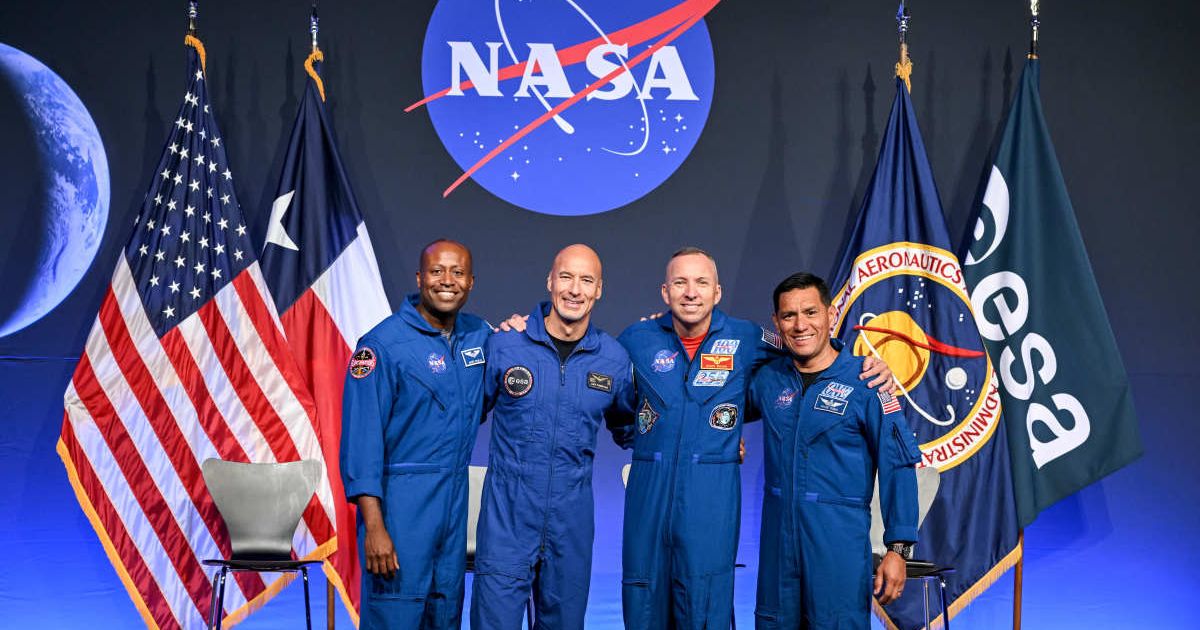
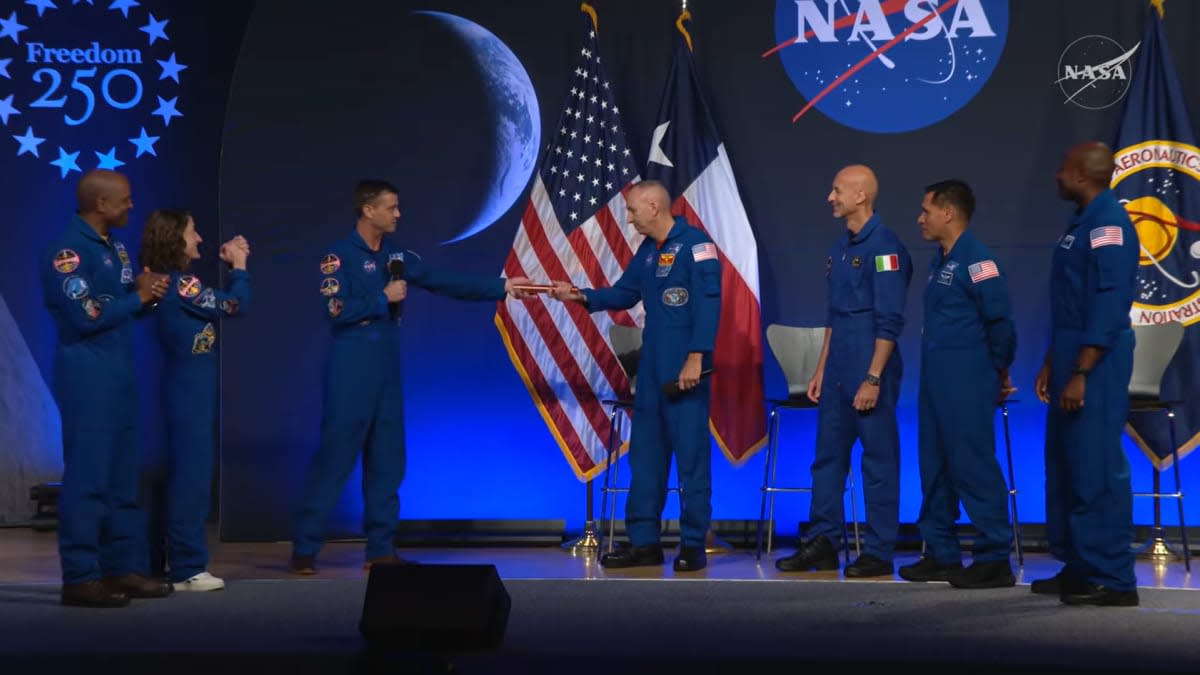
With his spaceflight experience dating back to the shuttle days, NASA astronaut Randy "Komrade" Bresnik will lead the Artemis III mission as Commander, while Andre Douglas and Frank Rubio, also from NASA, will serve as Mission Specialists. Rubio spent a whopping 371 days aboard the International Space Station during his second trip to the orbital laboratory, breaking the record for the longest single-duration spaceflight by an American. Douglas, on the other hand, will be traveling to space for the first time, having previously served as a backup and closeout crew member for Artemis II. ESA's Luca Parmitano, meanwhile, will serve as pilot on the mission. Parmitano, who served as Commander of Expedition 61, becoming only the third European and the first Italian to command the ISS, is also the first ESA astronaut to be assigned to an Artemis mission. "Luca’s assignment as pilot reflects the depth of European expertise in human spaceflight and draws on his extensive operational experience in high-pressure situations," said ESA's Director General Josef Aschbacher.
Artemis III mission design
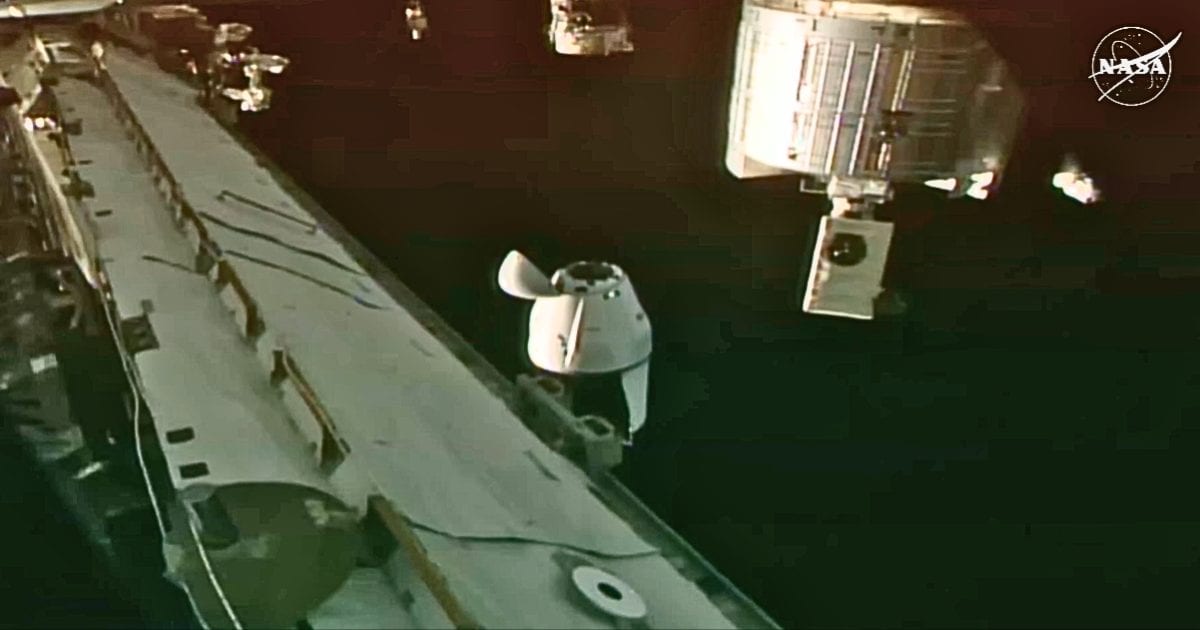
Despite its similarity to Apollo 9, Artemis III has many moving parts and will be far more complex with the launch of three massive rockets in quick succession. "As the first crewed Artemis mission with commercial spacecraft, this test flight will enable us to prove we can carry out highly choreographed operations with our partners across hardware, interfaces, software, propulsion systems, and life support elements with crew in the high-stakes space environment," explained Jeremy Parsons, the acting assistant deputy associate administrator for the Moon to Mars Program Office. The first to launch will be Blue Origin's New Glenn rocket, carrying the Blue Moon lander. After that, NASA's SLS rocket will launch with the crew inside the Orion capsule and rendezvous with Blue Moon. Once docked, over the next couple of days, checkouts of the HLS' various systems will be performed before undocking happens. Then, the SpaceX Starship HLS will launch separately with the aid of the company's Super Heavy booster, and the same operations will be replicated. The mission is expected to last roughly two weeks from lift-off to splashdown.
Get ready for Earth joy!
— NASA (@NASA) June 10, 2026
Earlier today, we announced the four astronauts who will go to space on Artemis III —and shared the latest updates on the future of @NASAArtemis.
Learn more about how this mission will set us up to return humanity to the Moon: https://t.co/kAvzvuYzEw pic.twitter.com/taD2lCdYiC
Science on Artemis III
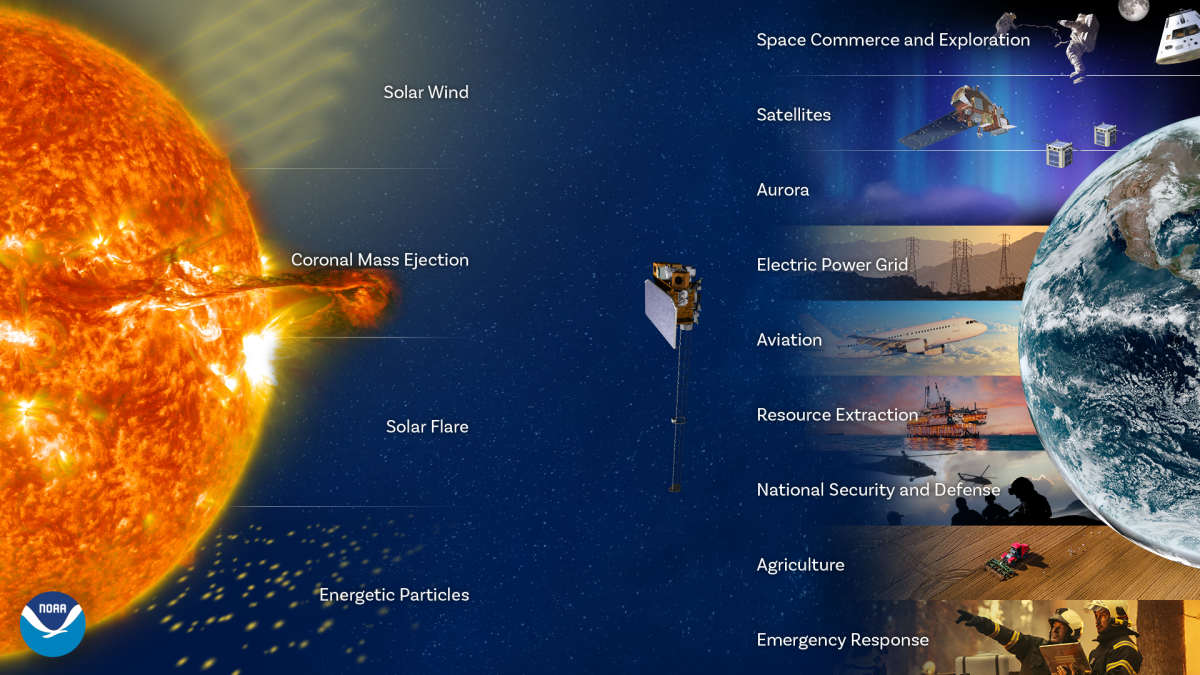
Dr. Nikki Fox, the associate administrator for NASA's Science Mission Directorate, was keen to stress the importance of the science conducted during the mission. Despite humanity's continuous presence in Earth's orbit for the last 25 years aboard the International Space Station, Dr. Fox stated that studying space weather events and their repercussions on the crew and hardware would be key so as to make future Artemis missions even safer. "For this technical and complex mission, we will focus on how we can better work with the unique Orion capsule and test and establish the necessary groundwork prior to landing with Artemis IV." She referred to the several space weather stations that NASA has in place "all over the solar system" to understand the dynamics of space weather and radiation.
Orion and SLS
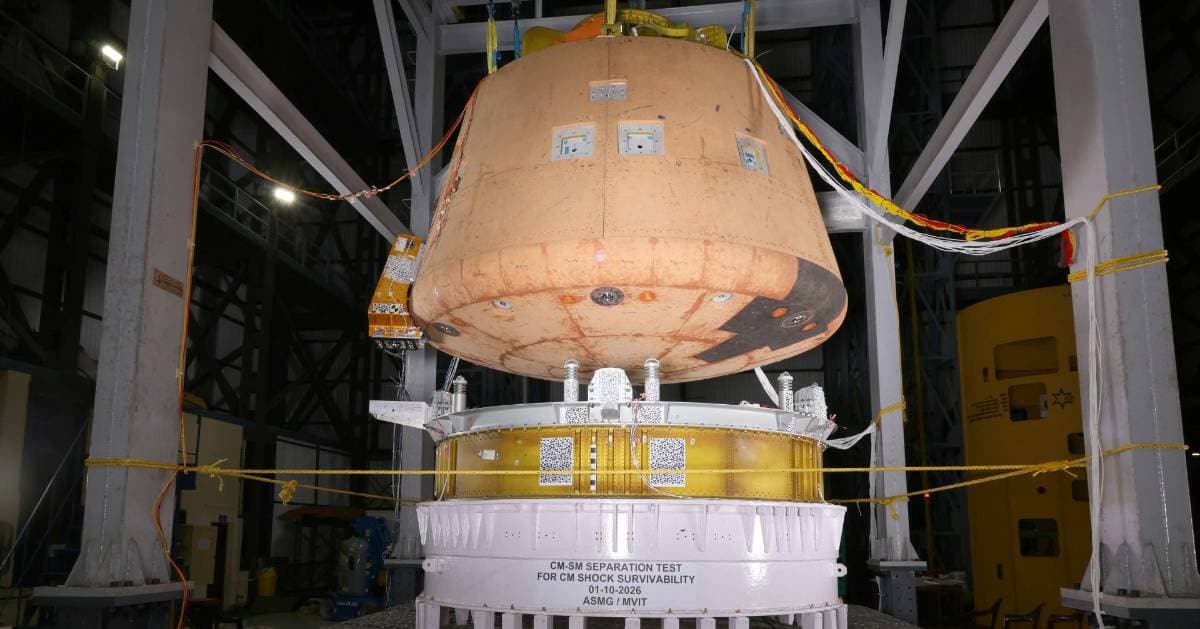
Besides connecting the Orion crew module with the European-built service module, engineers will also be integrating the spacecraft's docking systems, which will take flight for the first time. Work on the heat shield is also well underway, with the individual heat shield blocks having undergone inspection and installation onto the shield structure.
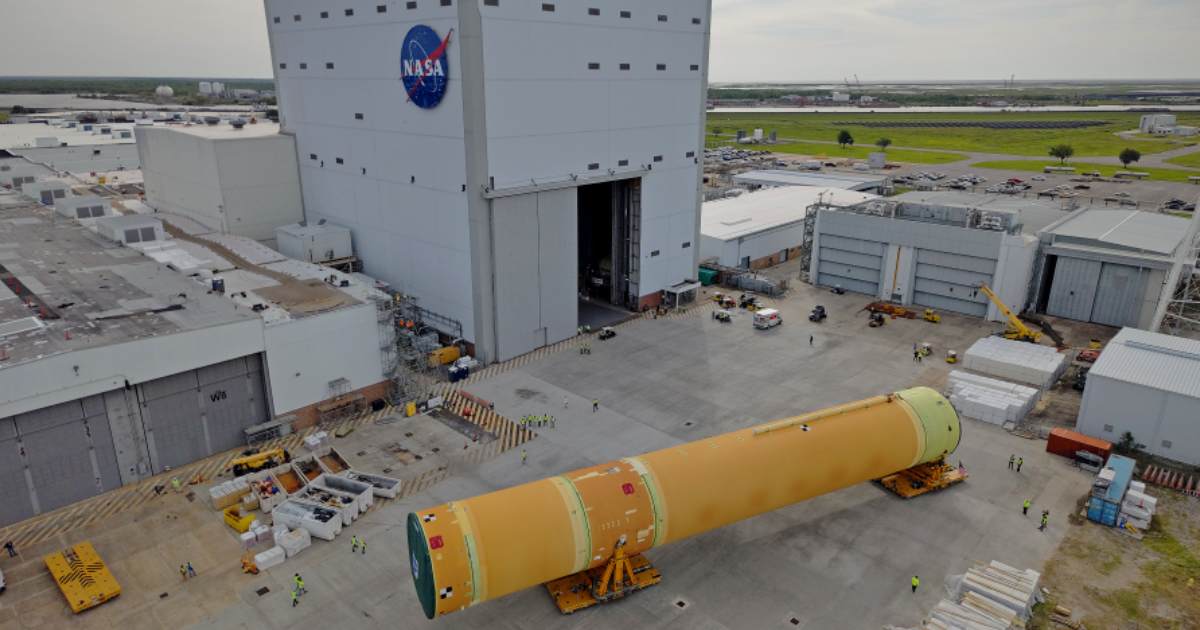
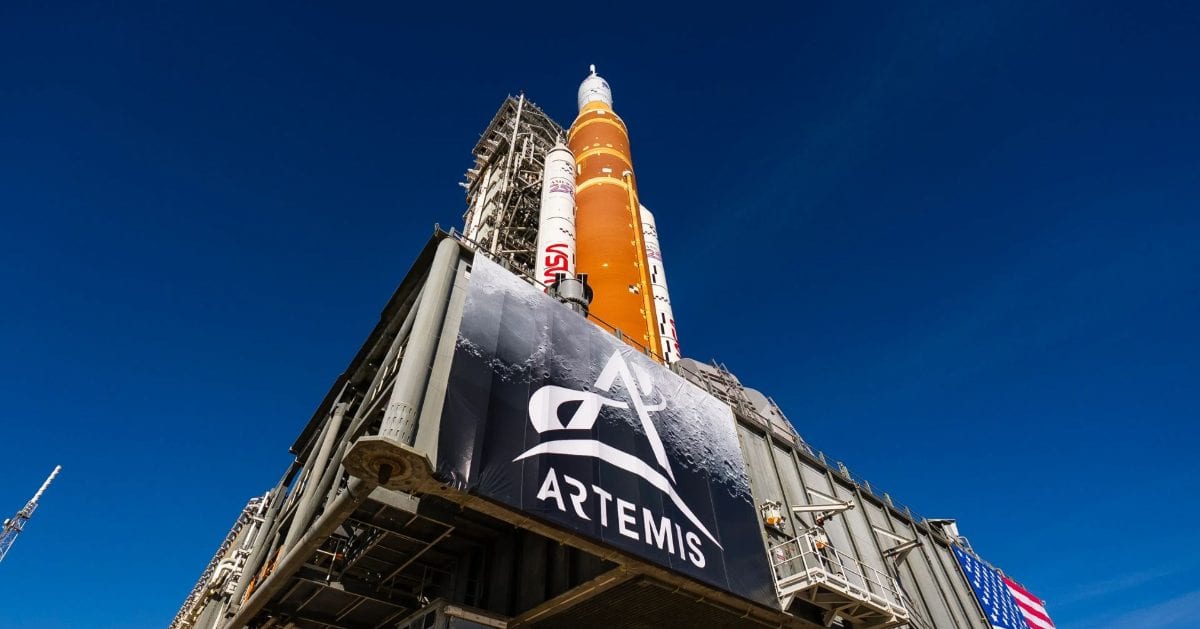
As far as the SLS rocket is concerned, NASA is planning to install the four RS-25 engines this summer. Stacking of the rocket is also expected to begin in the summer now that all solid booster segments have arrived at Kennedy. In an earlier update, the space agency had shared that it would be replacing the interim cryogenic propulsion stage of the rocket with a spacer that would be devoid of propulsive capabilities. The design and fabrication of the same is also progressing as expected.
SpaceX and Blue Origin landers
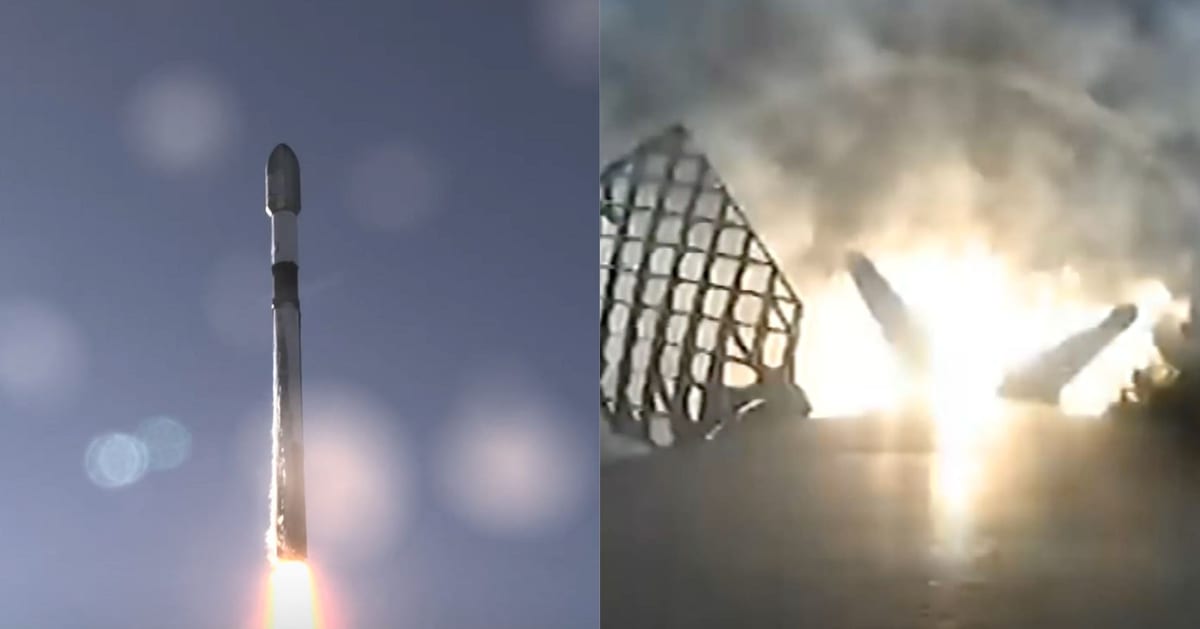
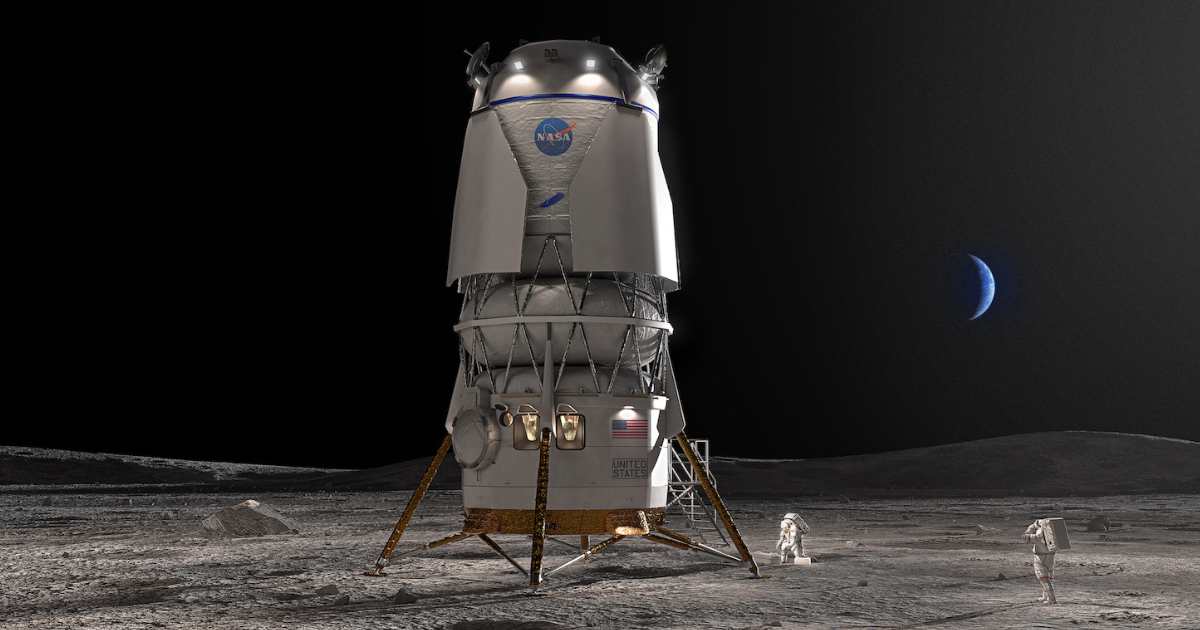
Soon after Parsons addressed last month's New Glenn hot-fire test explosion, expressing confidence that the rocket will be ready in time for Artemis III, Blue Origin's John Couluris took the stage. "We're making excellent progress on the investigation and pad cleanup," he said, referring to Launch Complex 36A in Florida, where the explosion took place. "We'll begin rebuilding once cleanup is complete while continuing construction at Launch Complex 36B." As far as the lander is concerned, Couluris noted that manufacturing of the Artemis III Mark II lunar crew module is well underway, and the vehicle will be completed in time for the mission next year. The first Mark I lander, which is the uncrewed version of the one that will carry astronauts to the lunar surface, will also finish testing soon and will be ready for launch later this year. "The mission will demonstrate key components of our Artemis landers, such as our BE-7 engine," explained Couluris.
Meanwhile, SpaceX's Jessica Jensen, who spoke next, said that the Elon Musk-led company is in the middle of building the first "flight-fidelity Starship HLS cabin at Starbase." The primary structure, in fact, has already been assembled and is set to be fitted with avionics, power, and life support systems. The in-space ship-to-ship propellant transfer demonstration, a crucial feature that will enable Starship to carry humans and huge amounts of cargo to the Moon, is expected to take place later this year. With regards to the specifics of the Artemis III mission, Jensen mentioned that SpaceX will be using an off-the-line Starship V3 vehicle with an added docking adaptor.

Tuesday's event furnished the public with the most comprehensive updates yet on the Artemis III mission and its various components. More updates will be announced in the near future as well.
More on Starlust
When will New Glenn fly again? Here's Blue Origin's latest update on the hotfire test explosion
Artemis III update: NASA ships final solid rocket booster segments for SLS to Kennedy Space Center