'Not looking good': Elon Musk shares update on SpaceX's Starship still afloat in the Indian Ocean
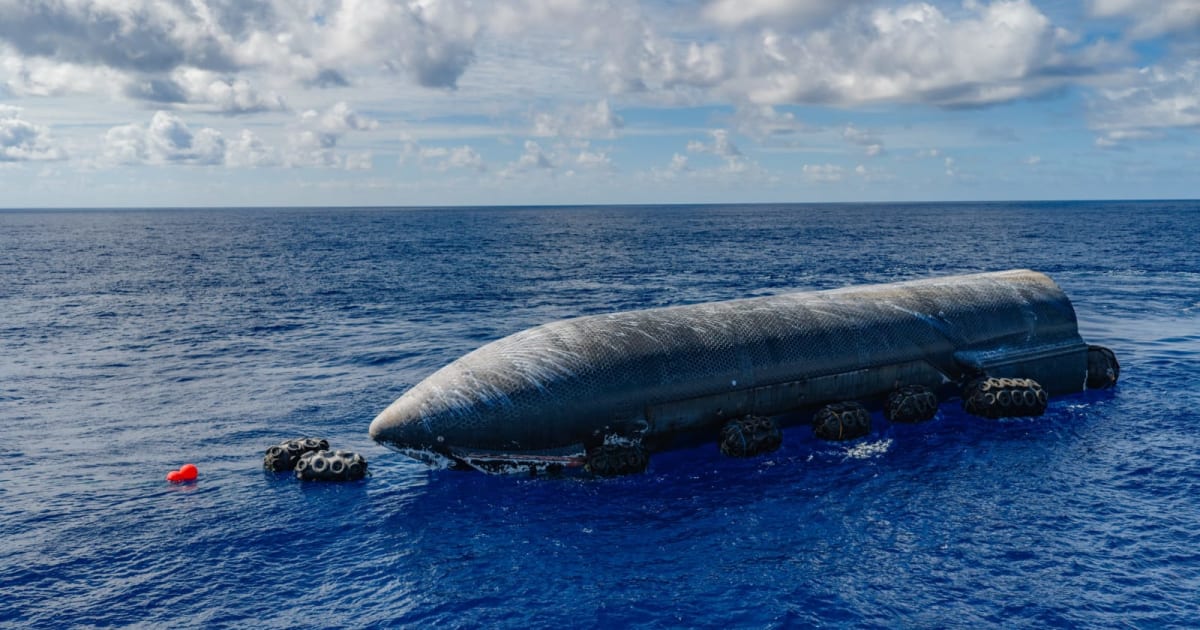
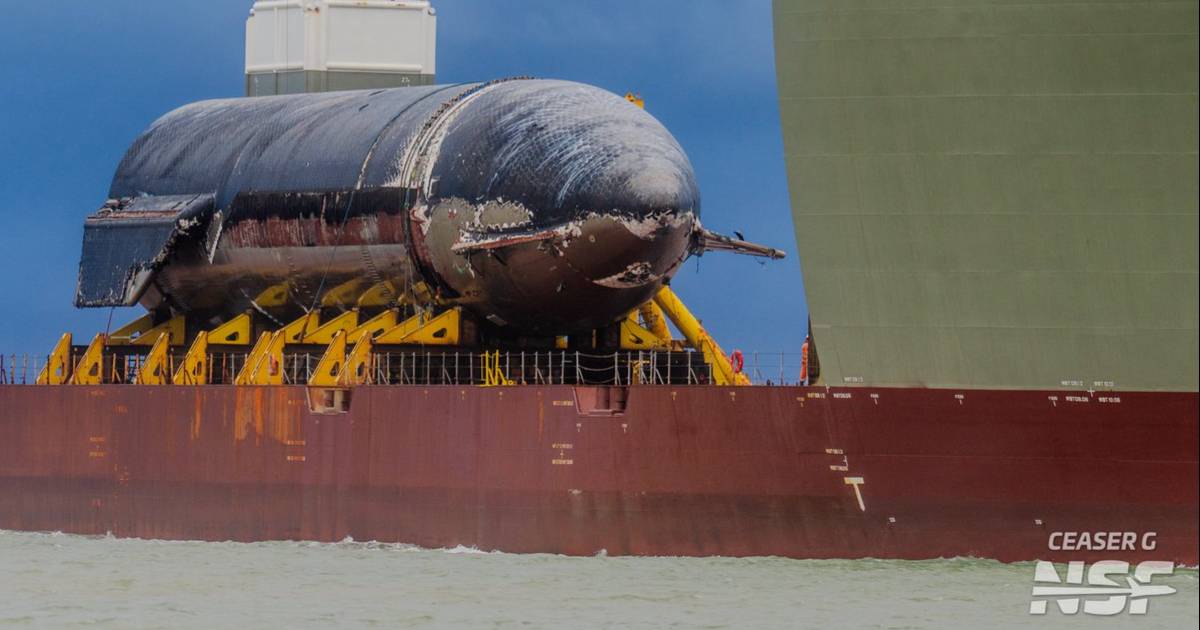
Remember that piece of SpaceX's Starship that splashed down in the Indian Ocean on July 24, 2026? It's still bobbing around in the sea two weeks later, and now it looks like it will stay in the water for a long time. Elon Musk said as much on August 7, 2026, in a post on X, confirming that the recovery attempt has hit a wall. Giving an update on the situation, Elon Musk wrote, "Unfortunately, ship recovery is not looking good right now. Nonetheless, we were able to obtain close-up photos of critical regions of the heat shield and engines for future upgrades."
The SpaceX Recovery team is still working to recover Flight 13’s Starship from the Indian Ocean. They’ve been overcoming challenging conditions and increasingly rough seas as they attempt to guide the 52m long spacecraft to port pic.twitter.com/ECT5FyCvr7
— SpaceX (@SpaceX) August 7, 2026
Elon Musk's update post came shortly after SpaceX itself shared an update, saying that “the SpaceX Recovery team is still working to recover Flight 13’s Starship from the Indian Ocean.” Earlier, the Starship's upper stage, simply called Ship, splashed down in the Indian Ocean off Western Australia on July 24 after completing its 13th test flight. Ship actually tipped over after hitting the water, but it stayed in one piece. Since then, SpaceX crews have spent the days trying to tow it toward shore for a closer inspection.
What happens if the SpaceX Ship is lost at sea forever?
During the rescue, the company has taken a closer look at the Ship's heat shield and how it works during the recovery attempt. The SpaceX team has managed to take a few detailed images of the vehicle, and with this, the engineers will be able to study the heat shield tiles. These are the same tiles that protect Starship during its reentry through Earth's atmosphere. Earlier, Musk had described the heat shield as possibly the biggest challenge for fully reusable flights.
The Starship Recovery team has continued gathering imagery of the vehicle, which is still afloat in the Indian Ocean pic.twitter.com/ozCJYtxXGU
— SpaceX (@SpaceX) July 28, 2026
He also hinted that the company may have already gotten a solution to this. Days before this recovery update, Musk shared, "I don't want to jinx it or anything, but I think I'd consider the heat shield problem solved at this point." Currently, Starship has two stages, which are the upper stage and the Super Heavy booster underneath it. These can fly again and again, a design that SpaceX believes could change spaceflight altogether. When they are fully stacked, the rocket is about 408 feet tall, the biggest and most powerful ever built.

What’s next for SpaceX?
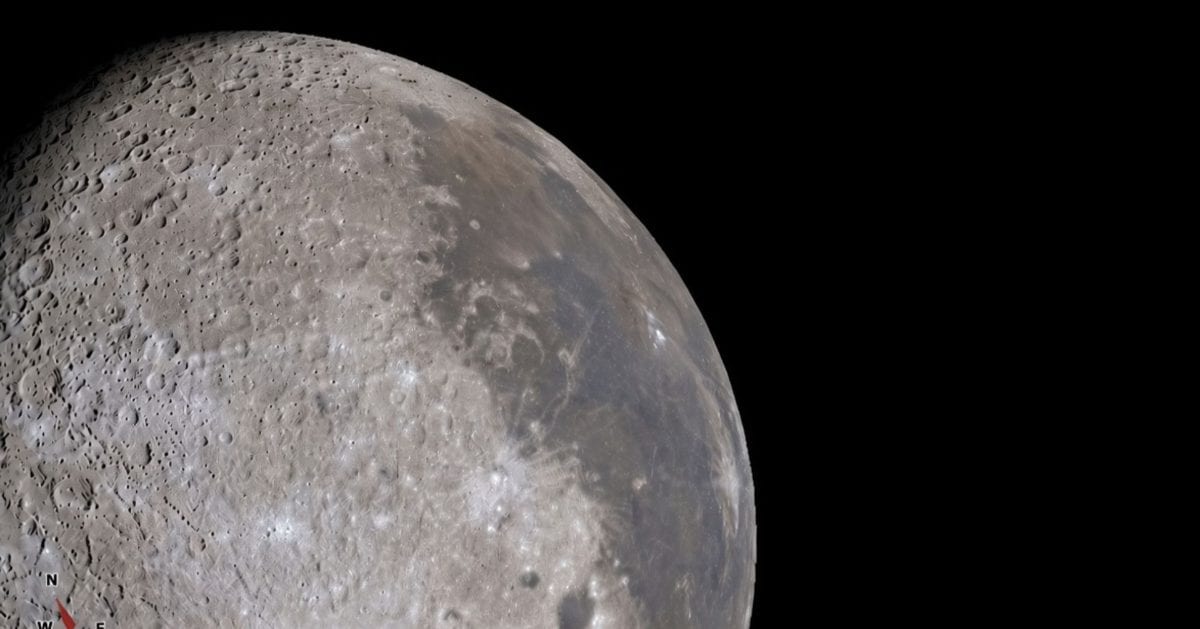
SpaceX has shared that it aims to eventually operate a constellation of around 100,000 Starlink V3 satellites. SpaceX has also hinted that Flight 14 could fly this month. In another update, a chunk of a SpaceX Falcon 9 rocket has now hit the moon on August 05, at about 5,400 mph (8,700 km/h). This is the same as the force of about three tons of TNT. The impact caused by the rocket on the Moon's surface has been spotted by the Korea Pathfinder Lunar Orbiter (KPLO). Informing about this update, KARI officials shared that "through this observation, changes in the terrain around the impact site and traces of ejecta spread were confirmed. Danuri secured both pre-collision and immediate post-collision footage, enabling analysis of changes caused solely by the collision and providing important research data.”
More on Starlust
SpaceX investors ask if the company can paint its rockets pink—can it actually be done?