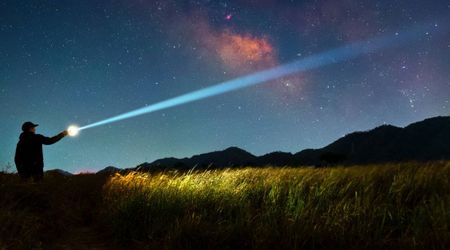
What should astrobiologists look for while they search for alien life? A new study has an answer
The new study published in Nature Astronomy stresses the need to look for patterns in organic molecules and not just the molecules themselves.
Published: May 13, 2026 | By Biplab Das
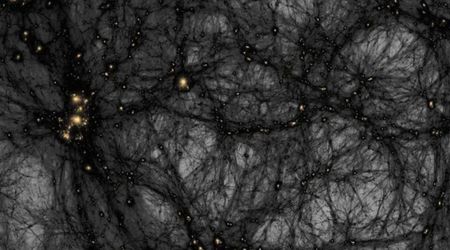
Hunt for dark matter: Study finds new clue in unexplored electron-atomic nuclei interactions
The study used molecular physics to map unseen interactions, narrowing the search for dark matter.
Published: May 12, 2026 | By Biplab Das
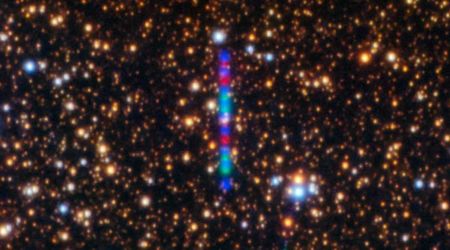
Interstellar comet 3I/ATLAS originated in a 'loner' place far colder than our solar system, scientists say
3I/ATLAS is now exiting our solar system at more than 137,000 miles per hour.
Published: May 12, 2026 | By Biplab Das
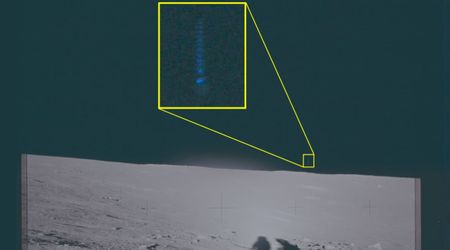
UFO files released by US Department of War reveal strange sights Apollo astronauts saw
The files raise intrigue but stop short of confirming the existence of extraterrestrial life.
Published: May 12, 2026 | By Pranjal Nath
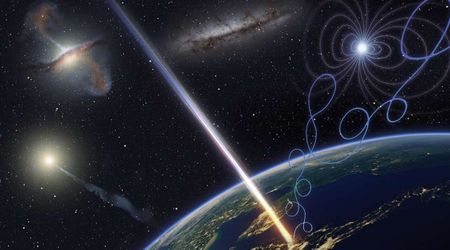
What are some of the highest-energy particles in the universe made of? Scientists have an answer
A new study, published in the journal Physical Review Letters, suggests that some of the highest-energy cosmic rays could contain atomic nuclei heavier than iron.
Published: May 11, 2026 | By Biplab Das
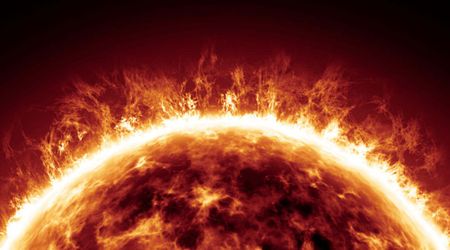
Scientists finally know whether the Sun's activity alters its oxygen levels
Knowledge of oxygen abundance may shed light on the evolutionary history of the Sun and other stars.
Published: May 11, 2026 | By Biplab Das
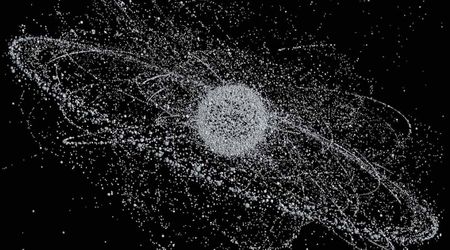
Mega-constellations of satellites could soon interfere with astronomical observations, warns study
Growing levels of light pollution due to satellites is obscuring our view of the universe.
Published: May 8, 2026 | By Pranjal Nath
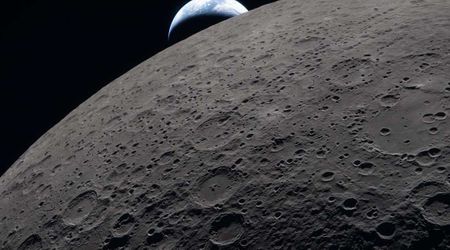
Our Moon offers unique environment for detecting gravitational waves from early universe, study suggests
The Moon can fill a critical frequency gap that remains out of reach for both ground and space-based observatories.
Published: May 8, 2026 | By Pranjal Nath
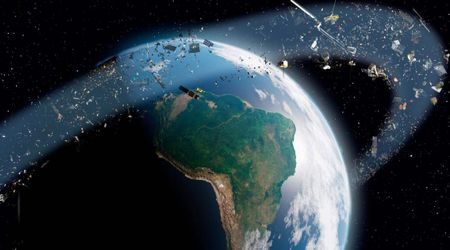
Scientists discover how rising solar activity is making space debris fall back to Earth faster
"This observation is expected to be key for planning sustainable space operations in the future."
Published: May 7, 2026 | By Saubhagya Mukherjee
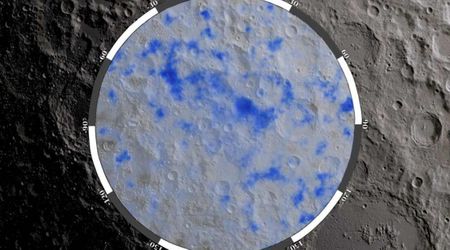
Moon's darkest craters may now reveal how ice accumulated over a billion years at the South Pole
Ice is key for long-term survival on the Moon and this pushes us closer to realizing a lunar base.
Published: May 6, 2026 | By Biplab Das
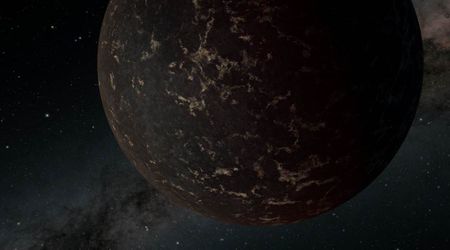
'A dark, hot rock': Astronomers directly study exoplanet surface for the first time using JWST
JSWT's direct observation of LHS 3844 b's surface is a massive stepping stone for exoplanet geology.
Updated: May 6, 2026 | By Shiladitya Ray
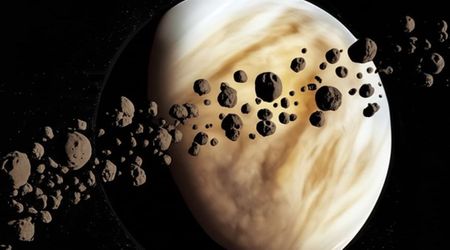
Newly detected 40-meter asteroid close to Venus orbit could strike Earth with city-level impact
It is likely to trigger damage like the Chelyabinsk object that injured 1,500 people in Russia.
Published: May 5, 2026 | By Biplab Das
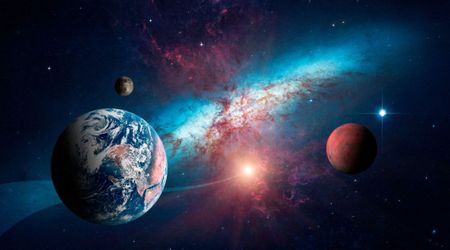
Which celestial bodies in our solar system stand out as the strongest candidates to harbor life?
While searching for life outside of planet Earth, we might not have to go beyond our solar system, as there is a chance that celestial bodies in our own neighborhood may host life.
Published: May 1, 2026 | By Disita Sikdar
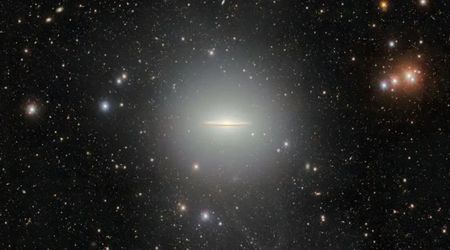
Astronomers uncover Sombrero Galaxy’s elusive halo in unprecedented detail using Dark Energy Camera
570MP DECam image unveils giant halo, star stream, and clues to ancient galactic collision.
Published: Apr 30, 2026 | By Nibedita Sen
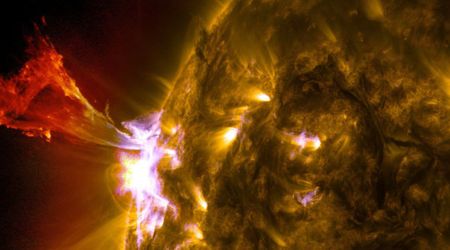
New model decodes the Sun’s prominences—floating mountains of plasma larger than Earth
The study may help predict dangerous solar storms and protect satellites and power grids.
Published: Apr 30, 2026 | By Sandip Kishan
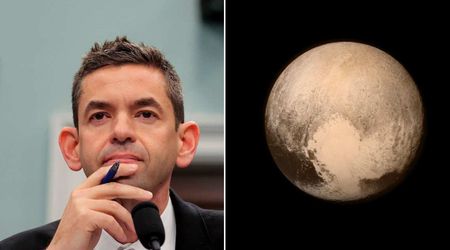
NASA Chief Isaacman backs Pluto’s return as planet, reigniting decades-old classification debate
Back in 2006, the International Astronomical Union (IAU) shocked the world by denying Pluto its planetary status.
Published: Apr 29, 2026 | By Disita Sikdar
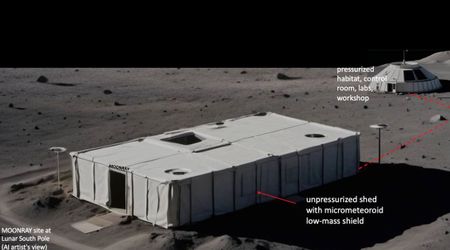
Astroparticle physicist proposes to build an observatory on the Moon’s South Pole—here's why
It will detect violent phenomena in our galaxy by directly capturing cosmic rays and gamma rays.
Published: Apr 29, 2026 | By Biplab Das
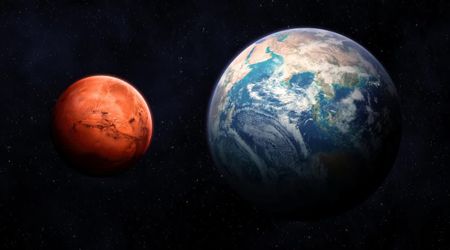
Humans can make a round trip to Mars within 153 days, new study reveals
The orbital period of an asteroid provides clues to the shortest path to the Red Planet.
Published: Apr 28, 2026 | By Biplab Das
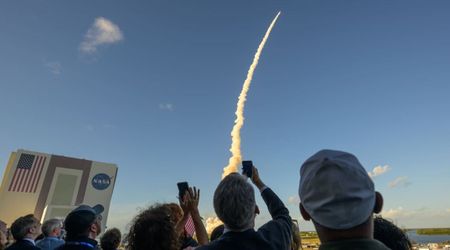
Not everyone can fly on Artemis missions, but even middle schoolers can contribute to NASA science—here's how
NASA has invited people from all over the world to help support their Artemis program and future human space exploration through several citizen science projects.
Published: Apr 28, 2026 | By Pranjal Nath
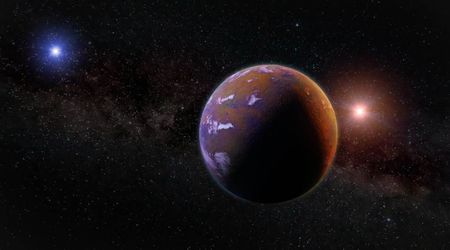
Planets form more easily when they orbit two suns instead of one, new study suggests
'Binary stars were once seen as hostile environments for planet formation. What we're finding is that they can actually be extremely productive.'
Published: Apr 28, 2026 | By Disita Sikdar