Young stars are changing entire galaxies and scientists finally know how
![An area inside a star-forming molecular cloud. The background is covered with layers of gas and dust in blue, green, and yellowish colors. [Cover Image Source: ESA/Webb, NASA & CSA, T. Megeath, M. Zamani (ESA/Webb) Acknowledgement: M. Özsaraç]](https://d3hedi16gruj5j.cloudfront.net/807777/uploads/18057090-6df9-11f1-b0f5-93135e990348_1200_630.jpeg)
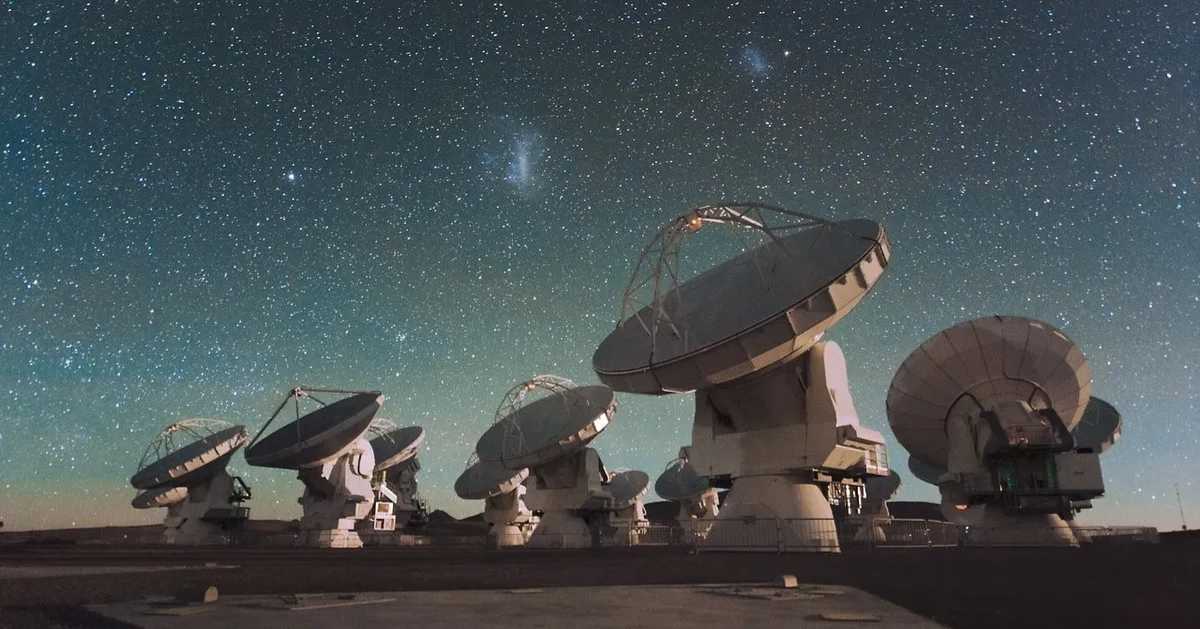
A research team, led by Debosmita Pathak of Ohio State University, has unearthed news insights into how young stars drive galactic evolutions. For the study, which was shared at the 248th meeting of the American Astronomical Society, Pathak and her colleagues analyzed 18,000 star-forming regions in nearby spiral galaxies using the powerful instruments onboard observatories like the James Webb Space Telescope, the Hubble Space Telescope, and the Atacama Large Millimeter/submillimeter Array as part of the PHANGS (Physics at High Angular resolution in Nearby Galaxies) survey.

The team found that in typical galaxies, the pressure from ionized gas generated by newly formed stars is the force behind the expansion of star-forming regions. Pathak, however, noted that whether this expansion continues or comes to a halt depends largely on their surrounding environment. “When young massive stars are born, they’re very energetic and pump out a ton of photons into their surroundings,” Pathak told Ohio State News. “In that process, they disrupt their local environments and start to drive interstellar material out of the area.” This process, known as stellar feedback, can regulate the activity of galaxies, shaping their structure and chemisty. It can either set off star formation or stop it by dispersing the gas required for the process.
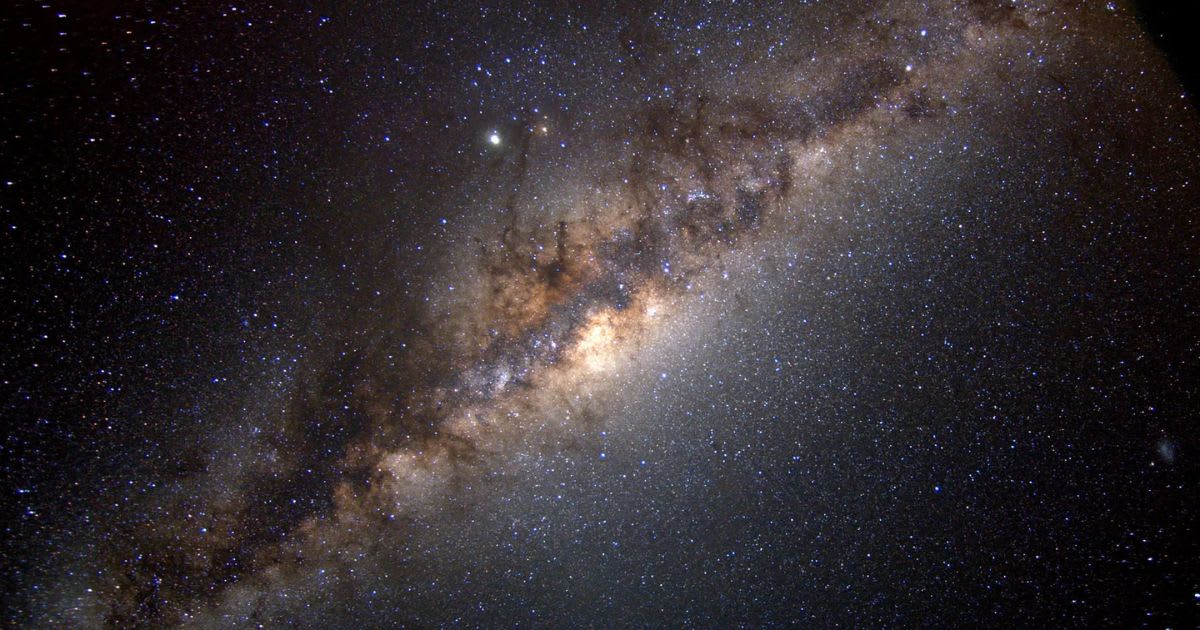
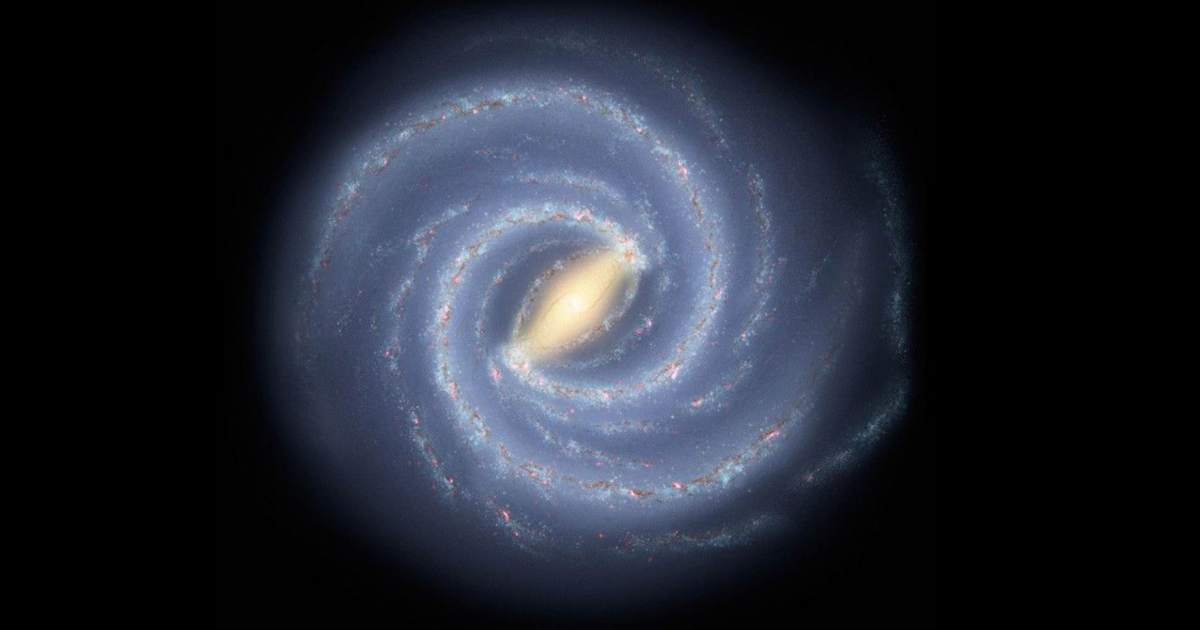
“The Milky Way, for example, forms roughly one star per year, while more luminous infrared galaxies can produce stars at 100 times that rate,” said Pathak. “But galaxies that have an abnormally high number of stars typically underwent a more violent process to form, such as a major merger, where two galaxies collide.” To better understand the behavior of young stars in such extreme environments, the team compared the young stellar feedback pressures in normal star-forming galaxies with those of bright starburst system, NGC 3256, a pair of massive galaxies about 100 million light-years away from Earth. Their analysis shows that stellar feedback pressures in the system are about 100 times more powerful than in other Milky Way-like spiral galaxies. This indicates that despite the intense pressure that young, massive star clusters in the galaxy's densest regions are subjected to, most of them have enough power to keep expanding.
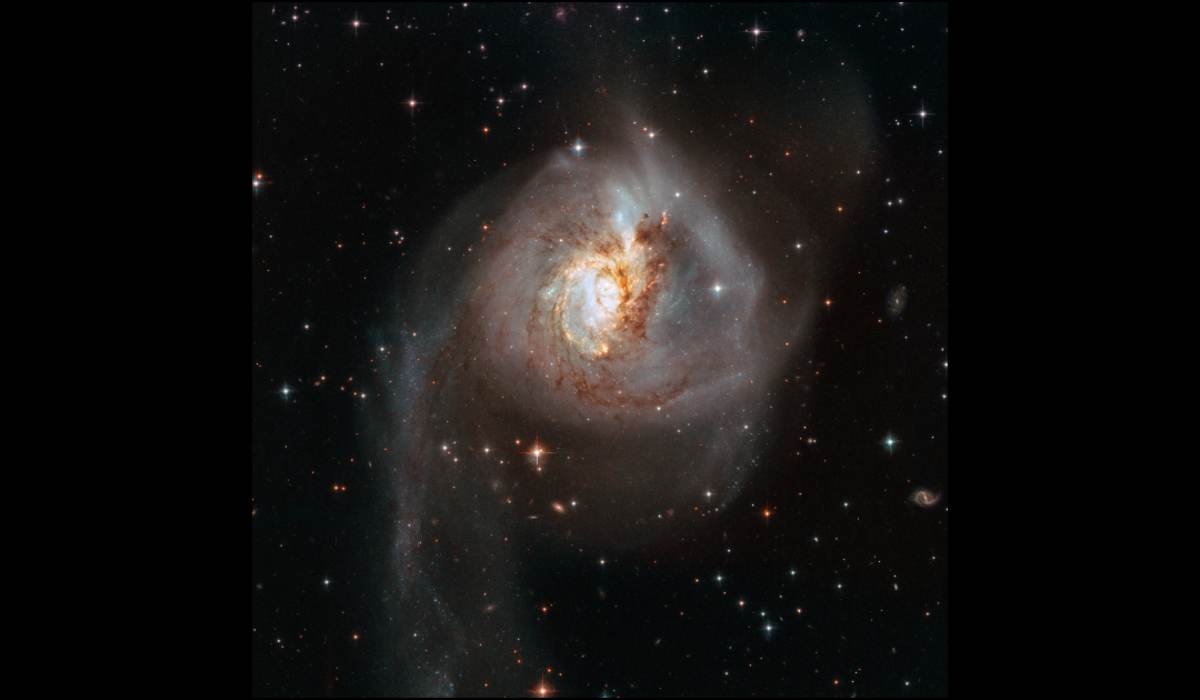
The researchers observed unusually strong turbulence in the gas of NGC 3256. This suggests that its gas is not organized into a stable, flat disk, suggesting that star formation in the galaxy may occur under more complex and unpredictable conditions than in typical, calmer galaxies. “These are pressure measurements that we haven’t been able to make before, and they are quite different from what we’ve seen in galaxies similar to the Milky Way,” said Pathak. “This will allow us to benchmark the physical processes driving galactic evolution.”
The study sheds light on how star-forming regions evolve across many different cosmic settings. In addition, it will help understand how young stars regulate and shape galactic evolution, even before massive stars explode as supernovas and spill their content into interstellar regions, thereby planting seeds for subsequent generations of stars. “It’s important to study environments in normal parts of the universe, but also how things deviate in the extremes,” said Pathak. “Without this type of research, we wouldn’t know if the physics that we’re working with and the models that we’re building actually hold true in such extreme places.” Pathak has plans to work alongside the GOALS (Great Observatories All-sky LIRG Survey) collaboration to measure star formation in dusty environments as a visiting graduate student at IPAC at Caltech.
More on Starlust
JWST spots the edge of cosmic dawn and the universe's first stars may lie just beyond
Four generations of stars discovered in region near the center of the Milky Way