Solar storms may be protecting Earth from even the strongest of cosmic rays
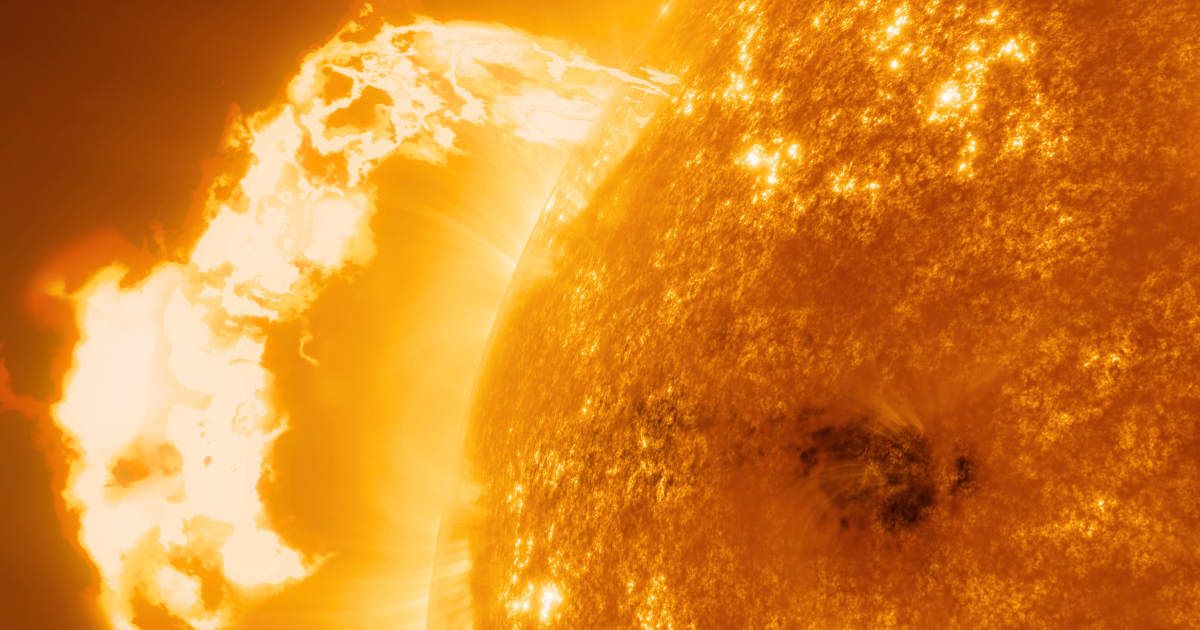
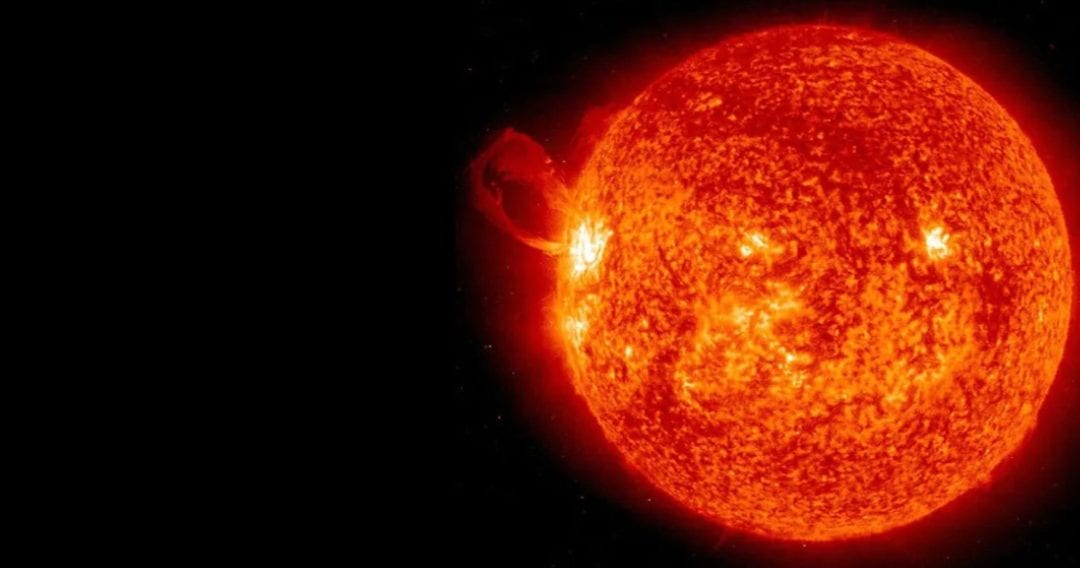
High-energy cosmic rays bombard Earth’s atmosphere from all directions in space. Powerful explosions on the Sun also generate streams of energetic particles that slam into Earth. For decades, scientists believed that two streams of particles largely ignored each other on their way to Earth. A new discovery, however, suggests otherwise. The discovery, published in Physical Review Letters, shows that some of the most energetic cosmic rays reaching Earth are influenced by solar storms. This could transform how researchers monitor and forecast solar storms that have harmful effects on satellites, communication systems, and power grids.

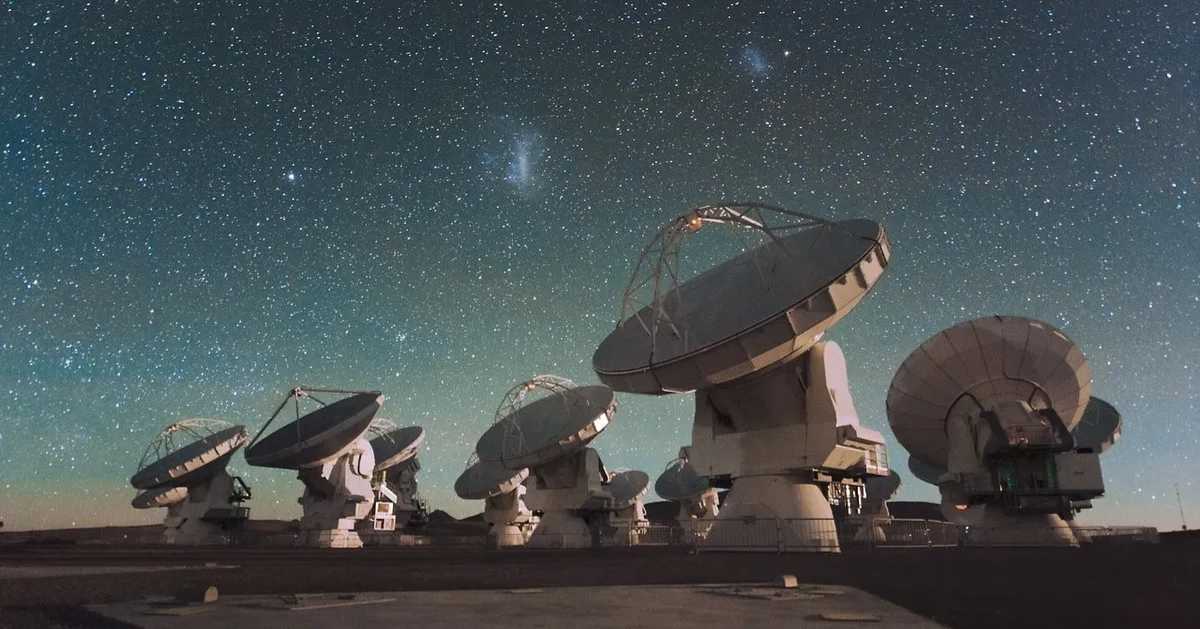
Scientists have long known that solar storms have the power to block or divert low-energy Earth-directed cosmic rays by trapping them in their twisted magnetic fields. But high-energy cosmic rays have been understood to be virtually unstoppable, with the ability to pass through the maze of solar magnetic fields with little or no deviation. To test this theory, a team led by physicist David Ruffolo of Mahidol University in Thailand analyzed the observations by the Large High Altitude Air Shower Observatory (LHAASO), a giant detector array in China. LHAASO doesn’t directly detect cosmic rays. Instead, it looks for secondary particles, which are produced when cosmic rays collide with molecules high in Earth’s atmosphere. Every hour, the observatory keeps track of hundreds of millions of cosmic-ray events. Yet, it is difficult to decode storm-related changes in cosmic rays due to the effects of atmospheric conditions.
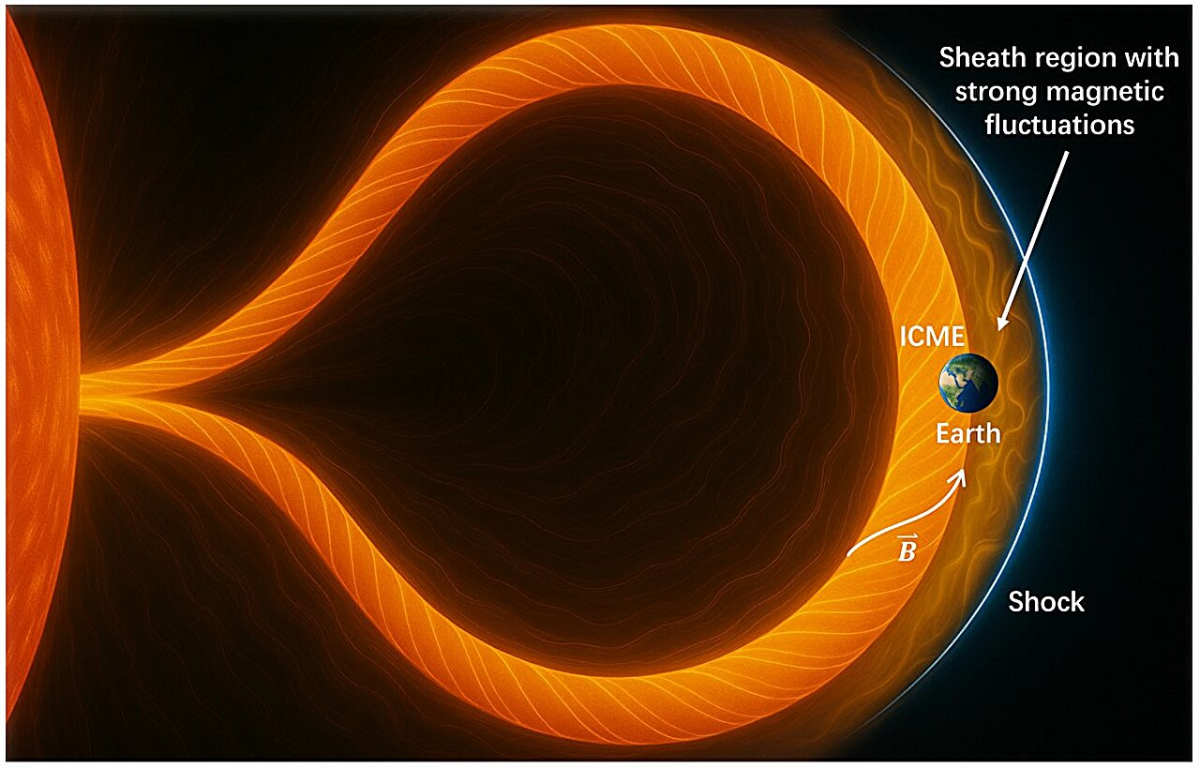
To get around this problem, the researchers focused on whether cosmic rays were arriving from one direction more than the other. They found such an imbalance in the data on a solar storm that had taken place in November 2021. For several hours, cosmic rays arriving from the northeastern portion of the sky became noticeably fewer than those coming from other directions. What triggered such imbalance? The researchers propose that the leading edge of the solar storm had turbulent magnetic fields that probably scattered incoming cosmic rays that were traveling sunward, creating a detectable directional imbalance in the number of Earth-bound cosmic ray particles.

The findings have far-reaching implications that go beyond solving an astrophysical puzzle. The team thinks that cosmic rays could be used as a useful tool to investigate the magnetic structure of solar storms. Currently, spacecraft can only gather data on the plasma environment at their location, but cosmic rays travel extremely long distances. Moreover, with detector arrays like LHAASO around the world, scientists may be able to predict solar storms earlier and hence buy more time to protect important infrastructure like power grids and communication systems.
More on Starlust
NASA's Juno mission finds particles traveling at near-light speeds at Jupiter
Vela Supercluster lurking in Milky Way’s blind spot found to have mass close to 30,000 trillion suns