International Asteroid Day 2026: Here's a look at NASA's most important asteroid missions

Asteroids have been drifting through our solar system since it first took shape roughly 4.5 billion years ago. Scientists believe they carry materials that existed long before life on Earth began, and some are even thought to have delivered water and organic compounds to our planet billions of years ago. NASA has been closely studying these rocks for decades. Here's a look at five of the most significant missions ever undertaken by the Agency.
NEAR Shoemaker (Launch Date: November 17, 1996)
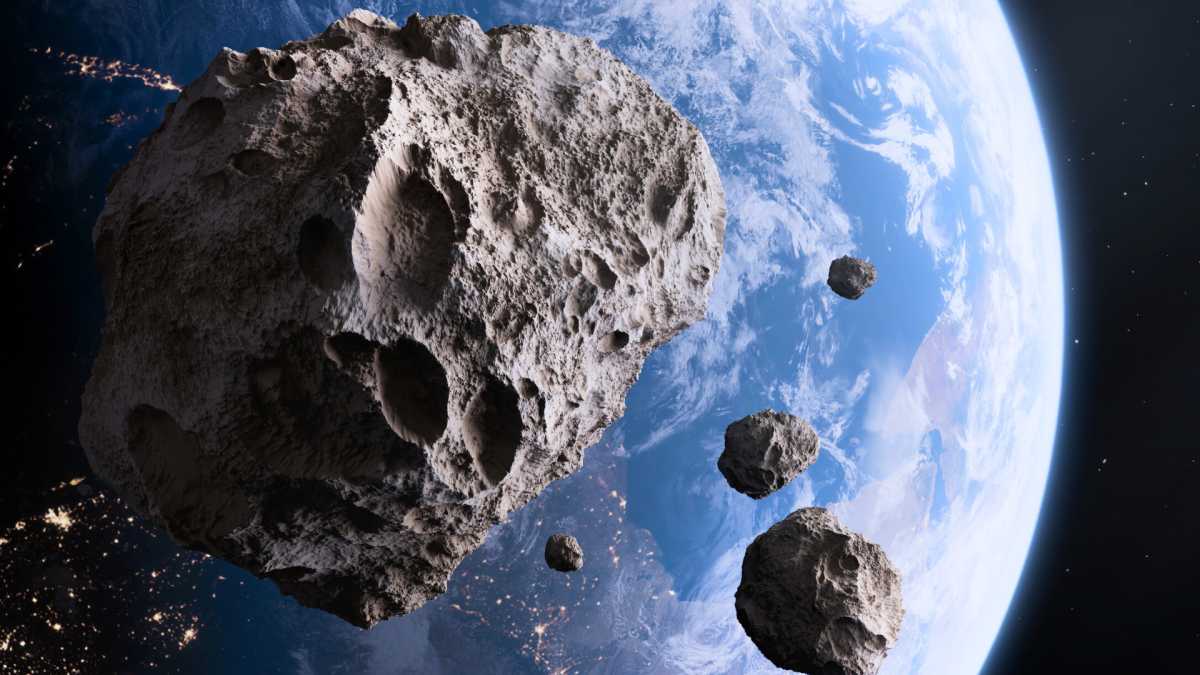
NEAR (Near Earth Asteroid Rendezvous) Shoemaker made history twice in one mission. It became the first spacecraft to orbit an asteroid, and then the first to actually land on one. The target was Eros, an S-class asteroid roughly 221 million miles from Earth. Landing wasn't part of the plan originally. But once the primary work was done, the team decided to go all the way to the surface, and fortunately the spacecraft held together. It kept transmitting data for close to two weeks before the cold finally cut off communications on February 28, 2001. On the way to Eros, NEAR also stopped by asteroid 253 Mathilde in June 1997 and photographed about 60% of its surface from around 750 miles away. It was also the first mission ever launched under NASA's Discovery program, a series of low-cost planetary science projects each led by a principal investigator.
OSIRIS-REx / OSIRIS-APEX (Launch Date: September 8, 2016)
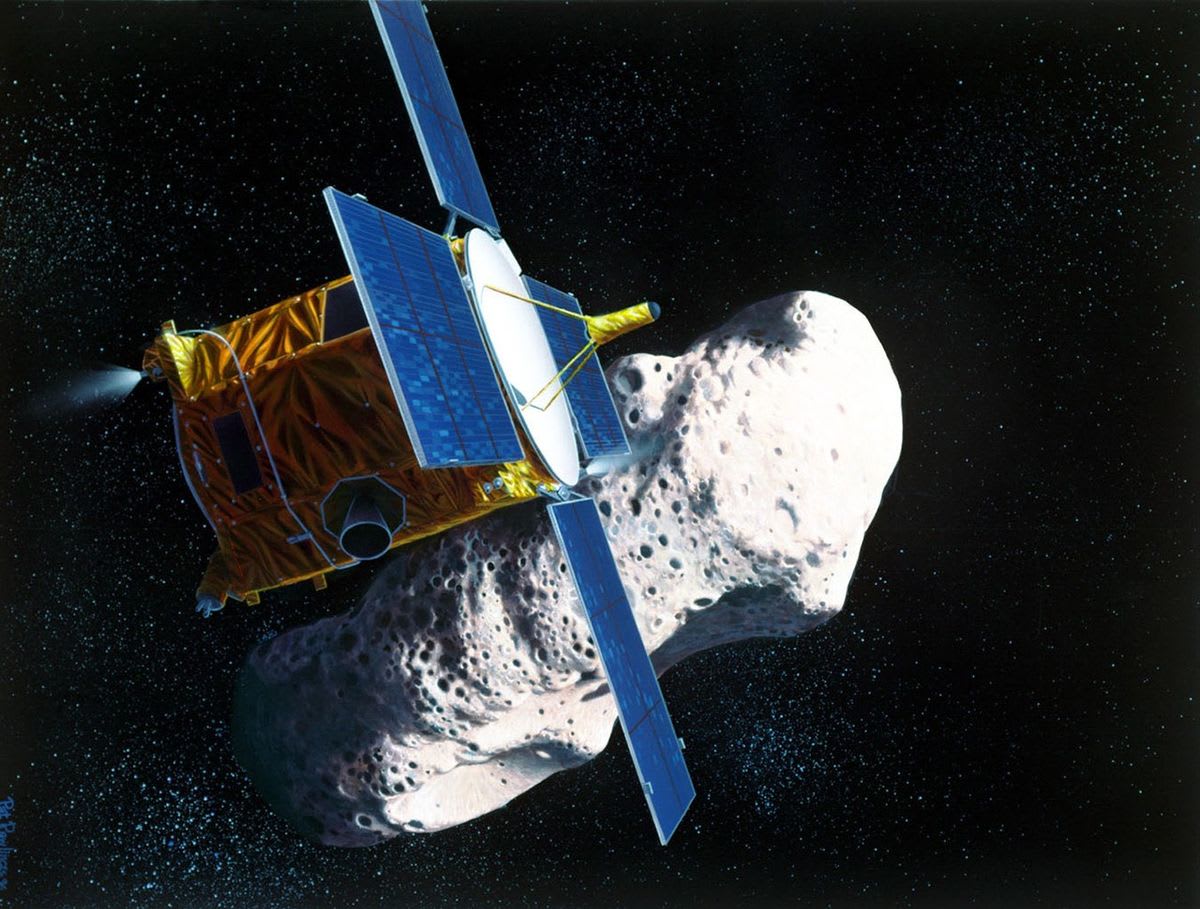
OSIRIS-REx (Spectral Interpretation, Resource Identification, and Security-Regolith Explorer) was the first US mission to bring back a sample from an asteroid. The target was Bennu. On September 24, 2023, the spacecraft dropped its sample capsule into Earth's atmosphere and began its journey toward a new target, asteroid Apophis. It's now been renamed OSIRIS-APEX and is expected to arrive there in 2029. The capsule was recovered at the Department of Defense's Utah Test and Training Range, and scientists are currently studying what's inside it in the hopes that it'll reveal whether asteroids that crashed into Earth billions of years ago delivered water and other resources needed to form life on the planet. In fact, as part of the ongoing study on the sample, researchers have already found sugars essential for biology, a gum-like substance not seen before in outerspace objects, and a high concentration of supernova dust. They may have also found tryptophan, a crucial nutrient required to produce serotonin, the neurotransmitter that helps in mood regulation.

DART (Launch Date: November 24, 2021)
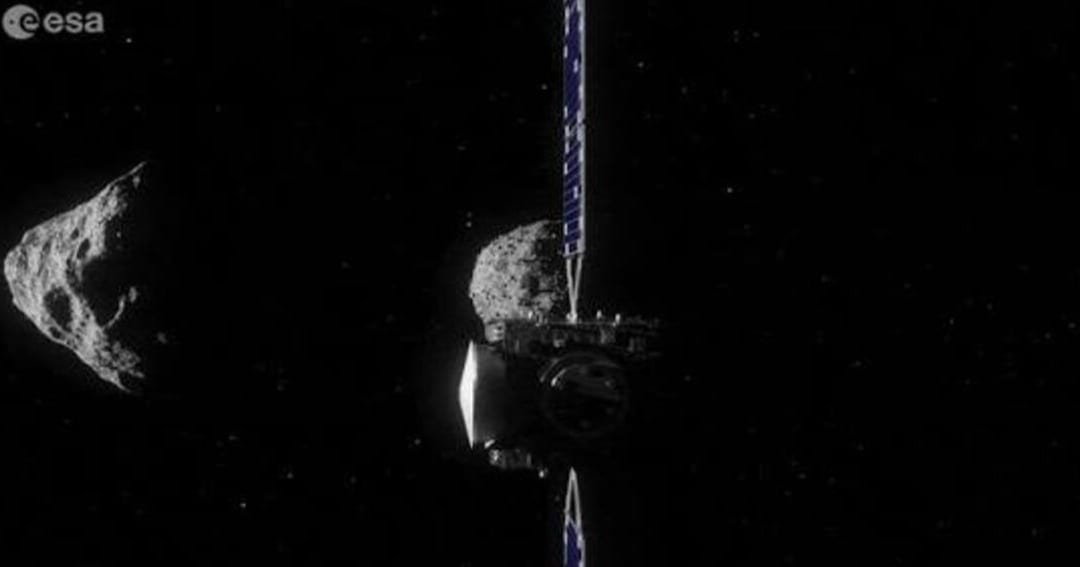
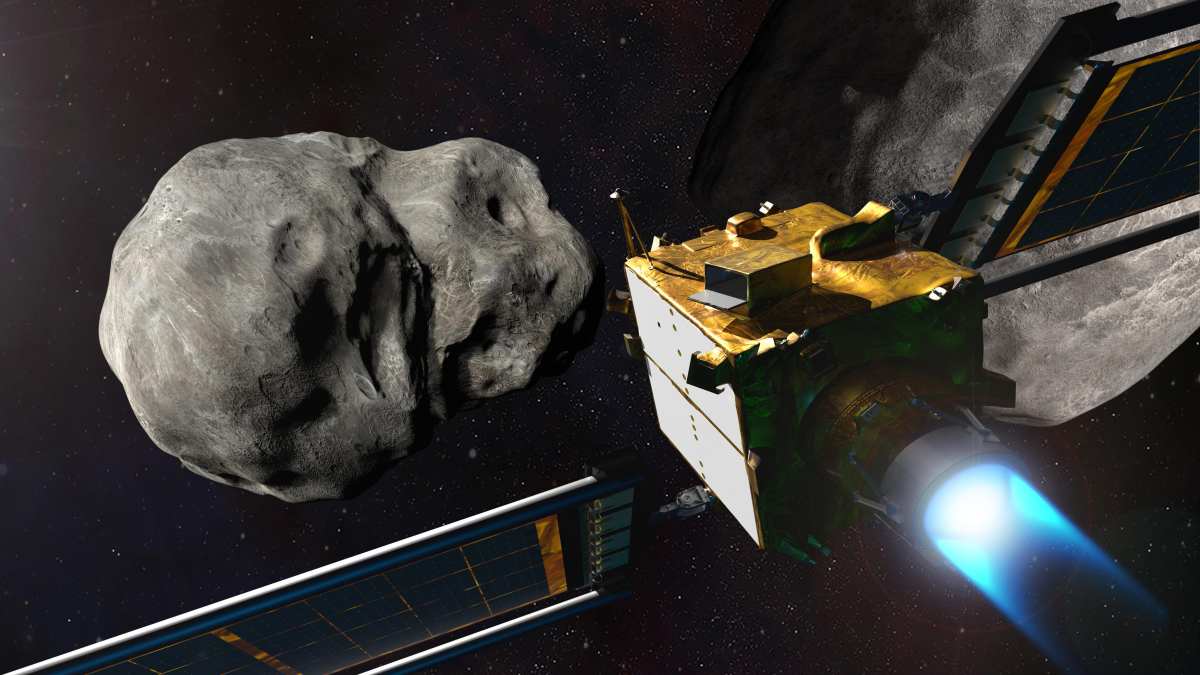
DART stands for Double Asteroid Redirection Test. The mission’s idea was to find out whether crashing a spacecraft into an asteroid could actually shift its orbit. Turns out it can. Launched on November 24, 2021, DART spent just over ten months in transit before slamming into an asteroid called Dimorphos at roughly 14,000 miles per hour. That impact shortened Dimorphos's orbit around the larger asteroid Didymos by around 33 minutes. Moreover, a later study showed that the impact also changed the duo's orbital period around the Sun by 0.15 seconds. Neither asteroid was a threat to Earth. This was purely a test, but a meaningful one. It was the first time a human-made object had successfully changed the orbit of a natural body in space.
Lucy (Launch Date: October 16, 2021; Ongoing)
Lucy has more asteroid flybys on its schedule than any mission before it. 11 in total, across its 12-year mission period. Three of those sit in the main asteroid belt between Mars and Jupiter, while the other eight are Trojan asteroids, a group that shares Jupiter's orbit around the Sun. Lucy flew past asteroid Donaldjohanson in April 2025 and is on track to reach Eurybates and its satellite Queta in August 2027. Before that, it covered a flyby of Dinkinesh in November 2023, where it found a small contact binary satellite orbiting the asteroid, later named Selam.
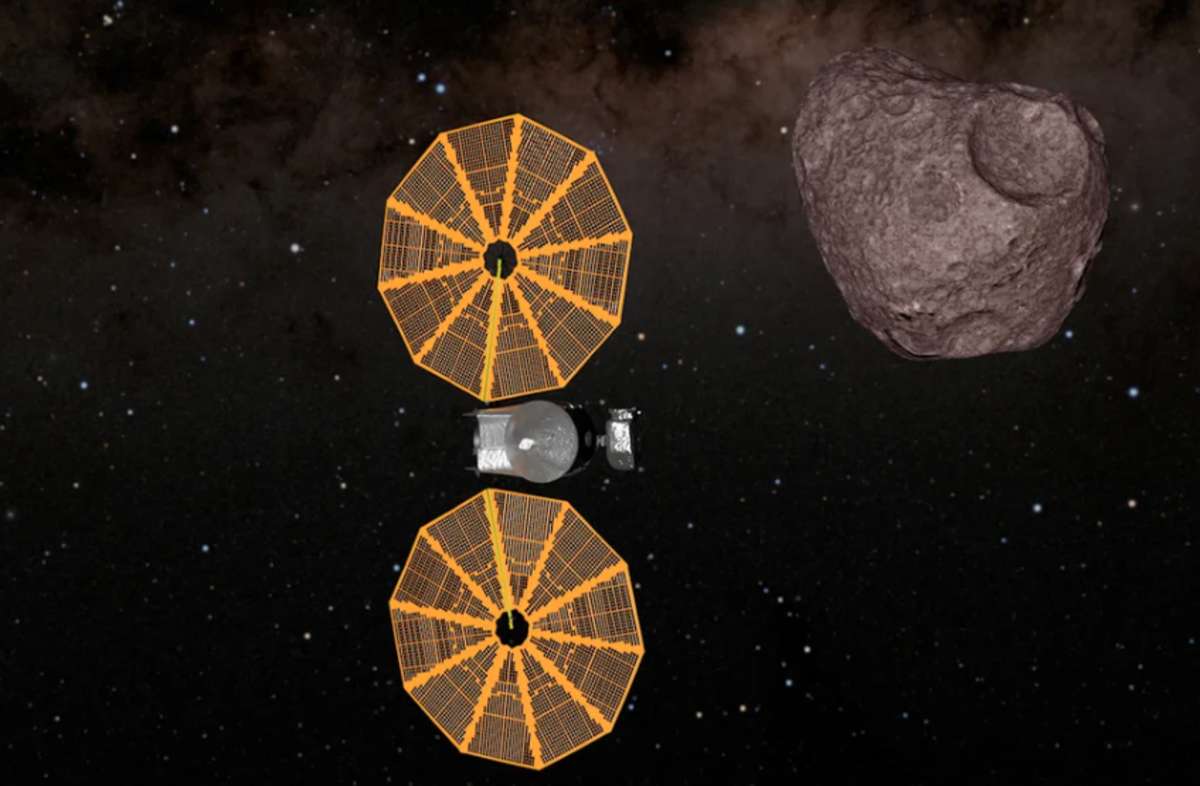
The mission's name comes from a famous fossilized pre-human ancestor found in Ethiopia in 1974. The idea is that just as that fossil changed what we knew about human origins, these flybys could do something similar for our understanding of planetary origins.
Psyche (Launch Date: October 13, 2023; Ongoing)
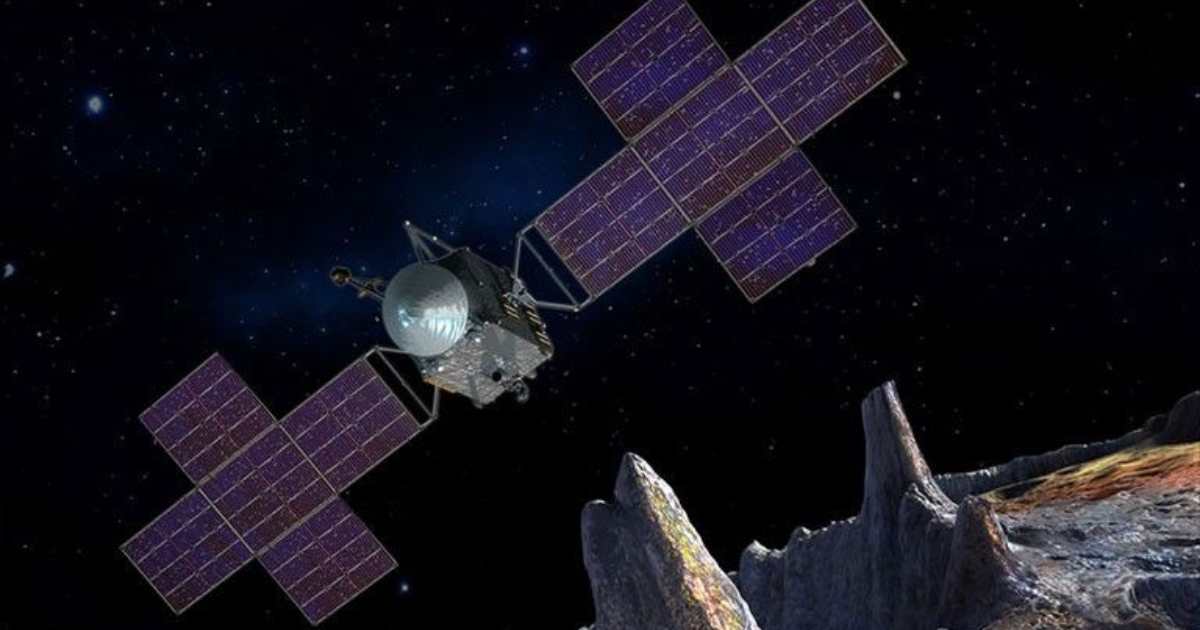
The Psyche spacecraft is currently making its way to a metal-rich asteroid that shares its name. Asteroid Psyche is about 173 miles wide at its broadest point. Scientists think it could be part or all of the iron-rich core of a planetesimal, one of the primitive building blocks that rocky planets are thought to have formed from. The problem is that studying planetary cores is something we can't currently do, since there's no way to reach our own. If the theory about Psyche is right, flying a spacecraft there would be the closest thing we've ever had to actually looking inside a planet. It's expected to be captured by the asteroid's gravity in late July 2029, with science operations kicking off in August. "Our spacecraft is off to meet our asteroid, and we'll fill another gap in our knowledge and color in another kind of world in our solar system," said Lindy Elkins-Tanton, the mission's principal investigator at Arizona State University, in a statement.
More on Starlust
NASA's James Webb cuts through dust to reveal 16.5 million never-before-seen stars in Cigar Galaxy