NASA's Parker Solar Probe hits 430,000 mph during latest flyby just 3.8 million miles above the Sun
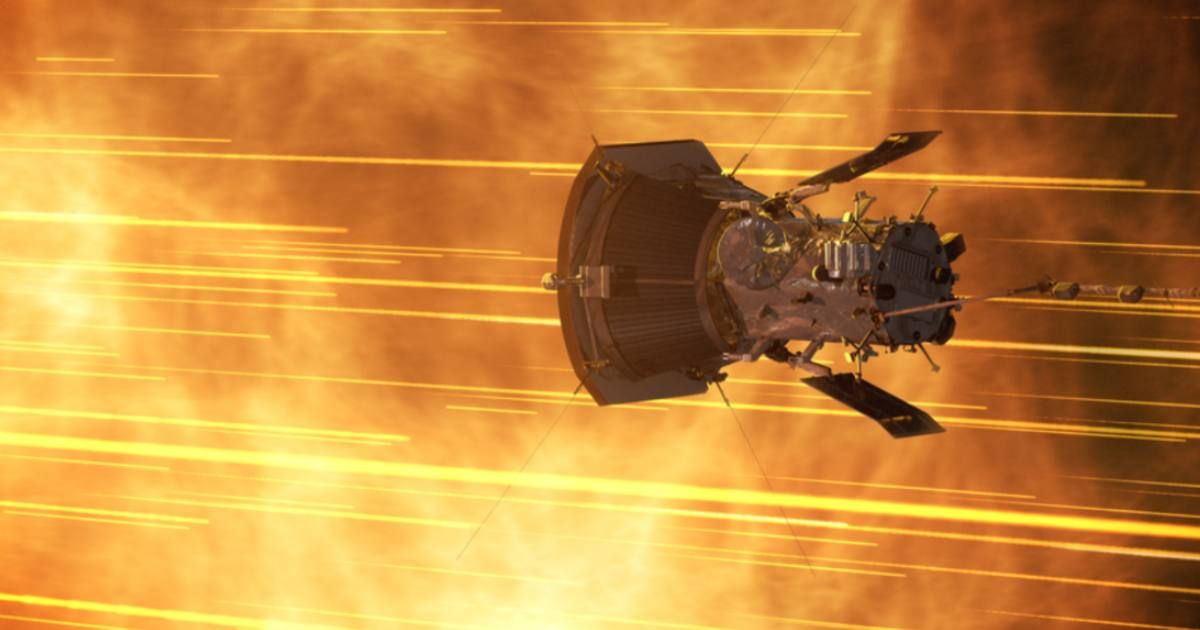
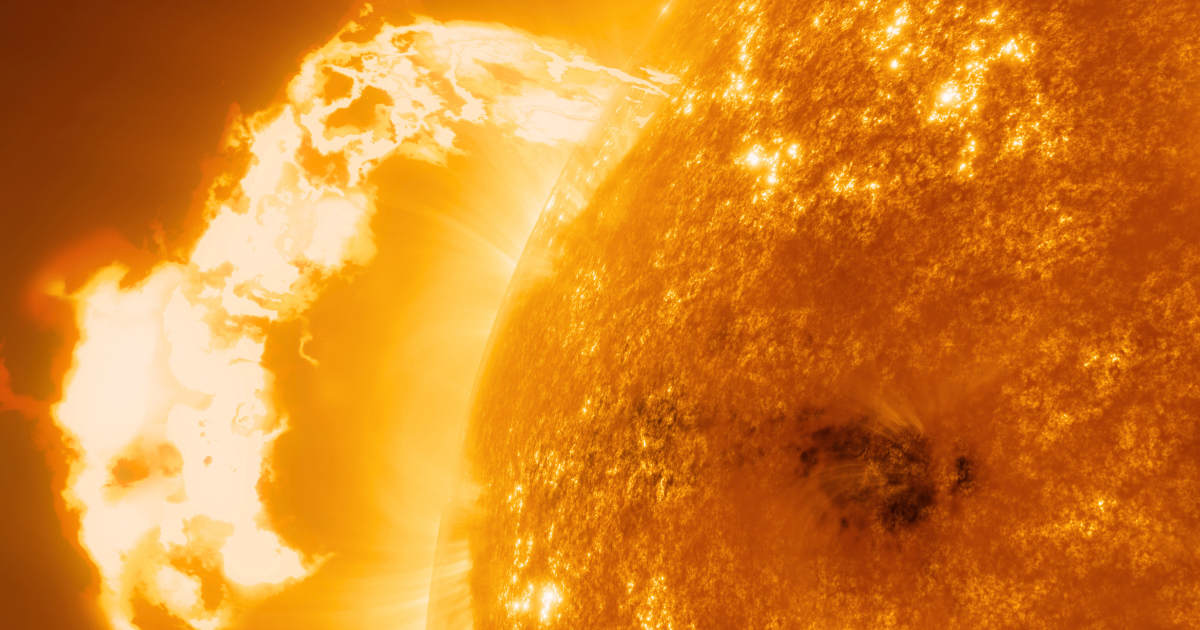
Designed to fly into the corona, the outermost region of the Sun's atmosphere, NASA's Parker Solar Probe completed its 28th close approach to the Sun. During the flyby, the spacecraft went within 3.8 million miles above the solar surface, thereby equaling its distance record, and took measurements of solar wind and solar activity at their source.
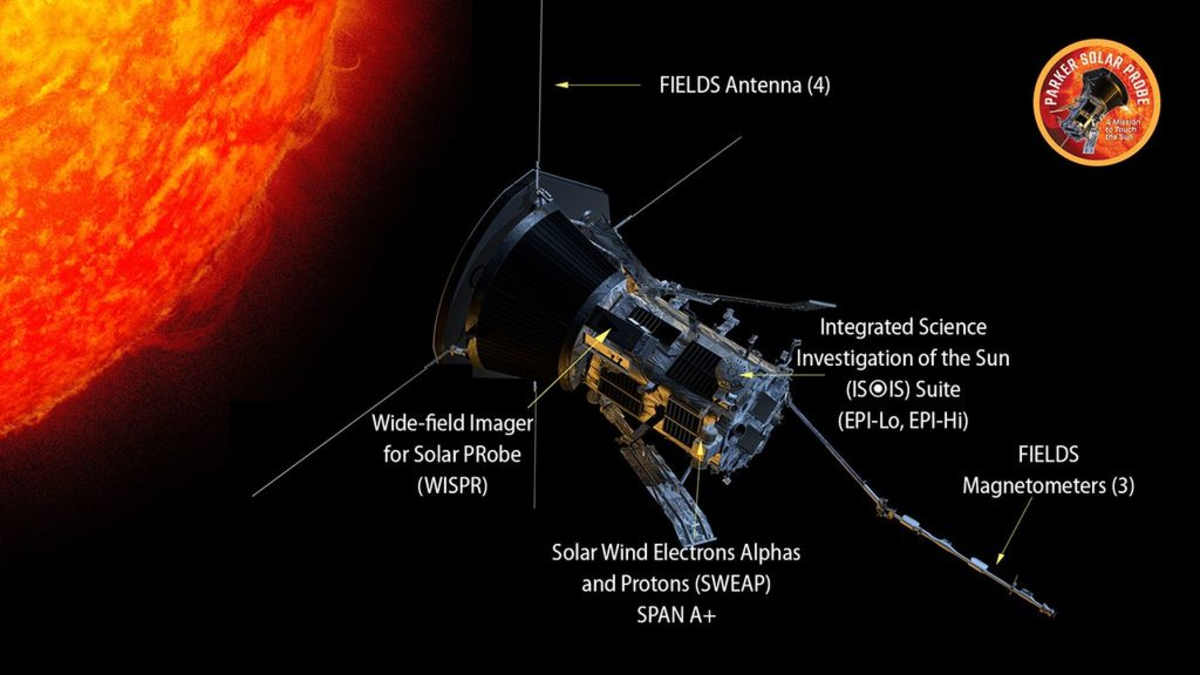
Before it made its closest approach, the probe sent a beacon to flight controllers at the Johns Hopkins Applied Physics Laboratory (APL) in Laurel, Maryland, indicating that all its systems were working fine. Around its closest approach, however, the probe had limited communication with Earth and operated autonomously. During the close encounter, which began on June 3 and was supposed to end on June 13, according to NASA's latest update, Parker’s four scientific instruments captured vital data from inside the corona. The probe was supposed to have begun sending detailed spacecraft telemetry by June 14. The science data transmission, which was supposed to have begun on June 17, is set to go on till June 30. This data on the solar wind and solar events, such as coronal mass ejections, will serve to enhance our understanding of high-energy space weather events that are a threat to the spacecraft and astronauts in space, as well as power grids here on Earth. A better understanding of the science behind these space weather events will lead to improved prediction models, which, in turn, will ensure greater astronaut safety during crewed missions to the Moon and Mars.
As Parker approached the Sun, its speed equaled 430,000 mph, which it had set during a close approach on December 24, 2024. Since then, the probe has made five flybys that have matched the speed. These include the one conducted on March 11 this year. The NASA team says the probe will continue to match the speed and distance records during its future flybys. Through its six flybys, the probe has remained in excellent shape. Parker doesn’t have a temperature sensor on the front side of its heat shield, known as the Thermal Protection System, or TPS. Using models, the team has estimated that the heat shield temperatures rise to about 1,700 degrees Fahrenheit at closest approach.
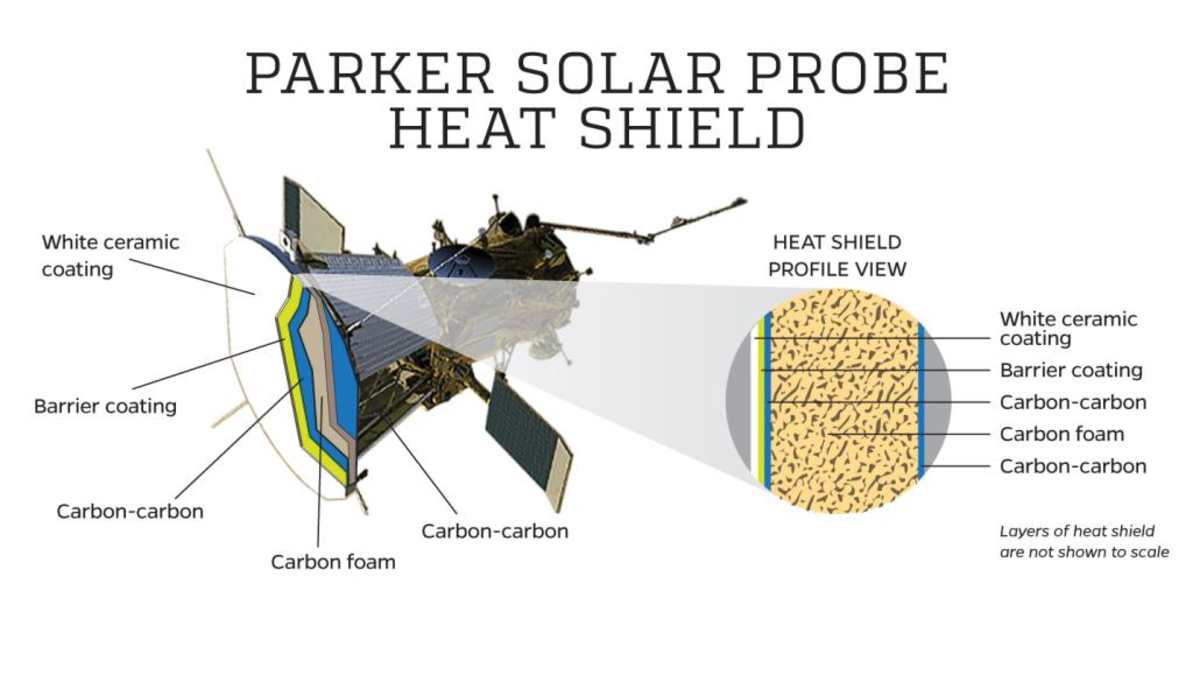
“The heat shield material is incredibly light and fragile, but the thermal design, as well as the software that keeps the spacecraft pointing the TPS toward the Sun, have been outstanding,” said John Wirzburger, Parker Solar Probe mission systems engineer at APL. “It’s a real tribute to the team that designed, built, and operates Parker Solar Probe.” In the absence of a sensor, the team can measure the temperature of the barrier that lies below the heat shield, and has found that the actual temperature of the space probe remained stable and consistent on each pass. “That temperature consistency is a major indicator of spacecraft health,” said Wirzburger. “It tells us the heat shield isn’t degrading. If it were cracking or weakening, we’d see temperatures drift upward as more heat leaked through.”
More on Starlust
NASA's Parker Solar Probe makes surprising revelation about mechanism behind solar storms