What would really happen if an asteroid hit Earth today—and is NASA ready?
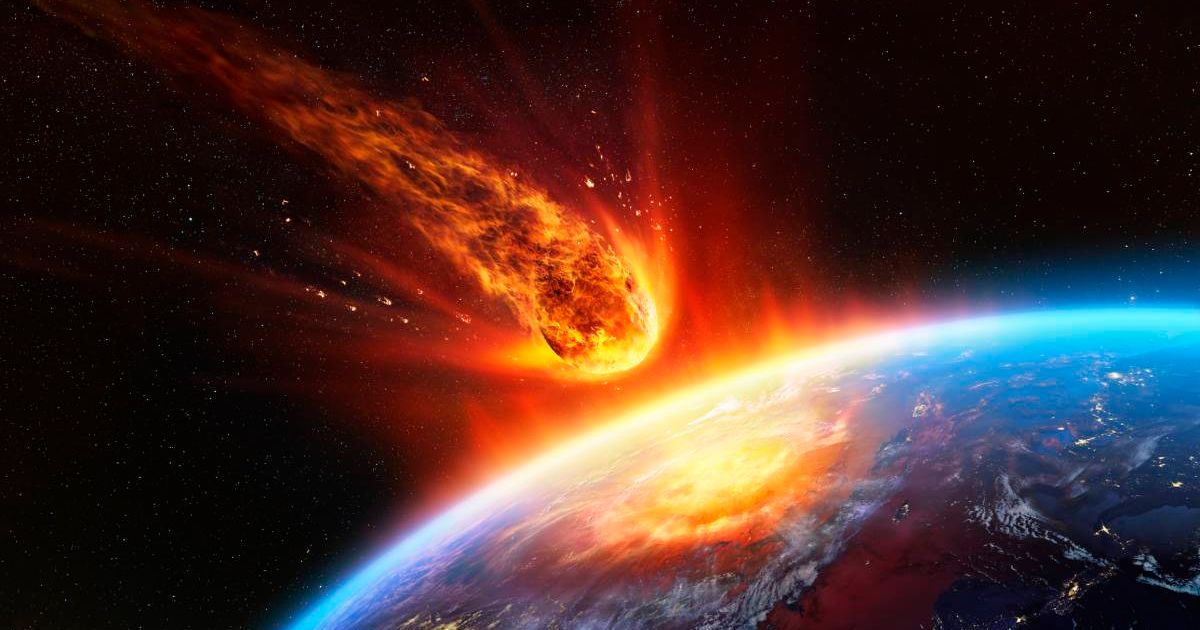
Many people think that if a giant rock from space were ever headed straight for Earth, the asteroid impact would be so significant that there wouldn't be much anyone could do about it. That assumption, however, is no longer entirely true, thanks in large part to NASA’s Jet Propulsion Laboratory. The laboratory runs a dedicated Asteroid Watch program that is responsible for spotting and following asteroids and comets that pass uncomfortably close to Earth. The good news is that researchers have already located roughly 90 percent of the near-Earth asteroids that are at least 0.6 miles (1 kilometer) wide, and none of them show any meaningful chance of a collision. The unsettling part is that a significant percentage of smaller, yet still potentially devastating, asteroids haven't been found yet, and there is always a slim chance of larger ones slipping past our current surveys undetected.
What different sizes of impact would actually look like
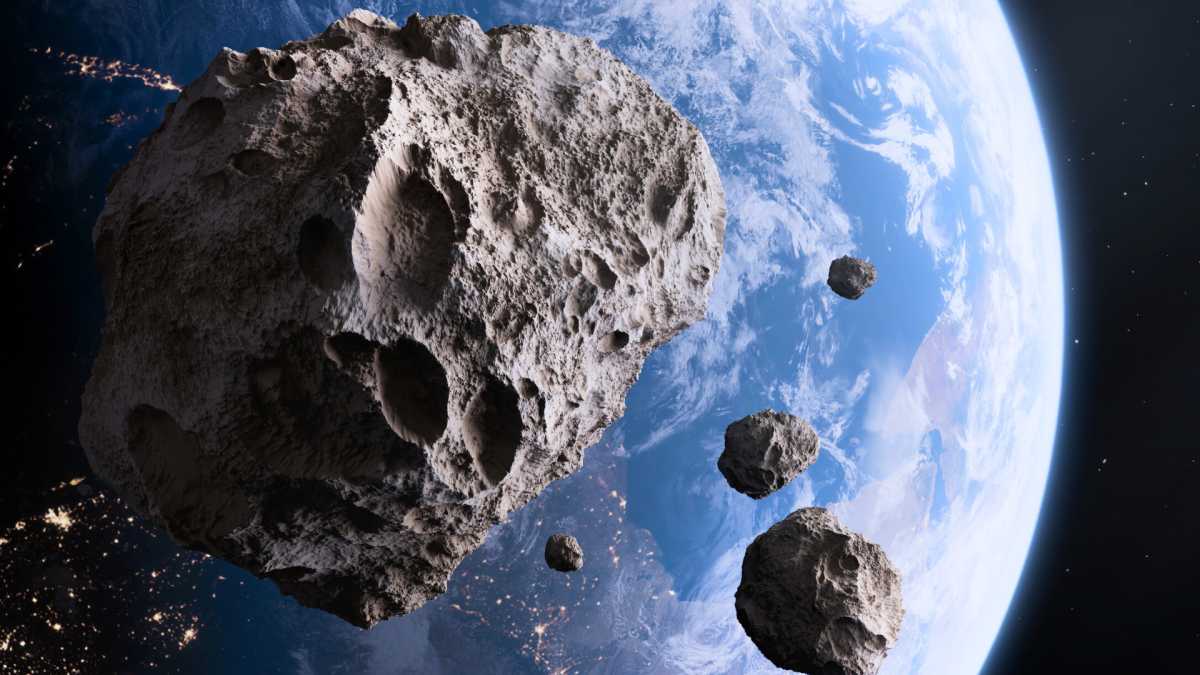
When it comes to the asteroid impact, scale matters. A house-sized asteroid hitting at around 30,000 miles per hour would release energy comparable to the Hiroshima bomb. This means an airburst could flatten reinforced concrete buildings within half a mile and wood-frame homes for a mile and a half beyond that. If we scale up to an asteroid the size of a 20-story building (200 feet on a side), the energy released would rival the largest nuclear weapons ever detonated, capable of leveling reinforced buildings five miles out and wiping out a major metropolitan area. A mile-wide asteroid would carry the force of hundreds of thousands of megatons. Anything in the 7-to-8-mile range —similar to the rock that wiped out the non-avian dinosaurs—would trigger a planet-wide dust cloud that blocks sunlight. While the impact site itself would briefly flash-fry, the resulting global temperature drop and collapse of the food chain is what would actually destroy most life on Earth, though scientists believe some survival would remain.
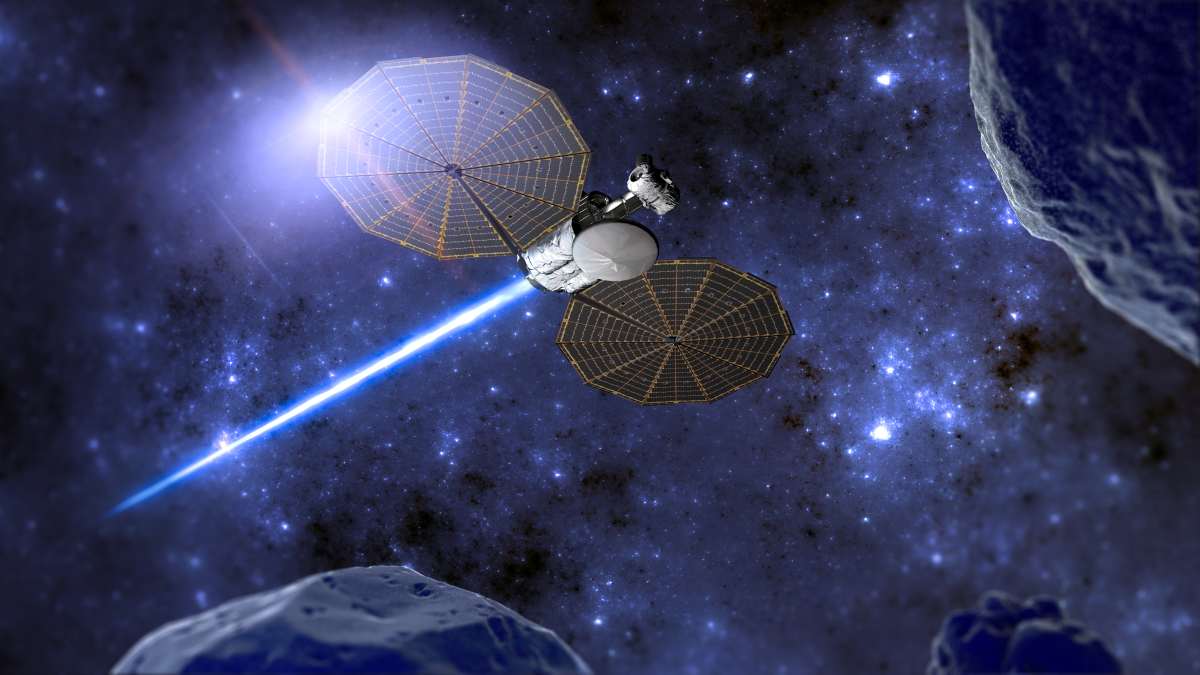
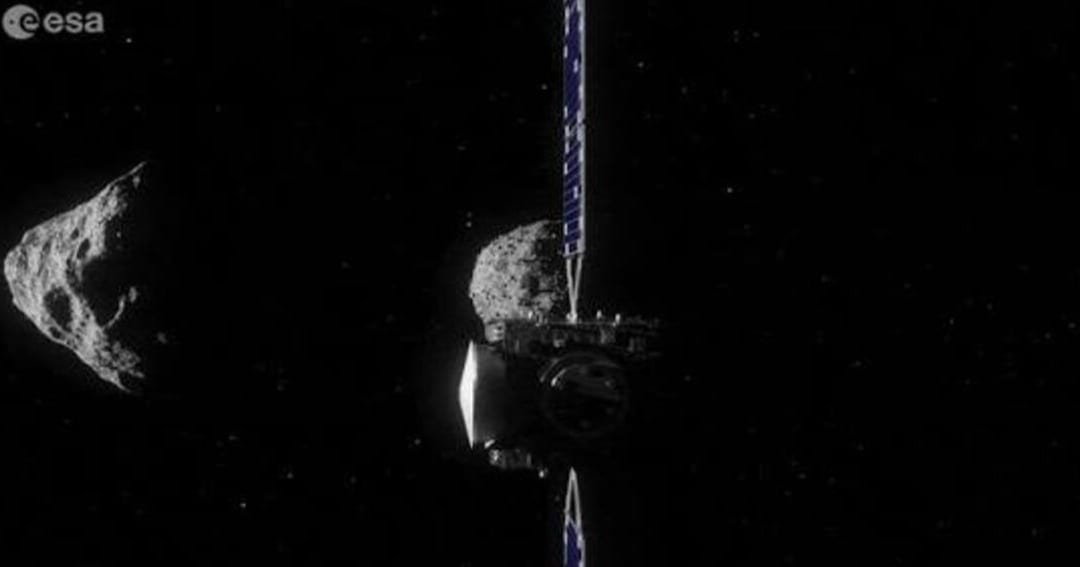
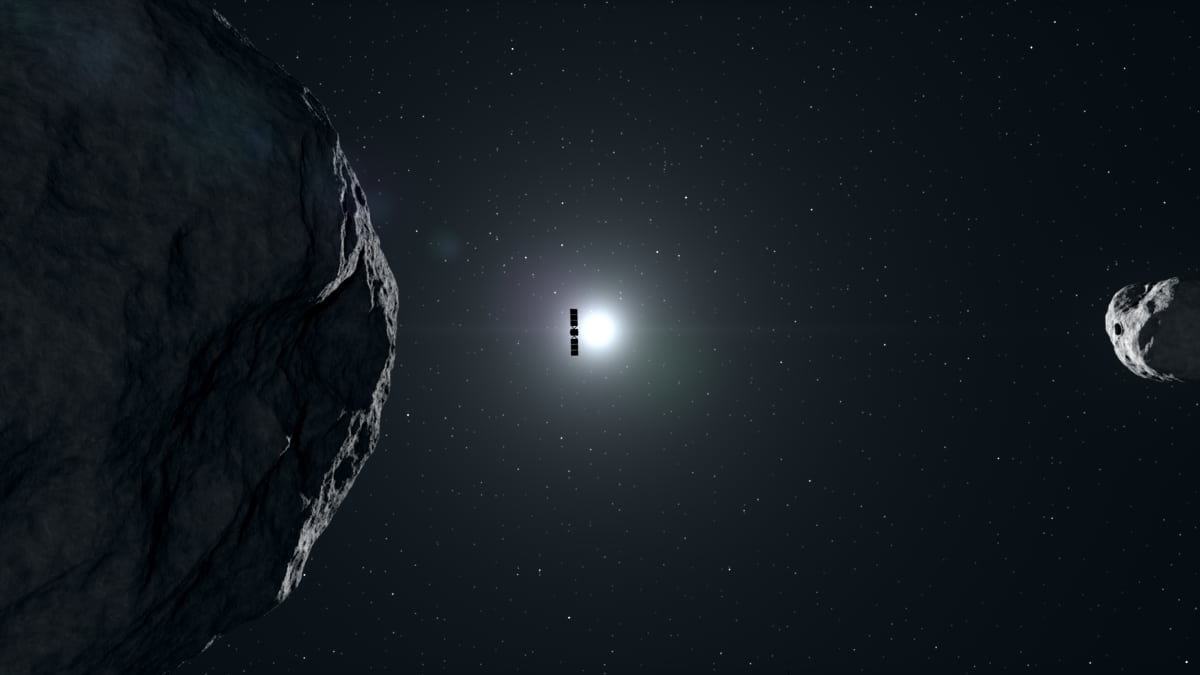
An asteroid 60 miles across would be capable of erasing life on our planet entirely. When we think about asteroids on that scale, the odds of survival can feel slim. But there's a real possibility we're not as defenseless as it seems. In November 2021, NASA launched its Double Asteroid Redirection Test (DART) with the goal of colliding with a small asteroid named Dimorphos hard enough to measurably change its path. On September 26, 2022, the spacecraft did exactly that by striking the rock at roughly 14,000 miles per hour. A complete lap around its parent asteroid, Didymos, took Dimorphos almost 12 hours before the impact experiment took place. NASA had set the bar for success at a 73-second change to that orbit. The actual result blew past that benchmark by more than 25 times over, shortening the orbit by a full 32 minutes.
Commenting on this success, NASA Administrator Bill Nelson said in an official release, "All of us have a responsibility to protect our home planet. After all, it's the only one we have. This mission shows that NASA is trying to be ready for whatever the universe throws at us. NASA has proven we are serious as a defender of the planet. This is a watershed moment for planetary defense and all of humanity, demonstrating commitment from NASA's exceptional team and partners from around the world."
So, are we really ready?
Part of why DART was successful comes down to something called ejecta, the cloud of rock and debris the impact blasted off the asteroid's surface. That debris recoiled backward and gave Dimorphos an extra shove, similar to how a jet of air rushing out of a balloon sends the balloon flying in the opposite direction. "DART has given us some fascinating data about both asteroid properties and the effectiveness of a kinetic impactor as a planetary defense technology," said Nancy Chabot, the DART coordination lead at the Johns Hopkins Applied Physics Laboratory. With this, NASA has now proven that we can redirect an asteroid on the scale of Dimorphos, and this was also the first time in history that we have purposely changed the motion of a celestial object. We might not be fully prepared for a massive planetary threat just yet, though we're no longer starting from zero. The technology and the early-warning systems both need further development before we can reliably deflect a catastrophic threat.
More on Starlust:
In our search for alien life, a swarm of space telescopes could be the missing link
Unknown asteroid flew past Earth closer than a satellite—and we didn't spot it until hours later