Asteroid Day 2026: Remembering the 1908 Tunguska event that flattened 772 square miles of Siberian forest
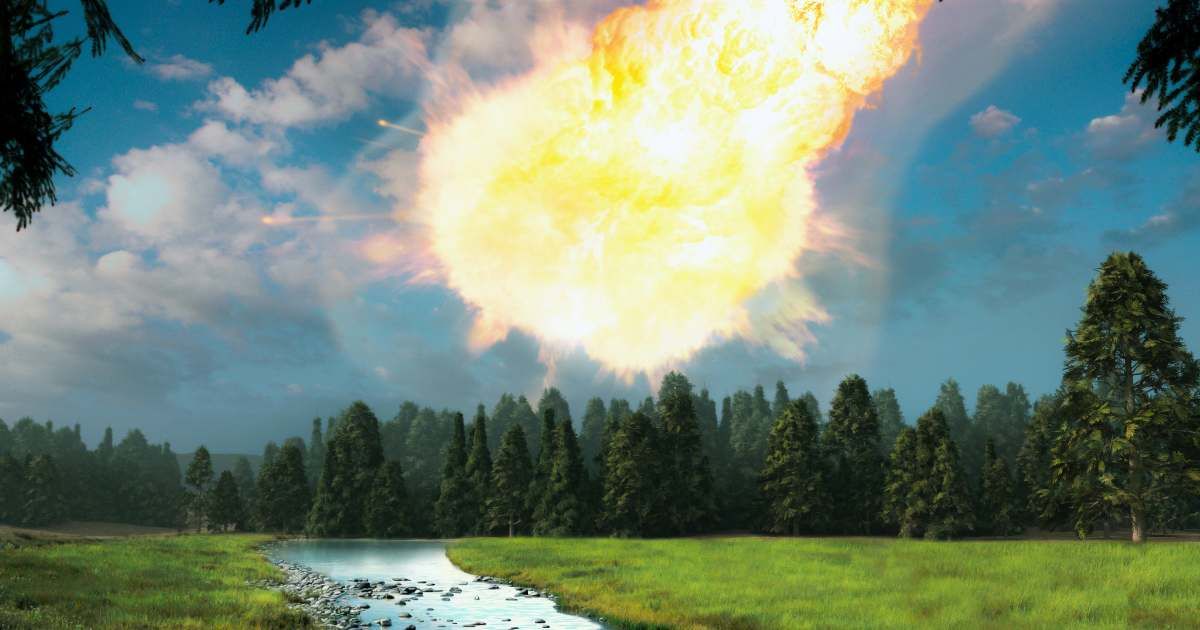
About 118 years ago, an asteroid struck Earth’s atmosphere and exploded over Tunguska, a sparsely populated location in central Siberia. On June 30, 1908, local residents watched a fireball whose blinding light was brighter than the Sun. With a massive explosion, the fireball detonated mid-air over the forest, triggering forest fires, stripping trees of their leaves, and violently snapping and burning their branches. According to a recent study published in Earth and Space Science, the airburst released energy equivalent to 12 megatons of TNT—roughly a thousand times stronger than the nuclear bombing of Hiroshima—devastating approximately 2,000 square kilometers (approx 772 square miles) of forested area in central Siberia, Russia. However, despite such an enormous explosion, the Tunguska event did not leave any visible crater.
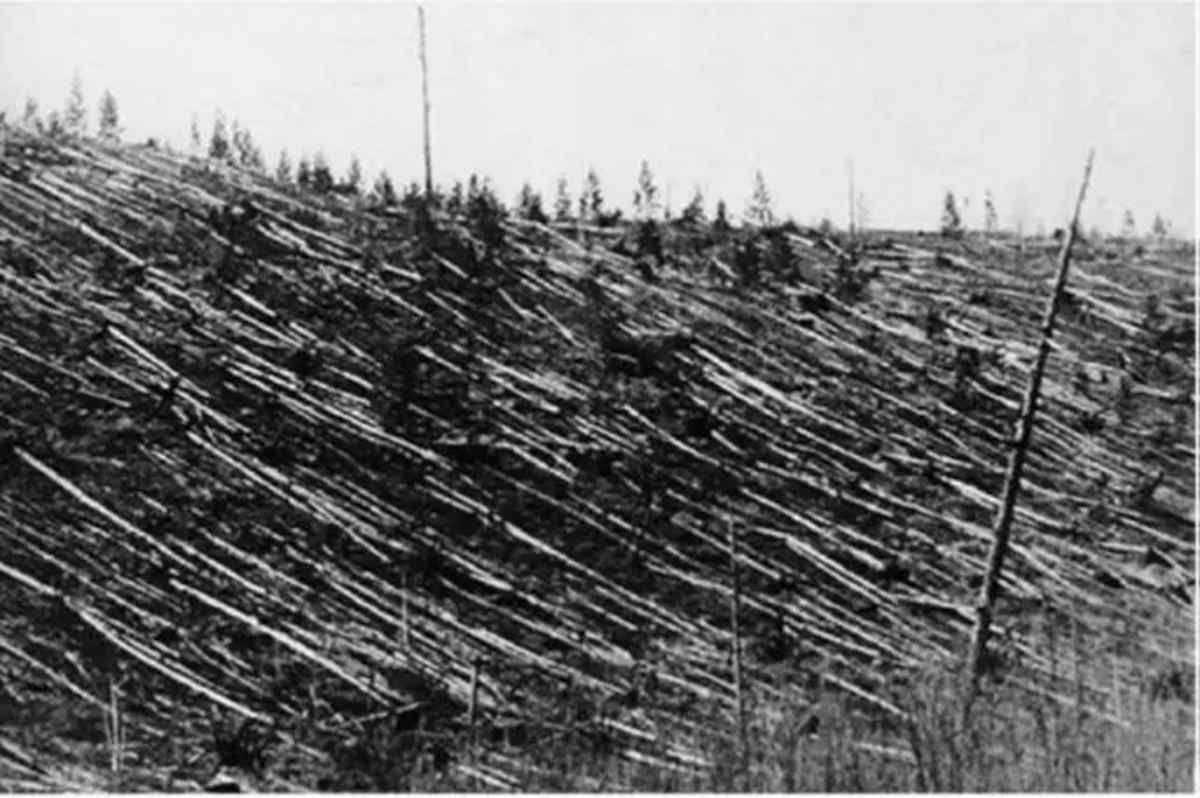
The blast occurred on the morning of June 30, and was witnessed by a few reindeer herders of the local Evenki people. The story of such destruction didn’t spread immediately, as it was the time when Tsar Nicholas II ruled Russia. Some of the local people who were closest to the epicenter were blown into the air and knocked unconscious. That said, thanks to the region's extreme isolation, human casualties were remarkably low, but some herds of reindeer were wiped out. Perhaps astonishingly, despite the magnitude of the explosion, scientific expeditions to the site didn’t begin until 1927. This was because the location was not well-connected to the outside world, and World War I stalled scientific explorations.
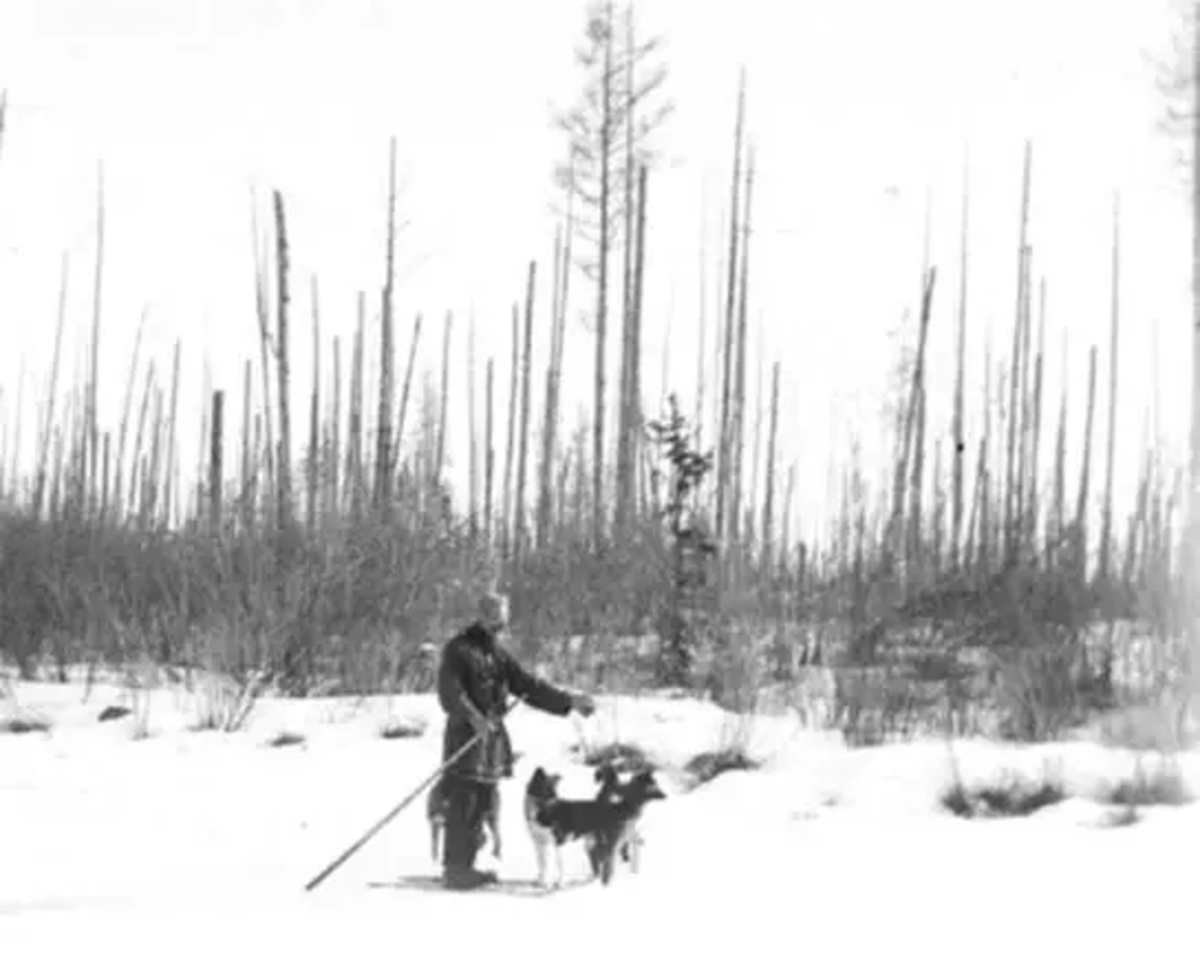
When expeditions did begin, geologist Leonid A. Kulik, sent by the Soviet Academy of Sciences, was the first scientist to arrive at the site. When he reached the epicenter, he saw unmistakable signs of an explosion on almost bare trees, standing with burnt and broken, leaf-less branches. However, he didn’t find any physical evidence of the impactor itself. Subsequent aerial surveys and fieldwork revealed a butterfly-shaped area of carnage covering a whopping 830 square miles, stretching 9 to 22 miles from the epicenter, where millions of trees were flattened. Scientists concluded that a mid-air explosion incinerated and then vaporized the rocky object. Although later expeditions detected microparticles, these could not be definitively linked to the blast.
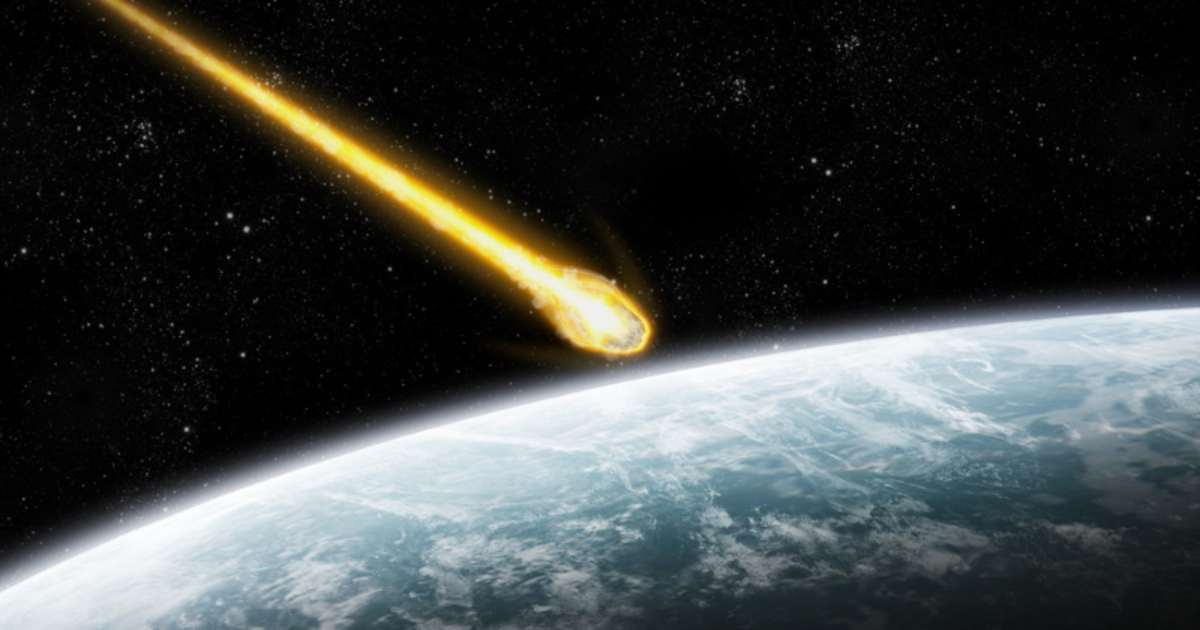
Some scientists initially suggested that the impactor was a comet, but the consensus today is that it was an asteroid. The asteroid, called a bolide once it enters Earth’s atmosphere, approached at an angle of about 30 degrees based on the trail it left in the sky. Its diameter, according to some scientists, was estimated to be 130 feet, and it exploded at an altitude of about 6 miles, creating shock waves and intense thermal radiation. It was so powerful that seismic instruments hundreds of miles away in Russia recorded the tremors generated by the shock waves. Skies over parts of Asia and Europe were also unusually bright at night following the explosion, with newspaper reports from the time documenting this strange glow.
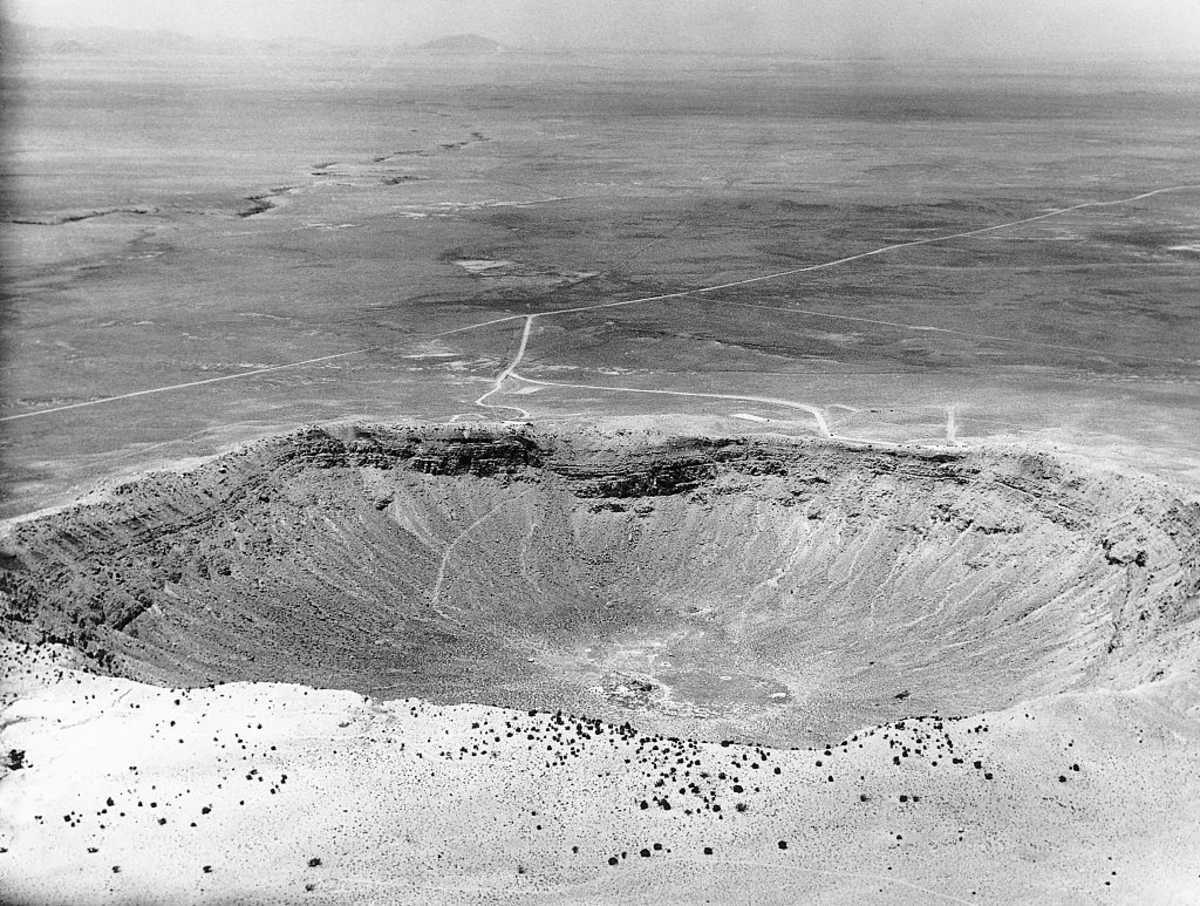
Asteroids are no strangers to Earth. They have struck the blue planet with devastating consequences that not only decimated large portions of life but also shaped its biological evolution. Given their role in our planet's history, the United Nations, in 2016, declared June 30 as International Asteroid Day to raise awareness about asteroids and strengthen ongoing research into planetary defense. Among notable asteroid impacts is the partially-submerged, 125-mile-wide Chicxulub Crater in Mexico’s Yucatan Peninsula. This was created by a 6-mile-wide (10-km) asteroid that slammed into Earth’s atmosphere 66 million years ago, wiping out the mighty dinosaurs along with 75 percent of Earth’s species. About 50,000 years ago, another smaller asteroid, only about 165 feet wide, struck what is now Arizona, creating a nearly mile-wide crater. There is also geological evidence of cosmic events much larger than the Tunguska event. Those events happened in entirely pre-human eras or uninhabited areas, leaving 29-million-year-old glass in the Libyan Desert of Egypt, 2.5-million- and 430-thousand-year-old deposits of meteoritic debris in Antarctica, and 11-thousand-year-old glass in the Atacama Desert.
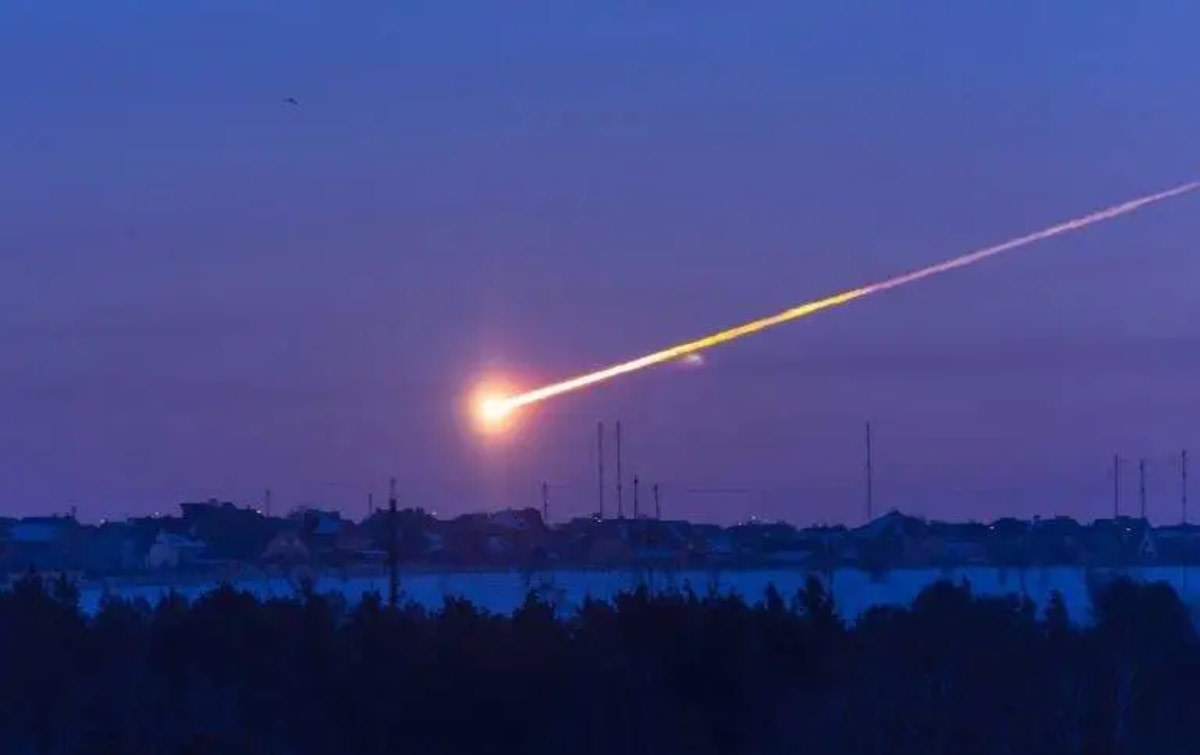
Like Earth, other celestial bodies are also battered by asteroids and comets. Between July 16 and July 22, 1994, 21 fragments of Comet Shoemaker-Levy 9 crashed into Jupiter. In recent years, an asteroid about 60 feet wide exploded over Chelyabinsk, Russia, on Feb. 15, 2013, releasing energy equivalent to an estimated 500 kilotons of TNT. This event shook humanity, prompting NASA to set up a Planetary Defense Coordination Office (PDCO) on January 7, 2016. The PDCO’s prime objective is to fund efforts to identify Near-Earth Objects (NEOs) that could pose a threat to our planet and send out a global warning about such a hazard. But a warning alone cannot prevent an asteroid’s tryst with Earth. So, to avert this, NASA developed the Double Asteroid Redirection Test (DART) mission, which is managed by the Johns Hopkins Applied Physics Laboratory.
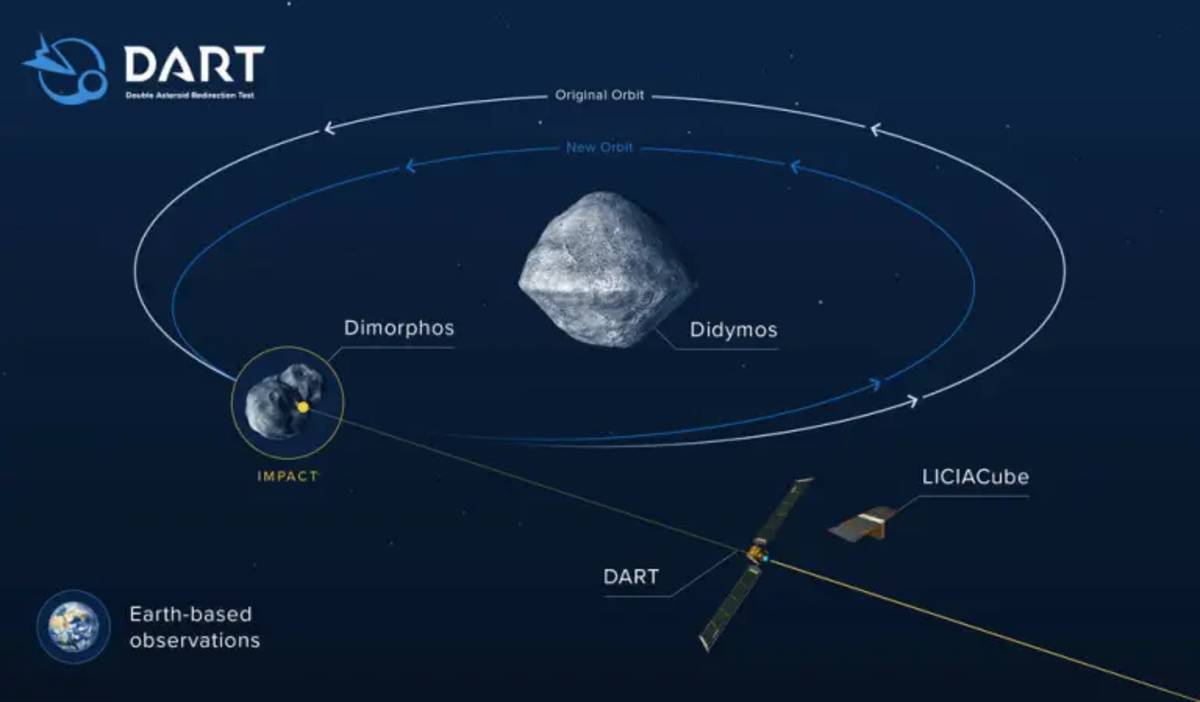
NASA has successfully demonstrated that this technology could deflect asteroids from an Earth-ward path, thereby avoiding a collision. The technique uses a spacecraft hurtling through space at 14,000 miles per hour and then steers it toward asteroids, with which the spacecraft collides to change their trajectory. NASA applied this technique to a single binary asteroid system: Didymos, about a half-mile in diameter, and its smaller companion Dimorphos, about 500 feet in diameter. The impact and ejecta plume were imaged by the Hubble Space Telescope and the James Webb Space Telescope. The impact worked, shortening Dimorphos’ orbital period around Didymos by 33 minutes. NASA’s PDCO is on high alert, scanning the horizons for NEOs that come within 30 million miles of Earth’s orbit. On International Asteroid Day, the Tunguska event is a grim reminder of the devastation an asteroid can cause. But more than a hundred years down the road, we have technologies like DART to actively prevent such disasters by deflecting a space rock off a collision course with Earth.
More on Starlust:
Asteroid that killed the dinosaurs helped microbial life flourish for millions of years
Asteroid impacts shaped the early Earth's surface, creating conditions conducive for life