Ancient Mars may have seen geological activity once thought unique to Earth
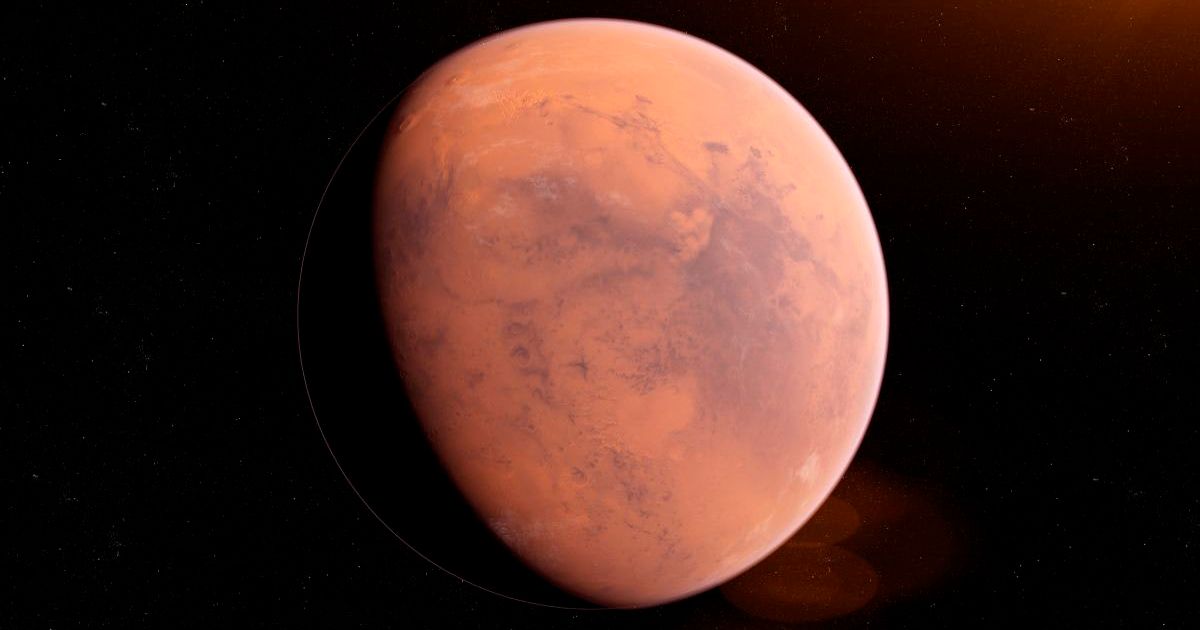
Mars has no moving tectonic plates that, on Earth, create continents, recycle crust, and drive volcanism. As a result, scientists assumed that the Red Planet did not have the conditions to produce a complex crust. However, a new study, published in Nature Astronomy, has now challenged this long-held view. It indicates that ancient Mars had Earth-like magmatic systems deep beneath its surface. This insight could fundamentally change how scientists think about rocky planets within and beyond the solar system.
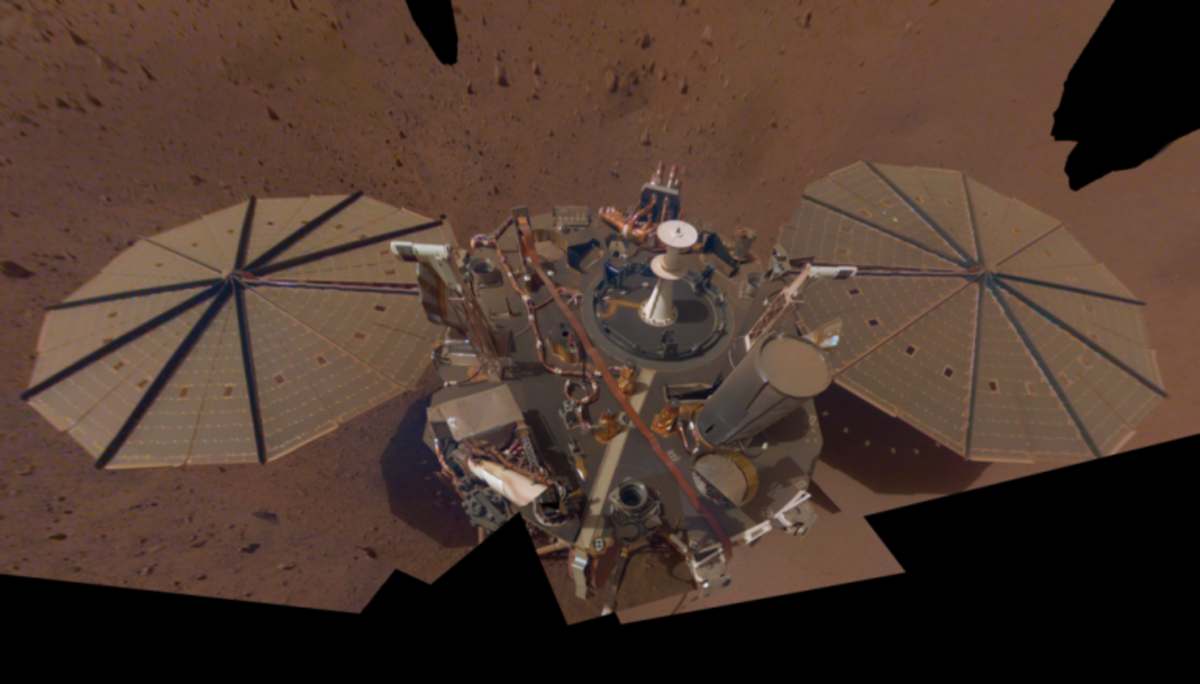
The researchers got the breakthrough by analyzing data of Mars’ seismic vibrations. The data was obtained by NASA’s now-retired Insight lander, which set down the first seismometer on the planet in 2018 to study marsquakes. The researchers used the data to study a boundary around 24 kilometers beneath the Martian surface. The theory was that the boundary marked a transition between two different rock types. To put this idea to the test, the team compared hundreds of possible rock compositions with the seismic data using thermodynamic modeling and statistical techniques.
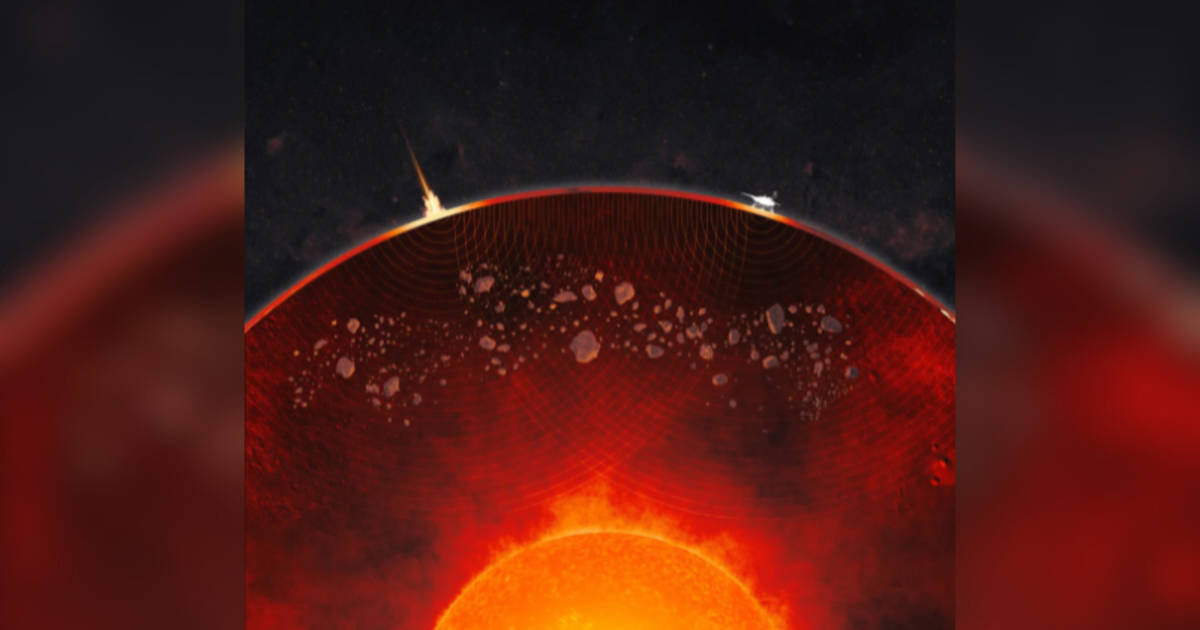
The analysis showed that only rocks that are rich in iron and magnesium but low in silica matched the properties beneath the 24-km boundary. On top of this sits a layer of more silica-rich rocks. The deeper layer, the researchers believe, formed when molten rock gathered underground before eventually spearating into different materials. This likely saw the residue of denser crystals settle at the bottom while lighter material rose upwards. On Earth, a similar process is linked to continental formation. This layer of molten rock, the researchers believe, may be spread over thousands of kilometers across Mars' northern hemisphere, indicating that the planet once harbored huge interconnected magmatic systems rather than simple isolated volcanoes. This phenomenon, dubbed transcrustal magmatism, was previously thought to be unique to Earth.
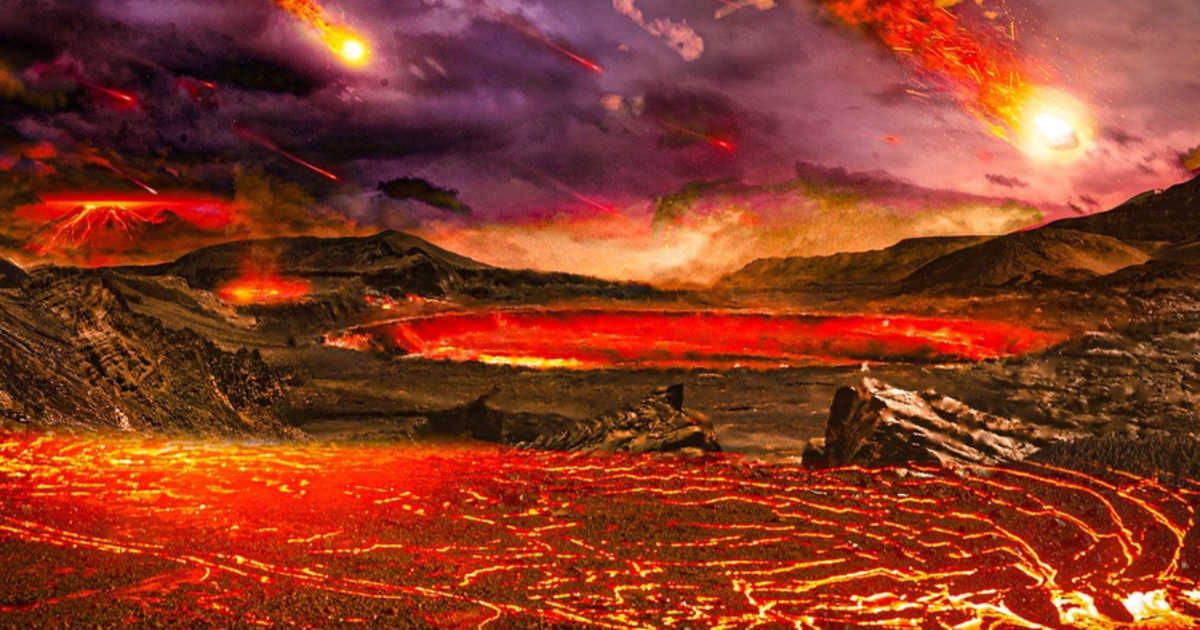
These geological processes help shape a planet’s atmospheres, oceans, and habitability, regulating climate and aiding cycling of water and other volatiles as they have been doing on Earth for billions of years. The new study, however, is an eye-opener. It shows that you don’t always need moving plates to build Earth-like crust and sustain life. It points to the fact that geological complexity may arise through more than one planetary pathway, even in the absence of plate tectonics. “We’ve traditionally assumed that volcanism on Mars was relatively simple compared to that on Earth,” said lead author Dr. Tobermory Mackay-Champion, with the University of Oxford at the time of the study, now with the University of Bristol, in a statement. “But this discovery suggests Mars could sustain large, long-lived systems where molten rock evolved and reprocessed itself throughout the entire crust.” He added, “It raises exciting possibilities for how common such systems might be on rocky planets beyond our solar system.”
More on Starlust
New research reveals how volcanic gases may have made early Mars a cradle for life
NASA discovers lava-like material that could help astronauts 'live off the land' on the Moon