Top cosmic mysteries NASA’s powerful new Nancy Grace Roman Space Telescope could solve
Uncovering mysteries of dark energy
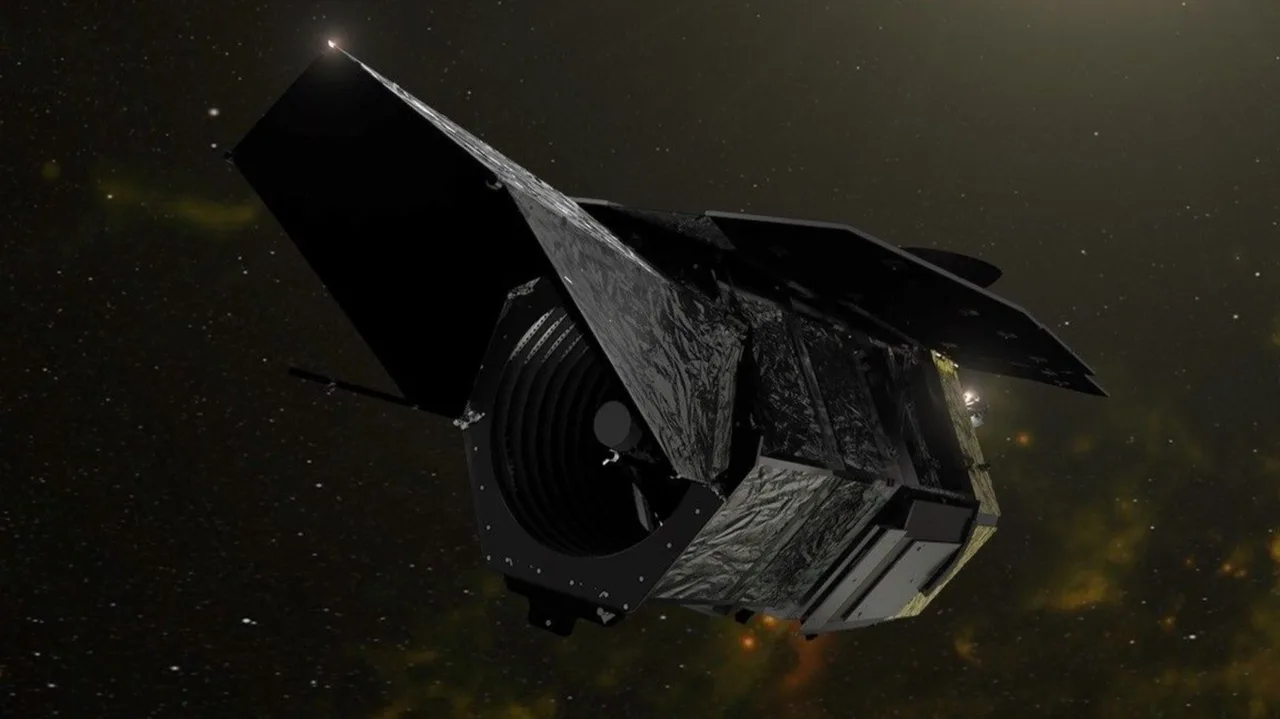
The Nancy Grace Roman Space Telescope’s primary mirror is the same size as the Hubble telescope’s but its field of view is at least a 100 times greater than the latter. During its five-year primary mission, the Roman telescope will image 50 times as much sky (from visible light to infrared) as Hubble captured in 30 years. According to NASA, Roman is designed to answer essential questions in the areas of dark energy, exoplanets, and astrophysics.
Scientists believe that the expansion of the universe is accelerating instead of slowing down, and dark energy may be the cause of it. Roman’s broad view will collect infrared from a vast area of the sky potentially from a billion galaxies in its lifetime, and this could help astronomers determine if dark energy changes over time in order to understand the dynamics of the universe.
Exploring the elusive dark matter
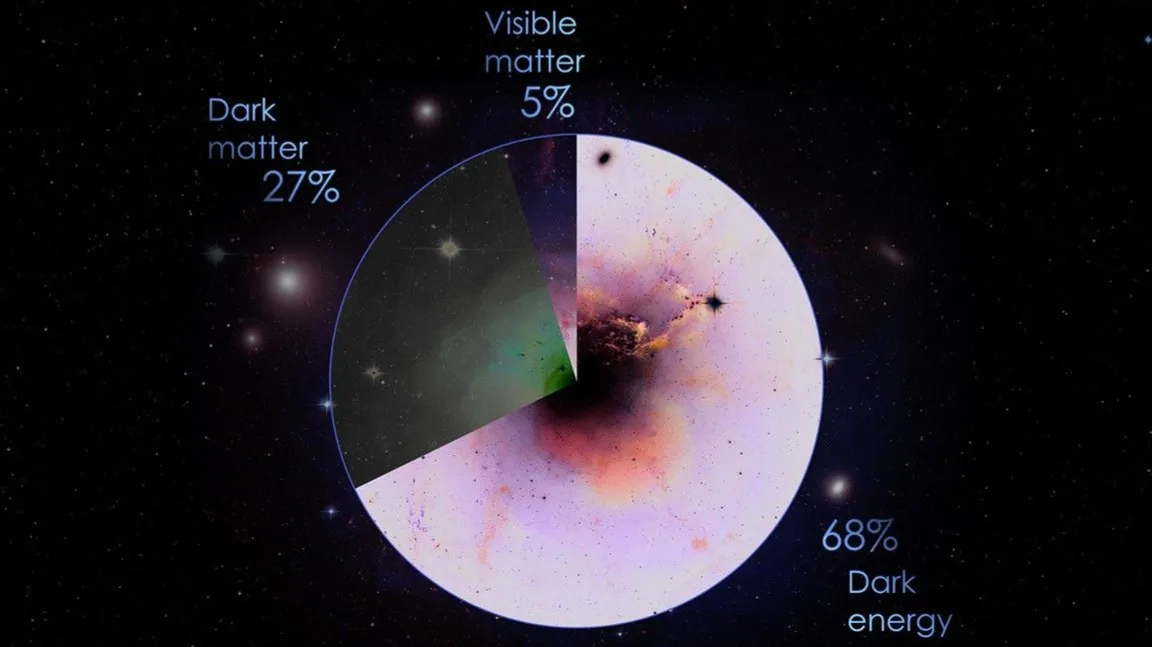
Dark matter is believed to be the invisible glue that holds the universe together. Scientists estimate that ordinary matter makes just 5 per cent of the universe whereas dark matter makes up 27 per cent of it. The rest is thought to be dark energy.
NASA says Roman will study elusive dark matter by charting the motions of objects such as individual galaxies, galaxy clusters, black holes, and other visible matter. Roman will detect the gravity of dark matter by watching how visible matter moves through the universe and continue the legacy of Hubble, which helped pioneer the study of dark matter.
Finding unknown exoplanets
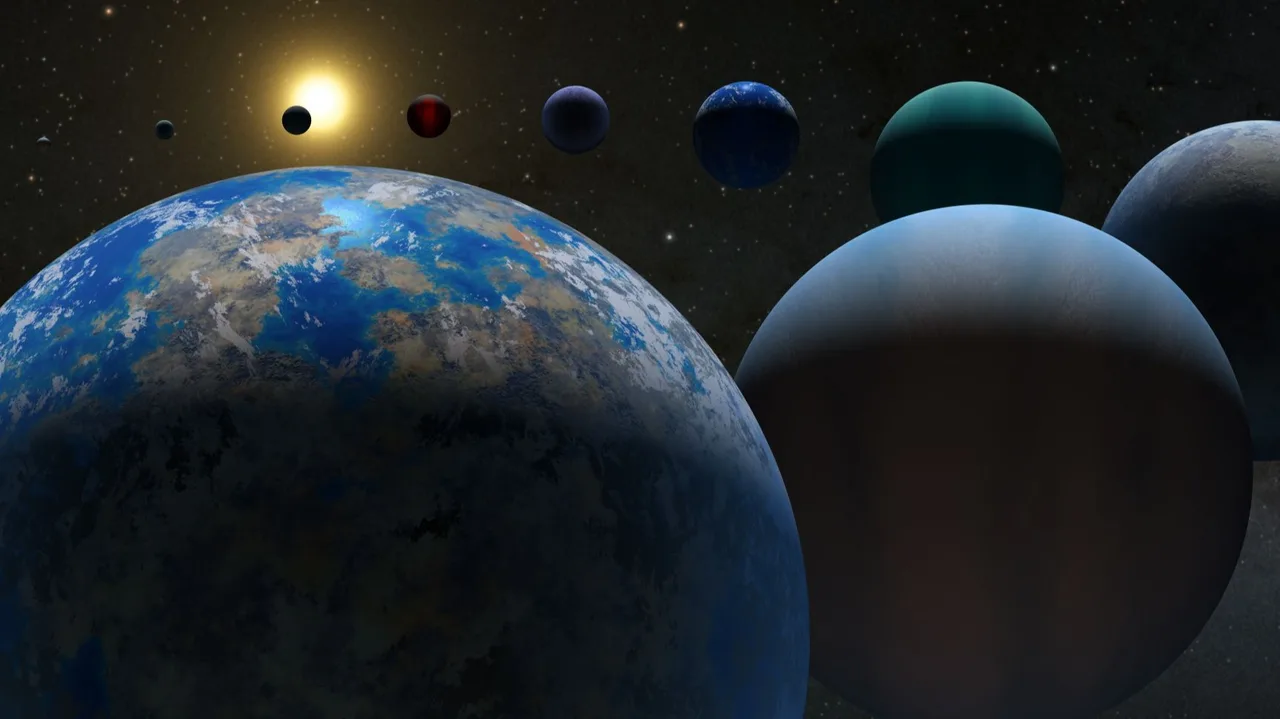
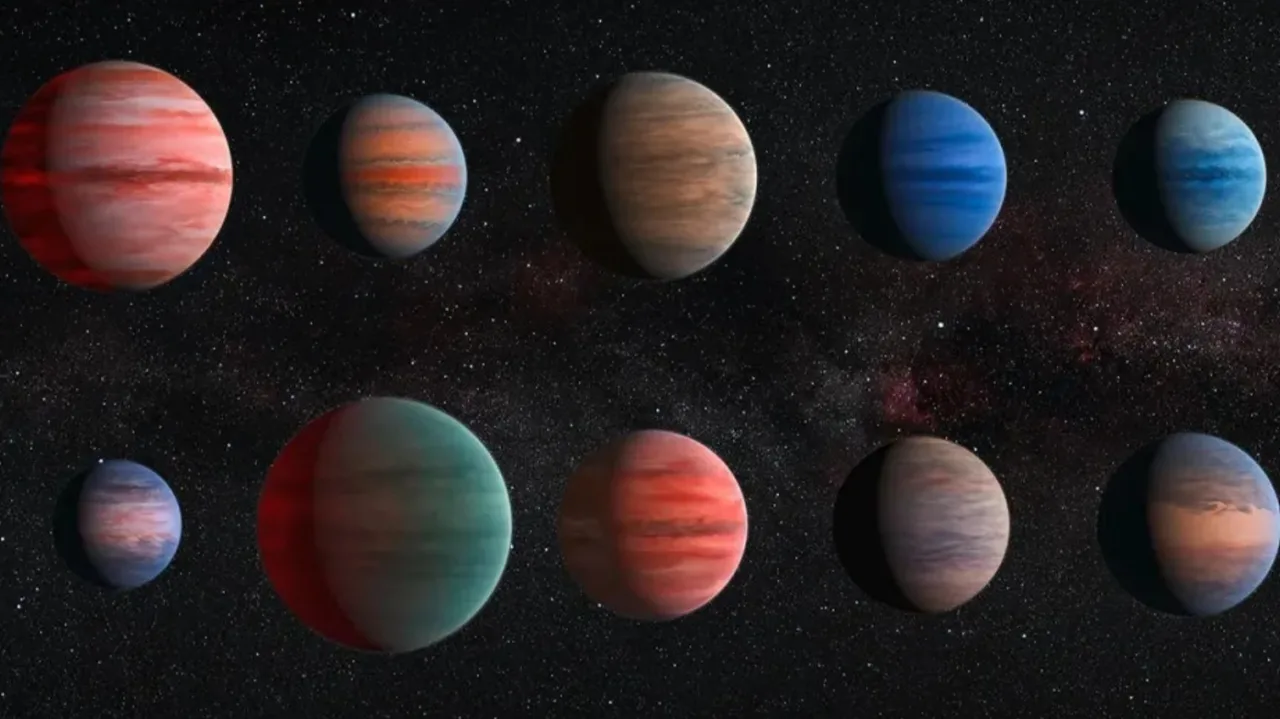
The Roman telescope will study around 100 millions stars and discover thousands of exoplanets (worlds outside our solar system) including types of worlds that have never been surveyed before. It will use a technique called microlensing that is considered best suited to finding worlds from the habitable zone of their star and farther out. These planets can include ice giants, like Uranus and Neptune in our solar system, as well rogue worlds that do not orbit any star and are just adrift in the cosmos.
Microlensing has only revealed about 2 per cent of known exoplanets because the signals are very difficult to detect, NASA says. During the survey of the crowded central region of the Milky Way, Roman may also set a new record for the farthest-known exoplanet. Its Coronagraph Instrument will also enable it to photograph worlds and dusty disks around nearby stars with details up to a thousand times better than possible with other observatories.
Are we alone?
While Roman doesn’t have an objective to hunt life, its observations will certainly help determine if exoplanets have habitable conditions or not. Through the transit method—studying the dip in starlight when a planet crosses the face of a star—the telescope is likely to discover thousands of exoplanets of all kinds that are in the habitable zone of their star and host liquid water on their surface.
Roman’s sensitivity to infrared light makes it a powerful tool for finding planets around dimmer orange stars. According to NASA, Roman will offer the first opportunity to find large numbers of transiting planets located thousands of light-years away in different regions of the Milky Way.
The name behind the Roman telescope
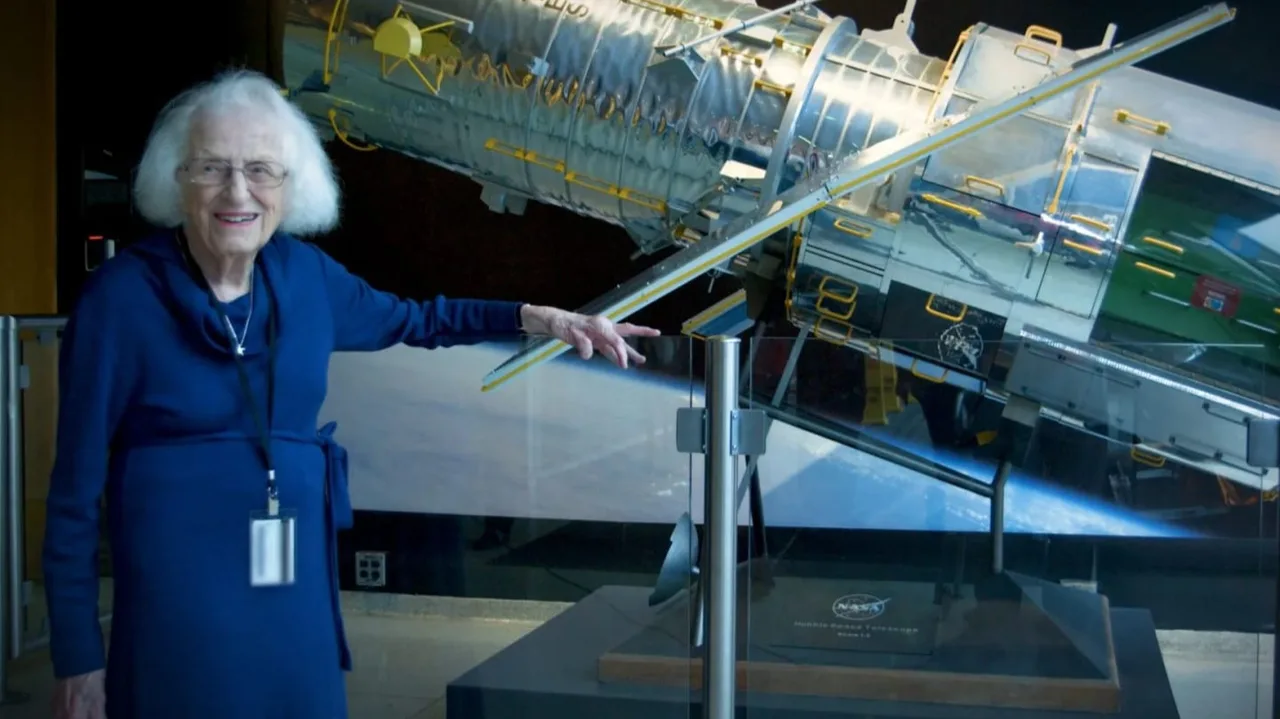
The Roman telescope is named after Nancy Grace Roman, an astronomer and NASA’s first female executive. She is remembered as the ‘Mother of Hubble’ because of her efforts to bring the Hubble telescope into existence and laying the foundation of ambitious space-based observatories.
She earned several accolades throughout her career, including the Federal Woman’s Award from President John F. Kennedy as well as the Women in Aerospace Lifetime Achievement Award and the NASA Exceptional Scientific Achievement Award. In May 2020—17 months after her passing—NASA announced it was naming its next flagship space telescope in her honor.