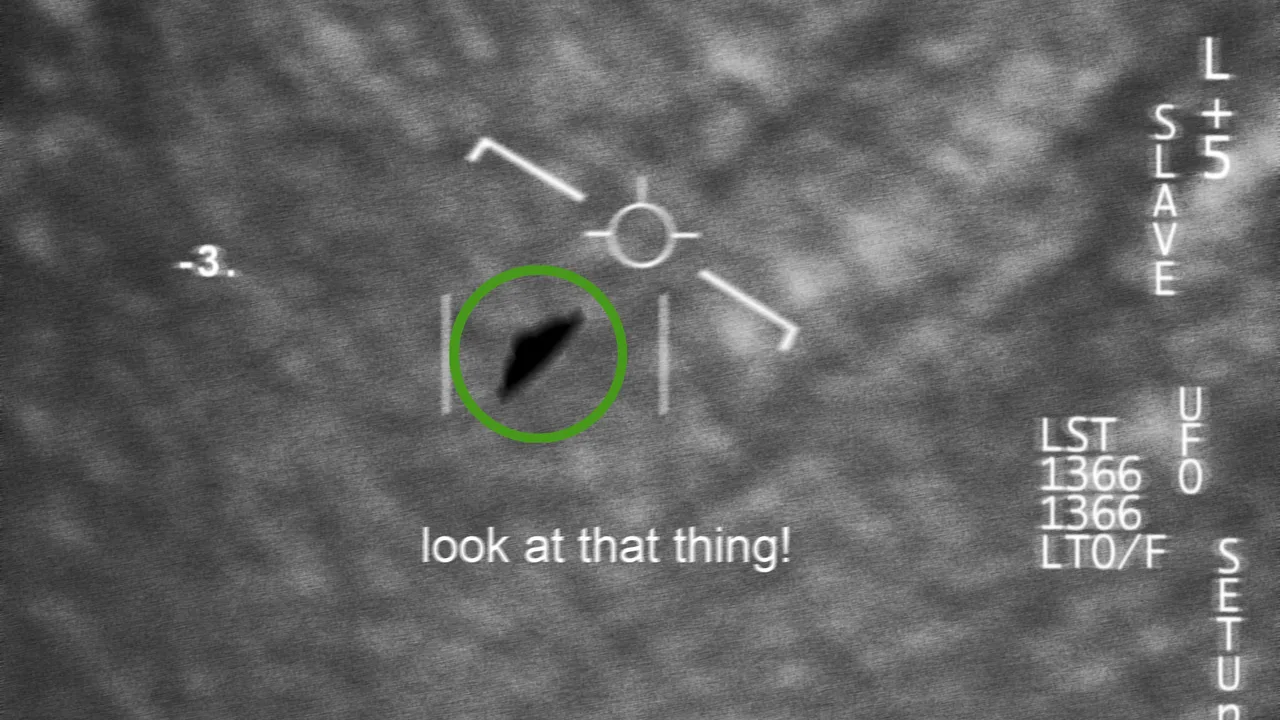
How a 1947 UFO sighting near Mt. Rainier popularized the term “flying saucer”
The sighting that started it all
Reports of UFO sightings date back to World War II, as people began reporting strange objects in the sky that defied conventional explanations. One such sighting was reported by civilian pilot Kenneth Arnold in 1947, and even to this day, it remains a mystery.
His account introduced the term “flying saucer” into everyday vocabulary, and soon it became a familiar word that millions of people now associate with UFOs. But what exactly did Arnold see? Here's the story of what happened.
A search mission takes a strange turn
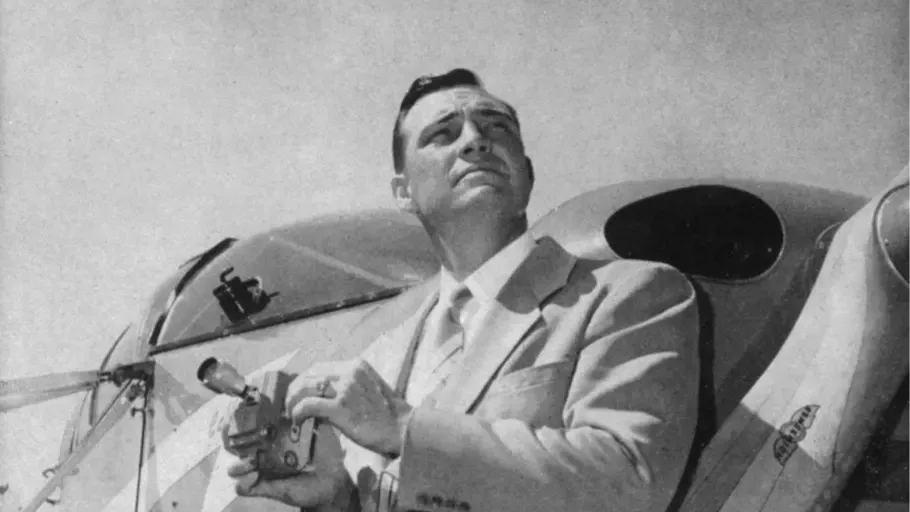
Pilot Kenneth Arnold had logged 4,000 flying hours and belonged to an Idaho search and rescue unit. During one of his trips on June 24, 1947, he was on his way to an air show in Pendleton, Oregon, but planned a detour to look for a Marine Corps transport plane that had crashed with 32 Marines on board.
According to the reports, the plane had crashed somewhere near his route, and Arnold hoped to find it and claim a $5,000 reward. Arnold reported that he was circling his plane about 20 miles west of Mt. Rainier, and then he saw a bright flash to the northeast. He noted, “It startled me.”
UFOs that moved “like the tail of a Chinese kite”
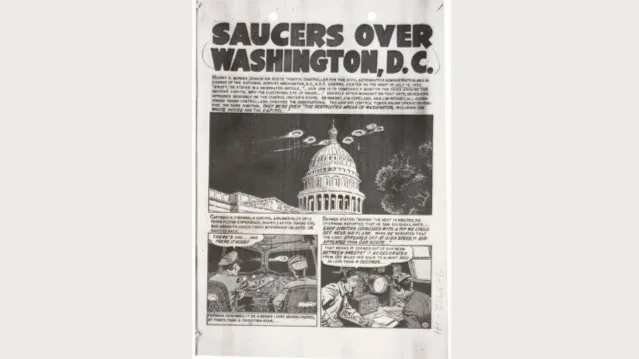
At first, he guessed that it was sunlight that bounced off a military plane. He said, “I just assumed it was some military lieutenant out with a shiny P-51 and I had [caught] the reflection of the sun hitting the wings of his plane.” But soon after, more flashes followed, and he ruled out that theory.
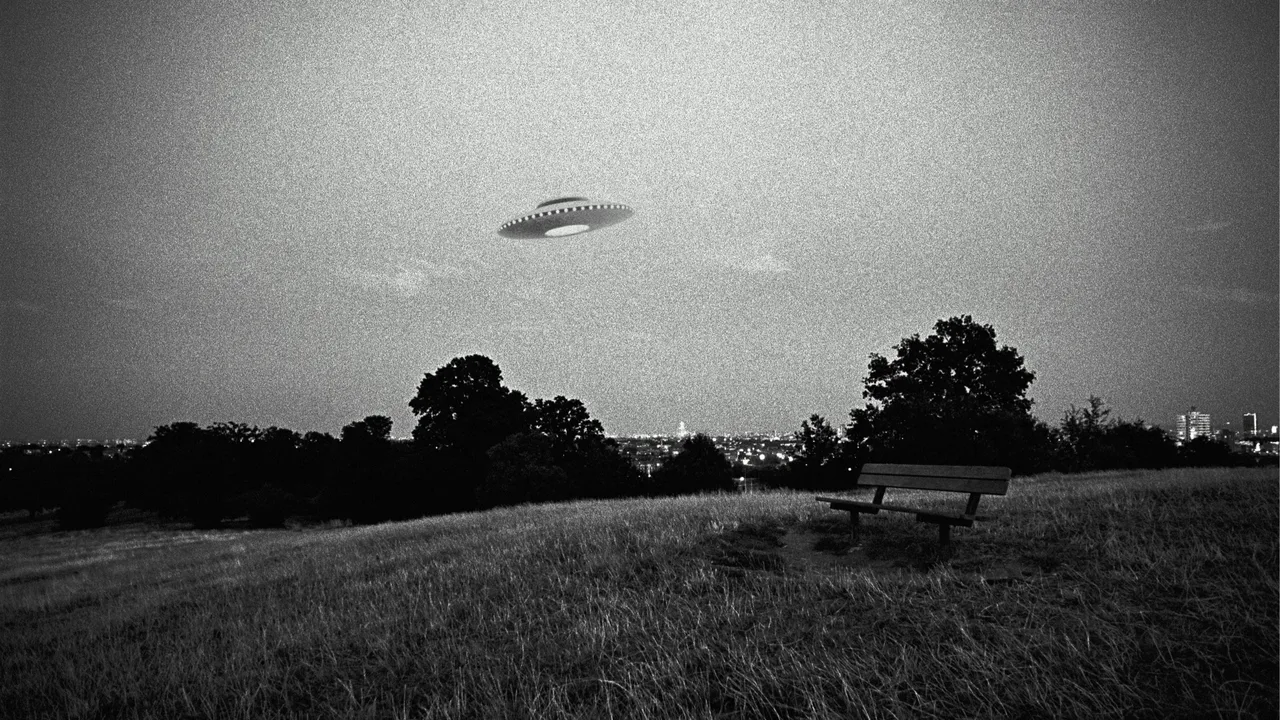
He further reported that it came from nine shiny, circular objects, and each of them was about 100 feet across with no discernible tail. They stretched across roughly five miles of sky and moved “like the tail of a Chinese kite.”
How ‘flying saucer’ became a famous term
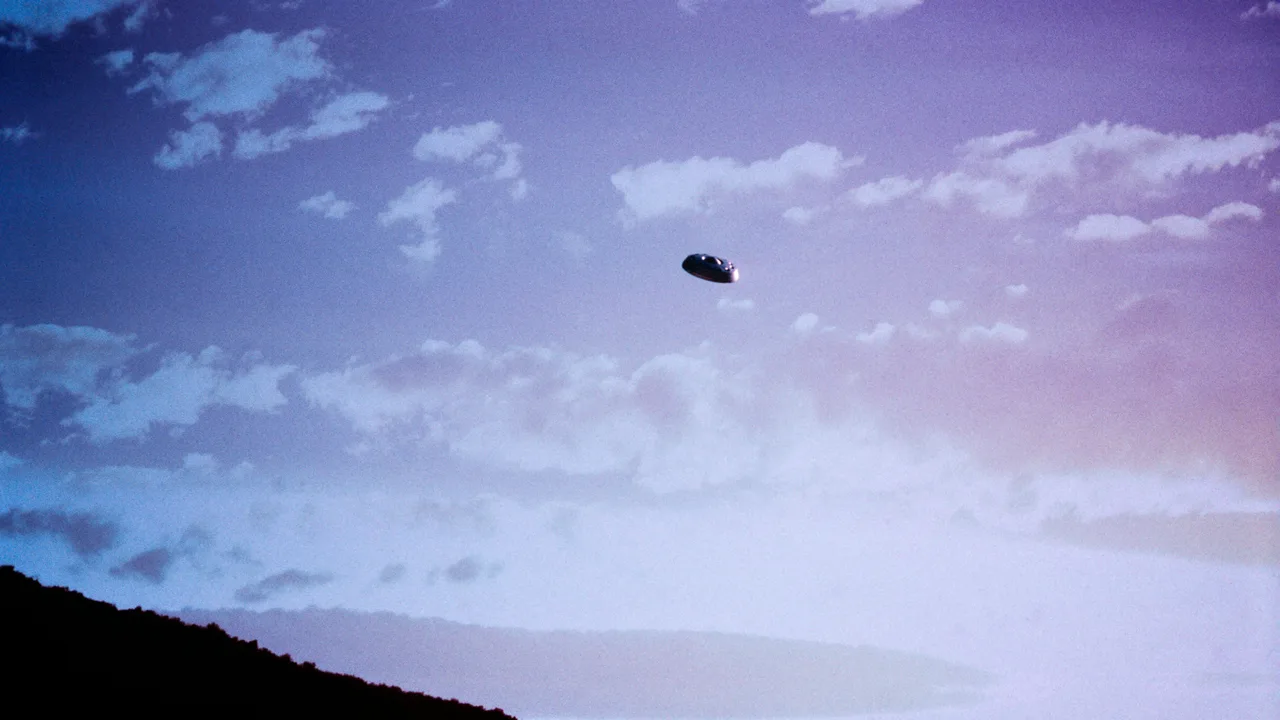
According to Arnold, the objects moved at a speed of about 1,200 mph, although some accounts say 1,700 mph. Even the lower figure was roughly double the speed of any airplane known at the time. After his sighting, Arnold told his story to East Oregonian reporters Bill Bequette and Nolan Skiff.
The story then went out on the Associated Press wire and described “nine bright saucer-like objects.” And by afternoon, the story was spread nationwide. According to History.com, Arnold had compared the objects’ motion to “a saucer if you skip it across water,” and newspapers mistook this for a description of their shape.
But what exactly did Arnold see?
In 1948, the Air Force launched the Project Sign to look into the surge of sightings that followed. Investigators considered both Arnold and a prospector on Mt. Adams, who saw the objects around the same time, to be credible witnesses. Even so, they concluded the pair had seen a mirage.
The project later became known as the Project Blue Book, and it collected more than 12,000 reports from 1952 to 1969. More than 90 percent of the cases were identified as known phenomena. But about 6 percent stayed unidentified, and this includes cases that had too little information to assign a cause.