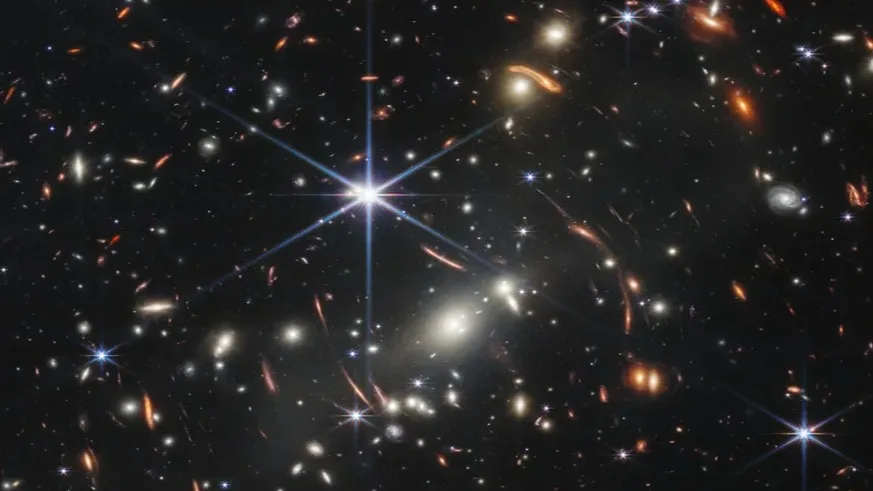
NASA’s Webb telescope reveals thousands of galaxies in its first deep field image
Meet the telescope behind the picture
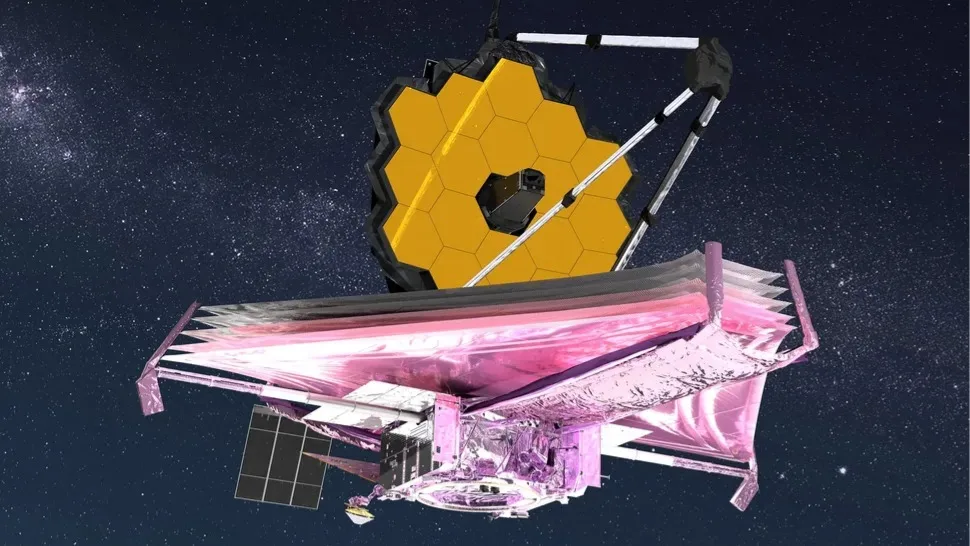
NASA’s James Webb Space Telescope is the largest and most powerful space observatory ever built. The observatory, also famously known as JWST or Webb, is designed to study our solar system, planets orbiting other stars, and the structure and origins of the universe.
On July 11, 2022, NASA shared the first-ever deep field image captured with the help of this telescope. Here’s a detailed look at the image along with the story behind it.
A close look at the galaxy cluster SMACS 0723
In this image, you can see the galaxy cluster SMACS 0723. The image was unveiled by President Joe Biden at a White House event on Monday, July 11, 2022. Commenting on this, Brenda Frye, an astronomer at Steward Observatory at the University of Arizona and co-author of one of the papers, told Space.com, "We were kinda sideswiped, to be honest!"
"Normally we have a year or two advance warning, but no one saw [this release] coming at this time," she added. This image holds thousands of galaxies as well as the faintest objects ever seen in infrared light.
Some galaxies appear stretched or mirrored
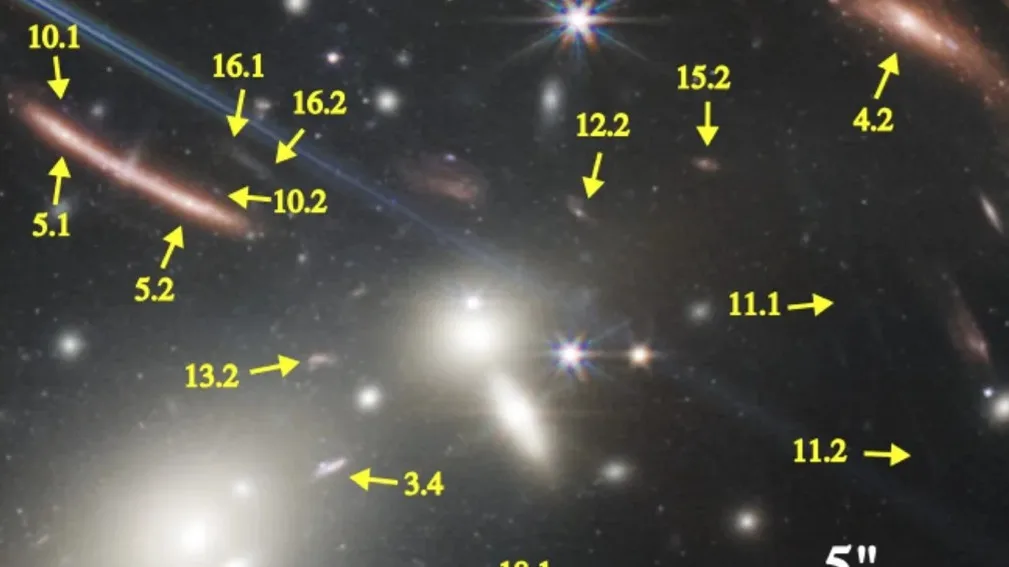
Webb’s Near-Infrared Camera, or NIRCam, built the snapshot by combining images taken at different wavelengths of light. NASA’s release added that “this is only the beginning.” Here, the combined mass of the cluster’s galaxies and dark matter bends the light of galaxies far behind them, which is a natural effect called gravitational lensing.
The result produced is magnified and sometimes mirrored views of individual galaxies. NASA notes that “Not all galaxies in this field are mirrored – some are stretched.”
A glimpse of galaxies from the early universe
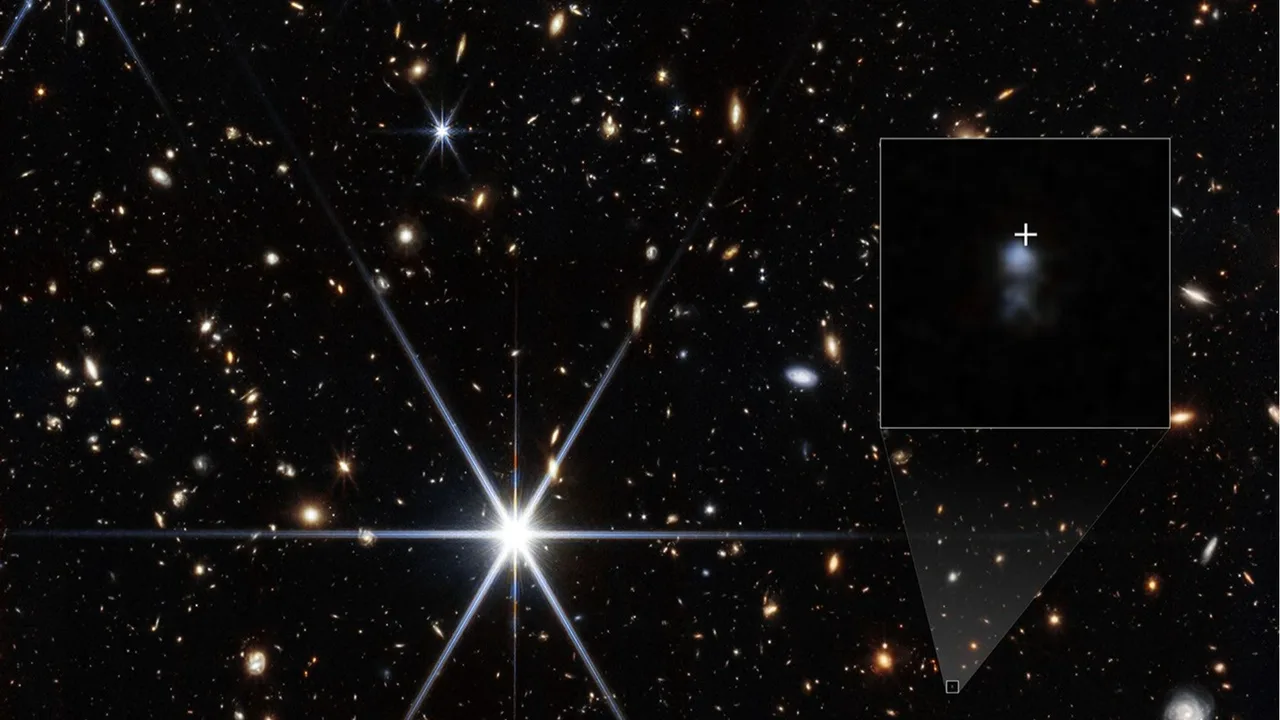
The light in the image took billions of years to reach Webb, and this means that we are actually looking into the past. NASA noted that this cluster appears as it did 4.6 billion years ago. The youngest galaxies in the field show up as they looked within a billion years after the Big Bang.
As the universe expanded, the light from the galaxies stretched into infrared wavelengths during its journey. Webb eventually picked up light from one galaxy that had been traveling through space for 13.1 billion years.
Details scientists had never seen before
The farthest galaxies in the scene are the tiniest, and they look nothing like the spiral and elliptical galaxies seen nearby. They are clumpier and more irregular. Webb also picked up small, faint structures never seen before, including star clusters, which are groups of stars.
Massimo Pascale of the University of California, who co-authored a paper on this galaxy, noted, “Before Webb imaged it, SMACS J0723 wasn't the star of the show. Now, suddenly, there's paper after paper on it, which really speaks to how powerful Webb is in revealing things we couldn't see before.”