Goodbye, 3I/ATLAS: What scientists learned from this mysterious interstellar comet’s flyby
A visitor from another star
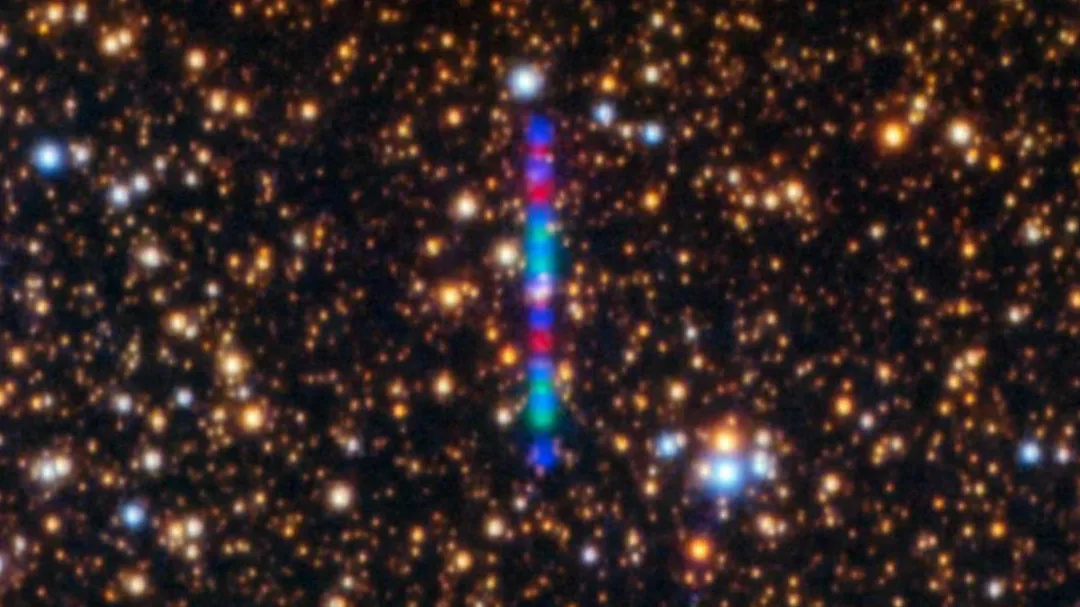
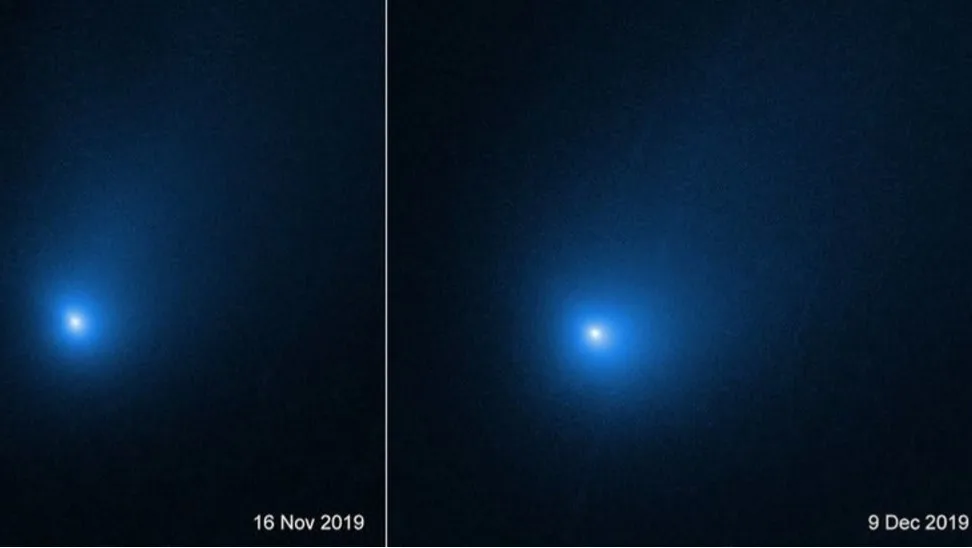
Comet 3I/ATLAS was first spotted on July 01, 2025, and it is only the third known object that came from outside our solar system. Before this, 1I/ʻOumuamua and 2I/Borisov passed through our solar system. Astronomers call 3I/ATLAS an interstellar object, and this is because its path is hyperbolic. This means that it never loops around the Sun in a closed circle.
When we track it backwards, it shows that its path began way beyond our known neighborhood. After its closest pass by the Sun in late October 2025, the comet is now on its way to deep space. Here’s what we know about this mysterious traveler.
Was it really an alien spacecraft?
Soon after it was spotted, three researchers, including Harvard astrophysicist Avi Loeb, posted a non-peer-reviewed paper arguing that this object shows traits that could point to hostile alien technology. And that idea soon spread online. But NASA clarified that it's just a comet.
Commenting on this, NASA Associate Administrator Amit Kshatriya said, “It looks and behaves like a comet, and all evidence points to it being a comet.” Nicky Fox, of NASA’s Science Mission Directorate, added that none of the agency’s observations showed technosignatures, or signs of technology.
How fast was the comet 3I/ATLAS traveling?
Very fast. When astronomers found this comet inside Jupiter’s orbit, it was moving at about 137,000 miles per hour (221,000 kilometers per hour). After this, the gravity of the Sun pulled it faster, and it reached 153,000 miles per hour (246,000 kilometers per hour) at its closest approach to the Sun.
As per NASA, on the way out, that same gravity slowed it down again. And by the time it left the solar system, it was moving at the same speed it had when it arrived.
Was Earth ever in danger from 3I/ATLAS?
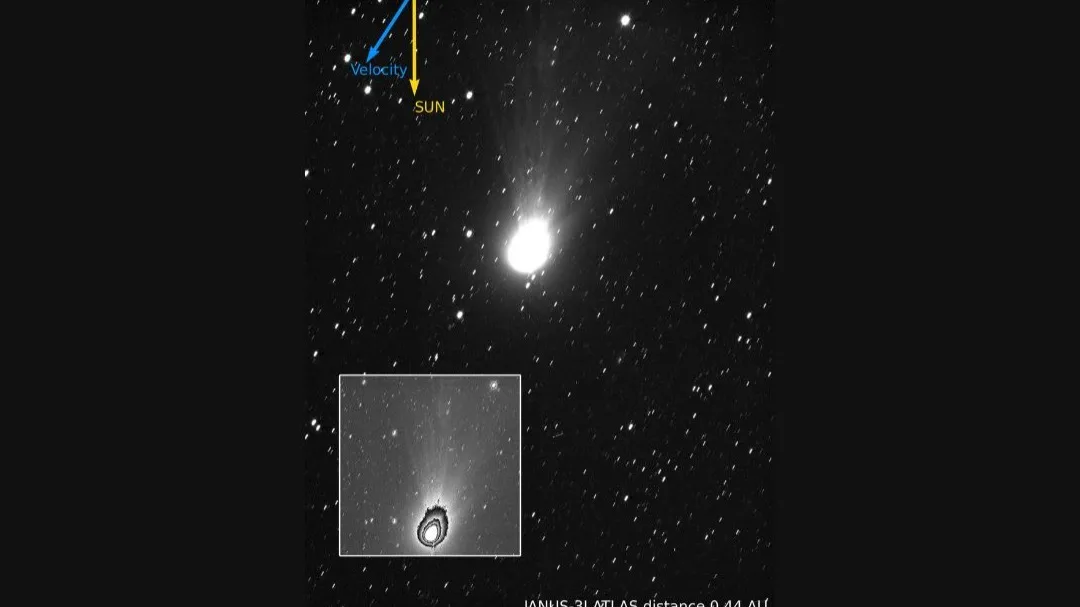
Not very. At its nearest approach to the planet, the comet stayed about 170 million miles (270 million kilometers). Its closest point to the Sun came around October 30, 2025, at roughly 130 million miles (210 million kilometers), just inside the orbit of Mars.
As per NASA, “There was no danger to Earth from this comet.” 3I/ATLAS passed closest to Jupiter on March 16, 2026, and is currently on its way out of our solar system.
What can a comet from another star system tell us?
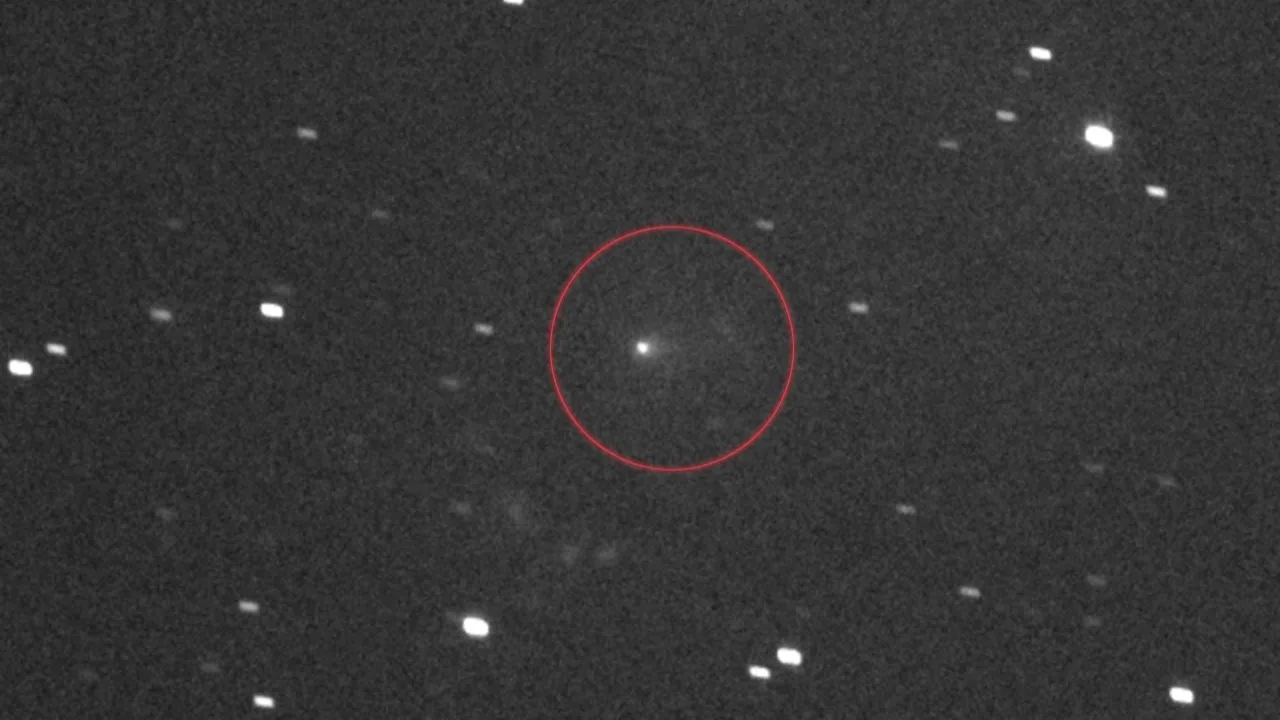
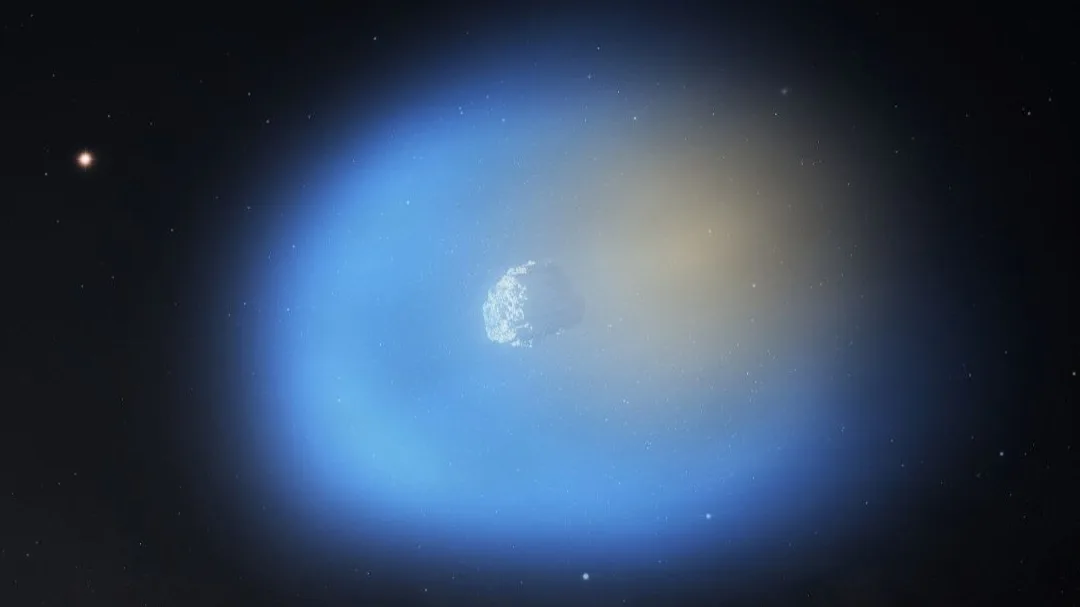
The comet acted like a normal comet in most ways. It shed water and carbon dioxide as the Sun warmed it. But scientists noticed something different. According to researchers, this comet released more carbon dioxide relative to water than typical solar system comets. Additionally, the gas released was unusually rich in nickel compared with iron.
Its dust grains also seemed to differ in size. NASA scientist Tom Statler shared that the comet likely formed in a very old planetary system, possibly older than ours. “It is a new window into the makeups and histories of other solar systems,” he said.
The origins of 3I/ATLAS remain a mystery
In a new study, researchers have found that this comet includes very small grains of ice mixed with dust, which is very different from what we have observed in our solar system. As of now, researchers do not know where it was formed or where it's heading next.
Commenting on the findings, lead author Silvia Protopapa of the South-west Research Institute said, "At first glance, 3I/ATLAS looks different from the icy comets we know. But when we placed it alongside distant icy worlds in our own solar system, it no longer looked out of place."