NASA-funded study reveals a Sahara meteorite is one of the oldest pieces of Mars ever found
An ancient piece of Mars on Earth
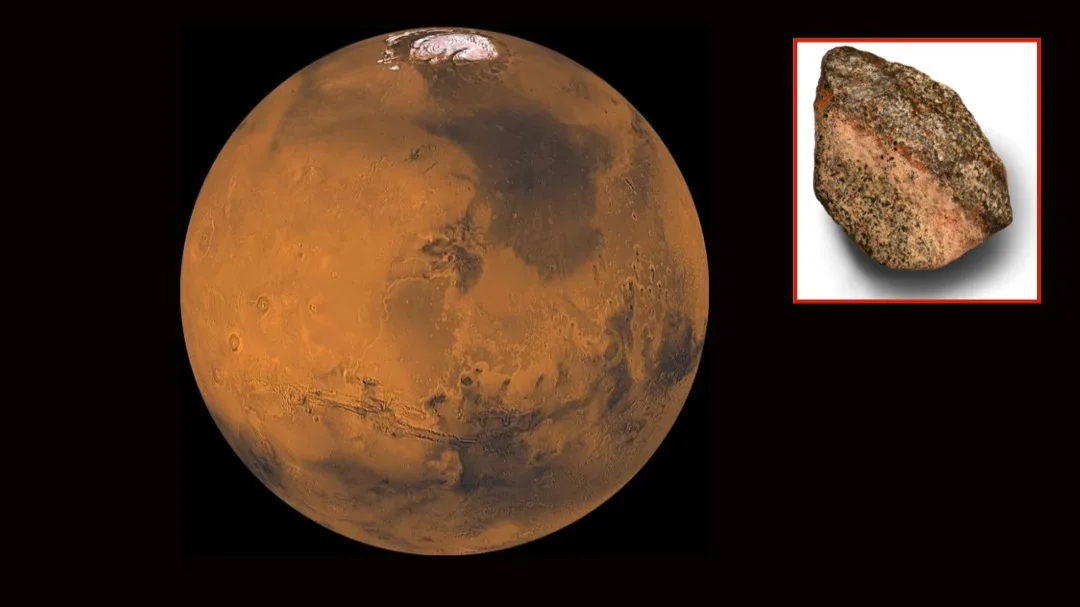
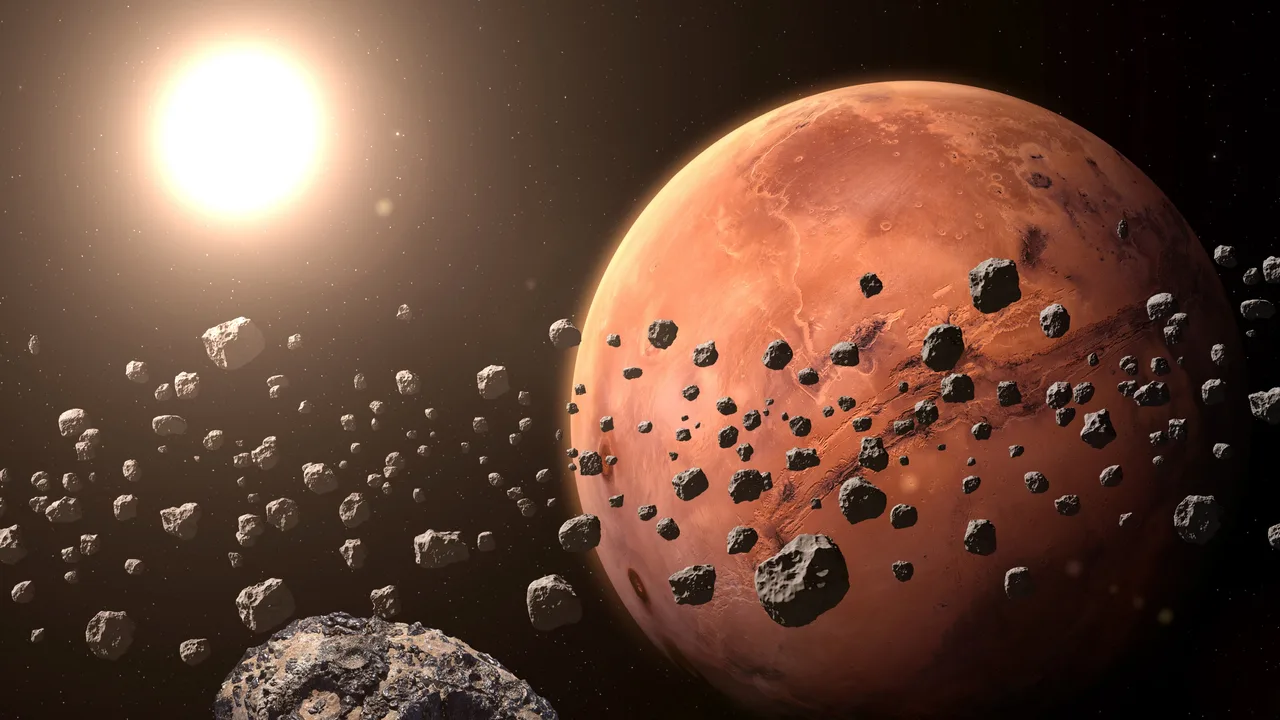
Sometimes, powerful impacts can knock some of the fragments of Mars' surface and send them into space. And once in a while, those fragments do eventually land on our planet. The same happened in 2022, when researchers found a rose-colored meteorite in the Sahara Desert. At that time, no one knew where it actually came from.
But now, in a NASA-funded study, scientists have found that this unique meteorite is actually one of the oldest Mars meteorites ever discovered. Here's a look at this discovery and what it could tell us about the Red planet.
Meet Teghaza 001, one of the oldest Mars meteorites
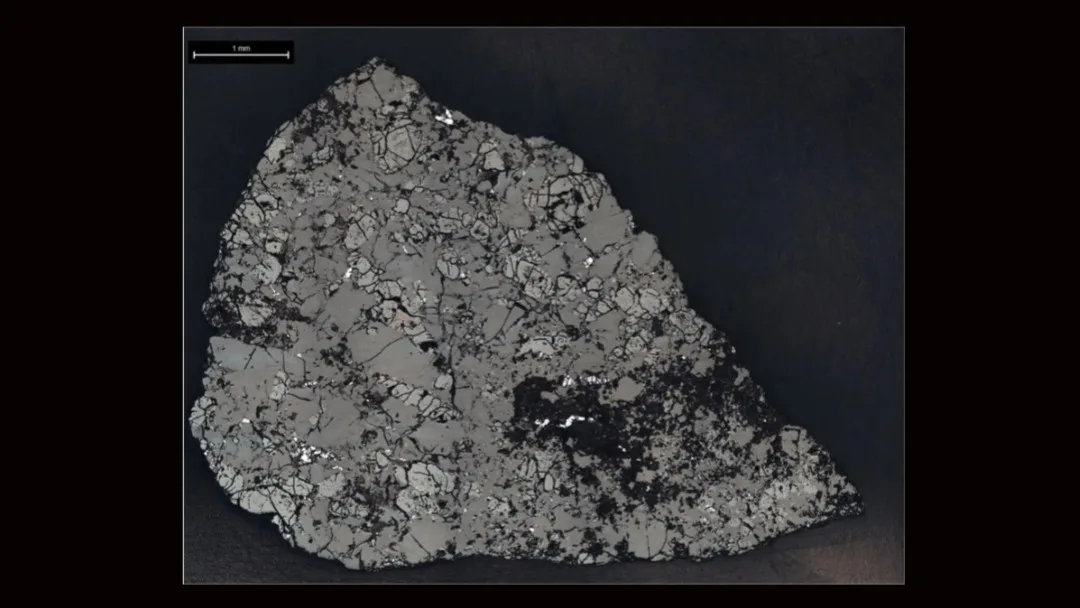
In 2022, a nearly 2-pound (800-gram) rose-colored rock was found on a salt plain called Teghaza in Mali, in the Sahara. Based on the data, the team found that the minerals in this rock go back as far as 4.1 billion years ago. This particular meteorite was named Teghaza 001.
According to NASA, it is one of the 435 known meteorites we have found from the Red Planet. Study lead author Yang Liu of NASA’s Jet Propulsion Laboratory said in a statement, “One of the paper’s reviewers called it a Rosetta Stone for Mars.”
The researcher who almost said no
At one point, the lead author nearly turned down the opportunity to study this rock up close. This is because earlier, University of New Mexico researchers had already identified it as Martian by checking its oxygen isotopes. The results suggested that this rock belonged to the shergottites, the most common type of Mars meteorite, and Liu had examined many of those.
Then she looked anyway and spotted odd textures and minerals she had never seen. “It was only after we started looking closely that we realized this meteorite is really unique,” Liu added.
And it's not like the other ancient Martian rocks
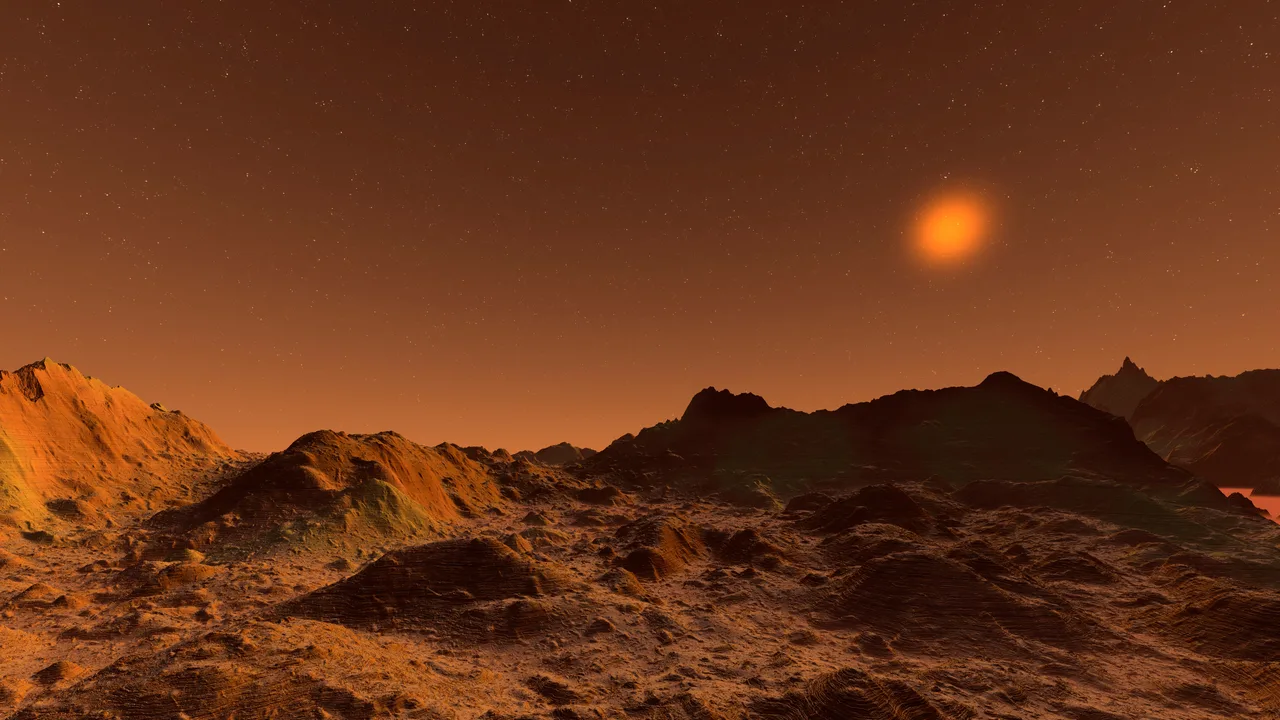
As of now, only two other Mars meteorites rank among the three most ancient meteorites found on Earth, apart from Teghaza 001. The first one is known as ALH84001, and it is almost entirely a single mineral and is close in age to Teghaza 001. The other, nicknamed “Black Beauty,” formed about 2.1 billion years ago and consists of small pieces of volcanic rock.
Teghaza 001 has a richer mix of volcanic minerals. Commenting on this, Lee Saper, the paper’s second author, said, “This is really our first piece of Martian crust from a part of Mars we’ve never had a sample of before.”
What can it tell us about Mars?
The study suggests that the Martian water altered this rock around 4.1 billion years ago, so it must have formed even earlier. On top of that, its oxygen isotopes, texture, and chemistry point to a more active water cycle on early Mars than many might expect.
Lee Saper explained, “It records interactions of water and rock and maybe even an imprint of the Martian atmosphere as it was losing water.” As of now, researchers can’t pinpoint where on Mars it came from, but they have identified several possible locations.