Does dark energy really exist? Some physicists are betting it doesn’t
What if dark energy isn’t real?
We know that space is expanding, and the expansion is getting faster. Scientists believe that this expansion is caused by an unexplained dark energy. For decades, the model has predicted what scientists have observed over the years.
But even with the model's success, we still don’t know what exactly dark energy is. And some researchers are even now questioning whether it really exists. Here's why.
How much of the universe do we actually understand?
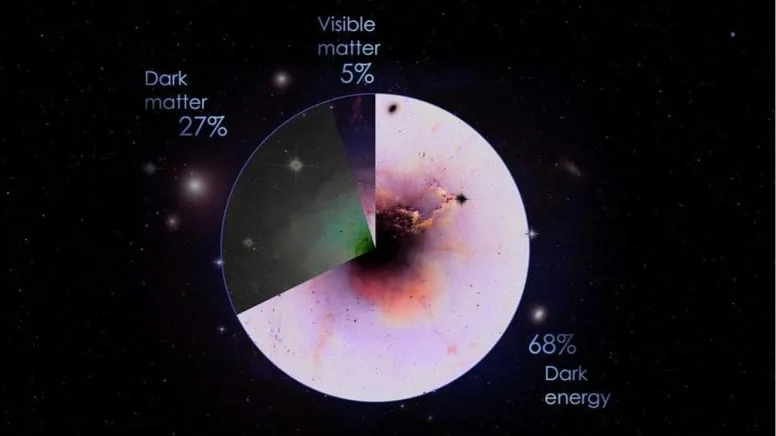
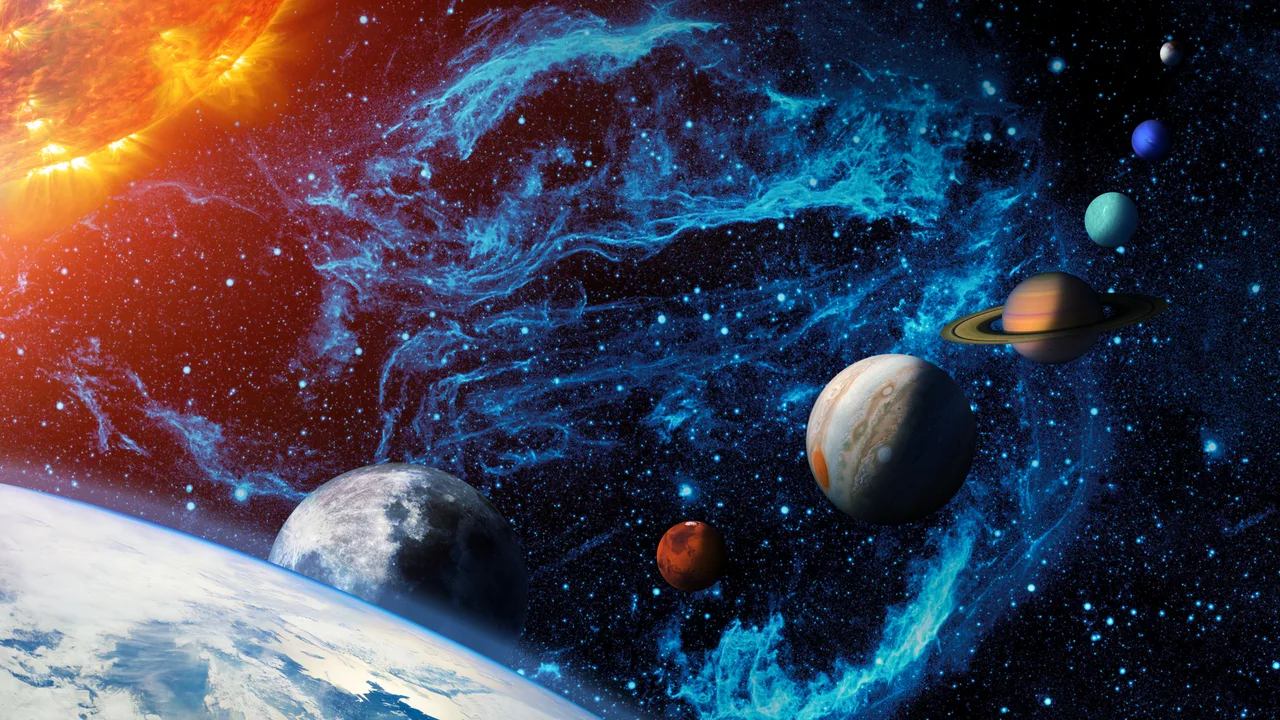
Everything we can see and touch, including the stars and the planets, only makes up about 5% of the universe. And the remaining 25% is thought to be dark matter, and the other 70% is dark energy. Dark matter, at least, can be detected through the gravitational effects it has on its surroundings.
But dark energy can’t be seen, and researchers treat it as a property of space itself. Dark energy researcher Jessica Muir of the University of Cincinnati noted in a BBC interview, “It’s not very satisfying that we don’t know what 95 per cent of the Universe is made of.”
What if the universe’s lumpiness matters more than we think?
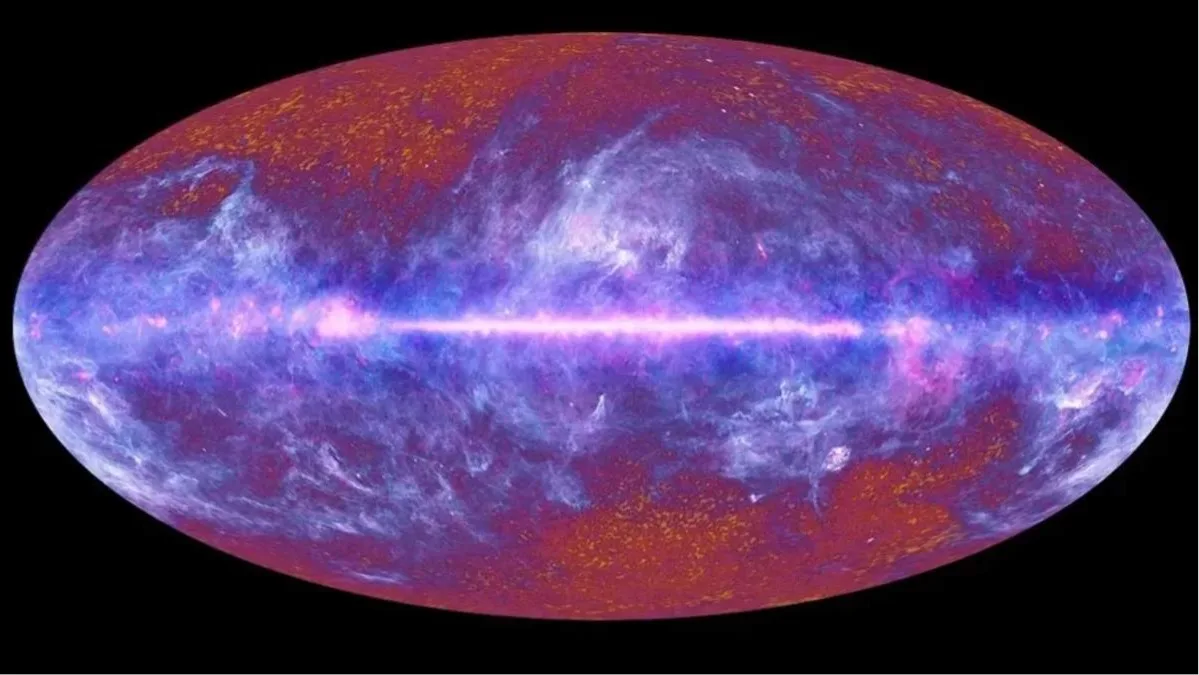
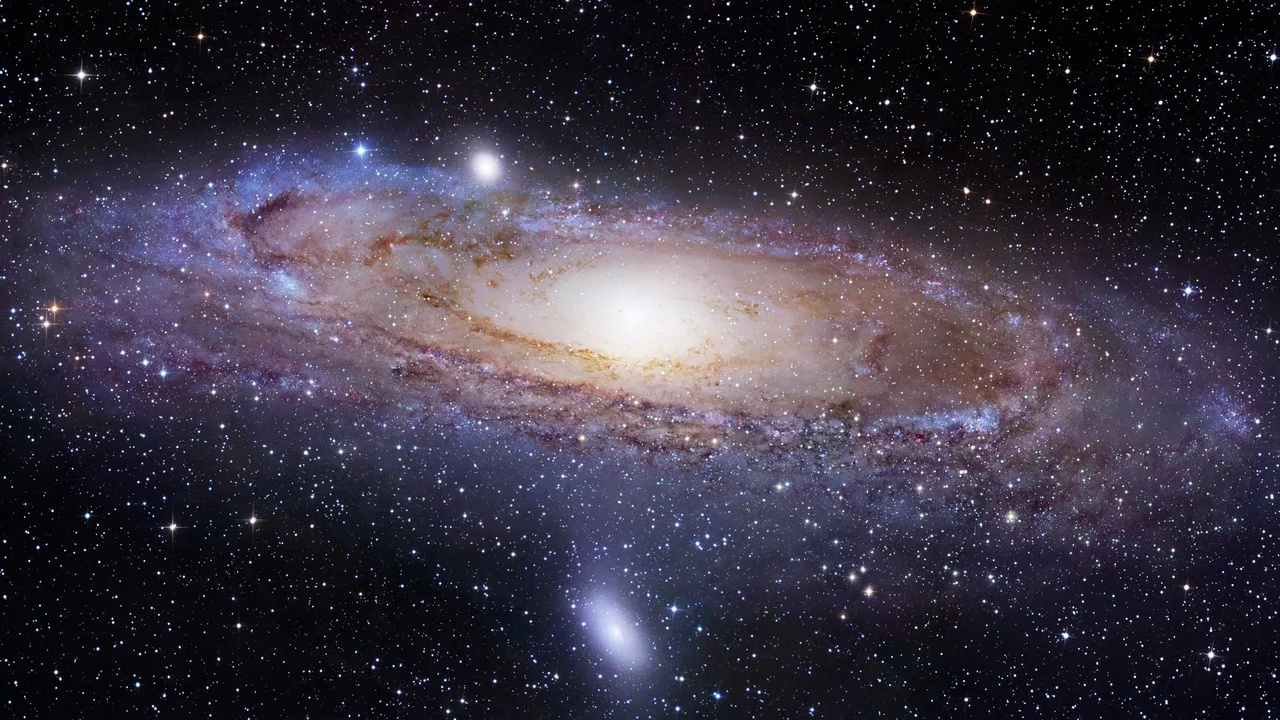
In standard cosmology, the universe is assumed to look the same wherever we look, regardless of direction. But the matter around us doesn't follow a perfectly even pattern. This is because it has collected into galaxies, while much of the space between them contains far less matter.
Physicist David Wiltshire of the University of Canterbury argues that gravity slows time, so regions with more matter experience it differently than voids do. The universe may then only seem to be speeding up because we’re looking at voids, and dark energy wouldn’t be needed.
Is dark energy really constant?
Recent observations from the Dark Energy Spectroscopic Instrument and the Dark Energy Survey support an older idea that dark energy could change over time. The standard cosmological model assumes that dark energy's density does not change. This is expressed through the cosmological constant, so if dark energy’s density changes, that would be hard to fit within the current standard model.
Valeria Pettorino, a dark energy theorist at the European Space Agency, explains, “It’s a constant. It’s there. It’s a bit added by hand.” She also suspects dark energy may be a mix of different things rather than one.
So, what would settle the bet?
The Euclid space telescope aims to map the universe’s large-scale structure in fine detail. It will measure the expansion rate in two ways. First is through supernova explosions, which give off a predictable pattern of light, and second is through baryon acoustic oscillations, patterns in the distribution of galaxies left over from the earliest stages of the universe.
Using both the data may decide which dark energy models fit best. Wiltshire, whose idea doesn’t need dark energy, says Euclid can test the standard model and his own. “So, if I’m wrong, then I can retire in five years,” he noted.