Water likely isn’t forming gullies on Mars today, NASA orbiter data suggest
What exactly are Martian gullies?
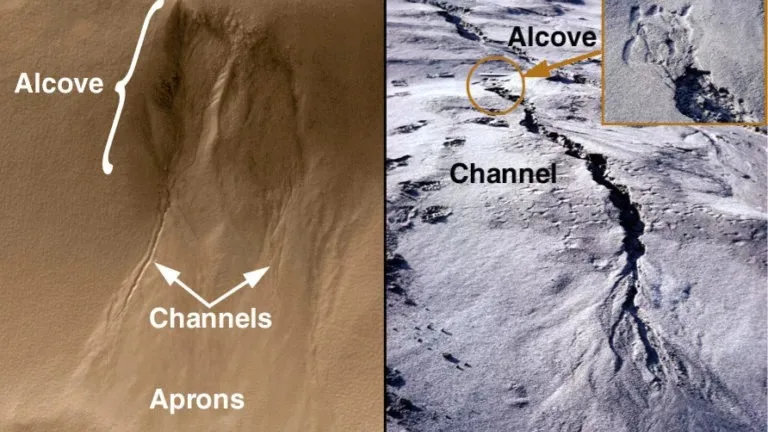
The Martian gullies are small and incised networks of narrow channels on Maars. Each gully has a distinct hollow at its upper end, with an apron formed by material deposited farther down the slope. On Earth, flowing water builds structures like this, which makes water the natural explanation for the Martian versions.
But a new study suggests that this may no longer be the case. So, what is really causing these gullies to form on Mars? Here’s what the new study says.
The gullies are still changing
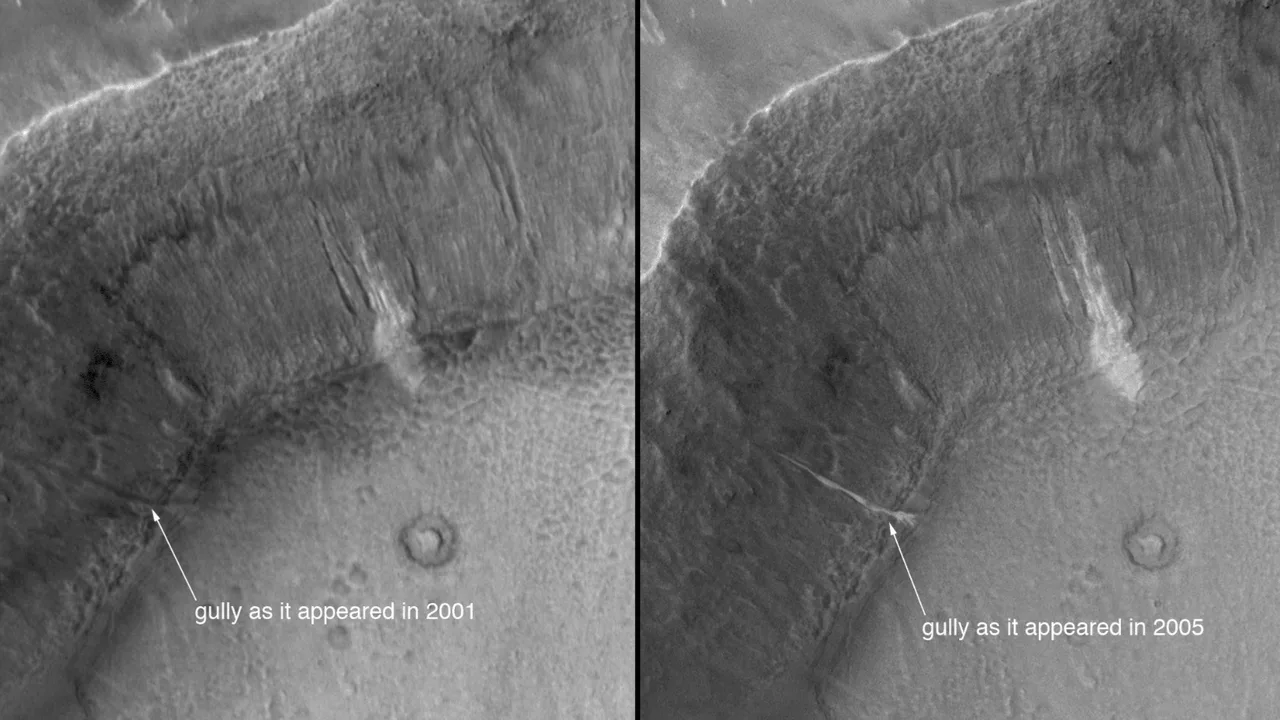
Mars Global Surveyor first photographed Martian gullies in 2000. Then NASA’s Mars Reconnaissance Orbiter (MRO) started photographing the same slopes again and again. Researchers found signs that some Martian gullies had changed. In fact, the images showed the new channels had appeared, and the older ones grew even longer.
In one NASA study conducted in 2014, 356 gullies were examined, and active changes were found at 38 of them.
Mars’ gullies are active during the coldest seasons
The gullies showed considerable activity during cold seasons, even though liquid water would have been difficult to maintain under those conditions. According to the findings, the activity overlapped with the buildup of carbon dioxide frost during Mars’ cold seasons.
In spring, the dry ice doesn’t melt at all. Under Mars’ low atmospheric pressure, it turns straight from a solid into a gas.
And the minerals don’t point to water
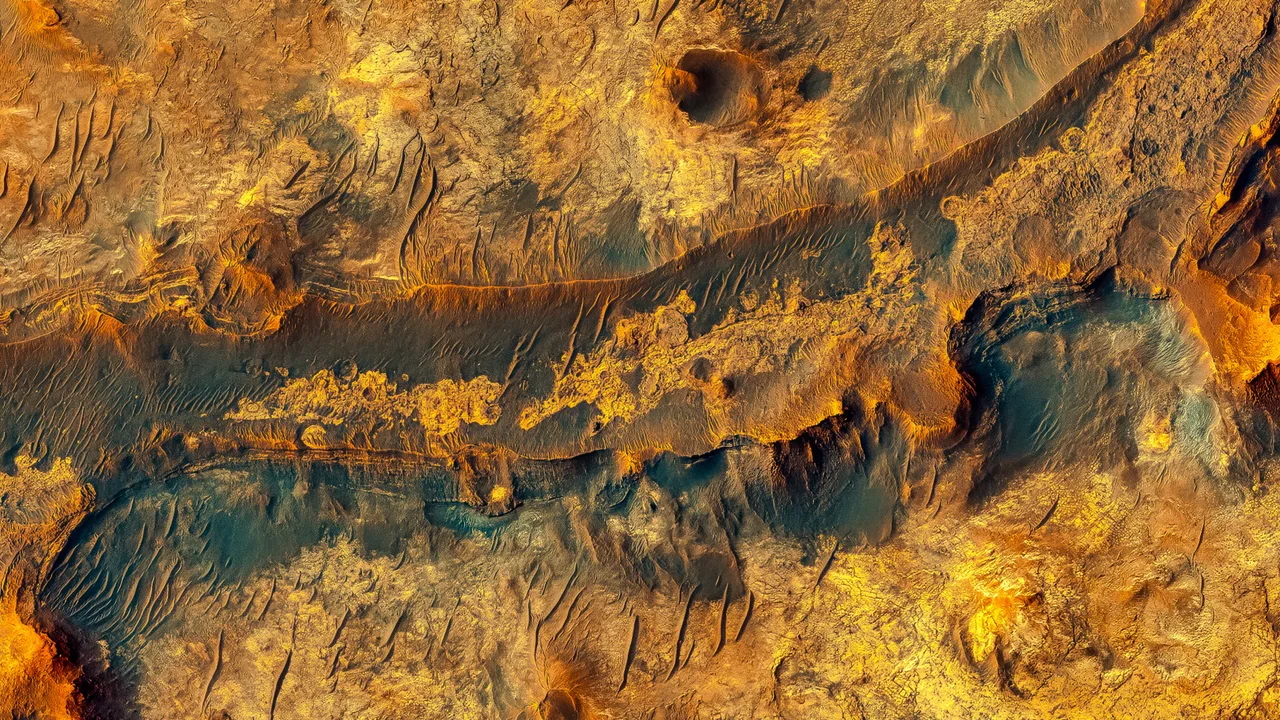
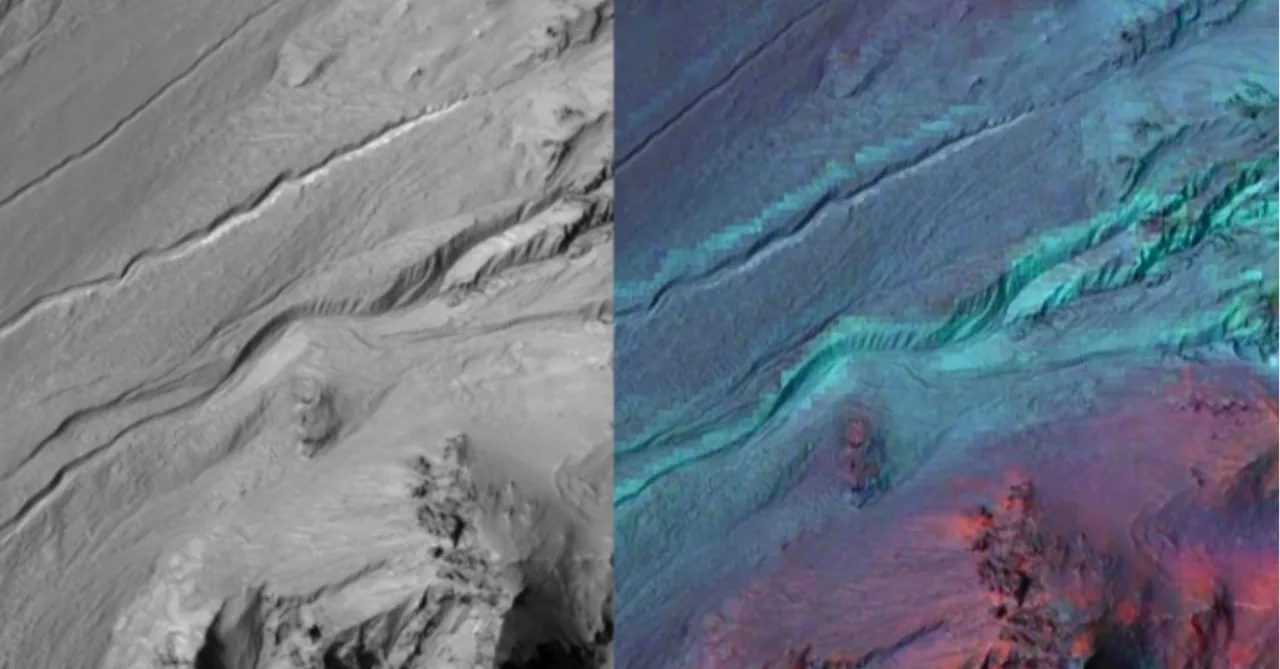
To look for signs of water, the team studied more than 100 gullies. They used CRISM aboard NASA's Mars Reconnaissance Orbiter to examine the sites, but the team found no such evidence. The research was conducted at Johns Hopkins University's Applied Physics Laboratory.
Lead author of the study, Jorge Núñez explained, "In our study, we found no evidence for clays or other hydrated minerals in most of the gullies we studied, and when we did see them, they were erosional debris from ancient rocks, exposed and transported downslope, rather than altered in more recent flowing water.”
What lies beneath Mars’ mysterious gullies?
Commenting on the findings, Núñez said, “These gullies are carving into the terrain and exposing clays that likely formed billions of years ago, when liquid water was more stable on the Martian surface.”
Scientists have proposed that seasonal carbon dioxide frost could be responsible for carving these gullies as it turns directly from solid ice into gas. Recent studies also add that dry ice may be the reason for changes now happening on these slopes.