Who was Nancy Grace Roman—the ‘Mother of Hubble’ NASA’s brand new space telescope is named after?
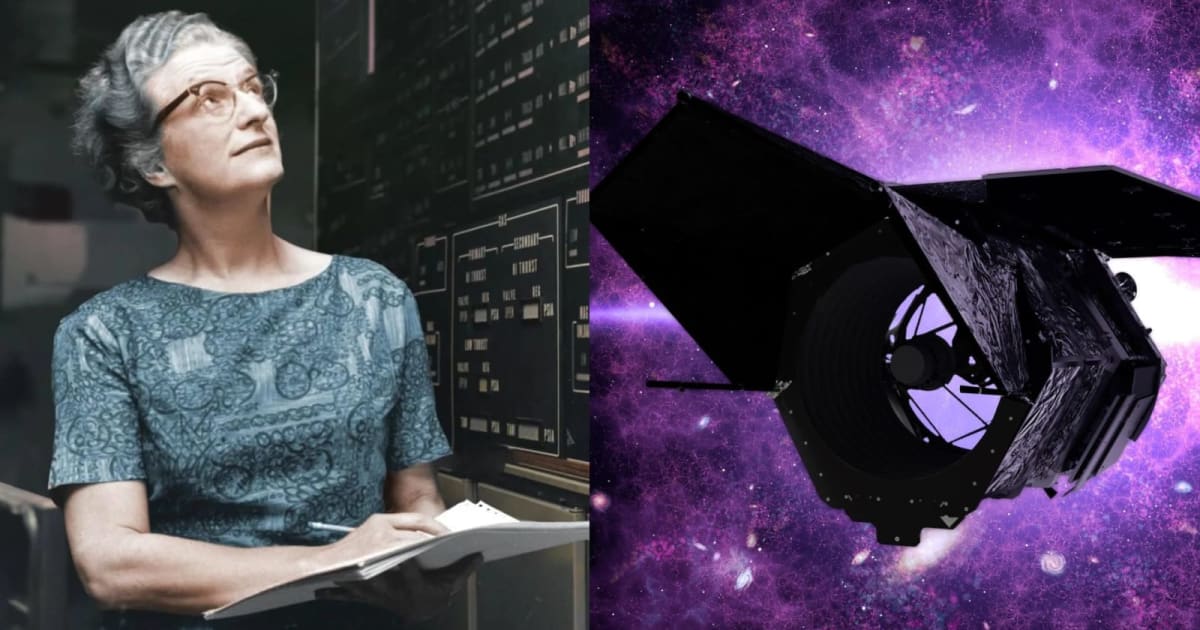
Later this month, NASA will launch a new space telescope, hoping to find answers about the dark universe. Named the Nancy Grace Roman Space Telescope, this observatory is a homage to one of the most influential astronomers of her time, who defied the odds and emerged as a driving force behind the Hubble Space Telescope. Today, Nancy Grace Roman is remembered as ‘the Mother of Hubble’ because it was her efforts that brought the revolutionary observatory into existence.
Defying odds as a woman in science
Nancy Grace Roman was born on May 16, 1925, at a time when there was little to no encouragement for women to take up science. “If I hadn’t been stubborn, I would’ve been talked out of it years earlier,” she joked later in life, recalling how her high school career counselor scoffed at her desire to take up algebra for a second year instead of a fifth year of Latin.
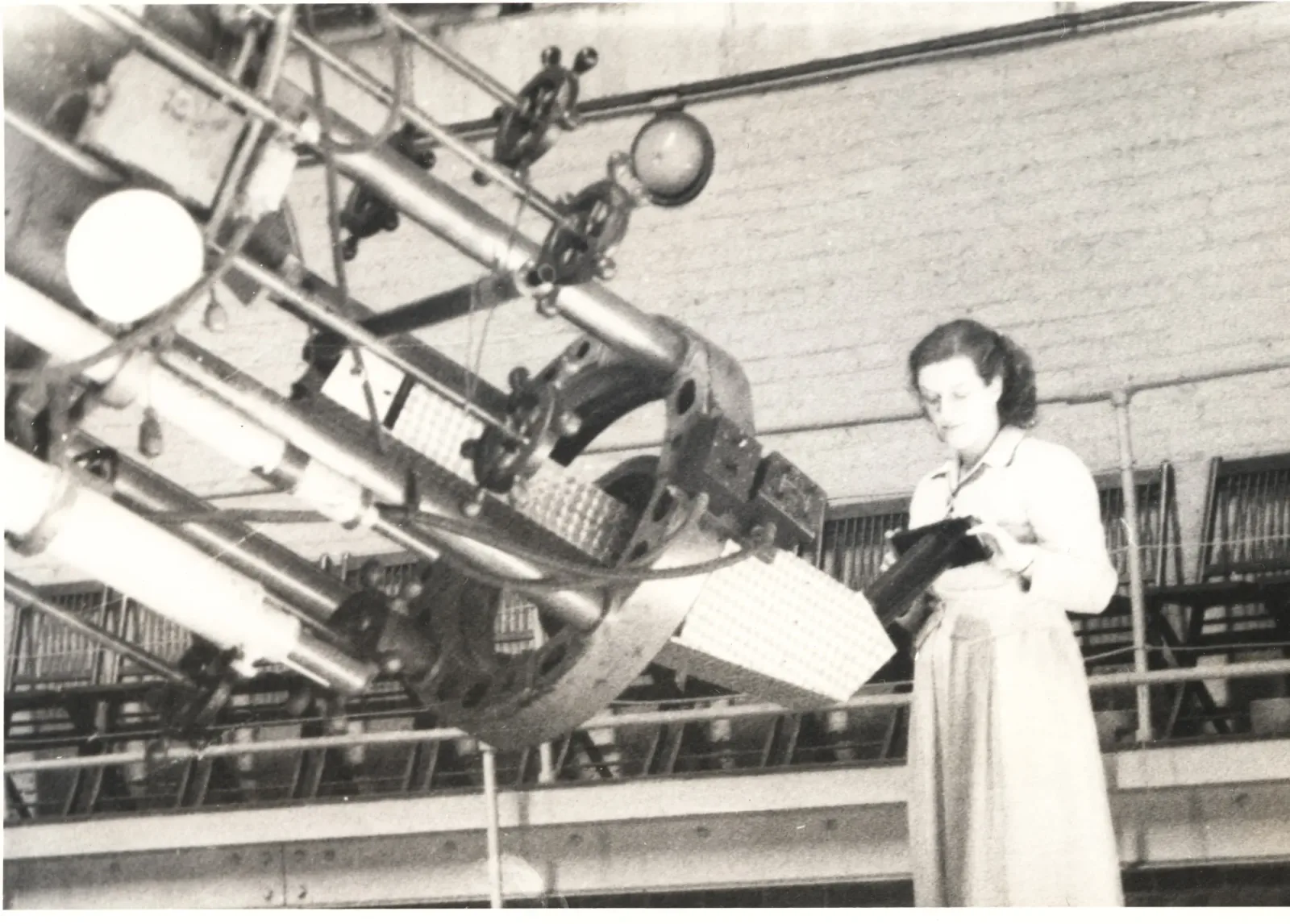
By the time she was in the seventh grade, Roman was already gunning for a career in astronomy. In 1946, she received her bachelor’s degree in astronomy from Swarthmore College, where she also received some begrudging encouragement to progress as a scientist. “The first encouragement I got was in my junior year at college. The head of the physics department came up to me in lab one day and said, ‘You know, I usually try to talk women out of going into physics. But I think maybe—you might make it.’” She went on to earn her doctorate in astronomy from the University of Chicago in 1949, paving the way for her to ultimately become NASA’s first female executive.
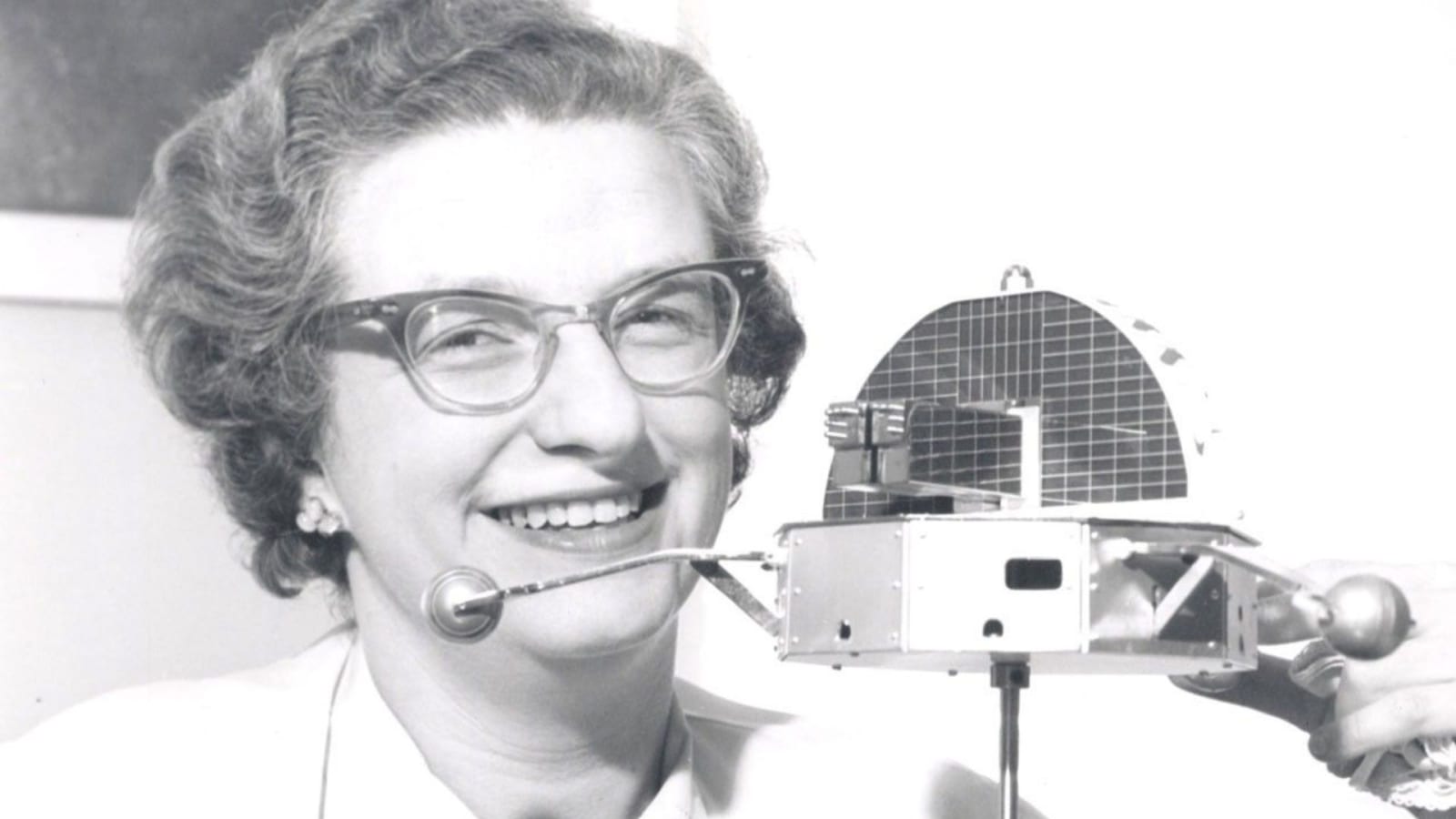
Prior to joining NASA, she taught at the University of Chicago and worked in radio astronomy at the Naval Research Laboratory to study the structure of the Milky Way. “I enjoyed the work, so I wasn’t looking terribly actively for a new job. But when NASA came along and offered me a job, I decided to take it,” she said. She joined the fledgling agency in 1959 and became the Chief of Astronomy and Relativity by 1960.
The pioneering role at NASA
Roman’s job at NASA was to convince the space agency—and ultimately the US Congress—to fund key projects. Her breakthrough role came as the program scientist for Hubble, which required her to aggressively sell the project and the revolution it would bring to astronomy. When Roman was at the helm, she saw that astronomers badly needed a space-based telescope that could peer deep into the cosmos without atmospheric distortion, inspiring the grueling efforts to make the Large Space Telescope (as Hubble was then called) a reality.
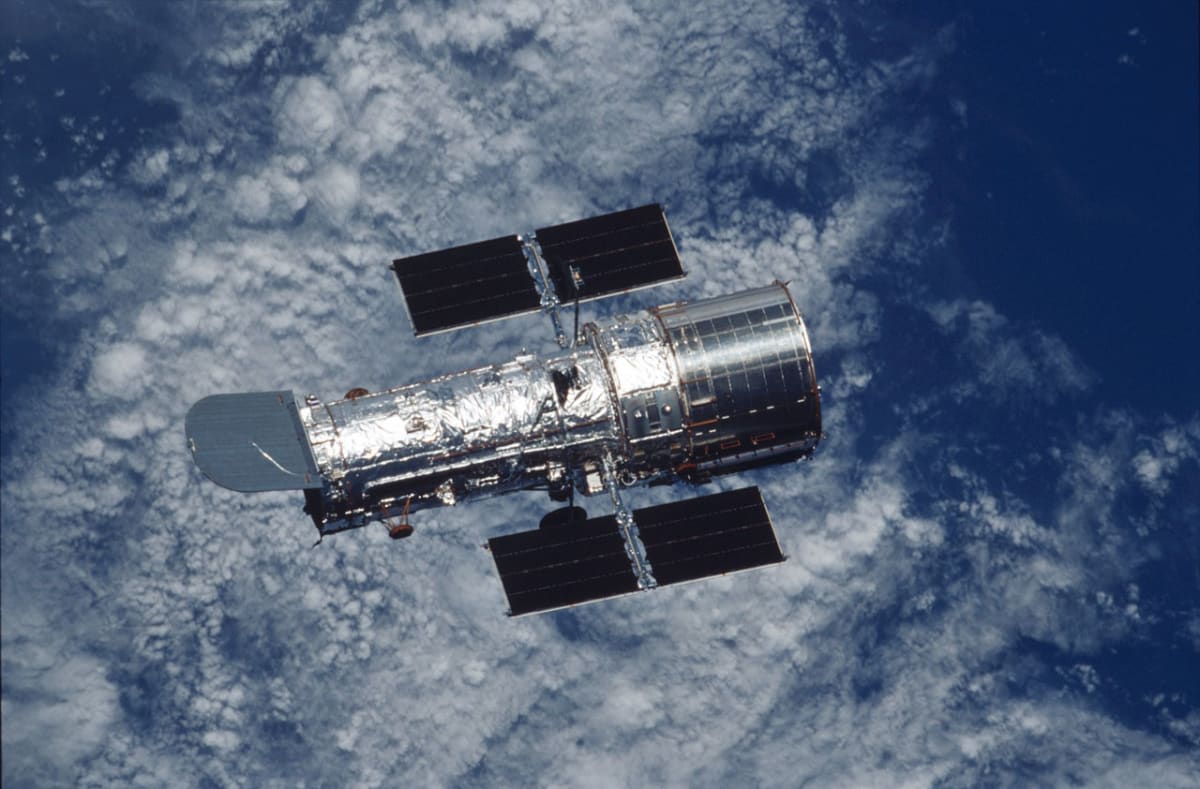
“All I did was to bring together a collection of astronomers from all over the country and some NASA engineers, and get them to sit down together and come up with something that the engineers thought would work, and that the astronomers thought would do their job. That was really the beginning of the serious effort on the Hubble,” Roman once explained. Detailing the rationale behind funding such an expensive project to Senator William Proxmire, she argued that each American would receive 15 years of exciting discoveries for the price of one night at the movies.
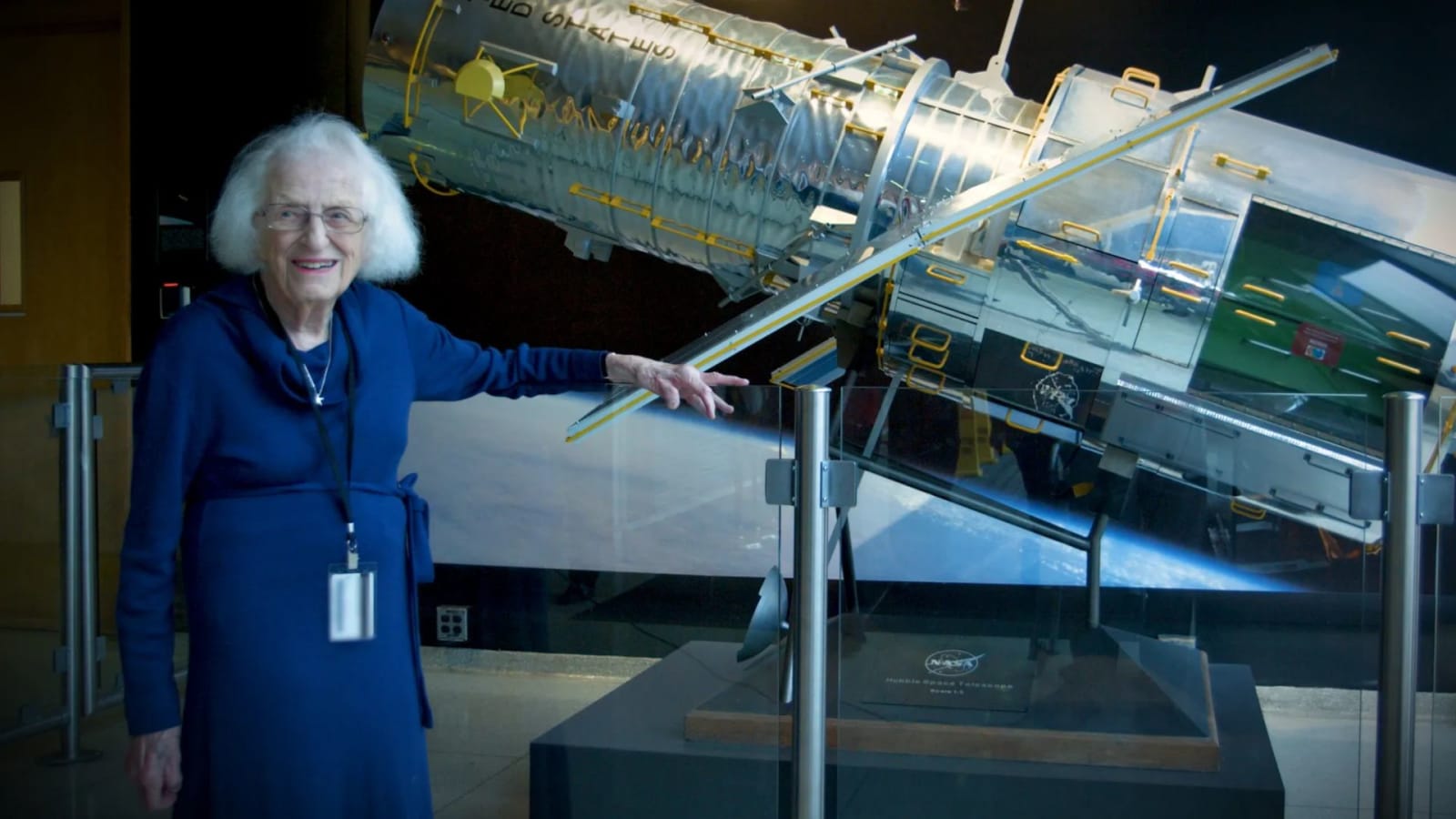
“And I may have been off by a factor of three or four,” she later reflected. “But even if it ended up being one night at the movies every year, I think Hubble has been worth it.” The Hubble Space Telescope launched in April 1990 and vastly exceeded expectations by making stunning discoveries over the last 36 years.
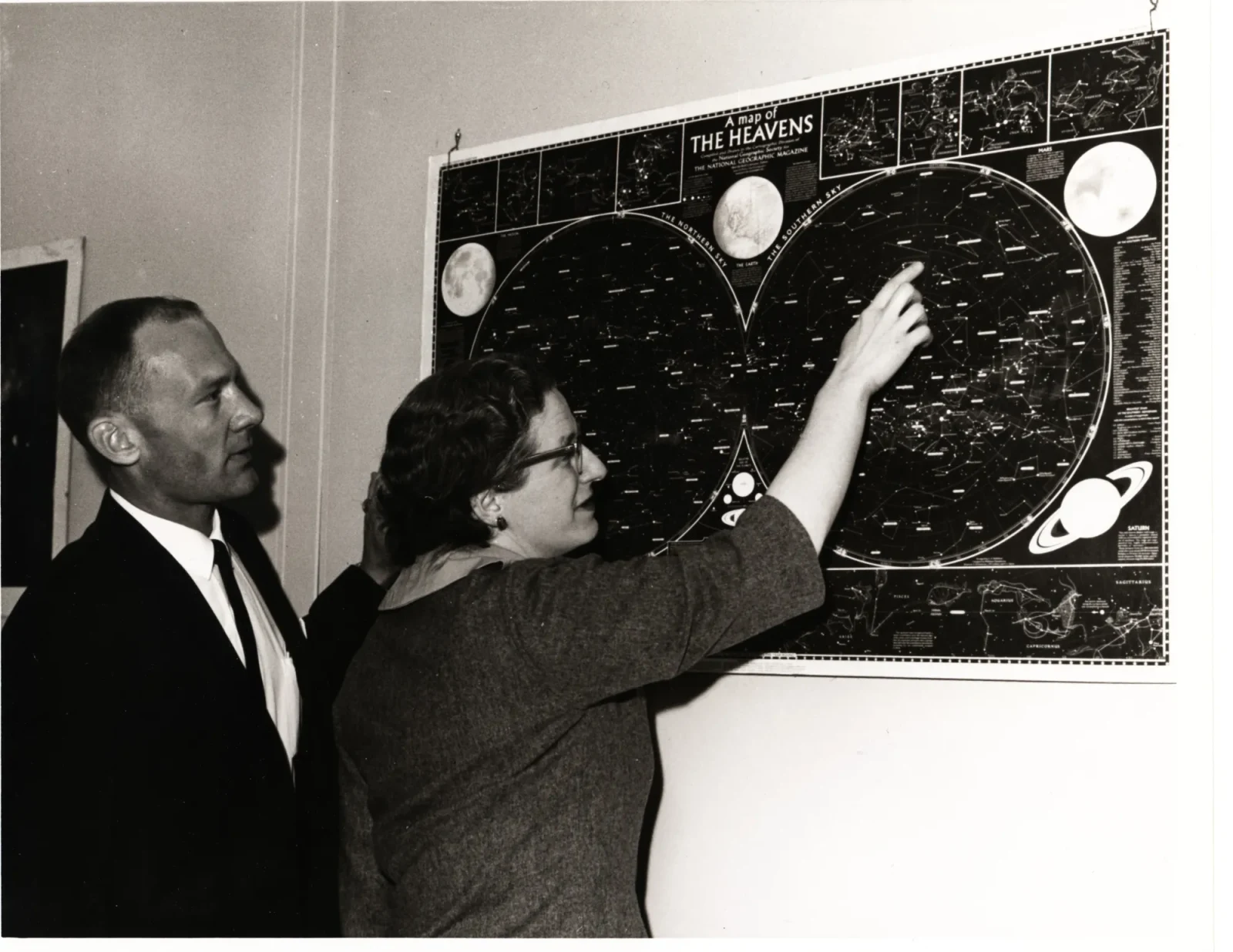
Her efforts finally came to fruition with congressional approval for Hubble in 1977, 18 years after she first joined NASA. According to the agency, one of her most significant accomplishments was successfully lobbying to get image sensors called charge-coupled devices (CCDs) installed in Hubble instead of the previous standard sensor. These would eventually become the new gold standard for astronomical imaging. Her colleague and future Hubble Chief Scientist Ed Weiler later gave her the nickname “Mother of Hubble” to honor Roman for giving humanity this one-of-a-kind gift.
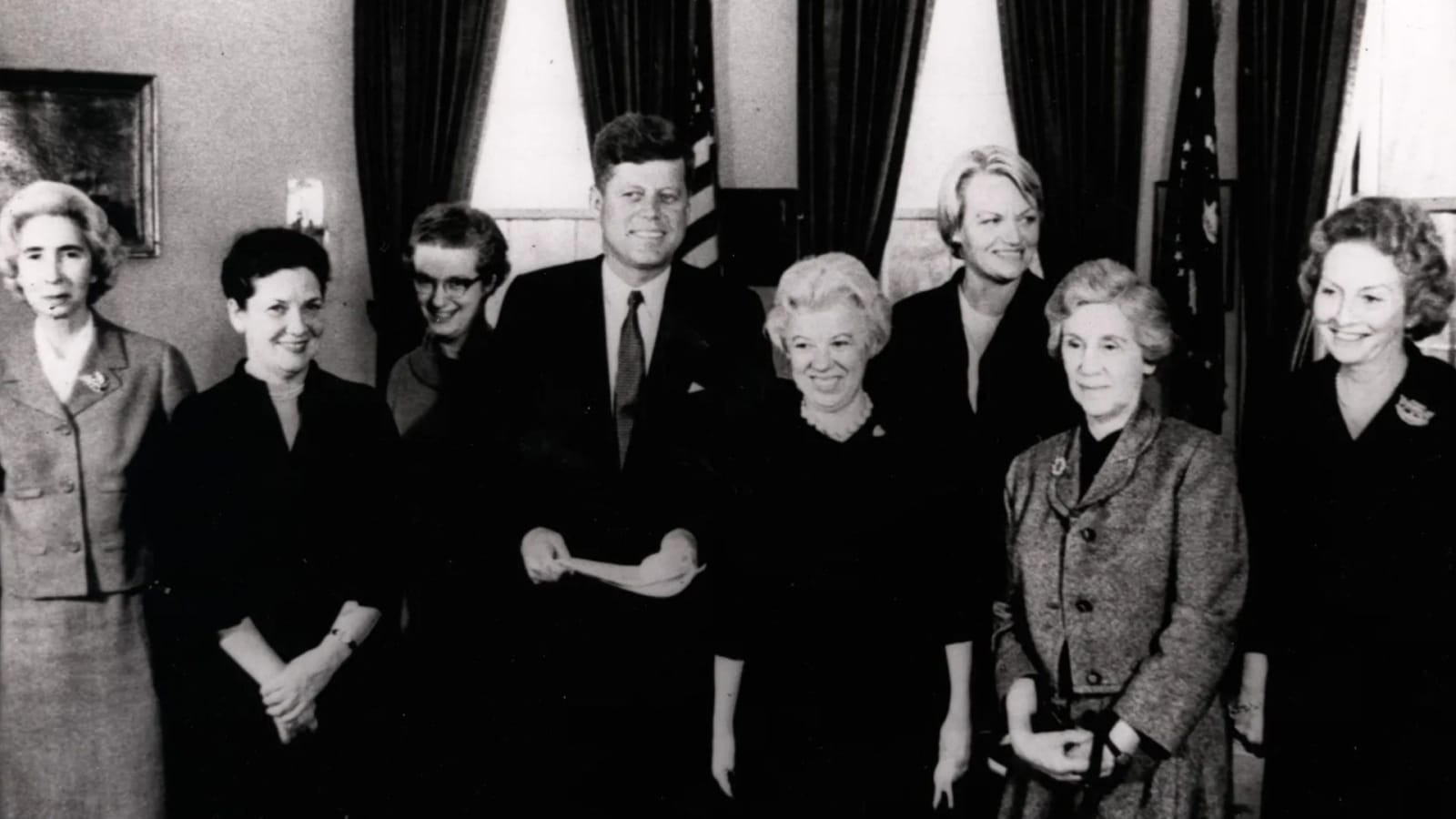
Roman’s work earned her several accolades throughout her career, including the Federal Woman’s Award from President John F. Kennedy. She was also awarded the Women in Aerospace Lifetime Achievement Award and the NASA Exceptional Scientific Achievement Award. She passed away in December 2018 at the age of 93. In May 2020—17 months after her passing—NASA announced it was naming its next flagship space telescope in her honor.
What will the Nancy Grace Roman Space Telescope do?
The telescope is scheduled to launch on August 30, and its primary objective is to answer “essential questions in the areas of dark energy, exoplanets, and astrophysics.” According to NASA, the Roman Space Telescope’s panoramic field of view is 200 times greater than Hubble's infrared view.
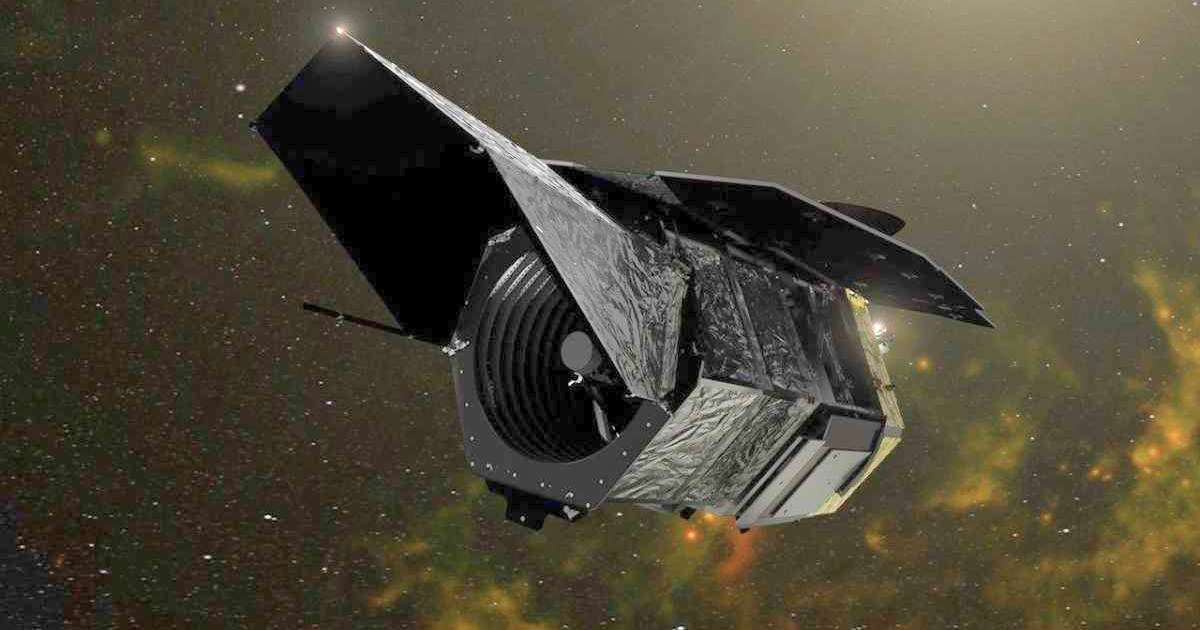
Throughout its five-year primary mission, this telescope will investigate billions of galaxies and uncover thousands of exoplanets, including the kind that have never been surveyed before. Moreover, it will also study stars in neighboring galaxies, supermassive black holes, nebulas, and other small bodies in our solar system. Read more about the telescope here.
More on Starlust:
ESA’s Plato, set to hunt Earth-like exoplanets, is now ready for launch after acing final tests