What does the Moon smell like? Here’s how Apollo astronauts described it
What does the Moon smell like?
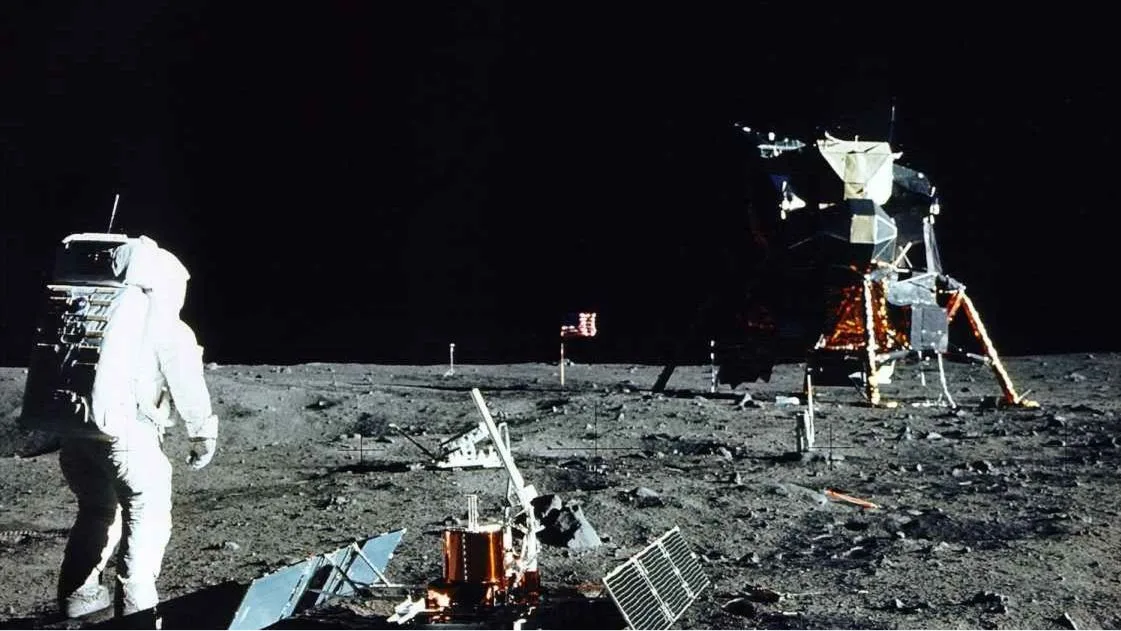
Between 1969 and the end of 1972, NASA successfully landed six Apollo missions on the Moon. As part of the mission, Apollo astronauts had to work in pressurized suits and breathe only their own supply of air. And their sense of smell would only come back when they went back inside the lunar module.
When they were back aboard the spacecraft, they were able to smell the lunar dust. Here’s how they described it.
The scent arrived with the dust
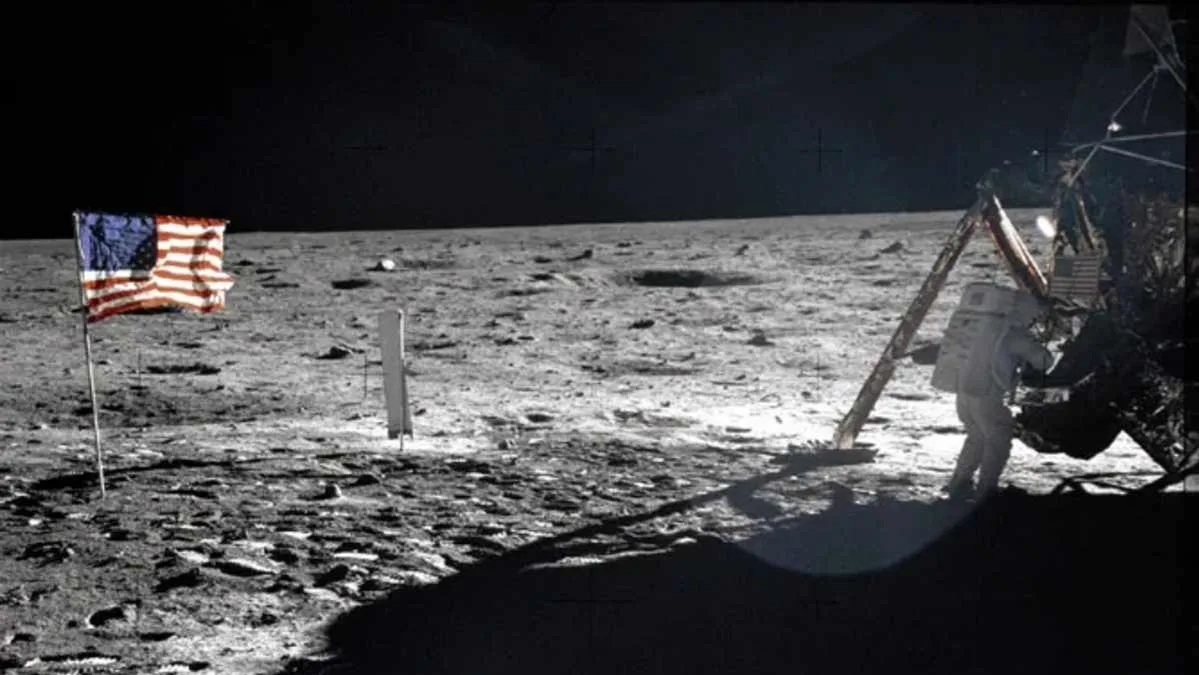
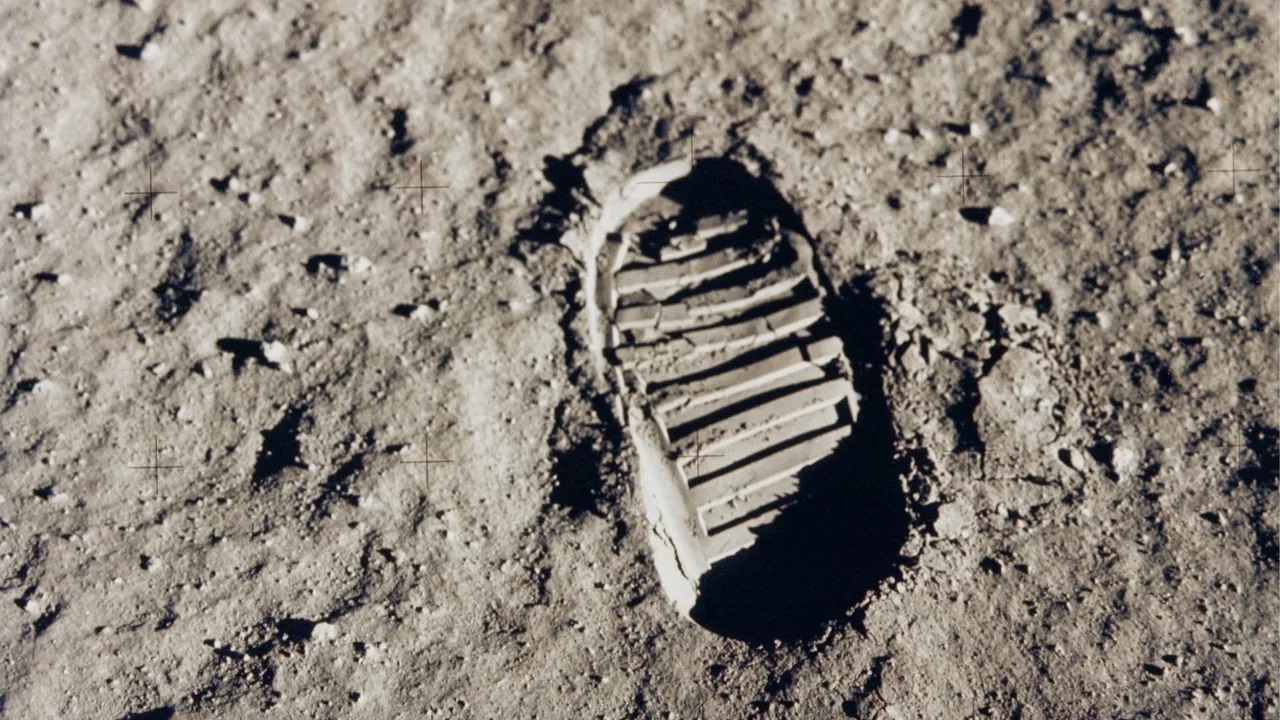
The lunar dust was fine, dark gray and extremely clingy, so every crew member carried plenty of it indoors on their gear. During the Apollo 11 mission, Neil Armstrong and Buzz Aldrin later described how the cabin air changed.
Armstrong noted, “We were aware of a new scent in the air of the cabin that clearly came from all the lunar material that had accumulated on and in our clothes.” He compared it to wet ashes, saying, “Yeah, I remember commenting that we had the scent of wet ashes.”
But Aldrin described it another way
Aldrin’s comparison was somewhat different from what Armstrong described. He shared that the cabin was like a place where something had just exploded. “The smell in the air after a firecracker has gone off.”
In another account of the same moment, he said the dust was “like burnt charcoal…or similar to the ashes that are in a fireplace, especially if you sprinkle a little water on them.”
One astronaut hadn’t been warned
During the Apollo 15 mission, lunar module pilot Jim Irwin apparently had no heads-up about the dust. When he removed his helmet in the cramped cabin, he said, “There’s a funny smell in here.” Crewmate Dave Scott recognized it right away, and noted, “Yeah, I think that’s the lunar dirt smell. Never smelled lunar dirt before, but we got most of it right here with us.”
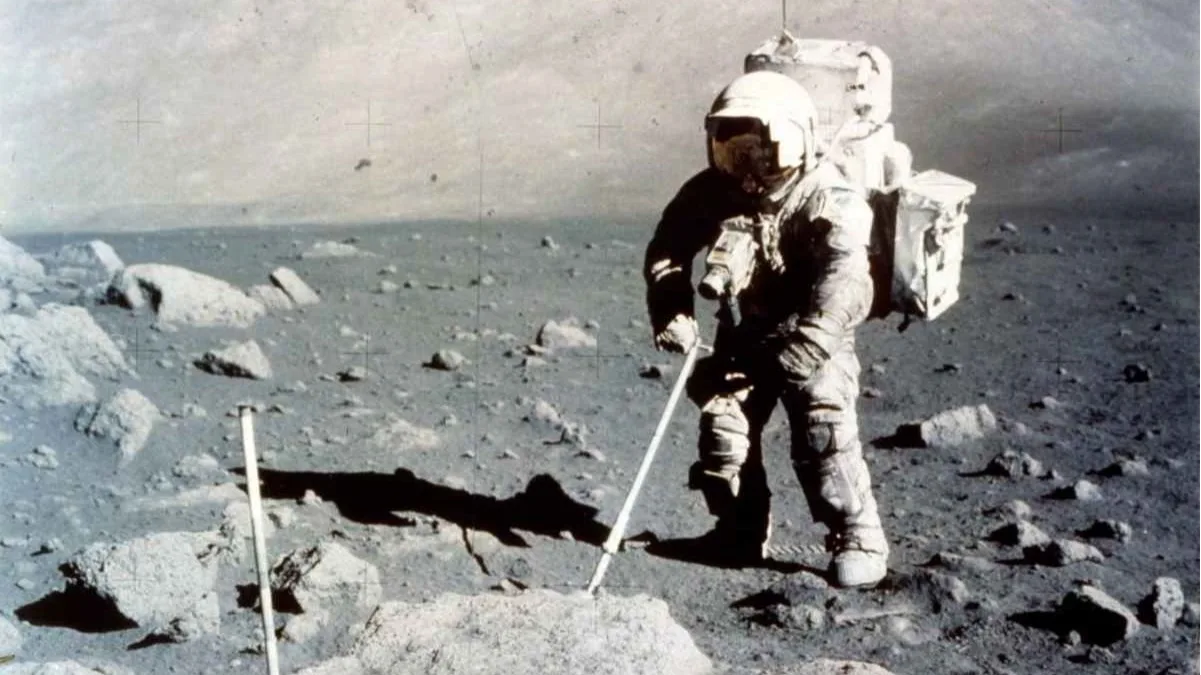
Years later, on Apollo 17, Harrison Schmitt described, “All I can say is that everyone's instant impression of the smell was that of spent gunpowder, not that it was 'metallic' or 'acrid'. Spent gunpowder smell probably was much more implanted in our memories than other comparable odors.”
There was also a fear that the dust might ignite
Before Apollo 11, Cornell astronomer Thomas Gold warned that dust shut away from oxygen for so long might be highly reactive. And if it touched cabin air, it could burn or even explode. Aldrin recalled the concern by noting, “A late-July fireworks display on the Moon was not something advisable.”
So Armstrong and Aldrin ran an improvised test. Armstrong collected a small sample of lunar material and placed it on top of the lander’s ascent engine cover. As the cabin began to fill with air, both men waited to see whether it would smoke or smolder. And thankfully, nothing happened.