How Soviet cosmonaut Alexei Leonov almost became the first human on the Moon
The Soviet cosmonaut who could have been first to the Moon
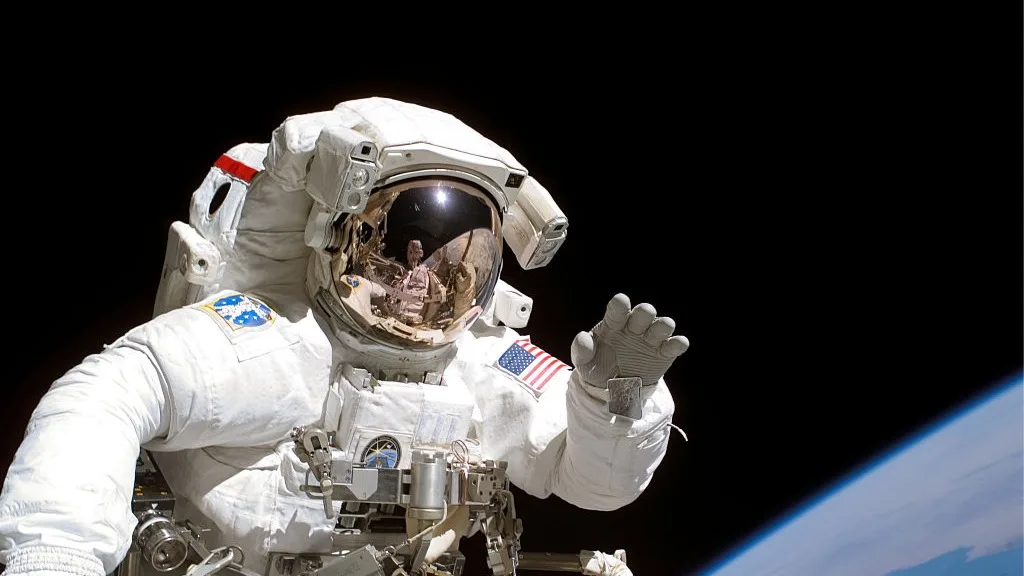
In the 1960s, the United States and the Soviet Union were in a race to put humans on the surface of the Moon. At the time, NASA openly shared its progress with the public, but the Soviets kept most of their lunar program secret. Around the same time, Alexei Leonov, a cosmonaut (the Soviet term for astronaut), was chosen to command their first crewed Moon landing attempt.
If everything went smoothly, he would have become the first person to set foot on the Moon. But his story played out differently. Here's what happened.
Alexei Leonov's first spacewalk
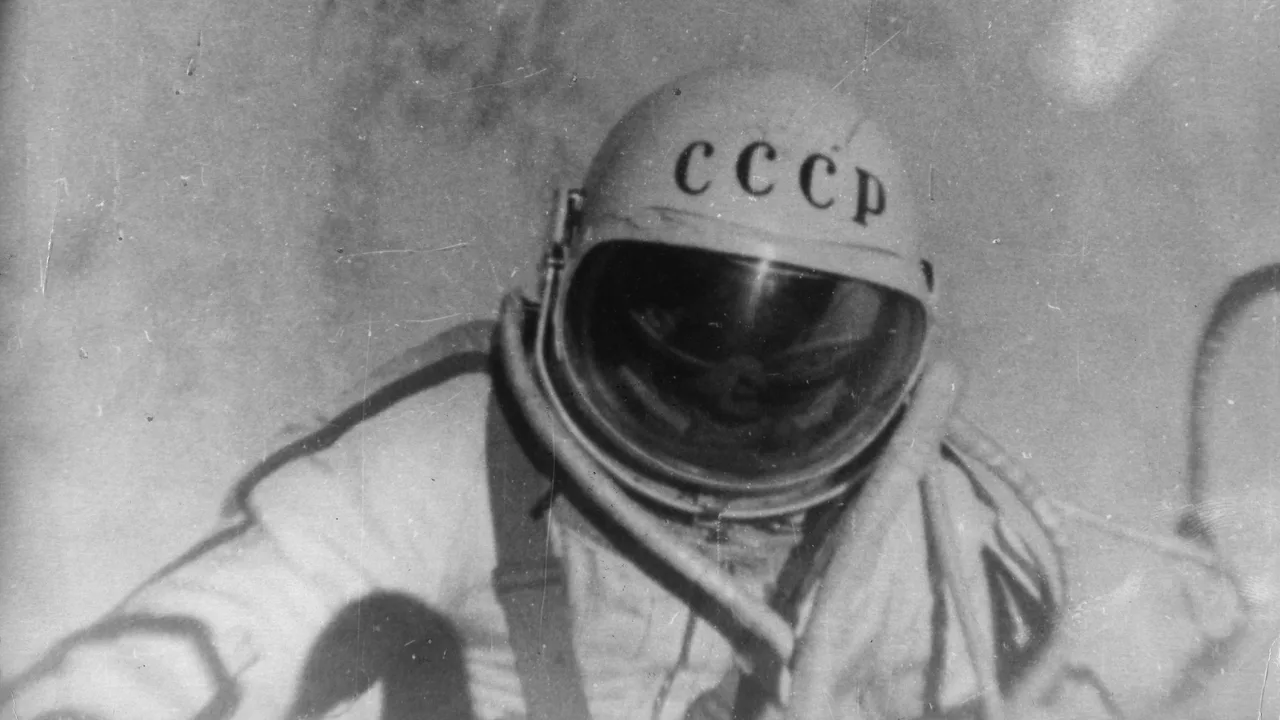
In March 1965, Leonov first flew on Voskhod-2. This mission carried out the first-ever spacewalk and also made him the first person to walk in space. During this, he left the spacecraft through an inflatable airlock and successfully attached to the spacecraft by a 4.8-meter (16-foot) cable in space.
Then his suit began to swell. “My hands had slipped out of the gloves; my feet came out of the boots. The suit felt loose around my body,” he said. To fit back inside, he let out about half the air, which brought on early symptoms of decompression sickness, also called “the bends.”
The Soviet rocket that never reached the Moon
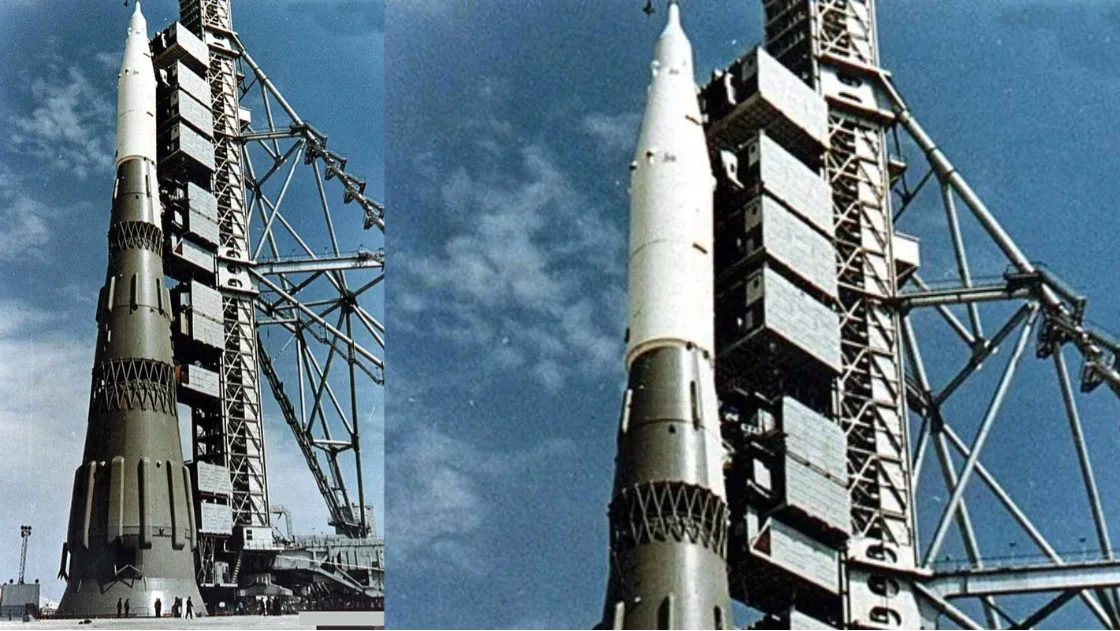
One year later, Sergei Korolev, who was the program’s chief designer at that time, died during what should have been a routine operation. The Soviet Moon rocket, called the N-1, also kept failing. It stood 105 meters (345 feet) tall and had 30 engines in its first stage.
There were many engines packed together, and one destructive failure could take out the rest. Unfortunately, all four launches of the moon rocket ended in catastrophic failure. The USSR then had to cancel its Moon shot after Apollo 11 landed on July 20, 1969.
Then came the 1971 Soyuz 11 tragedy
Leonov was then assigned to command a flight to Salyut-1 in the early 1970s. Salyut-1 was the world’s first space station. But soon after, Valeri Kubasov (one of the cosmonauts) showed possible signs of tuberculosis in a medical exam (it turned out to be an allergy). Due to this, the prime crew was replaced with a backup one. Leonov objected to this, but was overruled.
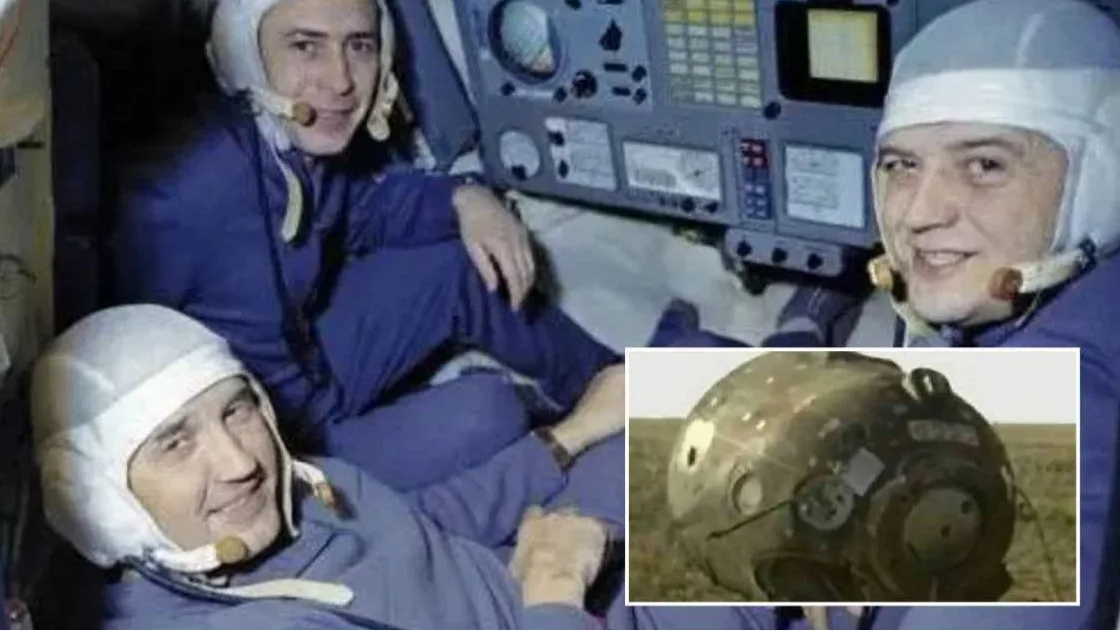
The Soyuz 11 crew launched in 1971. Leonov suspected the capsule’s air vents were a design weakness and told them to close the vents by hand before returning home. The vents opened too early, and all three cosmonauts died within seconds as air was pulled from their cabin. “Even though it was not my fault, I blamed myself for what had happened,” Leonov later wrote.
Historic handshake in space
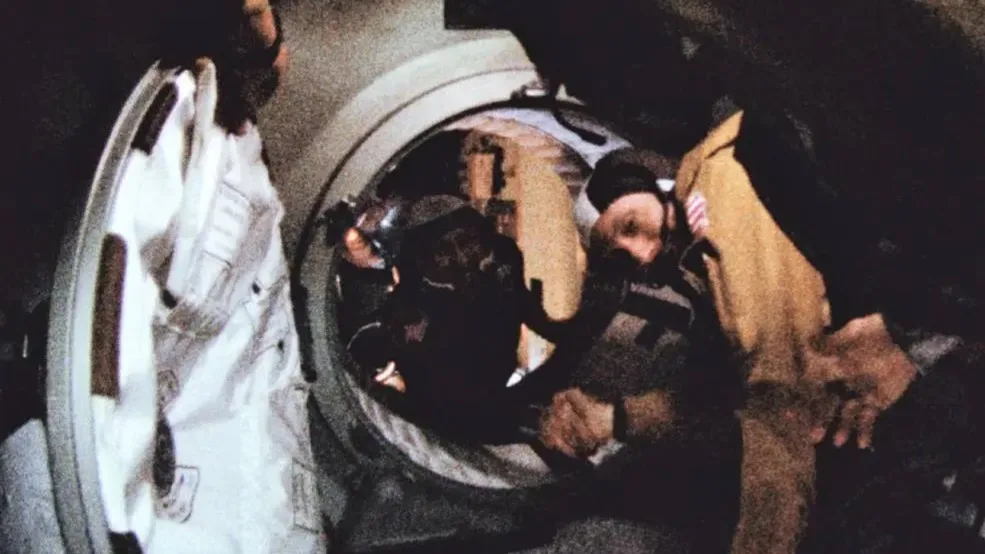
After Apollo 11, tensions between the two countries eased, and they agreed to the Apollo-Soyuz Test Project. In this joint mission, each country launched its own spacecraft, and the two then docked in orbit. Leonov commanded the Soviet side, and Thomas Stafford led the Americans, joined by Vance Brand and Deke Slayton.
When the hatch opened, Stafford greeted Leonov, and this was the first direct contact between a Soviet and an American in space. Leonov is now remembered as the first person to walk in space.