Could microbes live beneath Mars’ surface? A new study raises the question
The search for life on Mars
Scientists think that hydrothermal vents may be where the first living cells that made life possible on Earth came to be. This is because these are deep-sea fissures that release materials from Earth's crust and provide a continuous flow of chemical energy. Now, a study published in Science Advances suggests that the same process might have occurred on Mars.
Here’s what the study suggests and what it could mean for the possibility of life on the Red Planet.
A new clue from beneath Mars' surface
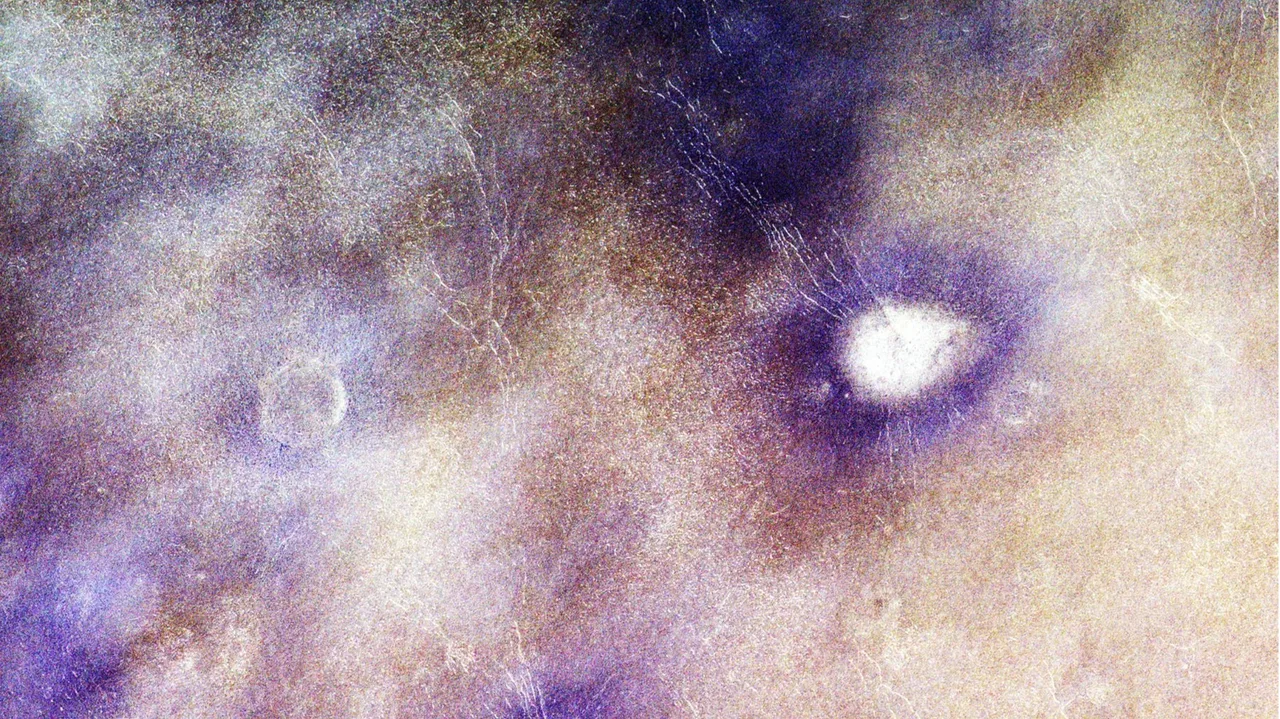
The ExoMars Trace Gas Orbiter, also called the TGO, is a spacecraft that circles Mars. During its mission, it picked up a possible signal of hydrogen chloride coming out of cracks near the Alba Mons region of the planet.
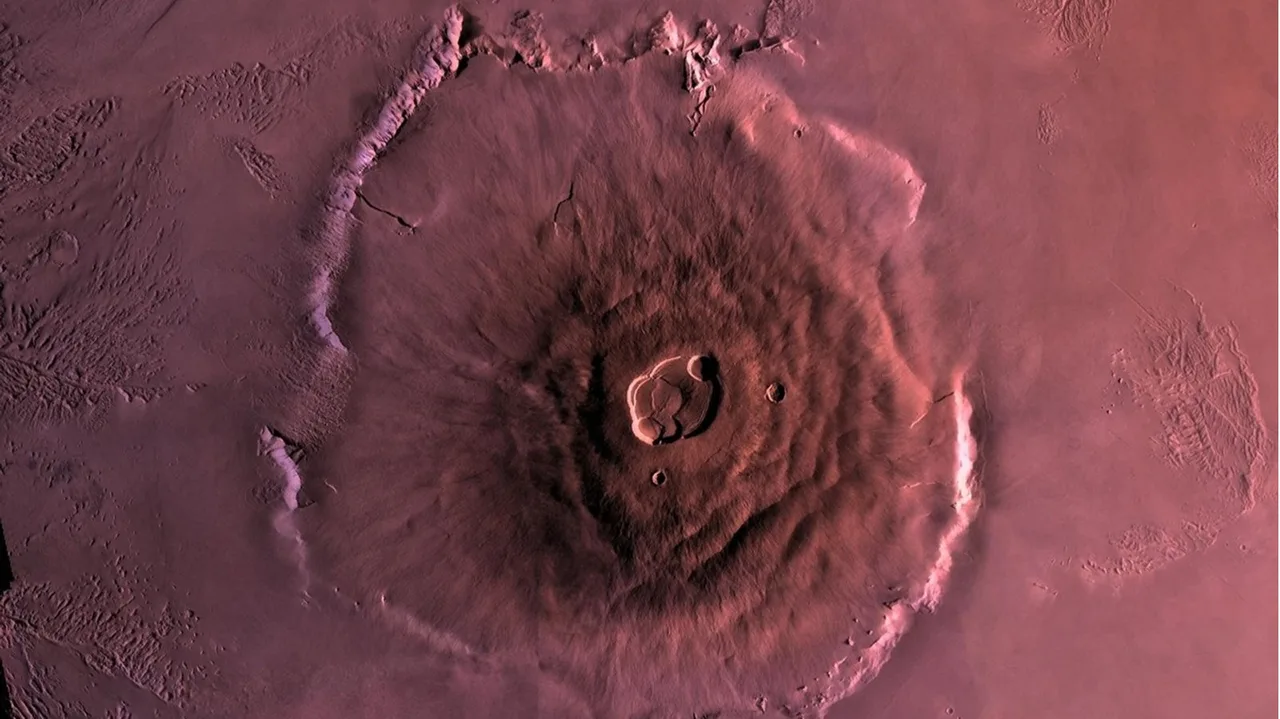
Alba Mons is the largest volcano on Mars by surface area. Scientists think that the gas comes from hot, melted rock called magma beneath the surface. The team also notes that more research is needed before they can confirm it.
What made the hydrogen chloride signal on Mars so unusual?
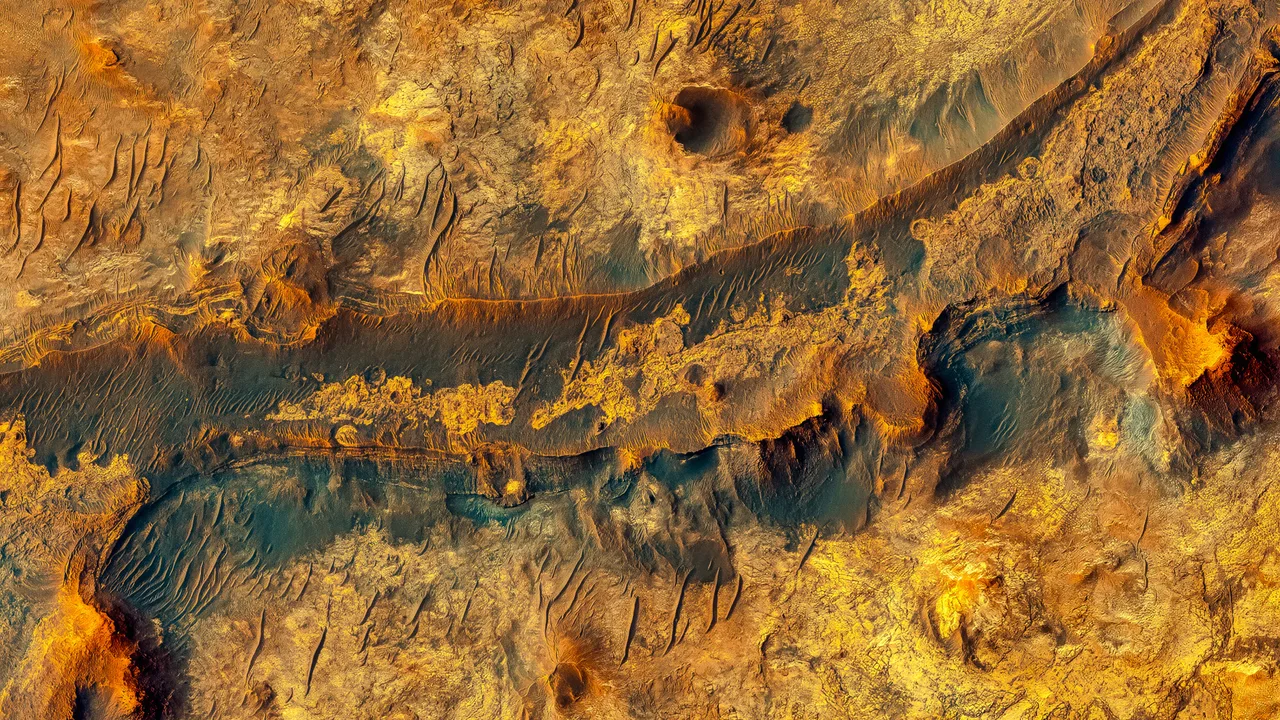
The orbiter first found this gas in 2021. At first, scientists didn’t connect it to volcanoes. This is because the gas was not clustered near a likely volcano. Also, sulfur, which is another volcanic gas, was missing. The hydrogen chloride also appeared in the Northern Hemisphere’s winter as well as in the Southern Hemisphere’s spring and summer.
Commenting on this, Kevin Olsen, a co-author at the University of Oxford, told Live Science, "These out-of-season measurements were close to one another in location and time in both years, which was rather surprising. We then set about creating a campaign of special, targeted measurements at this time and place."
So, what is causing the mysterious gas bursts on Mars?
The team then ran a few special measurements at that time and place for two Mars years (about four Earth years). They noticed that the signal returned and then faded below what the spacecraft could detect. Olsen noted, “This inconsistency is more suggestive of a puff of gas entering the atmosphere than of regular atmospheric chemistry.”
He further added, “While the link remains a hypothesis, we have now seen this gas appear locally, and nowhere else, over four Mars years of observations.” NASA’s InSight lander has also found evidence that suggests there are dormant volcanoes on Mars that may still be releasing gas.
Could there be life on Mars?
The presence of magma on the Red Planet doesn’t confirm that life exists there. Life on Earth may have originated in places like hydrothermal zones. But in the case of Mars, conditions would need to remain favourable for at least millions of years.
Explaining this, Daniel Mège, also a co-author of the paper, said, “If these requirements are met at local scale, at the scale of the seepage structures, then living organisms might wait for us to discover them.” He added, “But maintaining stable conditions over such a long period at a very local scale is not obvious.”