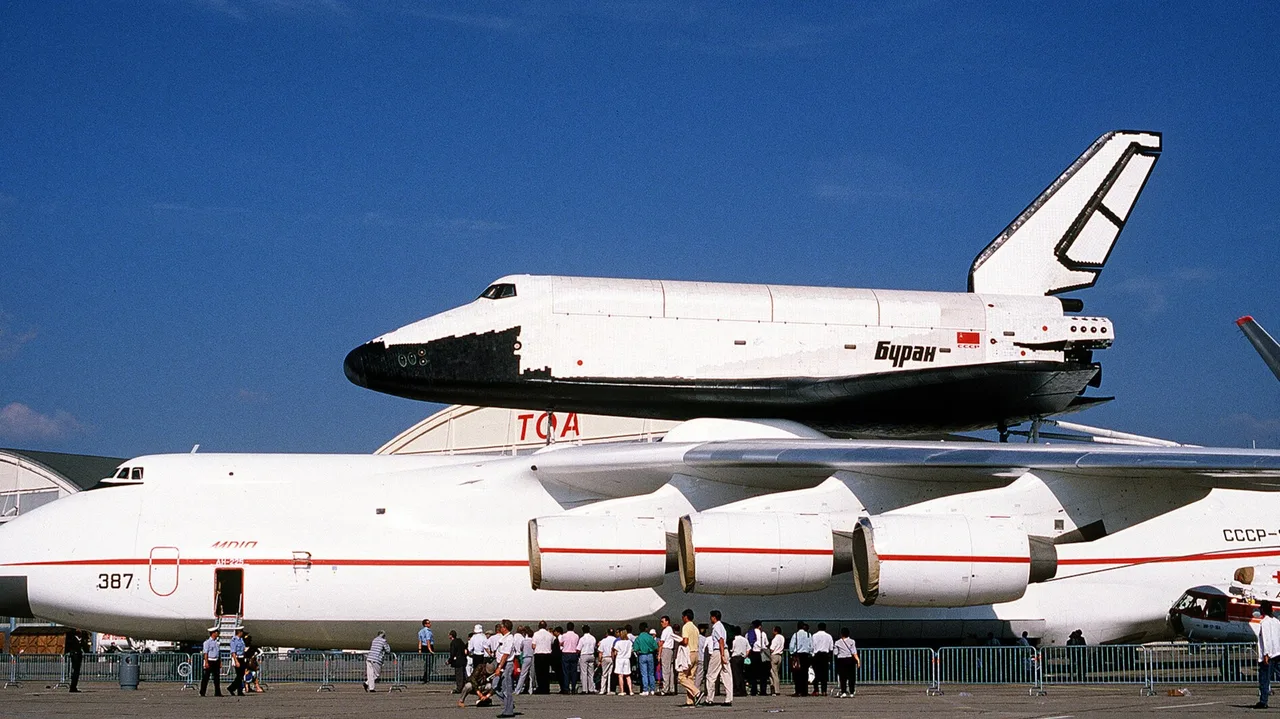
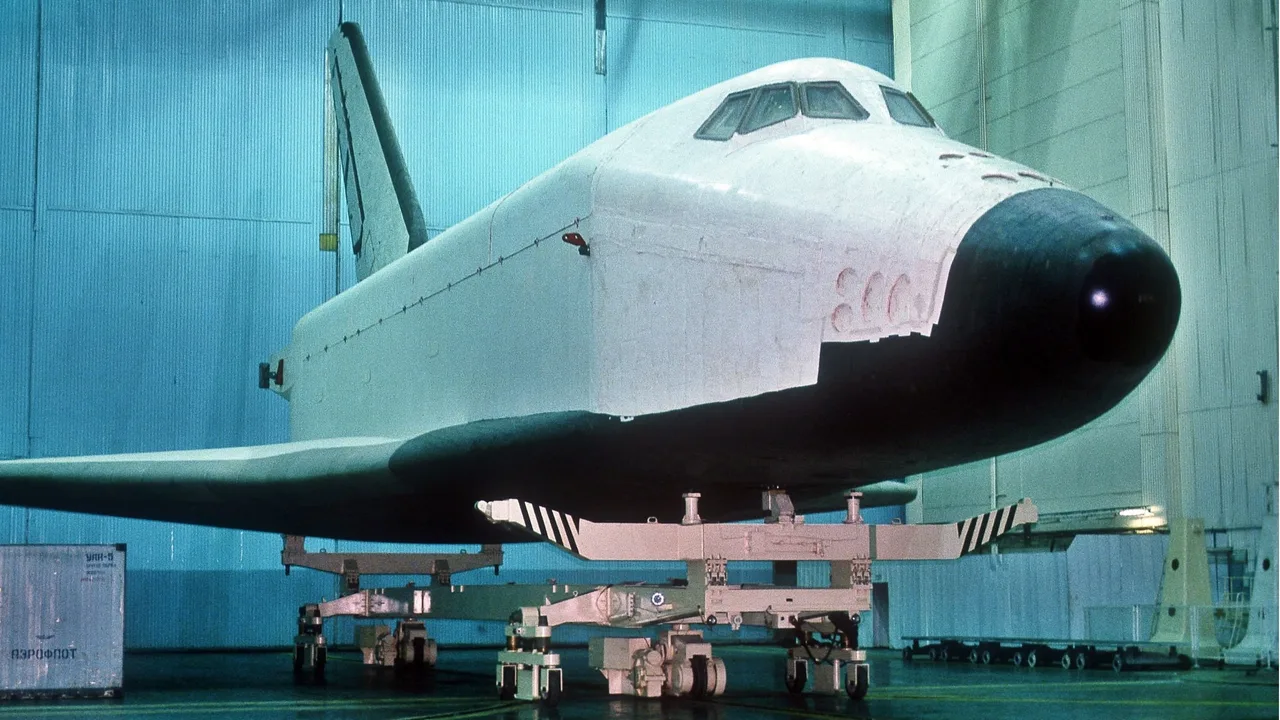
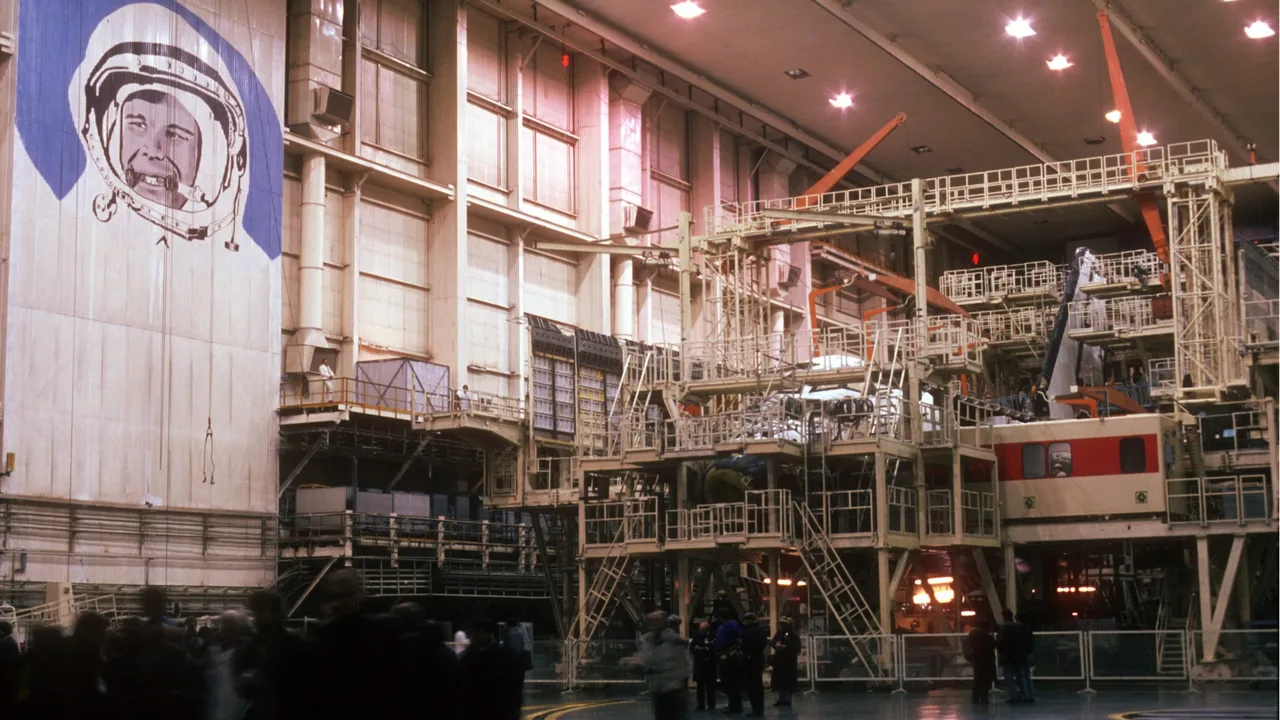
The Soviet Union built its own space shuttle to rival NASA, only for it to end in tragedy
The rise and fall of the Buran space shuttle
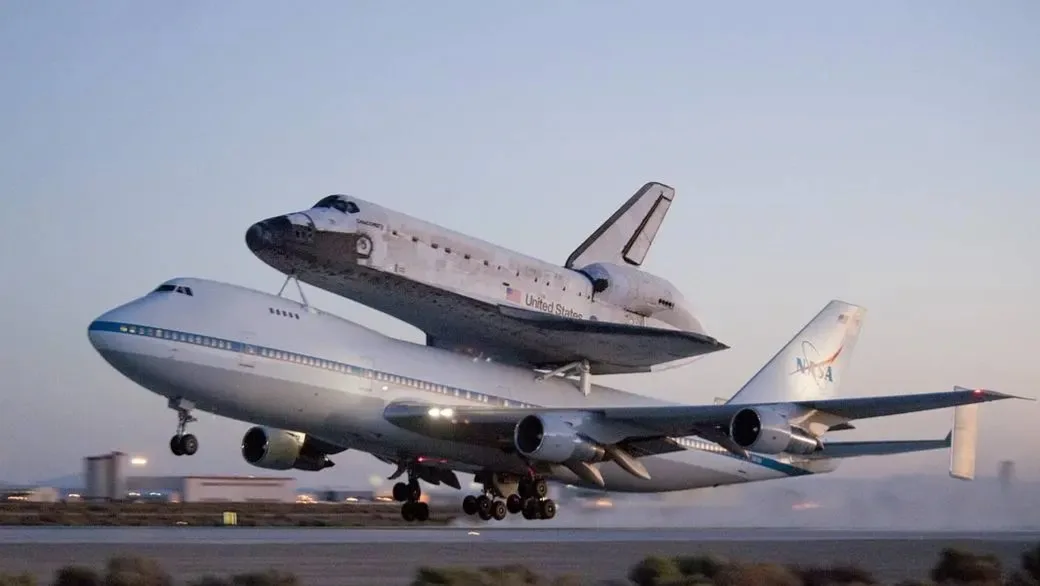
Until 1982, spacecraft, including the crewed ones, were launched and used for only one mission at a time. But NASA’s space shuttle program changed that, as it could be used again and again. To rival this, the Soviet Union built its own version, called Buran.
Everything was going fine, and Buran flew into space once, on November 15, 1988. But years after that, the program was canceled, and the spacecraft met its tragic end. Here’s the story of Buran, the spacecraft that flew only once.
The military concerns behind Buran
NASA had built its shuttle to save money. But the Soviets saw it as a possible threat. They also feared that it was capable of grabbing Soviet satellites. Then, in 1976, the government ordered a similar spacecraft, and more than a thousand organizations took part.
“In the USSR, the Space Shuttle was viewed first of all as a carrier of nuclear weapons,” Anatoly Zak wrote on his website, RussianSpaceWeb.com.
And it was nearly the same as NASA’s shuttle
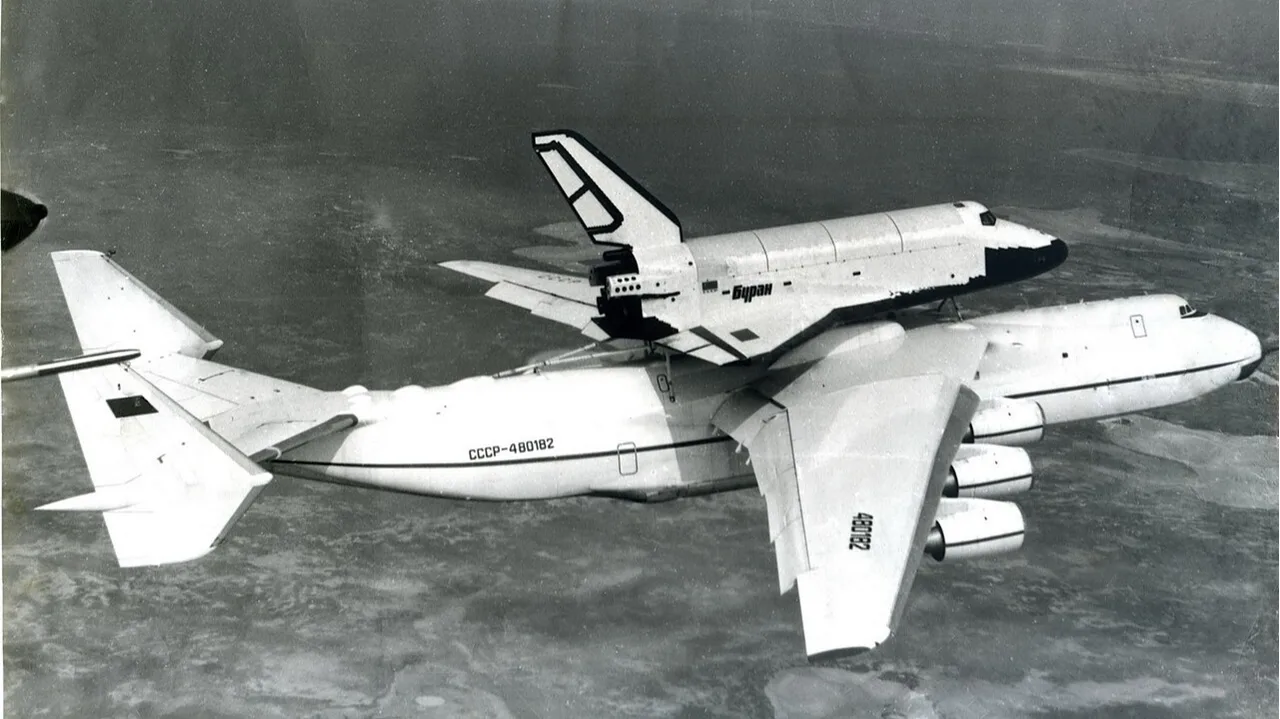
From the outside, Buran and the American shuttle looked almost the same. This is because both of them had the same wing shape and a black-and-white heat shield, which protects the craft when it re-enters Earth’s atmosphere.
There were also differences. The American shuttle had three main engines and used them at launch. Buran had none. Instead, a huge rocket called Energia did all the pushing. It could lift 100 metric tons on its own.
Buran's remarkable automatic landing
Buran first made a total of 24 test flights on Earth, and 15 of them were fully automatic. On November 15, 1988, it made its only flight to space. It launched on an Energia rocket, circled Earth twice, and landed by itself in a 60 km/h (about 37 mph) crosswind. NASA’s shuttle was not designed to do that.
Cosmonaut Alexander Laveikin said, “Our standard landing mode was automatic. The idea was the pilot merely sits tight in his seat keeping his hands off the joystick. As soon as he lays hands on the steering rod, Buran’s automatic system is turned off.”
The only Buran to reach space was destroyed
After its flight, the orbiter, known as 1.01, was moved into a building at Baikonur and largely forgotten. On May 12, 2002, the roof, which was poorly maintained, collapsed while repairs were underway. It destroyed the only Buran ever to reach space and killed eight workers on the roof.
However, two pieces survived the accident. The first was a test version of Buran, which is currently in a museum in Speyer, Germany. The second was the nearly finished Ptichka, which is still placed at Baikonur.