Are we alone in the universe? 5 discoveries that made alien life seem possible
When the search for alien life got interesting
Researchers from around the world have long searched for signs of life beyond our planet. And so far, we haven’t found any confirmed evidence. But over the past several decades, there have been a number of discoveries and detections that made researchers stop and take a closer look. Even though none of them really turned out to be definitive proof of extraterrestrial life, they sparked many intriguing questions.
Here’s a look back at the moments when we thought we might finally have an answer to one of humanity’s biggest questions: Are we truly alone in the universe?
A mysterious signal sparked hopes of alien contact
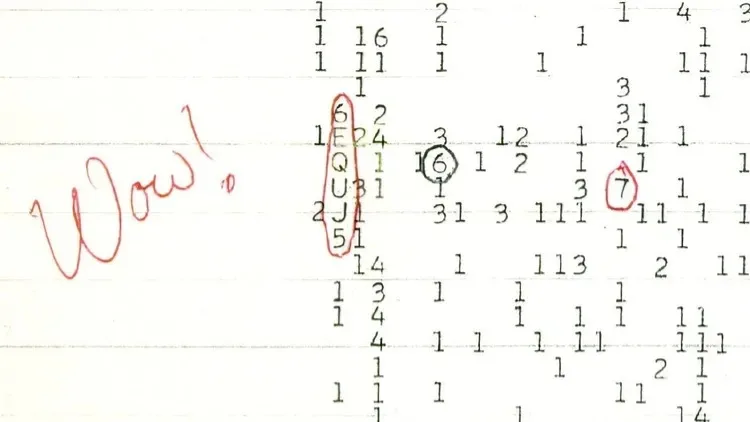
In August 1977, the Big Ear radio telescope in Ohio recorded a 72-second burst that was 30 times louder than typical deep-space noise. Days later, astronomer Jerry Ehman spotted it and wrote “Wow!” beside it. Interestingly, the signal matched the natural frequency of hydrogen, which scientists had long suspected an intelligent civilization might use.
At that time, many thought that this might be a signal from an alien civilization. But a recent study proposed that it was actually caused by a rare hydrogen maser flare. Even to this day, it's not universally confirmed what caused it.
The Martian rock that almost proved we weren't alone

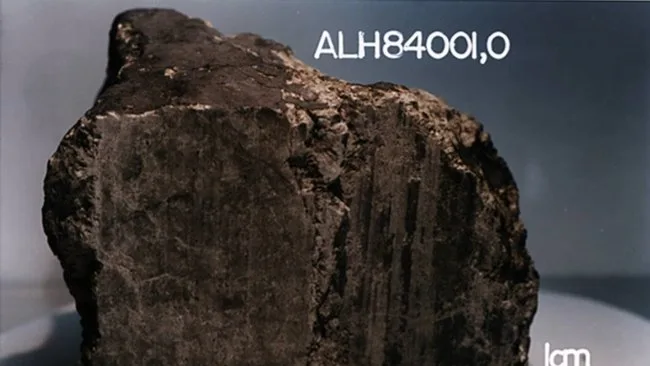
A palm-sized rock was pulled from Antarctic ice in the year 1984. When researchers took a closer look, they found that this rock is actually a piece of Mars billions of years old. This rock is now known as ALH84001. Under a microscope, researchers noticed there were worm-like features and tiny magnetic crystals that resembled fossils of bacteria on Earth.
At first, it looked like our very first signs of ancient life. But a 2022 study found that the material actually came from water-rock reactions on Mars.
The gas that sparked hopes of Martian life
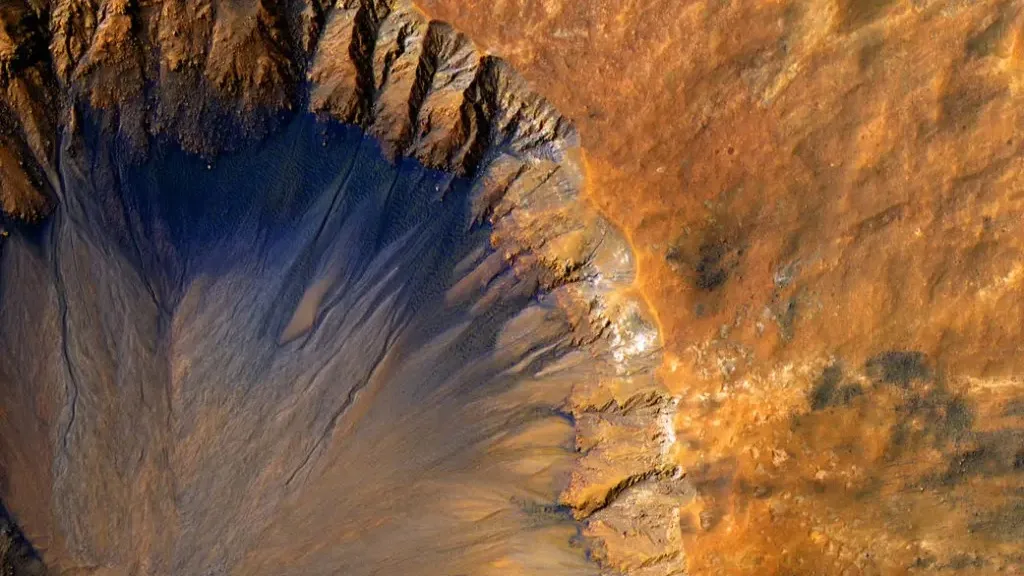
Mars was confirmed to have methane in 2004. On our planet, about 90% of this gas comes from living organisms and other biological activity. And on the surface of Mars, solar radiation breaks the gas down in roughly 300 to 600 years, so something has to keep replenishing it. Some scientists wondered if long-extinct life made it and the gas is only now escaping from the frozen surface layer.
But this single molecule is not yet a clear sign of life. For now, researchers presume that rock-water reactions in the ground make it, as they do on Earth.
The discovery that briefly made Venus look alive
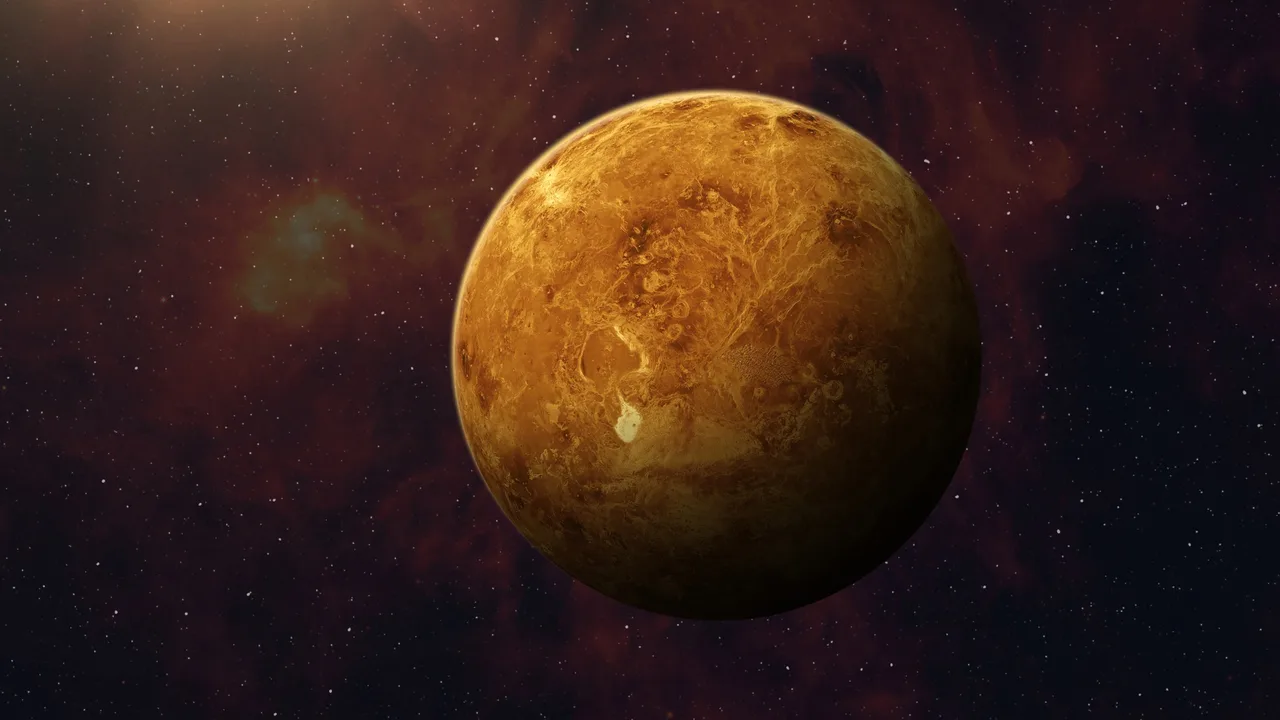
In September 2020, a team announced it had detected phosphine gas in the upper atmosphere of Venus. This is interesting because on Earth, phosphine is a toxic gas that comes from decaying organic matter or certain bacteria. Clara Sousa-Silva, an MIT research scientist involved in the discovery, said at the time, “Now, astronomers will think of all the ways to justify phosphine without life, and I welcome that.”
But follow-up observations could not reproduce the findings, and this made scientists question the original data and analysis. Some even suggested that this signal was a glitch from data processing, or came from sulfur dioxide rather than phosphine.
The supposed alien canals that never existed
This story dates back to 1877, when Italian astronomer Giovanni Schiaparelli observed dark, linear features on the surface of Mars. In his notes, he described them as canali, which is an Italian word for “channels.” But when the term was translated into English, it became “canals.” And this caused many to assume that there is intelligent life on the Red Planet.
This is because canals are made by humans on Earth, so many assumed that the same must be true of the mysterious features on the Red Planet. But as our technology advanced and we started exploring Mars more closely, scientists discovered that these so-called canals were nothing more than an optical illusion.