Nearly 12-billion-year-old merger: Meet LKH, the earliest known galaxy to have collided with the Milky Way
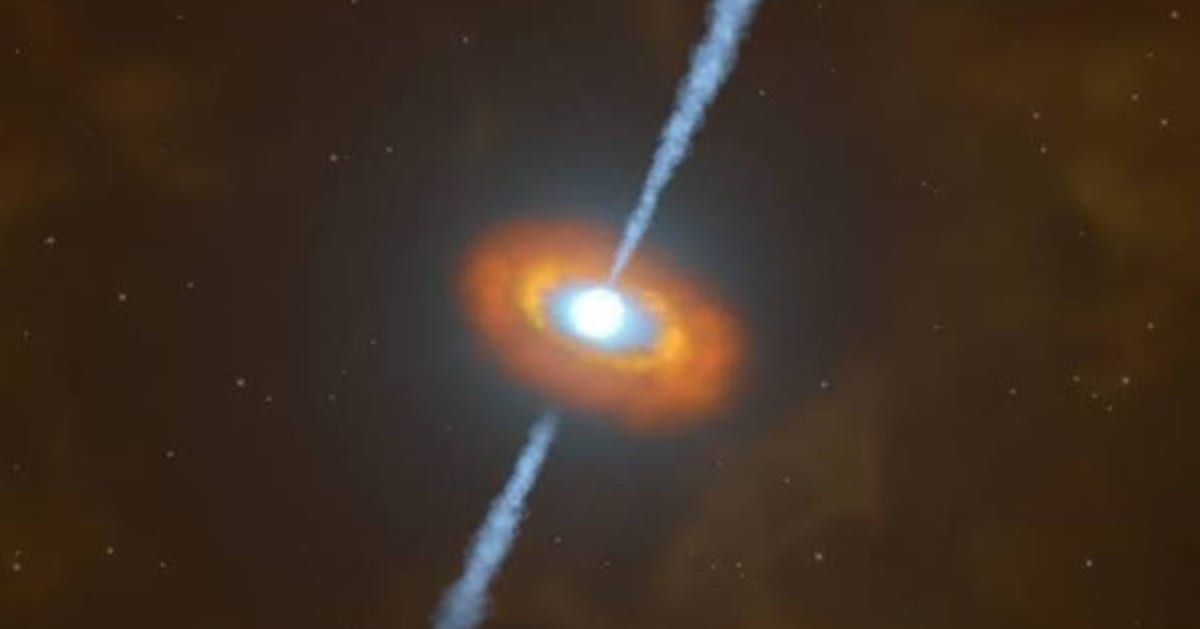
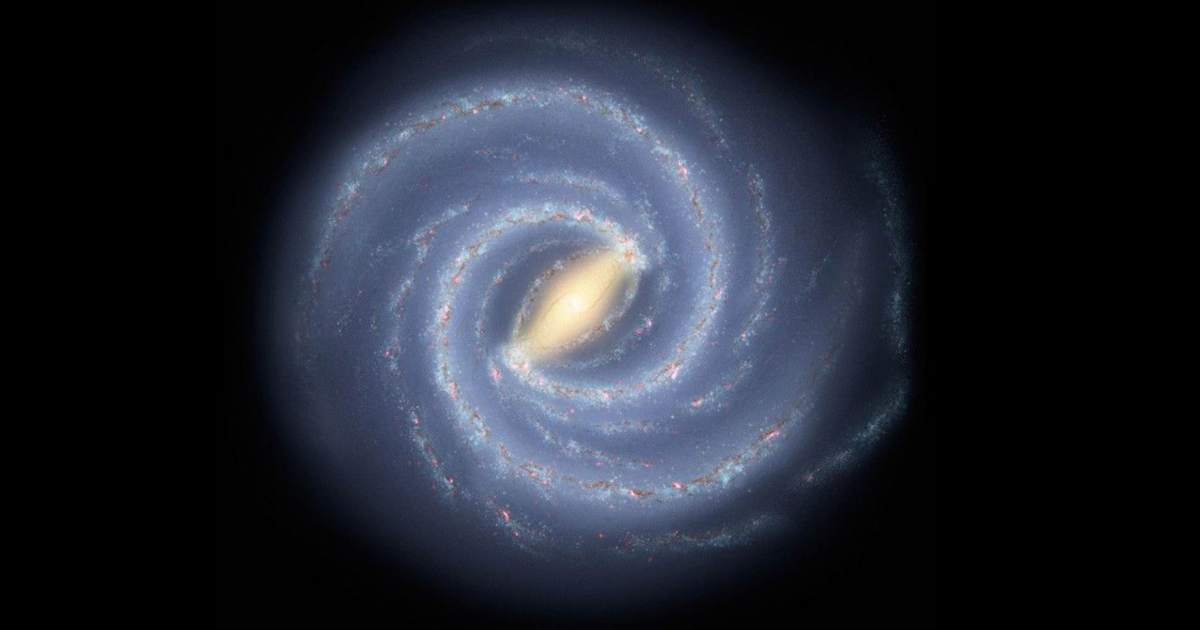
![About 12 billion years ago, a dwarf galaxy known as LKH collided with a young Milky Way and merged with it. This artist’s concept portrays that collision. [Cover Image Source: NASA, ESA, Joseph Olmsted (STScI)]](https://d3hedi16gruj5j.cloudfront.net/814157/uploads/7d333080-9ade-11f1-9969-318568cf6813_1200_630.jpeg)
Scientists largely agree that our galaxy, the Milky Way, grew to its present size by consuming smaller galaxies, but the exact history of its mergers remains shrouded in considerable mystery. Now, using data from the Hubble Space Telescope, astronomers have shed some light on this lost chapter of our galaxy's past, revealing that the Milky Way consumed a hitherto undiscovered dwarf galaxy that has now been named Low-energy-Kraken-Heracles (LKH). The findings have been published in Nature, and here's everything you need to know about it.
A murky history of mergers
The Milky Way wasn't always the enormous, massive spiral galaxy that it is today. It grew to its current size by consuming other galaxies through mergers.
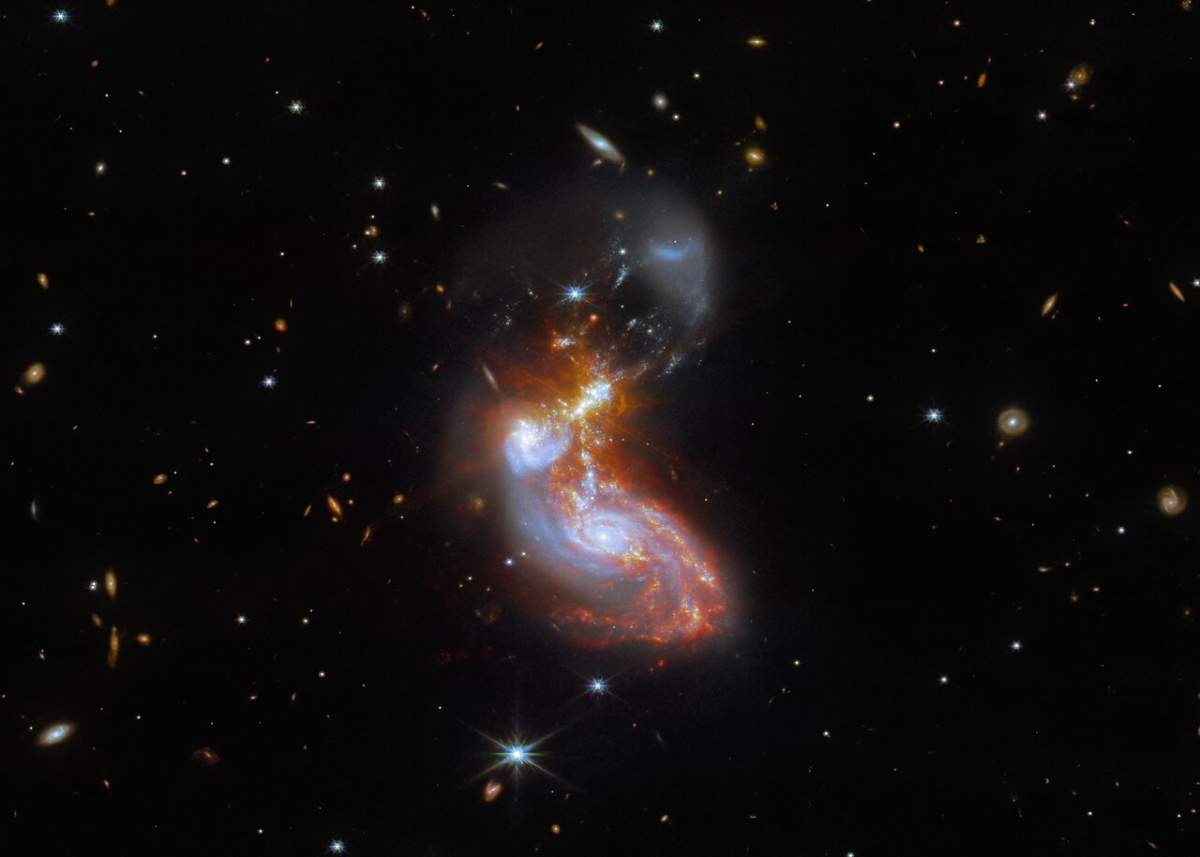
The most recent of these mergers began some 6 billion years ago when our galaxy collided with a dwarf galaxy named Sagittarius, with NASA stating that the merger process is currently still ongoing. Extant research also shows that prior to its collision with Sagittarius, the Milky Way also devoured another dwarf galaxy named Gaia-Sausage-Enceladus some 10 billion years ago.
However, researchers suspect that these two aren't the only mergers to have taken place in the Milky Way's past and believe that other smaller mergers could have taken place in between these two monumental events. Simulations also suggest that another large merger preceded the two collisions with Sagittarius and Gaia-Sausage-Enceladus, but the exact nature of this merger had remained a point of debate—up until now.
A revelation of galactic proportions
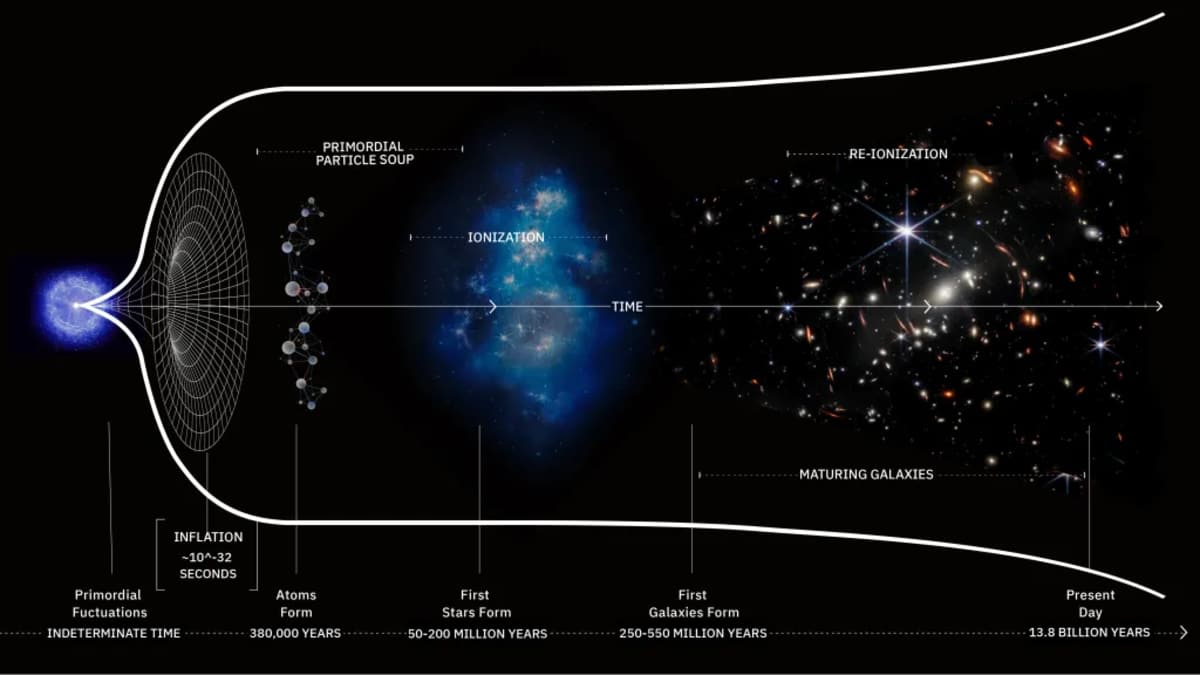
Using data from Hubble, astronomers have been able to find "definitive evidence" of the merger that was suspected to have preceded the collisions 6 and 10 billion years ago. Named Low-energy-Kraken-Heracles (LKH) in honor of three previous studies that championed the idea of a merger early in our galaxy’s history, this dwarf galaxy collided with the Milky Way 11.8 billion years ago, a mere two billion years after the Big Bang.
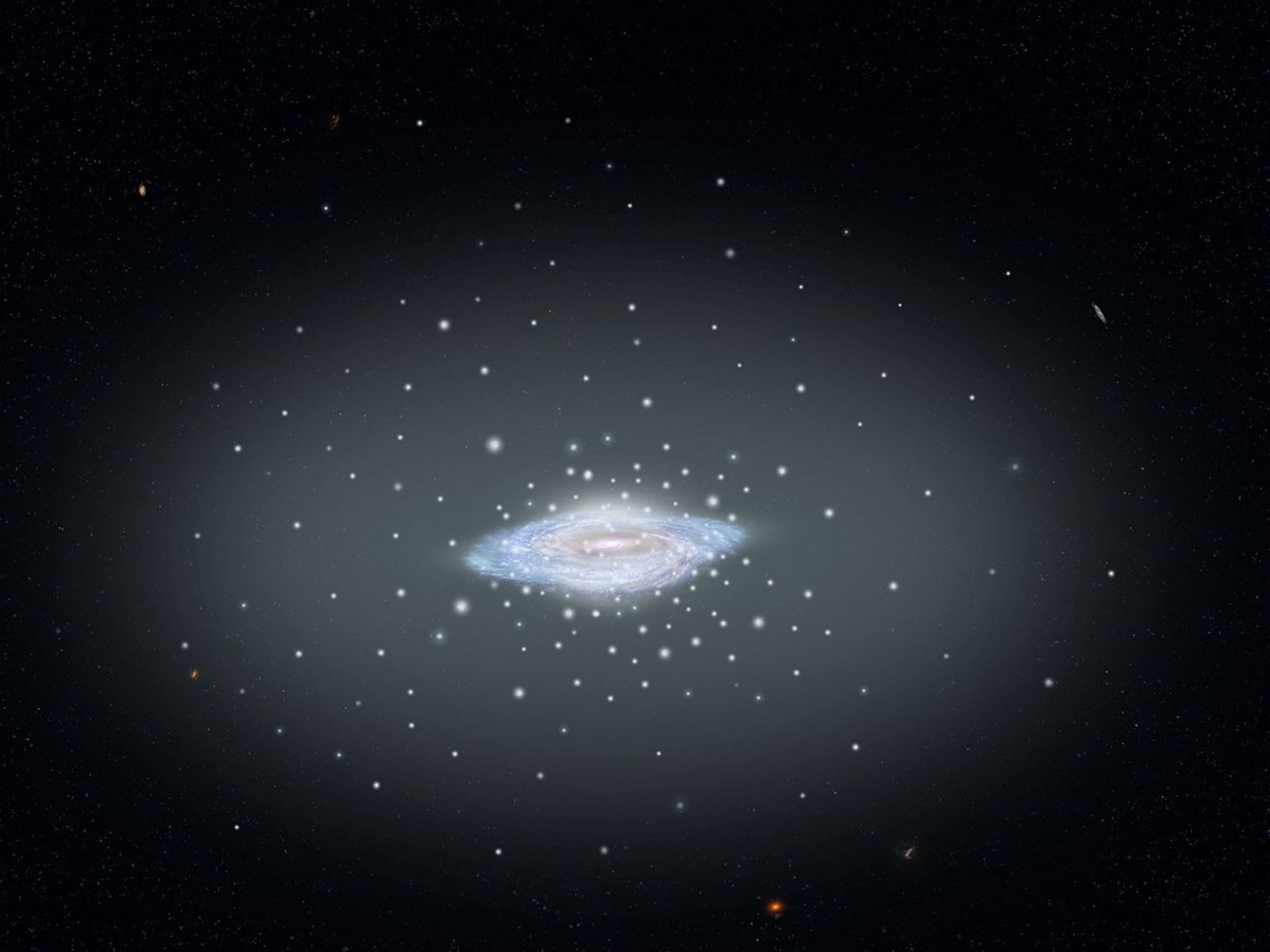
To find traces of this long-lost galaxy, researchers led by Davide Massari of the Astrophysics and Space Science Observatory of Bologna in Italy studied 39 globular star clusters in the Milky Way, which contain some of the most ancient stars in our galaxy and serve as a window into the Milky Way's past. While they expected to find clusters of stars formed within the Milky Way, as well as those captured during the merger with Gaia-Sausage-Enceladus, the researchers also found a third population of stars that were older than the Gaia-Sausage-Enceladus merger stars, yet younger than the oldest native clusters found in the Milky Way. This suggested that these stars must have come from a period in between the birth of the Milky Way and the merger 10 billion years ago.
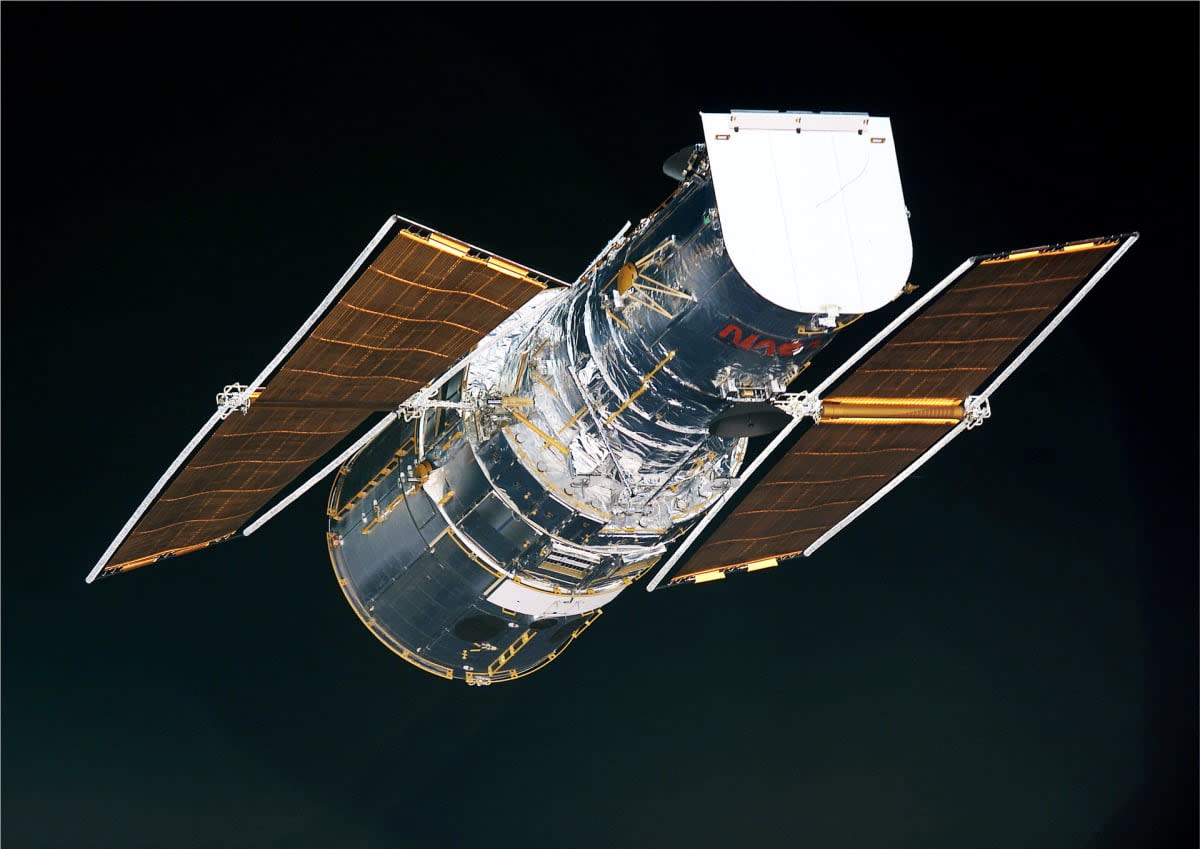
"Thanks to the high resolution and depth of Hubble imaging, we could measure the age and the metal content of these clusters with unprecedented precision," said study co-author Chiara Zerbinati from the University of Bologna, explaining how the researchers were able to distinguish some clusters from the others. "These are the clusters that were born in LKH, and they tell us when that galaxy was devoured by ours, and how massive it was," Zerbinati added.
Their analysis suggests that this dwarf galaxy, LKH, contained roughly 500 million times the mass of the Sun in stars at the time of the merger, and contributed to a significant portion of the Milky Way's mass at that time, when our galaxy was in its infancy. This, the researchers said, has far-reaching implications for our understanding of the Milky Way's evolution.
"Our home is the Milky Way galaxy, but we do not know how our house was built. In this paper we discover where the first significant batch of bricks came from: a dwarf galaxy that we call LKH," said lead author Massari, adding that this discovery calls for a revision of models of our galaxy's evolution. “Some past studies have argued that the earliest phases of our galaxy’s evolution were defined by stars born only in our galaxy. Here, we have shown that stars born in external galaxies also need to be considered,” he added. Having made this monumental discovery, the team now intends to study and characterize all the massive mergers experienced by the Milky Way in its long history.
More on Starlust
NASA's James Webb makes first discovery of three supermassive black holes in a single galaxy
Water near supermassive black hole? James Webb makes stunning discovery about dying Milky Way star