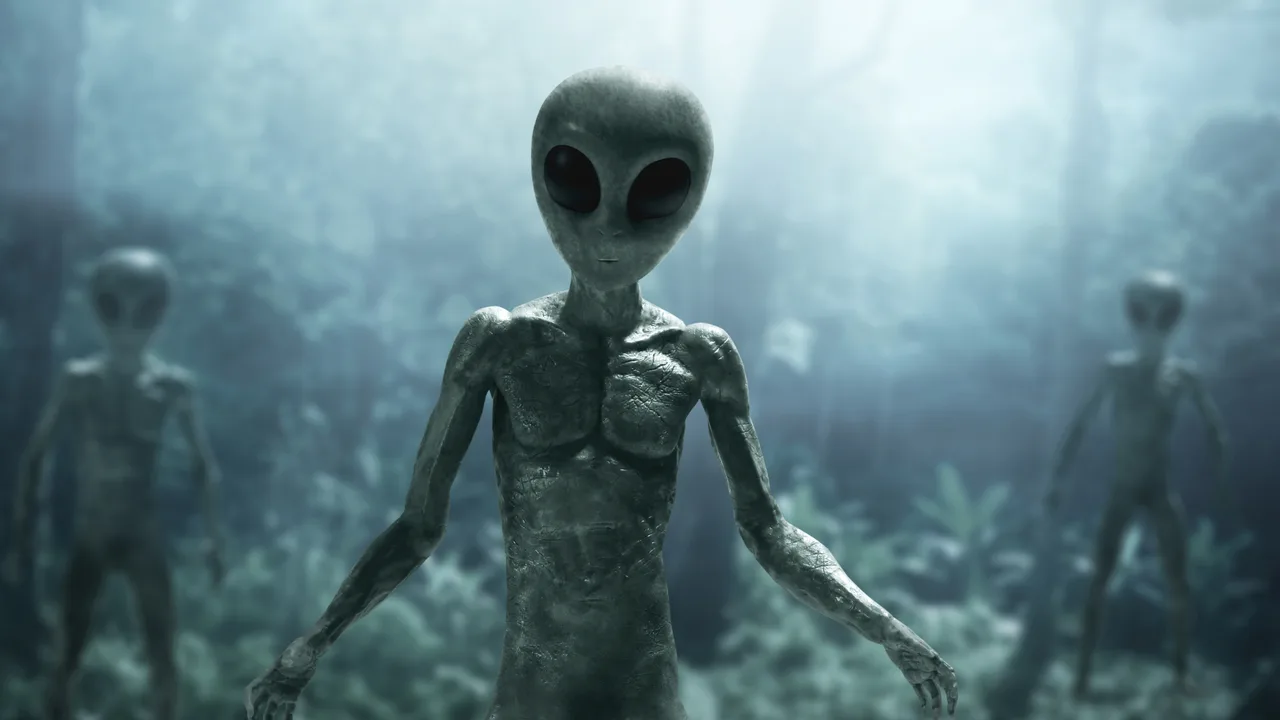
The most unsettling explanations for why we haven’t found aliens yet, according to scientists
Are we truly alone in this universe?
In 1950, physicist Enrico Fermi sat down to lunch at Los Alamos with his three colleagues and asked, “Where is everybody”? His remark later gave rise to the Fermi paradox. It says that our Sun is ordinary and fairly young, and there are billions of older stars in our galaxy. Now, scientists believe that billions of planets orbit them.
Even then, we are the only known intelligent life in this universe. Are we truly alone? And if not, where is everybody? For years, scientists have tried to answer this question, and here are some of the most compelling explanations backed by researchers.
Advanced aliens might be leaving us alone on purpose

This theory is called the Zoo Hypothesis, and it was formally proposed in 1973 by John Ball. According to this, some civilizations may have emerged millions or even billions of years before ours. With such an advantage, they could easily dominate or wipe out less advanced life (just as humans have done on Earth).
But what if they choose not to? We protect certain natural areas where ants can live their entire lives without ever encountering a human. Aliens might be doing something similar with us. They could be observing our world and waiting for the day we're ready to become part of their civilization.
We could be living inside a computer simulation
Oxford philosopher Nick Bostrom argues that at least one of three statements must be true. First, humans will likely go extinct before becoming “posthuman,” which means being able to build an entire simulated universe. Second, a posthuman civilization with that ability probably wouldn’t run many simulations. This might be because of the resources required or ethical concerns for the simulated beings.
Third is that we are already living in a simulation. In his research, he concludes that “the belief that there is a significant chance that we will one day become post-humans who run ancestor-simulations is false, unless we are currently living in a simulation.”
Aliens may be sending us signals, but we don’t know how to listen
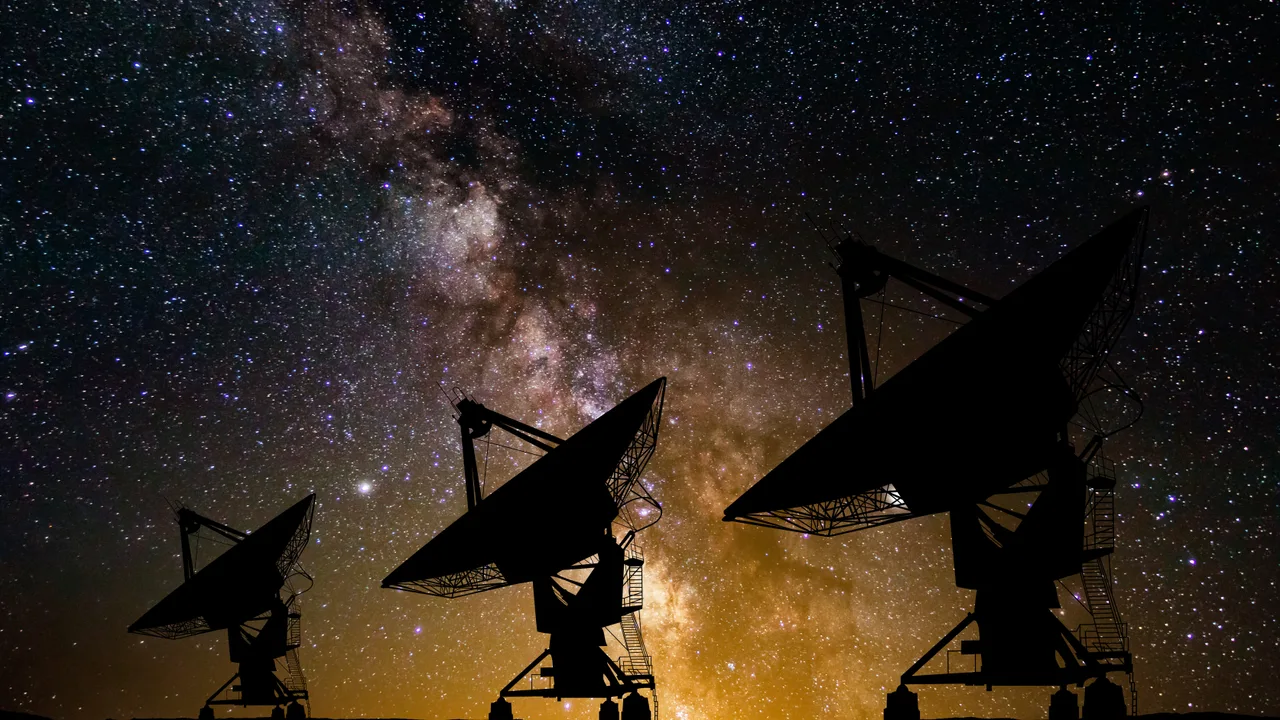
SETI, the search for extraterrestrial intelligence, has been searching for alien signals for years. There’s a chance that aliens might be sending us frequencies that SETI is not yet monitoring.
In his novel called Contact, Carl Sagan noted that if an advanced civilization tried to contact us, they might be communicating too quickly or too slowly for us to notice.
And if any intelligent civilization took years to transmit a single sentence, then we might never realize we are being contacted.
What if aliens are already here, hiding in plain sight?
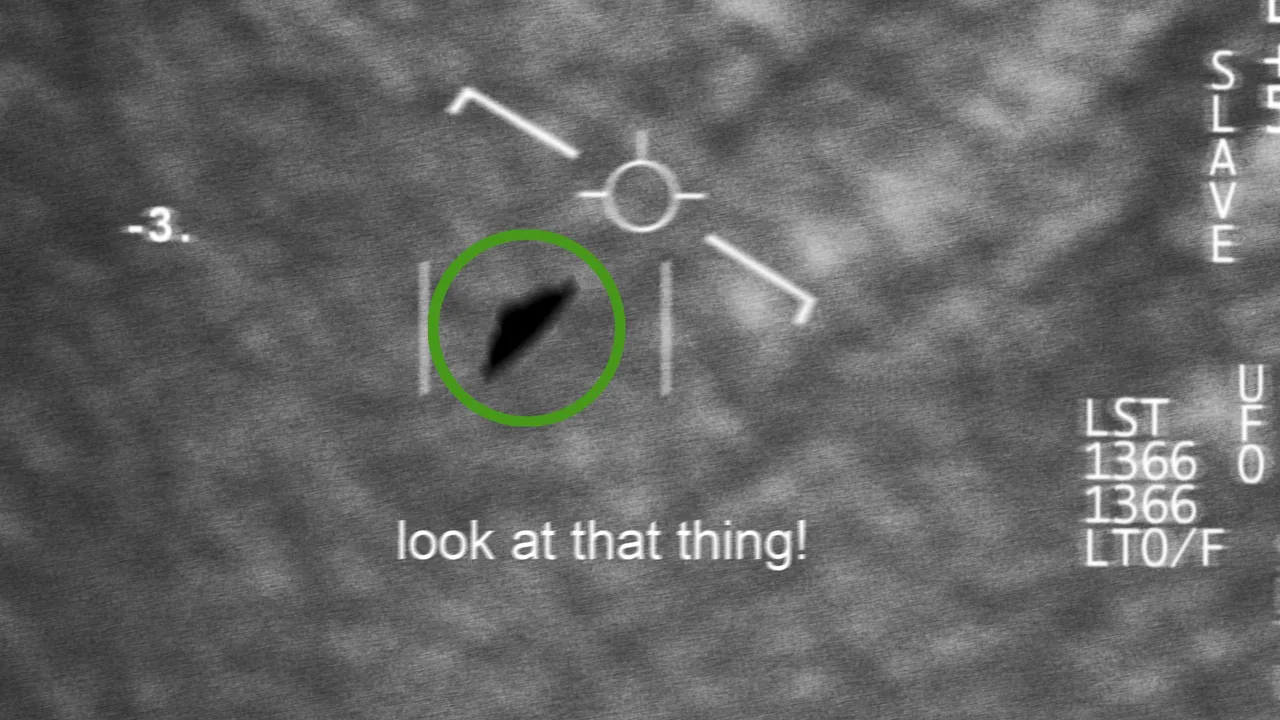
This claim has gained even more traction as some former military and intelligence personnel have testified in congressional hearings about Unidentified Anomalous Phenomena (UAPs). On top of that, the Pentagon has also released files documenting these phenomena. Even though NASA and the global scientific community say there is no verified proof that aliens exist among us, some theories suggest otherwise.
Harvard researchers have explored one such possibility in what they describe as a “speculative thought piece.” The study authors note that, “Although this idea is likely to be regarded sceptically by most scientists, such is the nature of some UAP that we argue this possibility should not be summarily dismissed, and instead deserves genuine consideration in a spirit of epistemic humility and openness.”