5 breathtaking images of the universe captured by NASA's James Webb Space Telescope
A look at the universe's most breathtaking views
NASA’s James Webb Space Telescope was first launched in 2021, and since then, it has given us thousands of images of distant stars and galaxies across the universe. And some of them are especially striking. According to NASA, the James Webb Space Telescope (also famously known as JWST) is the "largest, most powerful space telescope" ever built.
In fact, it's so big that it had to be folded in an origami-like style to fit inside its rocket. Here's a closer look at a few striking images captured by the telescope and the stories behind them.
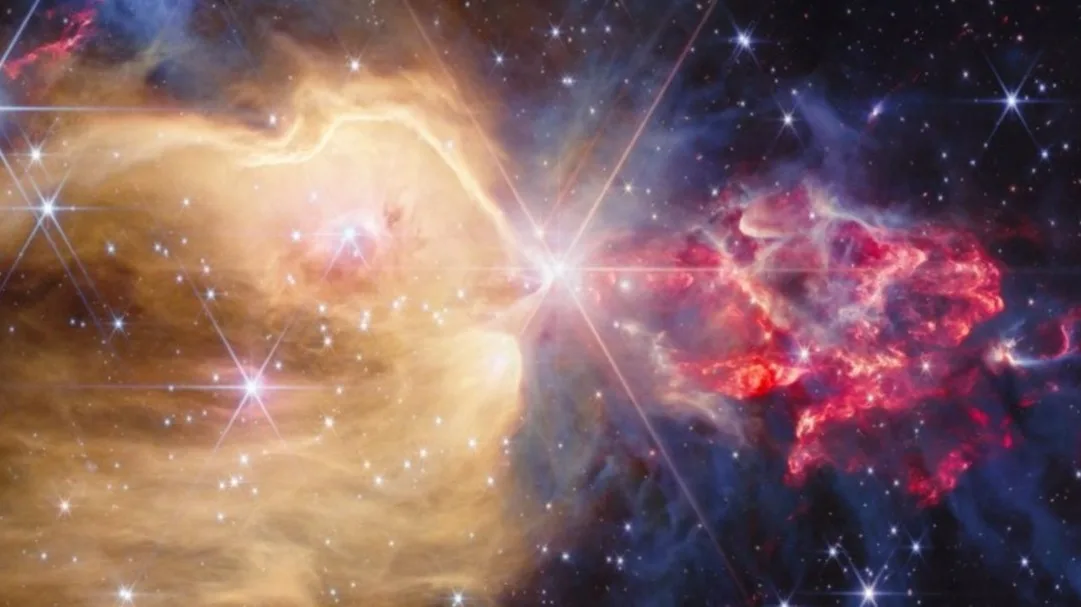
The birth of stars inside a glowing nebula
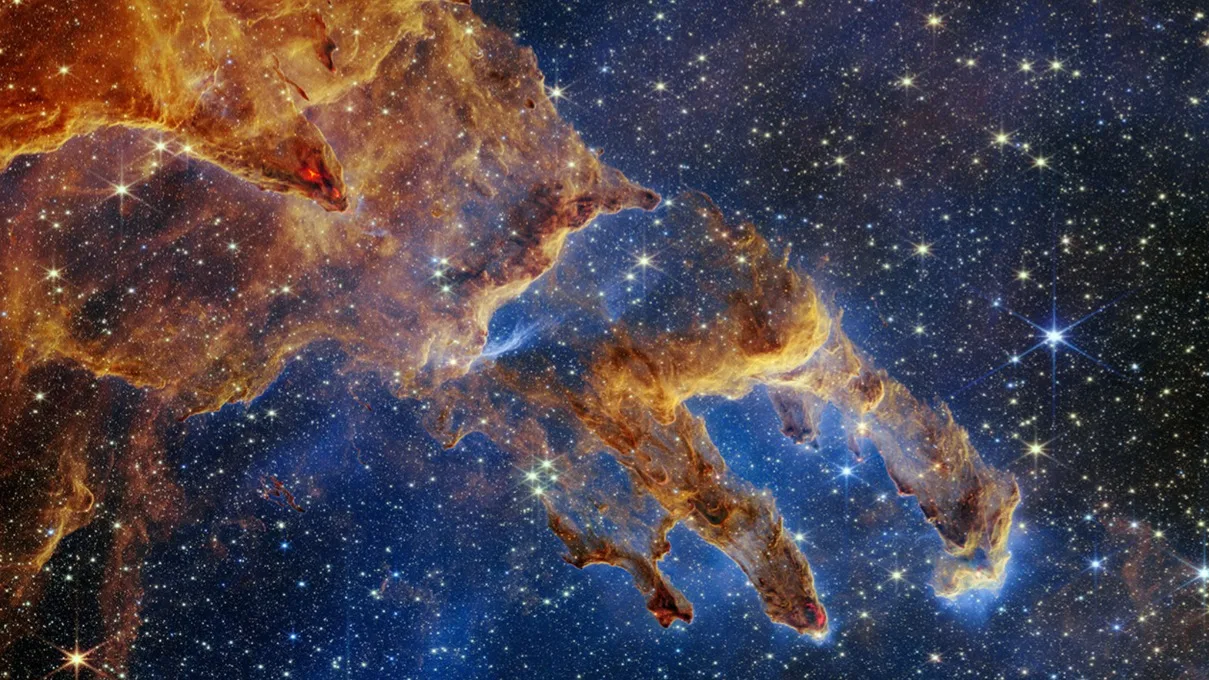
This image was captured by Webb’s NIRCam, which is a camera that records infrared light. In this image, you can see some of the biggest and brightest stars in the universe. According to NASA, the hottest newborn stars can reach temperatures nearly eight times that of the Sun.
NASA describes the tall spires of gas as “fingers pointing toward the hot, young stars that have sculpted them.” The tallest ones are about 5.4 light-years from their tips to the bottom.
The Pillars of Creation
At the heart of M16 (also known as the Eagle Nebula), you can see the towering tendrils of dust and gas. This image is known as the "Pillars of Creation," and it's the most detailed image of this region of the universe. These blue colors show the presence of oxygen, while red represents sulfur and green is nitrogen and hydrogen.
The pillars stretch roughly 4 to 5 light-years, which is a small piece of a nebula that measures 70 by 55 light-years and sits 7,000 light-years away.
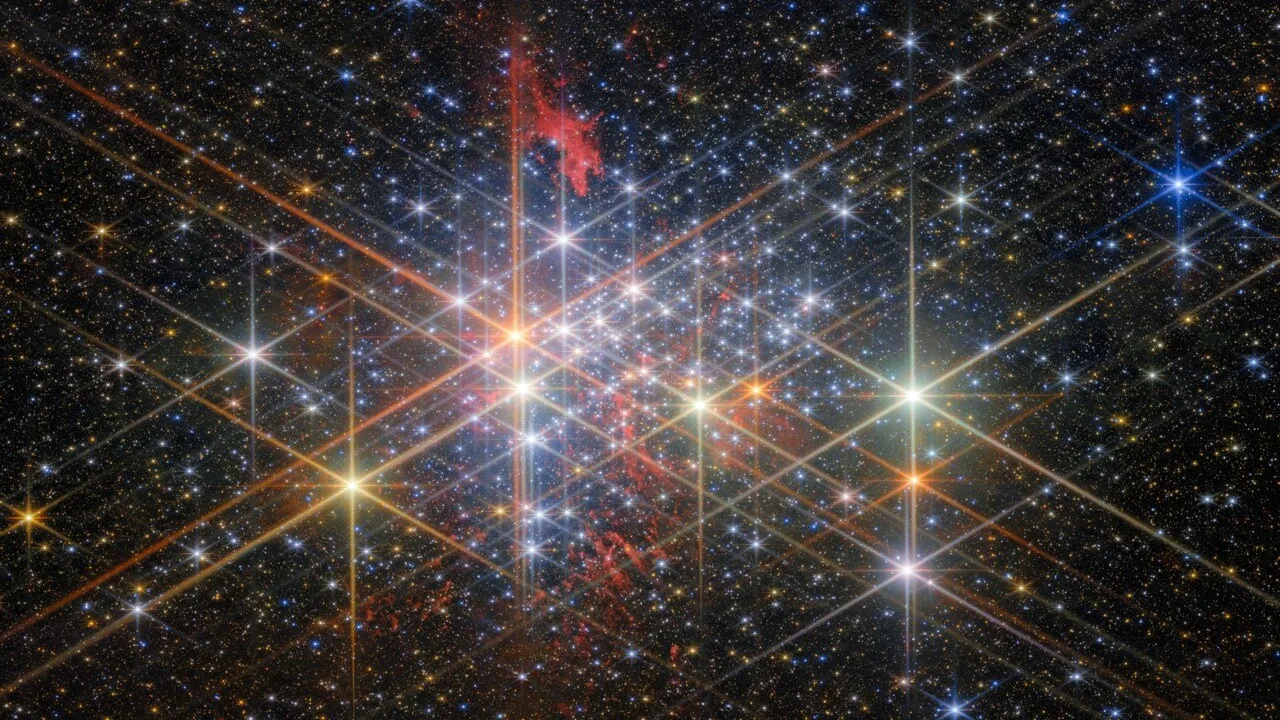
Super star cluster Westerlund 1
Our galaxy forms only a handful of stars a year now. But about 10 billion years ago, it likely produced dozens or hundreds annually. Astronomers think most of that happened in “super star clusters,” young groups that included over 10,000 times the mass of our Sun.
Westerlund 1, as seen in the image above, is one of them. This star is about 3 million to 5 million years old.
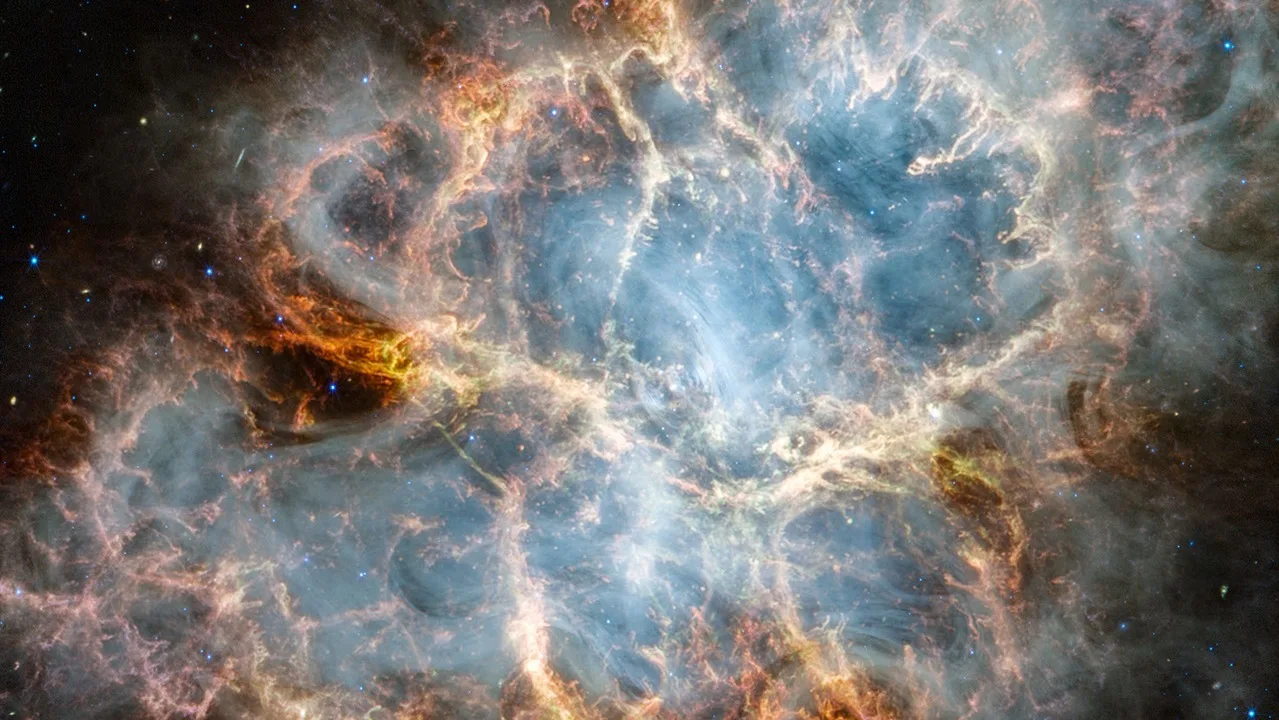
The shattered remains of a star in Crab Nebula
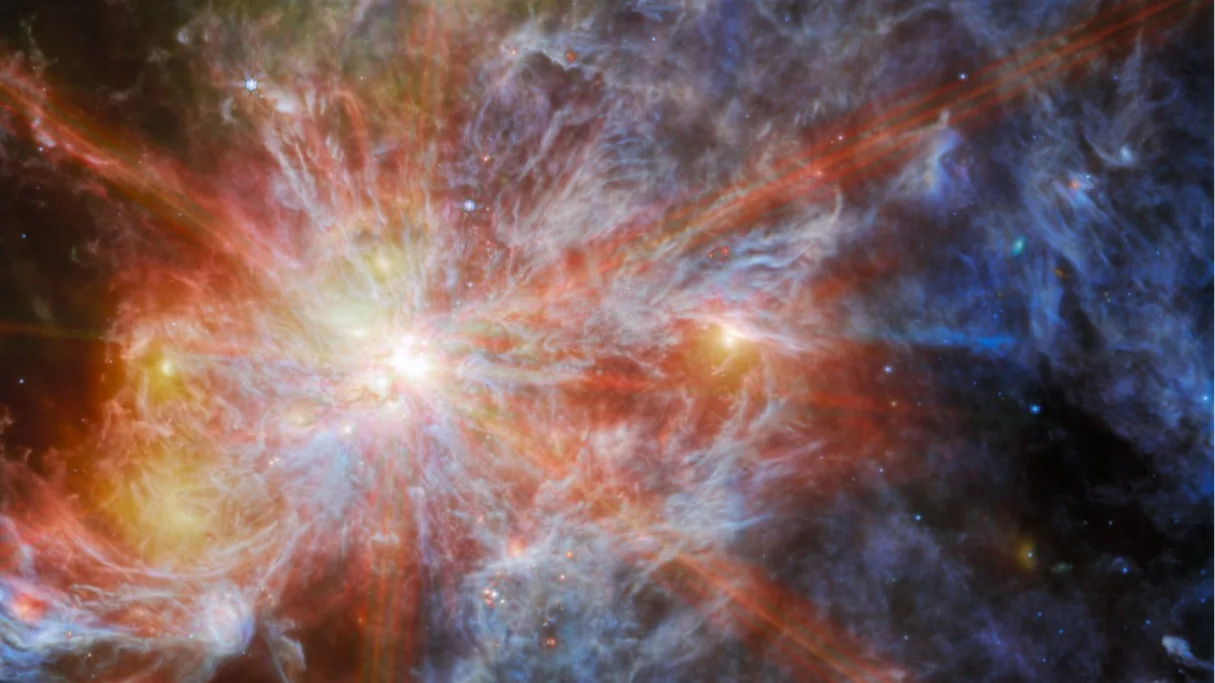
Messier 1, which is famously known as the Crab Nebula, is named after Charles Messier, who originally mistook it for Halley’s Comet. In this stunning image, you can see a dead star at the center of it. This star is actually a pulsar, which rotates about 30 times per second. It throws away energy from both of its sides.
The image captures one of these outbursts, which began with an explosive star collapse that astronomers on Earth could see nearly 1,000 years ago.
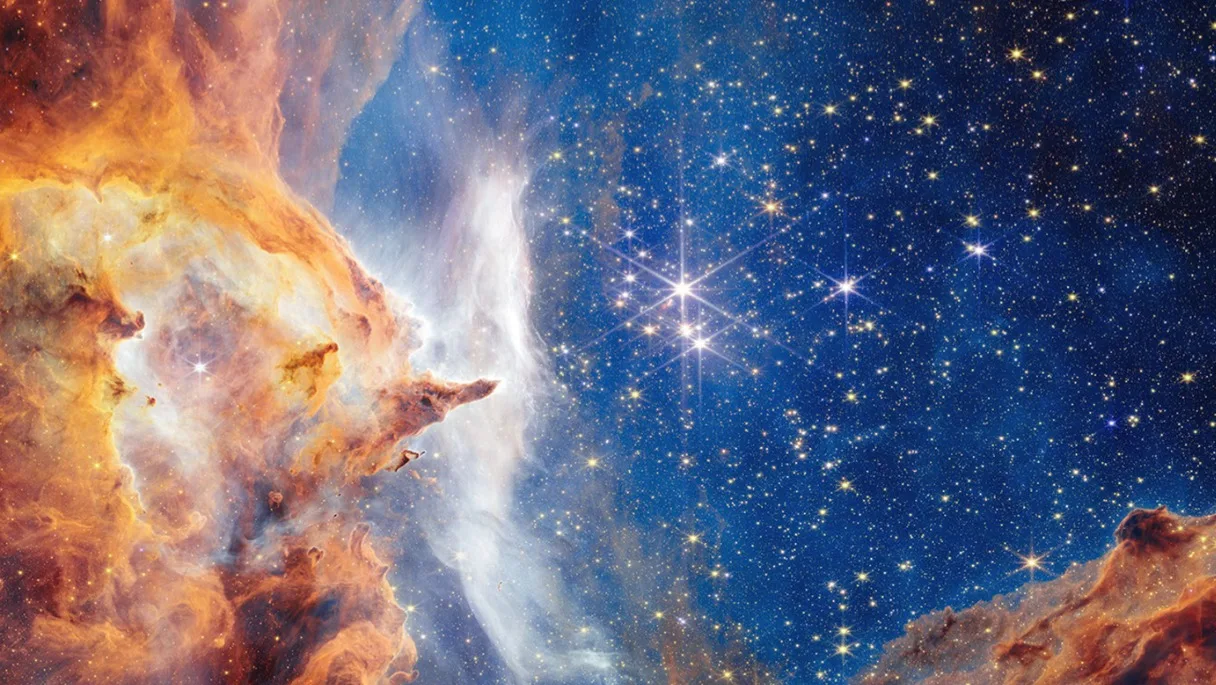
A massive cluster is born in N79
Behold Nebula N79, which is located in the southwestern part of the Large Magellanic Cloud (LMC). N79 is one of the massive regions where new stars are taking shape. The region covers around 1,630 light-years and is often compared to 30 Doradus (popularly known as the Tarantula Nebula).
The image we're looking at focuses on N79 South, also called S1, which is one of the three giant molecular cloud complexes that make up the region.