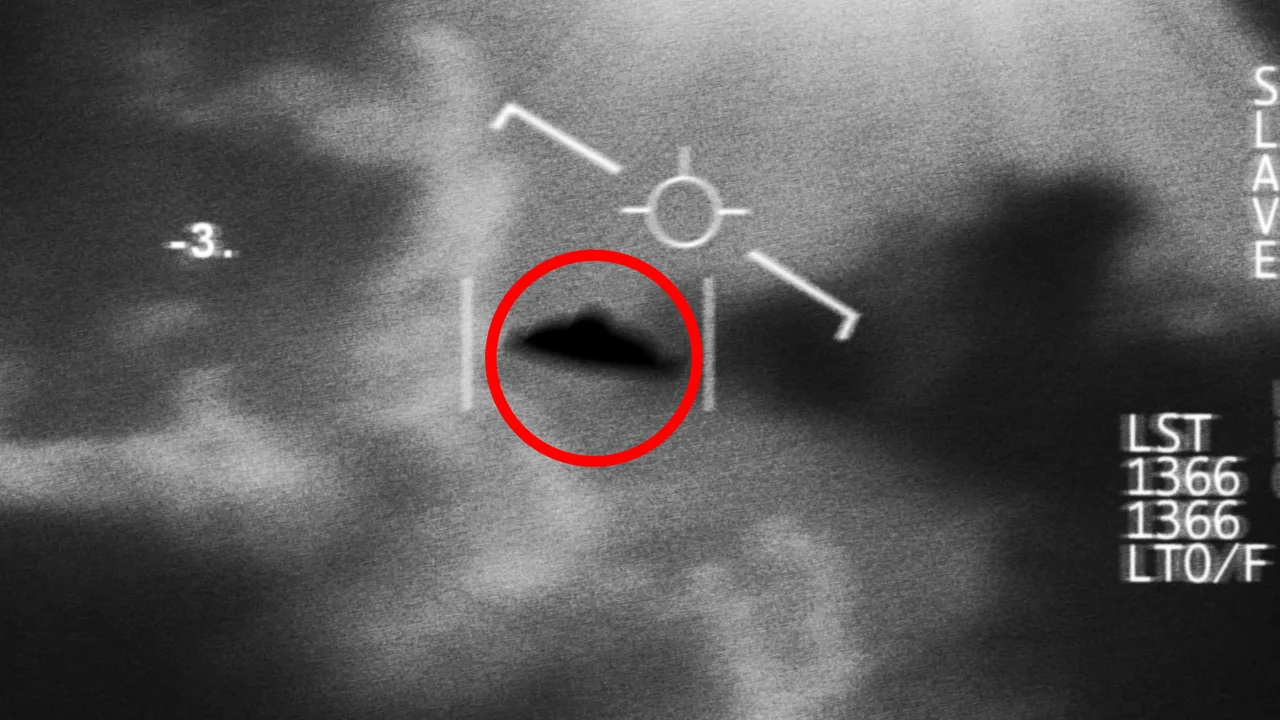
Could alien technology be easier to detect than extraterrestrial life itself? Scientists share their thoughts
The shift in search for alien life
Scientists have been on a quest to find extraterrestrial life for a long time now. However, we are still waiting to be contacted by aliens. Thus, experts are planning to expand their search for alien life. Alongside traditional radio signal hunts, scientists are now planning to depend upon other technosignatures, like spaceships.
Back in 2025, when comet 3I/ATLAS was discovered, Harvard astronomer Avi Loeb suggested that it might be an alien spacecraft. He also had a similar classification for 1I/'Oumuamua as well, which was the first known interstellar object to enter the solar system. Now, although studies have proven otherwise, researchers believe that searching for technological evidence might increase the chances of finding extraterrestrial intelligence. “Proof of the existence of extraterrestrial intelligence would be the most important discovery in human history,” said Andrew Siemion, the principal investigator at the privately funded Breakthrough Listen program, in a statement to the BBC.
Why looking for biosignatures isn't the best option
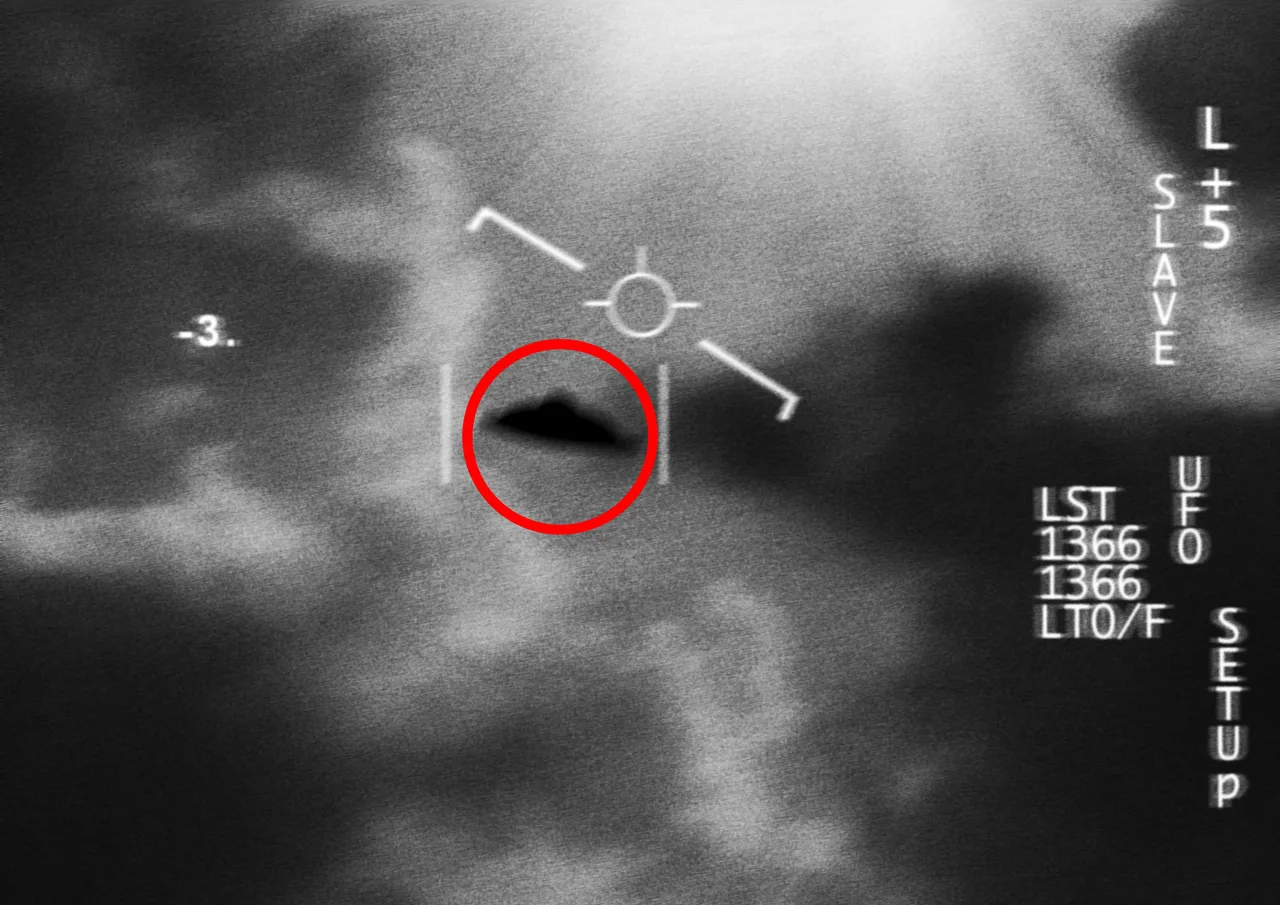
Sensitive instruments like the James Webb Space Telescope can detect atmospheres of nearby exoplanets while looking for biosignatures—molecules that indicate biological activity on the planet. But the detections made can be very ambiguous. For instance, molecules like oxygen, ozone, and methane can be produced via non-biological processes.
That said, it's not like looking for biosignatures doesn't have a future anymore. The European Extremely Large Telescope or NASA's Habitable Worlds Observatory can facilitate their discovery.
Where will scientists look for technosignatures?

The idea of ‘technosignatures’ was introduced by SETI pioneer Jill Tarter back in 2007. Tarter emphasized how there are other ways of continuing the search for alien life alongside tracking radio signals. These could include spacecraft, enormous artificial structures, or other unexplained astronomical phenomena.
While there is no evidence of aliens visiting us aboard their spaceships, traces of alien technology can be found in the distant universe as well, in forms more diverse than radio signals.
But how likely is it that we will actually be able to discover an alien technosignature? "Is it likely that we will ever discover technosignatures?” asked Jason Wright of Pennsylvania State University. "I don’t know, but I enjoy exploring the idea." In a 2022 paper, Wright and his colleagues had actually claimed that detecting technosignatures would be easier.
Longevity: A major argument in favor of technosignatures
Technosignatures might survive long after life in their source civilizations has ended. For example, NASA's Voyager space probes may continue to float in space long after we are gone. Moreover, contrary to biosignatures, which can be found only within a few light-years of an exoplanet, technosignatures can be detected farther out.
What would count as undeniable proof of alien life?
Researchers have stated that every unusual discovery or sighting does not always point towards the presence of aliens. But there can be some technosignatures, such as spaceships, that cannot be explained as a natural phenomenon. In such cases, the object would be considered definitive evidence of the presence of extraterrestrial life and intelligence.
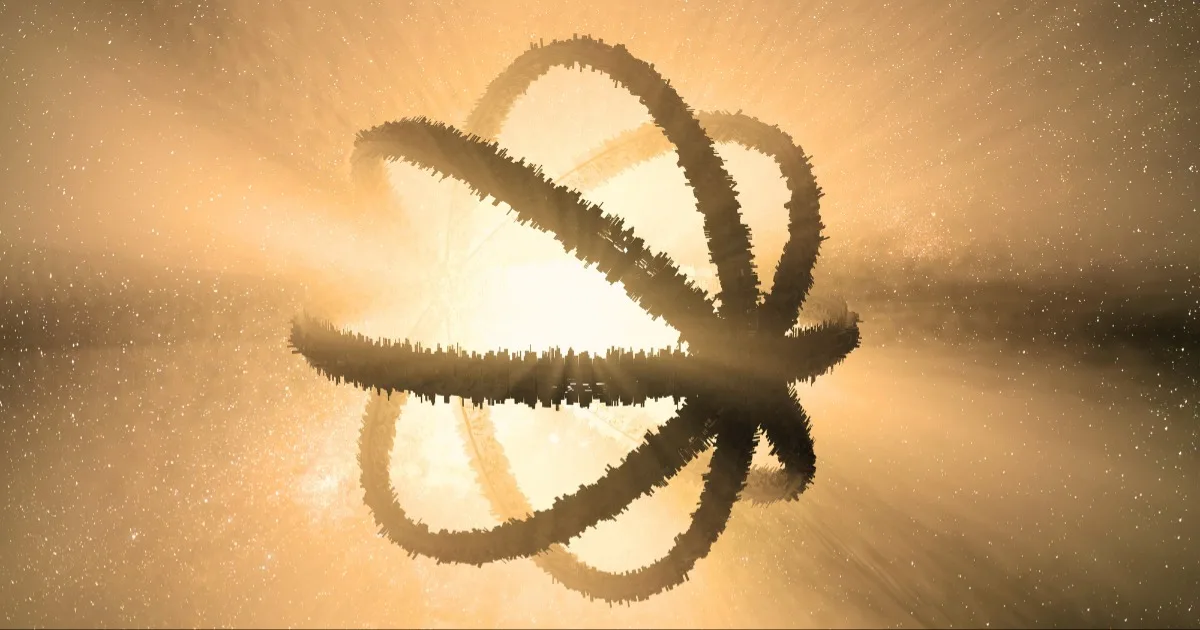
One such proof would be the discovery of a Dyson sphere (illustrated in the image), described by physicist Freeman Dyson in 1960. He suggested that weird infrared stars could be huge artificial spheres built by an intelligent alien civilization to harvest the energy of their host star.
Even Wright thinks that the theory is not crazy. "Collecting energy is probably a fundamental and universal trait of intelligent civilizations," he says.