SpaceX Starship Flight 14: Striking images from the rocket's first orbital mission
Key highlights from Starship Flight 14
On September 28, SpaceX made history by successfully launching Starship's first orbital mission with Flight 14, as well as deploying 26 Starlink V3 satellites along the way. But not everything went as smoothly as expected during this launch.
Here's a look at the milestone mission and some striking images from it.
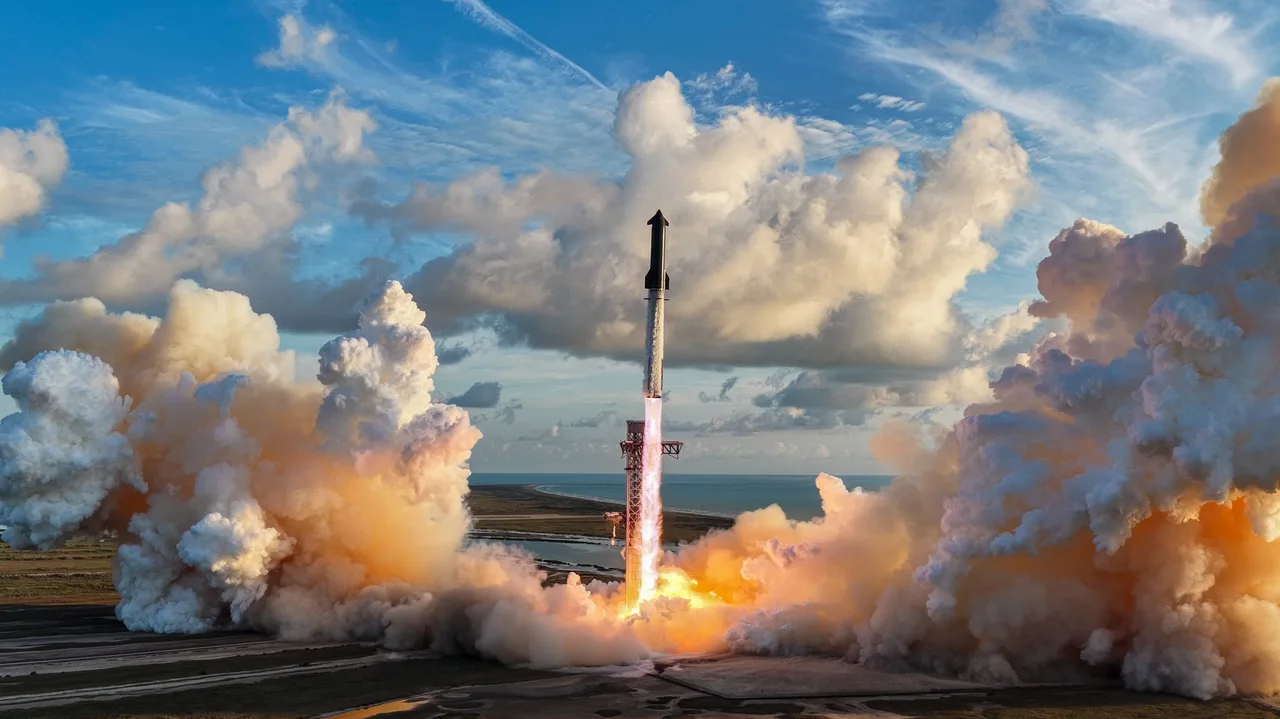
Moments before launch
Just before the actual launch, the SpaceX flight director gave the go-ahead for the propellant load. The weather that day was also looking good, as Dan Huot, who was hosting SpaceX's live broadcast of the mission, noted, "Weather's gorgeous, providing us with some pretty great clouds. Not going to be an issue throughout the count."
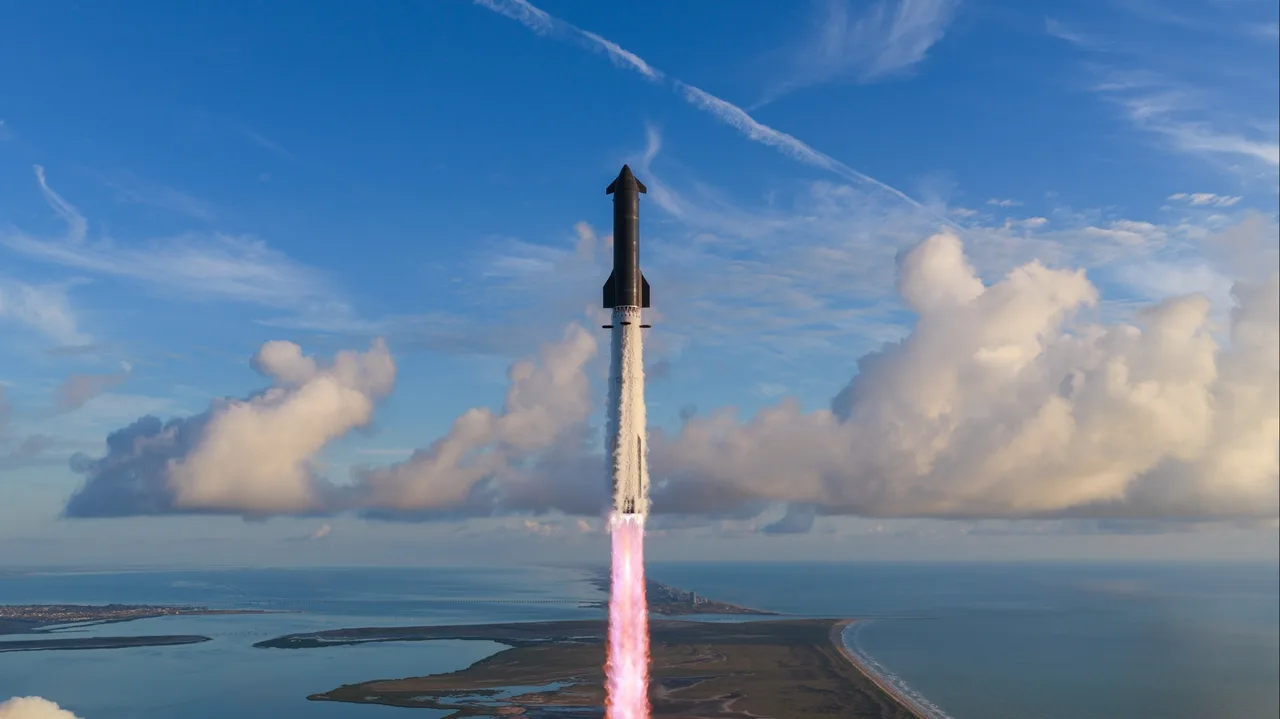
Starship Flight 14 achieves liftoff
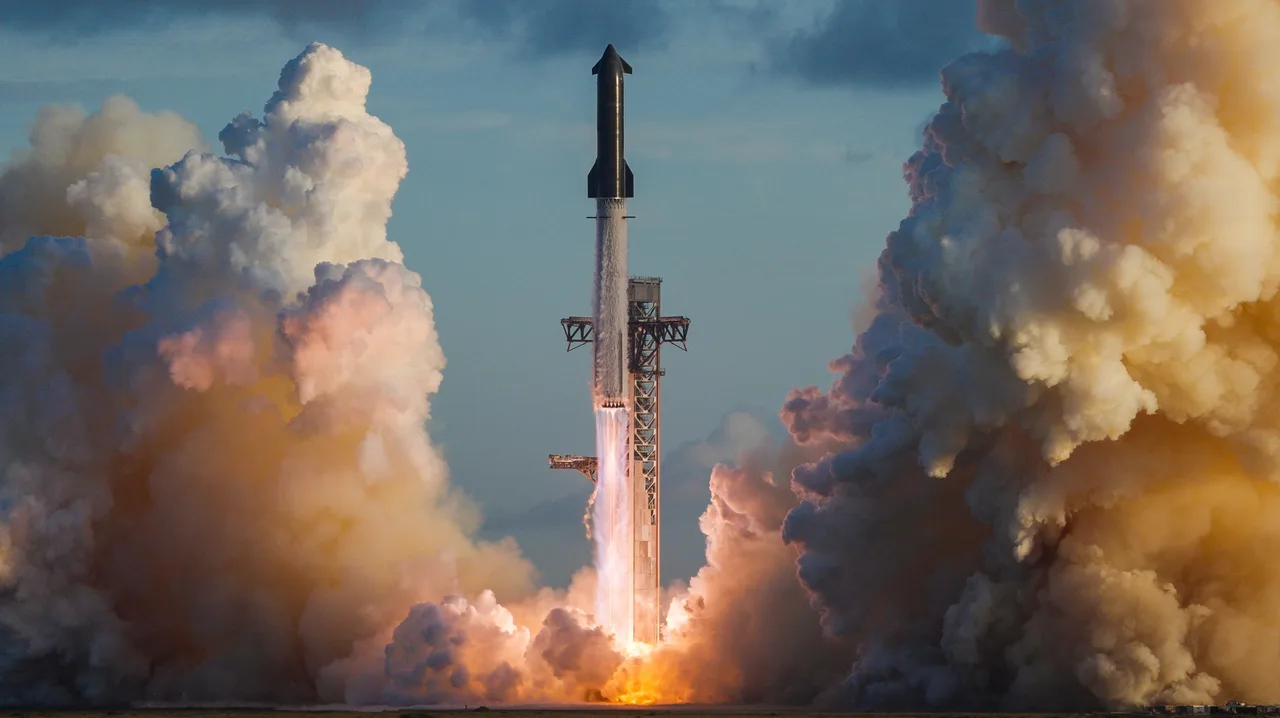
At 7:48 a.m. CDT (8:48 a.m. EDT), Starship Flight 14 lifted off from Starbase with the goal of attempting its first-ever orbital flight and making a total of six trips around Earth. Here in the image, you can see the Ship as it continues its way toward space.
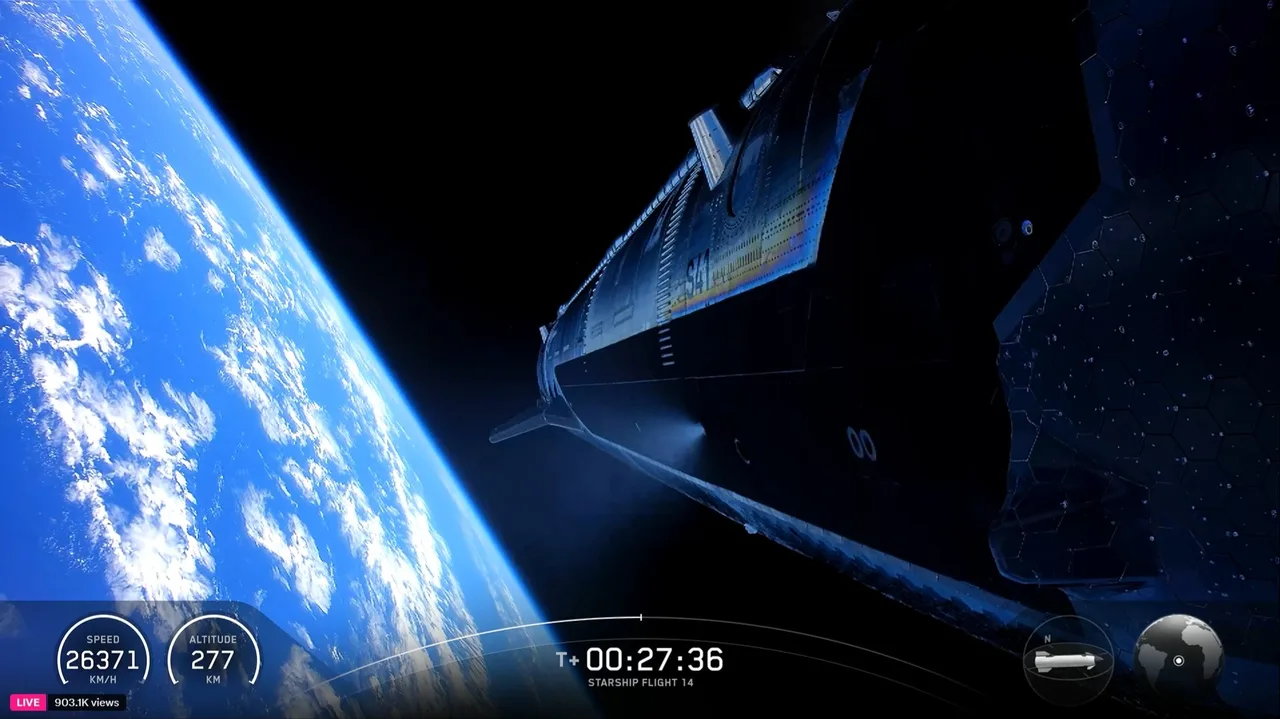
Starship in orbit!
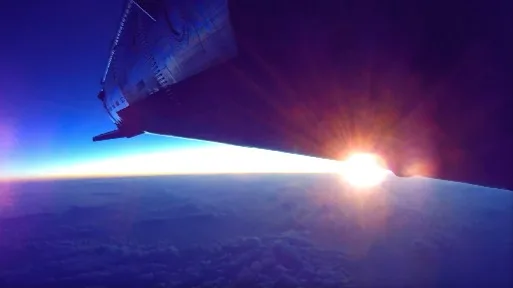
Soon after launch, Starship successfully reached orbit, even though it lost one of its Raptor Vacuum engines. In orbit, the spacecraft started deploying a total of 26 Starlink V3 satellites. During the live broadcast, viewers could see a beautiful view of the Earth below as Starship continued its planned task.
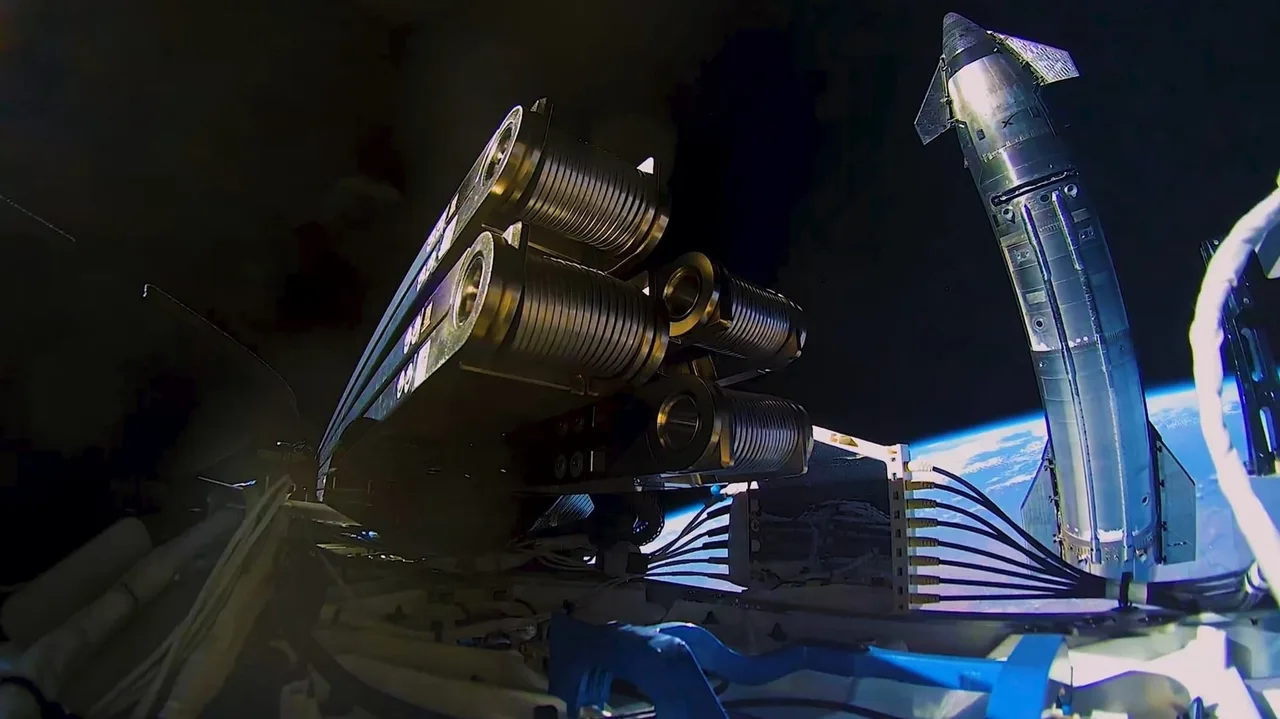
Payload deployment complete
Reaching another milestone for the mission, Ship 41 completed its deployment of the Starlink V3 satellites. Now in orbit, these satellites will establish a connection with the ground and then raise their orbits. According to SpaceX, they are expected to begin their operations within a few weeks.
Early return and atmospheric reentry
Due to an early engine failure, SpaceX decided not to go ahead with its originally planned 10-hour flight. The flight was cut short by seven hours. After a successful deorbit burn, Ship 41 went ahead with a controlled reentry.
Ship 41 bursts into flames during splashdown
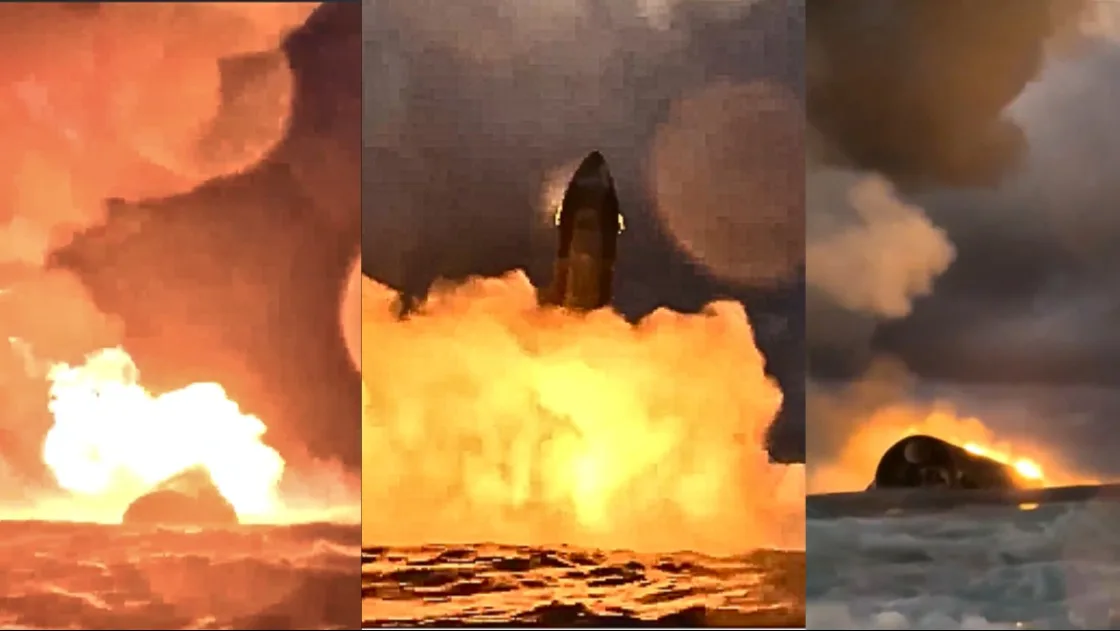
On its way back to the surface, the Super Heavy booster splashed down in the Gulf of Mexico, though SpaceX said some of its engines stopped working during the descent. Ship, however, hit the Pacific Ocean and erupted in a large fireball during its landing. Starship still managed to make a successful orbital debut.